
Is noise from busy streets or neighbors disrupting your peace at home? You don’t have to live with that constant racket.
The right plants can transform your outdoor space into a peaceful retreat by blocking and absorbing unwanted sounds. If you’re in Florida, choosing the best plants suited for the climate is key to creating an effective natural sound barrier. You’ll discover which plants work best against noise, how to arrange them for maximum impact, and easy tips to maintain your green shield.
Keep reading to turn your noisy yard into a calm oasis you’ll love spending time in.

Credit: www.rei.com
Evergreens For Noise Control
Evergreens serve as excellent noise control plants in Florida landscapes. Their thick foliage blocks and absorbs sound throughout the year. Dense, tall, and fast-growing evergreens offer continuous noise reduction. Planting a mix of varieties enhances sound buffering. These plants add beauty while reducing unwanted noise effectively.
Arborvitae Varieties
Arborvitae, especially the Green Giant type, grows dense and tall. It creates a strong visual and sound barrier. The thick foliage stays green year-round. This evergreen thrives in Florida’s climate and requires low maintenance.
Leyland Cypress Benefits
Leyland Cypress grows fast and forms a tall, dense screen. It blocks noise well with its thick branches. This tree adapts well to Florida soil and heat. Its evergreen nature keeps noise control consistent all year.
Holly As A Sound Barrier
Holly plants have dense, glossy leaves that reduce sound. Many varieties grow thick and tall enough for privacy. Their year-round green foliage makes them reliable noise blockers. They also add visual appeal with bright berries.
Yew Hedges
Yews offer dense growth, perfect for sound-filtering hedges. Some types grow slower but form thick barriers. Their dark green needles stay on year-round. Yews fit well in Florida gardens for long-term noise control.
Cryptomeria Growth
Cryptomeria grows quickly and has slender, dense foliage. It reaches tall heights, providing excellent noise reduction. This evergreen performs well in Florida’s humid climate. Its thick branches help absorb and scatter sound.
Virginia Juniper Features
Virginia Juniper, or Eastern Red Cedar, grows in a pyramid shape. It can reach impressive heights to block noise. Its dense, evergreen needles stay lush all year. This plant suits Florida landscapes needing tall sound barriers.
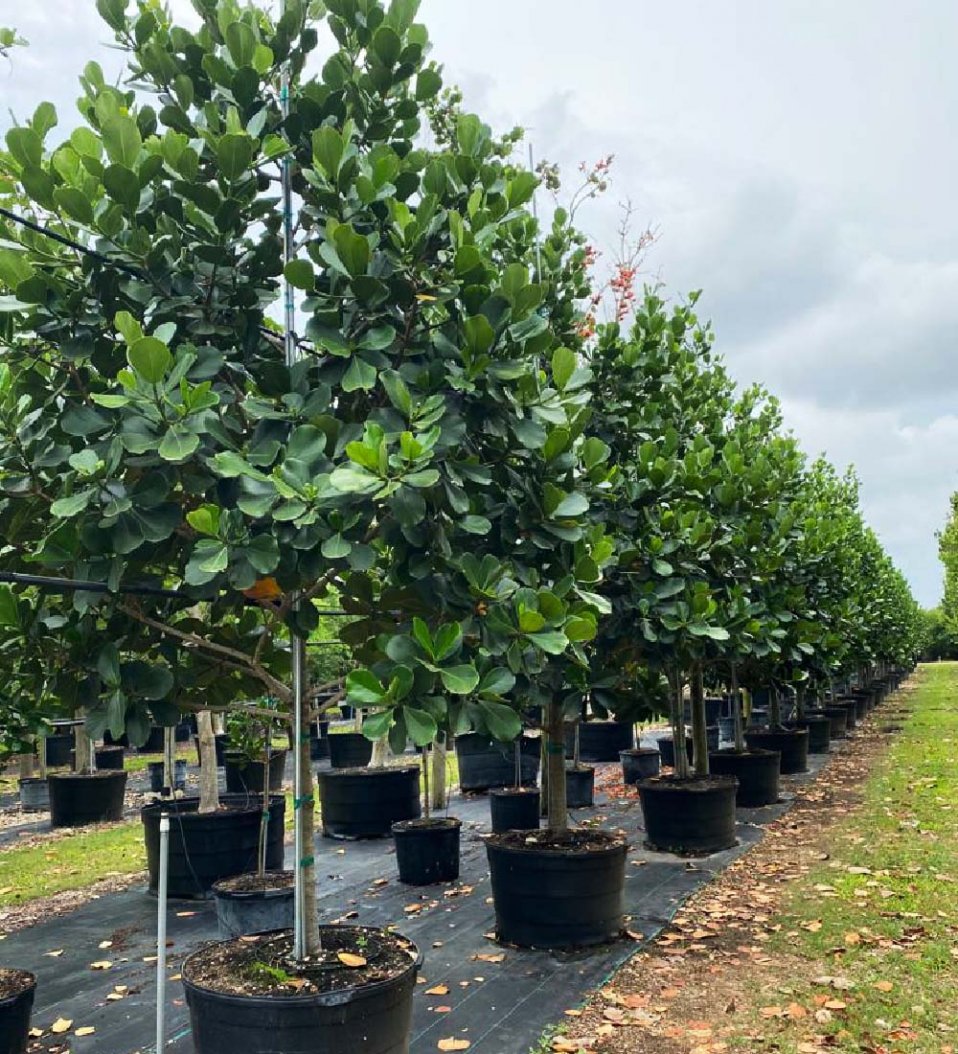
Credit: treeworldwholesale.com
Fast-growing Shrubs
Fast-growing shrubs serve as excellent natural barriers against noise in Florida’s busy environments. These shrubs quickly form thick screens that absorb and block sound. They also add greenery and privacy to your outdoor space. Choosing the right fast-growing shrub can make a big difference in reducing noise pollution.
Photinia Characteristics
Photinia is a popular fast-growing shrub with shiny leaves. Its new growth appears bright red, adding color to your garden. Photinia grows quickly and forms a dense hedge. This density helps block noise effectively. It thrives well in Florida’s warm climate and requires moderate care.
Privet As A Hedge
Privet grows fast and can create a thick hedge in a short time. Its dense foliage helps reduce noise and adds privacy. This shrub tolerates pruning well, so you can shape it as needed. Privet adapts easily to Florida’s soil and weather conditions. It is a practical choice for noise reduction.
Oleander Uses
Oleander is a versatile shrub with beautiful flowers all year. It grows quickly and forms a solid barrier against noise. Oleander is drought-tolerant and survives Florida’s heat well. It also attracts pollinators like butterflies and bees. Planting oleander adds both sound control and beauty to your landscape.
Planting Strategies
Effective planting strategies can greatly improve noise reduction in Florida gardens. Choosing the right plants is important. Equally important is how you arrange and maintain them. Proper techniques help absorb and block sound better. Use different layers of plants to create a thick, dense barrier. Careful pruning keeps plants healthy and full. Ground cover adds another sound-blocking layer close to the soil.
Layering For Sound Absorption
Plant multiple rows of different plant types. Start with tall grasses or ground covers. Add shrubs of medium height next. Finish with tall trees or large evergreens. Each layer traps and scatters sound waves. This reduces noise reaching your home or yard. Mixing various plants increases sound absorption. Layering also creates a natural and attractive barrier.
Optimizing Plant Density
Plant shrubs and trees close together. Dense foliage blocks more noise from passing through. Avoid gaps between plants to stop sound leaks. Use fast-growing evergreens for quick coverage. Dense hedges create a thick wall that absorbs sound. Higher density means better noise reduction. Make sure plants have enough space to grow full and healthy.
Pruning For Effectiveness
Trim plants regularly to keep them dense. Remove dead or thin branches to encourage growth. Well-maintained plants form a better sound barrier. Pruning shapes plants to block noise efficiently. Avoid over-pruning, which can reduce foliage and sound absorption. Healthy, full plants trap more sound. Pruning also improves air flow and plant health.
Incorporating Ground Cover
Use low-growing plants near the ground. Ground cover fills empty spaces under shrubs and trees. It helps reduce noise reflected from the soil. Plants like liriope, mondo grass, or creeping juniper work well. Ground cover also prevents soil erosion and adds beauty. This extra layer supports the overall noise barrier. It keeps the garden lush and quieter.
Combining Trees And Shrubs
Combining trees and shrubs forms an effective natural barrier against noise in Florida. Trees provide height and mass, blocking sound waves from reaching your home. Shrubs fill the gaps between trees, creating a dense layer that absorbs and scatters noise. Together, they create a multi-layered screen that reduces noise pollution significantly.
Choosing the right mix of trees and shrubs is important for year-round noise reduction. Evergreens keep their leaves all year, offering constant protection. Fast-growing shrubs fill in quickly, making your barrier effective in less time. This combination improves both sound blocking and the visual appeal of your landscape.
Choosing Complementary Trees And Shrubs
Select trees with dense foliage like Arborvitae or Leyland Cypress. Pair them with shrubs such as Photinia or Privet for thick, layered coverage. This mix creates a solid wall that blocks and absorbs noise effectively.
Planting For Maximum Noise Reduction
Plant trees in the back row for height and mass. Place shrubs in front to fill gaps and reduce sound leaks. Adding ground cover can help absorb lower-frequency noise near the ground.
Maintaining Your Noise Barrier
Prune regularly to keep the barrier dense and healthy. Dense foliage works best to absorb sound. Remove any dead or thin branches that reduce the barrier’s effectiveness.
Managing Growth And Maintenance
Managing the growth and maintenance of noise-reducing plants is key to their long-term success. Proper care helps keep the plants dense and healthy. This ensures they block noise effectively throughout the year.
Regular attention to trimming and shaping plants prevents overgrowth. Overgrown plants can lose density, allowing noise to pass through. Maintenance also promotes better air flow and sunlight, which supports plant health.
Pruning For Dense Growth
Pruning helps maintain thick foliage that absorbs sound. Trim plants carefully to keep their shape and fullness. Remove dead or weak branches to encourage new growth. Consistent pruning creates a stronger noise barrier.
Controlling Plant Size
Control plant height and width to fit your space. Some plants grow fast and tall, needing regular cutting. Others stay compact but still require shaping. Keeping plants at the right size improves noise reduction and garden appearance.
Watering And Feeding
Healthy plants block more noise. Water plants deeply but avoid overwatering. Use slow-release fertilizers to provide steady nutrients. Proper feeding supports strong root systems and lush foliage for better sound insulation.
Dealing With Pests And Diseases
Pests and diseases weaken plants and reduce their noise-blocking ability. Check plants regularly for signs of trouble. Use natural or chemical treatments as needed. Healthy plants grow denser and maintain better sound barriers.
Layering And Plant Density
Layer plants of different heights for maximum noise control. Combine ground covers, shrubs, and tall trees. Higher plant density means more sound is absorbed and scattered. Plan your planting layout carefully to build an effective green wall.

Credit: jungleplants.com
Additional Noise Reduction Tips
Plants alone help a lot to reduce noise. Combining them with other methods improves results. Small changes around your yard can make a big difference. Noise reduction works best with a mix of strategies.
These extra tips help you create a quieter space. They are simple and cost-effective. Use them to boost the sound-blocking power of your plants.
Use Thick Fencing Alongside Plants
Adding a solid fence helps block noise from the street. Wooden or vinyl fences work well. Place plants close to the fence to soften sound reflections. This combination creates a strong sound barrier.
Place Water Features To Mask Noise
Water sounds cover unwanted noise naturally. Small fountains or waterfalls add soothing sounds. Position water features near noisy areas. Their gentle noise helps reduce the impact of traffic or neighbors.
Build Earth Berms For Extra Sound Absorption
Earth berms are raised mounds of soil. They absorb and block sound waves effectively. Plant shrubs and trees on top of berms for added noise reduction. This creates a natural, quiet space around your home.
Arrange Plants In Multiple Layers
Layering plants increases sound absorption. Use a mix of ground covers, shrubs, and tall trees. Each layer captures different sound frequencies. This method improves overall noise reduction outside your home.
Maintain Plant Health And Density
Healthy, dense plants block sound better. Trim plants regularly to keep them thick. Remove dead branches and leaves. Proper care ensures your green barrier stays effective for years.
Frequently Asked Questions
What Plant Is Best For Noise Reduction?
Arborvitae, Leyland Cypress, and Holly are top plants for noise reduction with dense, year-round evergreen foliage. Layering various plants increases sound absorption. Fast growers like Cryptomeria and Photinia provide quicker noise barriers. Dense, multi-layered plant screens effectively block and scatter noise.
What Is The Best Plant To Block Neighbours?
Arborvitae, especially the Green Giant variety, is best for blocking neighbors with dense, year-round evergreen foliage. Leyland Cypress and Holly also create effective visual and sound barriers. Combining fast-growing shrubs like Photinia with tall evergreens enhances privacy and noise reduction efficiently.
How To Block Out Neighbor Noise Outside?
Plant dense, multi-layered evergreens like Arborvitae, Leyland Cypress, and Holly to block neighbor noise effectively. Add shrubs and ground cover for better sound absorption. Regularly prune plants to maintain density and maximize noise reduction.
What Plants Are Good For Balcony Noise Reduction?
Arborvitae, Leyland Cypress, Holly, Yew, and Cryptomeria are excellent for balcony noise reduction. Layer dense evergreens and shrubs for best sound absorption.
Conclusion
Choosing the best plants for noise reduction in Florida helps create peaceful outdoor spaces. Dense evergreens like Arborvitae and Leyland Cypress block sound all year. Fast-growing shrubs such as Photinia add quick coverage and soften noise. Layering plants from ground cover to tall trees boosts sound absorption.
Regular pruning keeps barriers thick and effective. These natural sound buffers improve privacy and calm your environment. Planting smartly turns noisy areas into relaxing retreats. Simple steps lead to quieter, more enjoyable Florida gardens.