Looking to bring a touch of the tropics into your Florida home? You’re in the right place.
Choosing the best indoor tropical plants can transform your space with lush greenery and vibrant colors, while also improving your air quality and mood. But with so many options, how do you pick the ones that will thrive in Florida’s unique climate and your indoor environment?
This guide will help you discover the top indoor tropical plants perfect for Florida homes—plants that are easy to care for, stunning to look at, and ready to brighten your everyday life. Keep reading to find your new favorite green companion!
Top Indoor Tropical Plants
Indoor tropical plants bring the warmth and beauty of Florida’s climate into your home. These plants thrive in indoor spaces with moderate light and humidity. They help improve air quality and add a fresh, natural touch to your rooms. Here are some of the best tropical plants to grow indoors in Florida.
Spider Plant
The spider plant is easy to care for and grows quickly. It has long, arching leaves with white stripes. This plant cleans the air by removing toxins. It does well in indirect light and needs only occasional watering.
Gerbera Daisy
Gerbera daisies add bright, cheerful flowers to any room. Their colorful blooms come in red, pink, orange, and yellow. They prefer bright, indirect light and moist soil. These plants brighten spaces and lift moods.
Snake Plant
The snake plant is almost indestructible and great for beginners. It has tall, stiff leaves with green and yellow patterns. This plant tolerates low light and infrequent watering. It also purifies indoor air efficiently.
Boston Fern
Boston ferns have lush, feathery fronds that create a soft look. They like high humidity and indirect light. Regular misting helps keep their leaves healthy. These ferns add a tropical feel to any room.
Golden Pothos
Golden pothos is a vine with heart-shaped, green leaves marked with yellow. It grows well in low light and needs little care. This plant cleans indoor air and looks beautiful in hanging baskets.
Bamboo Palm
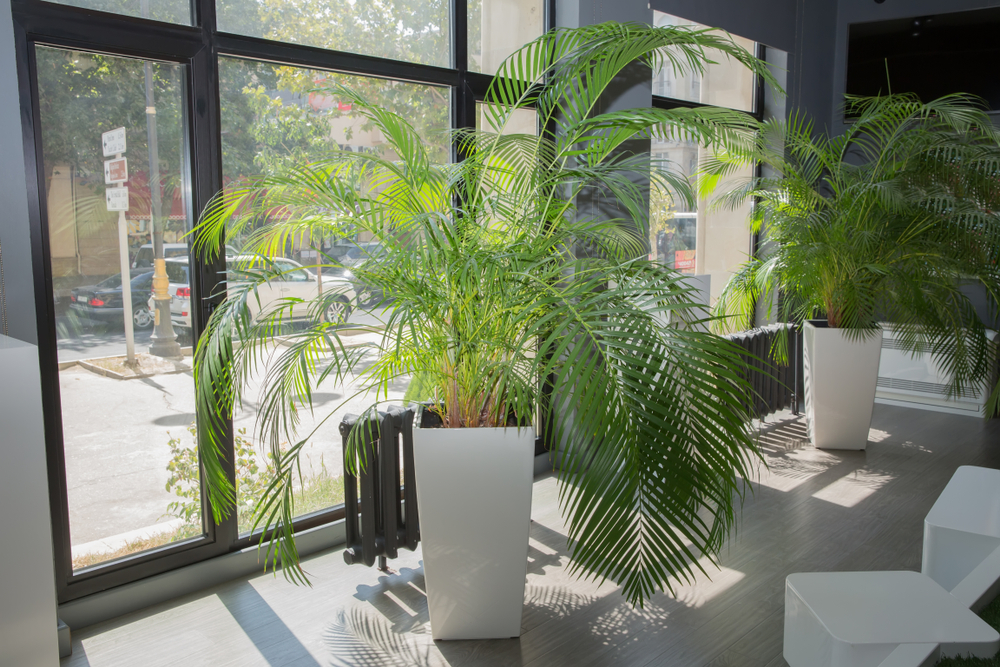
Bamboo palms have tall, slender stems with delicate green leaves. They thrive in bright, indirect light and moist soil. These palms help reduce indoor air pollution. They bring a touch of the tropics indoors.
Heat-tolerant Plants For Florida
Florida’s climate can be tough on indoor plants due to its high heat and humidity. Choosing heat-tolerant plants helps maintain a vibrant indoor garden. These plants thrive despite warm temperatures and bright sunlight. They need less water and care, making them perfect for busy homes. Here are some excellent heat-tolerant tropical plants for Florida indoor spaces.
Lantana
Lantana is a colorful, hardy plant that loves heat. It produces clusters of small flowers in vibrant shades. This plant attracts butterflies and adds a lively touch to rooms. Lantana tolerates dry soil and strong sun. It grows well in containers and bright indoor spots.
Hibiscus
Hibiscus plants bring a tropical feel with large, bright flowers. They thrive in warm, sunny conditions. Hibiscus needs well-drained soil and regular watering. It can bloom all year round in Florida’s heat. Place it near windows where it can soak up sunlight.
Pentas
Pentas is known for star-shaped flowers that bloom in red, pink, or white. It handles heat and humidity well. This plant attracts hummingbirds and butterflies. Pentas prefers full sun but can tolerate some shade. It grows well in pots for indoor gardens.
Salvia
Salvia is a tough plant with spikes of colorful flowers. It grows well in hot, sunny places. Salvia needs moderate watering and well-drained soil. It blooms over a long season and adds vertical interest. Ideal for bright indoor spots that receive plenty of light.
Sunflowers
Sunflowers brighten any space with their large, sunny faces. They love warmth and full sunlight. Indoor sunflowers need deep pots and regular watering. They grow fast and bring cheer to rooms. These plants are easy to care for in Florida’s heat.
Colorful Tropical Foliage
Colorful tropical foliage brightens any indoor space with vibrant hues and unique leaf shapes. These plants bring a lively, exotic feel to Florida homes. Their rich colors create natural art that enlivens rooms without much effort. Indoor tropical plants thrive well in Florida’s warm climate, making them perfect for homes in the region.
Crotons
Crotons are famous for their bright, multicolored leaves. Their foliage shows shades of red, yellow, orange, and green. These plants add a splash of color even in low light. Crotons prefer bright, indirect light and regular watering. They are easy to maintain and grow well indoors. Their dramatic leaf patterns attract attention and brighten corners instantly.
Bromeliads
Bromeliads offer striking foliage with vibrant colors and interesting textures. Their leaves often display reds, pinks, and purples. These plants store water in their leaf cups, which helps in dry indoor air. Bromeliads do well in bright, filtered light and need minimal watering. They bring a tropical flair with their exotic look and unique growth habits.
Succulents
Succulents are not only hardy but also colorful with various shapes and sizes. Some tropical succulents show bright reds, purples, and greens. They require less water, making them low-maintenance. Succulents thrive in sunny spots and well-drained soil. Their thick, fleshy leaves add texture and vibrant color to indoor gardens. These plants suit Florida’s indoor conditions perfectly.
:max_bytes(150000):strip_icc()/houseplants-best-removing-indoor-air-pollution-4857723-14-9aa5489c0bcf45ad9489068beacc4bd3.JPG "Best Florida Indoor Tropical Plants: Ultimate Guide for Lush Homes 2")
Credit: www.treehugger.com
Air-purifying Greenery
Indoor tropical plants are more than just beautiful decor in Florida homes. They improve air quality by filtering harmful toxins. These air-purifying plants create a healthier environment inside your living space. Their lush green leaves trap dust, mold, and pollutants. This natural cleaning boosts oxygen levels and refreshes the air.
Choosing the right air-purifying greenery adds style and health benefits. Many tropical plants thrive indoors and help reduce indoor air pollution. They are perfect for Florida’s warm climate and bright interiors. Let’s explore one popular option and how to keep everyone safe around these plants.
English Ivy Benefits
English ivy is an excellent air purifier for indoor spaces. It traps mold spores and airborne particles with its dense leaves. This plant works well in bathrooms, kitchens, or basements. English ivy helps reduce allergens and improves breathing comfort. It also adds a classic, elegant look to any room. The plant needs moderate light and regular watering to stay healthy.
Safety Tips For Pets And Kids
English ivy is toxic if eaten by pets or children. It can cause stomach upset, vomiting, and skin irritation. Always place this plant out of reach to avoid accidents. Use hanging baskets or high shelves for display. Teach children not to touch or chew the leaves. Wash hands after handling the plant to prevent skin issues. Monitoring pets near plants ensures their safety too.
Care Tips For Tropical Plants
Tropical plants bring a vibrant touch to Florida homes. They need special care to thrive indoors. Understanding their basic needs helps keep them healthy and green. Follow these simple care tips to enjoy lush tropical plants all year.
Light Requirements
Tropical plants need bright, indirect light. Avoid direct sunlight as it can burn leaves. Place plants near windows with filtered light. Some plants tolerate low light but grow slower. Rotate plants regularly for even growth.
Watering Guidelines
Water tropical plants when the top inch of soil feels dry. Use room temperature water for best results. Avoid overwatering to prevent root rot. Ensure pots have drainage holes for excess water. Mist leaves occasionally to keep them fresh.
Humidity Needs
Tropical plants love high humidity levels. Use a humidifier to raise moisture in dry rooms. Group plants together to create natural humidity. Place trays of water near plants to increase moisture. Avoid placing plants near air vents or heaters.
Soil Preferences
Use well-draining soil rich in organic matter. A mix of peat, perlite, and compost works well. Avoid heavy soils that hold water too long. Repot plants every 1-2 years to refresh soil. Choose pots with good drainage to prevent waterlogging.

Credit: www.lawnmoregainesville.com
Common Challenges Indoors
Growing tropical plants indoors in Florida offers beauty and freshness. Yet, it also brings some challenges. These challenges can affect plant health and your indoor environment. Understanding common problems helps keep your plants thriving and your home healthy.
Pest Control
Indoor tropical plants attract pests like spider mites and aphids. These tiny insects feed on plant sap, causing damage. Check leaves regularly for spots or webs. Use gentle insecticidal soap or neem oil to remove pests. Avoid harsh chemicals to protect your indoor air quality.
Mold Prevention
Mold grows in damp, poorly ventilated spaces. Overwatering plants creates moist soil, inviting mold. Use pots with drainage holes to avoid water buildup. Keep air flowing with fans or open windows. Remove fallen leaves to reduce mold spores. Healthy plants resist mold better.
Temperature Management
Tropical plants need warm, stable temperatures to grow well. Sudden cold drafts or heat spikes stress plants. Keep plants away from air conditioners or heaters. Ideal indoor temperature ranges from 65°F to 80°F. Use a thermometer to monitor temperature changes daily.
Where To Buy Tropical Plants In Florida
Finding the right place to buy indoor tropical plants in Florida makes all the difference. Florida offers a variety of options for plant lovers. From local nurseries to online shops, buyers can find healthy, vibrant plants that thrive indoors. Each source has its unique benefits. Knowing where to shop helps you pick the best plants for your home or office.
Local Nurseries
Local nurseries provide fresh and well-cared-for tropical plants. These nurseries often grow plants suited for Florida’s climate. You can see the plants before buying. Staff usually offer helpful advice on care and placement. Buying locally supports small businesses and ensures quicker plant replacement if needed.
Specialty Plant Shops
Specialty plant shops focus on unique and rare tropical plants. These shops offer a wide range of exotic indoor plants. They often have expert staff who know plant care deeply. Specialty shops provide plants that are not common in big stores. This is a great choice for collectors and enthusiasts.
Online Options
Online stores bring tropical plants right to your doorstep. Many websites offer detailed photos and care guides. You can compare prices and species easily online. Shipping is usually fast and plants arrive well-packed. Online shopping is convenient for people with busy schedules or far from nurseries.
Credit: noblesgreenhouse.com
Frequently Asked Questions
What Are The Best Indoor Plants For Florida?
Best indoor plants for Florida include spider plant, snake plant, golden pothos, Boston fern, bamboo palm, and gerbera daisy. These thrive in Florida’s humidity and provide excellent air purification.
What Tropical Plants Grow Well In Florida?
Crotons, hibiscus, bougainvillea, ixora, shefflera, alcantarea, and palms grow well in Florida’s tropical climate.
What Plant Removes 78% Of Airborne Mold?
English ivy removes up to 78% of airborne mold by trapping spores with its dense leaves. It thrives in mold-prone areas like bathrooms and basements.
What Plants Can Survive In The Heat In Florida?
Heat-tolerant plants thriving in Florida include lantana, hibiscus, pentas, salvia, sunflowers, crotons, bromeliads, coreopsis, coneflowers, and succulents. These plants handle high temperatures and humidity well, making them ideal for Florida gardens.
Conclusion
Choosing the best indoor tropical plants for Florida adds life to your home. These plants thrive in warm, humid spaces with indirect sunlight. They also help clean the air and create a calm atmosphere. Easy-care varieties like snake plants and spider plants suit beginners well.
Remember to water them properly and watch for pests. With the right plants, your indoor space becomes a green, refreshing retreat. Enjoy the beauty and benefits of Florida’s tropical indoor plants every day.