If you want to bring the magic of hummingbirds right into your Central Florida garden, choosing the right plants is key. Hummingbirds are drawn to bright, tubular flowers bursting with nectar, and your garden can become their favorite stop.
Imagine watching these tiny, vibrant birds flit from flower to flower, adding life and color to your outdoor space. In this guide, you’ll discover the best plants that thrive in Central Florida’s climate and keep hummingbirds coming back all season long.
Ready to create a hummingbird haven that’s both beautiful and buzzing with activity? Let’s dive in!
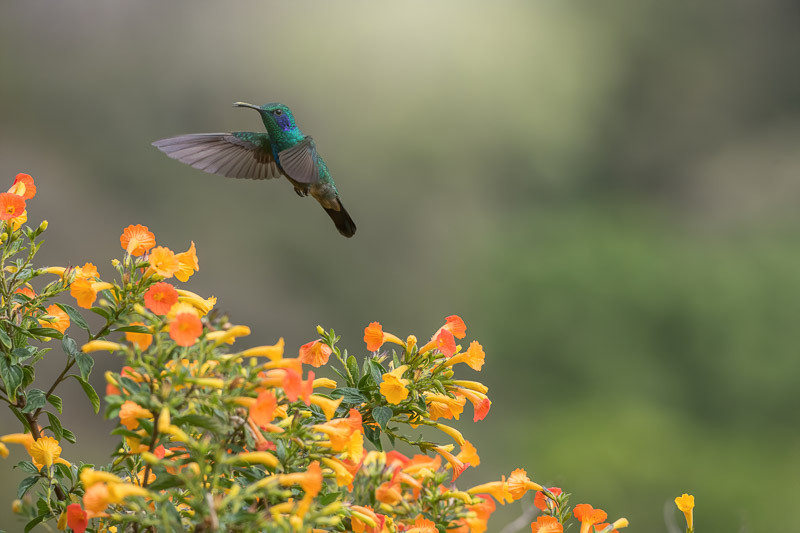
Credit: www.gardenia.net
Nectar-rich Plants For Hummingbirds
Hummingbirds need nectar-rich plants to thrive in Central Florida. These plants provide the sweet nectar hummingbirds crave. Choosing the right flowers ensures these tiny birds visit your garden often. Bright, tubular flowers attract hummingbirds with their shape and color. Native plants offer the best nectar and support local ecosystems. Long-blooming species keep hummingbirds fed through many seasons. Planting these flowers creates a welcoming space for hummingbirds year-round.
Tubular Flowers In Bright Colors
Tubular flowers fit hummingbirds’ long bills perfectly. Bright colors like red, orange, and pink catch their attention quickly. Examples include trumpet-shaped blooms that hold lots of nectar. Flowers such as salvia and trumpet creeper are ideal choices. Their shape and color make them irresistible to hummingbirds. Planting clusters of these flowers will increase visits and feeding opportunities.
Native Florida Favorites
Native plants are well-adapted to Central Florida’s climate. They provide reliable nectar sources and support local wildlife. Firebush, coral honeysuckle, and coralbean are top native picks. These plants bloom prolifically and attract many hummingbirds. Native species also require less water and care, making them easy to grow. Including these in your garden helps protect Florida’s natural habitats.
Long-blooming Species
Long-blooming plants offer nectar for extended periods. This ensures hummingbirds have food throughout the year. Salvia, lantana, and various milkweeds bloom for months. Their constant flowers create a dependable food source. Choose a mix of these species for continuous blooms. This variety keeps hummingbirds returning to your garden all season.
Trees For Hummingbird Gardens
Trees add height and shelter to hummingbird gardens in Central Florida. They provide safe resting spots and shade. Trees with vibrant flowers attract hummingbirds for nectar and energy. These plants support hummingbird populations and create a lively garden scene.
Geiger Tree
The Geiger tree blooms with bright orange flowers. Its vibrant color draws hummingbirds easily. This tree grows well in sunny spots. It thrives in Central Florida’s warm climate. The Geiger tree also offers shade and protection for birds.
Bahama Strongbark
Bahama Strongbark features clusters of small, tubular flowers. These flowers produce nectar that hummingbirds love. The tree can grow tall, giving birds places to perch. It is drought-tolerant and adapts to local soil. This tree adds natural beauty to any garden.
Cinnamon Bark
Cinnamon Bark trees have fragrant flowers that attract hummingbirds. Their nectar-rich blooms feed birds during long seasons. The tree’s bark has a unique scent and texture. It grows well in Central Florida gardens. Cinnamon Bark supports wildlife and enhances garden diversity.
Vines To Attract Hummingbirds
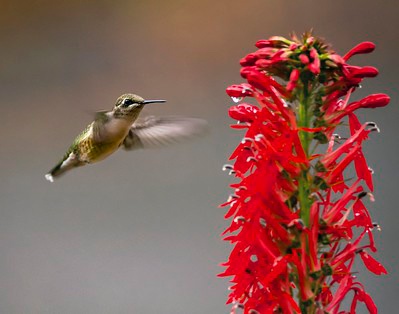
Vines offer excellent vertical space for hummingbirds to explore and feed. Their climbing nature allows flowers to reach eye level for these tiny birds. Vines with tubular blooms attract hummingbirds with rich nectar. Planting vines in Central Florida gardens creates a lively and colorful habitat. These plants support hummingbirds with food and shelter during their visits.
Coral Honeysuckle
Coral Honeysuckle is a bright, tubular-flowered vine native to Central Florida. Its red to orange blooms bloom in spring and summer. The sweet nectar attracts hummingbirds easily. This vine grows quickly and climbs fences or trellises with ease. It also offers dense foliage for hummingbirds to hide and rest. Coral Honeysuckle thrives in full sun to partial shade. It tolerates a variety of soil types, making it easy to grow.
Trumpet Creeper
Trumpet Creeper is a vigorous vine with large, trumpet-shaped flowers. The flowers range from orange to red and appear from late spring to fall. Hummingbirds love the abundant nectar. This vine can cover walls, fences, or arbors rapidly. It prefers full sun and well-drained soil. Trumpet Creeper supports hummingbirds by providing food and safe perches. It also attracts butterflies and bees, adding life to the garden.
Credit: gardeningsolutions.ifas.ufl.edu
Shrubs That Draw Hummingbirds
Shrubs are essential for attracting hummingbirds in Central Florida. Their dense foliage offers shelter and nesting spots. Bright, nectar-rich flowers on shrubs provide a vital food source. Choosing the right shrubs creates a welcoming habitat for these tiny birds. Below are some top shrubs that draw hummingbirds to your garden.
Firebush
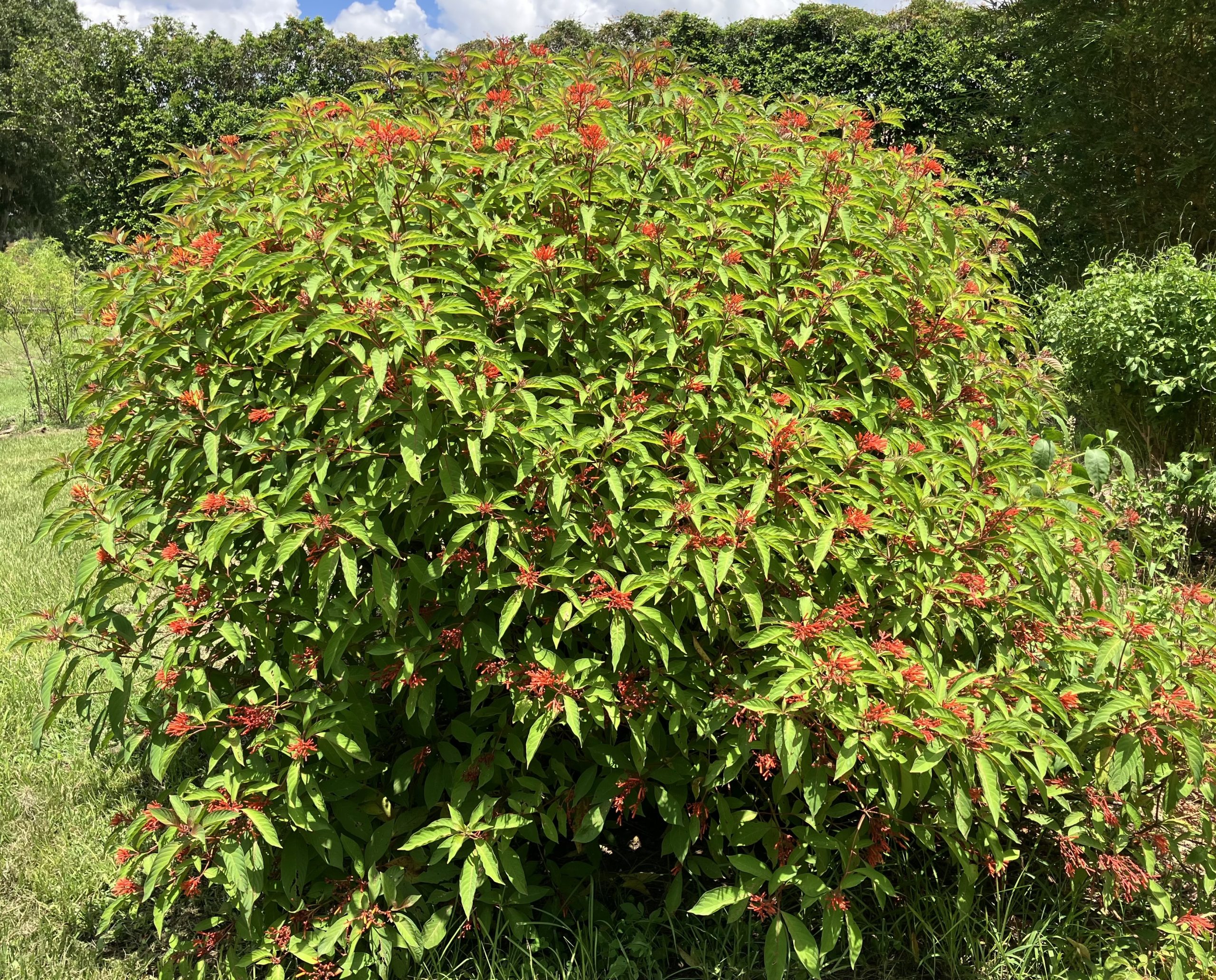
Firebush (Hamelia patens) is a favorite among hummingbirds. It produces clusters of bright red-orange tubular flowers. These flowers bloom almost year-round in Central Florida. Firebush also tolerates heat and drought well. Its dense growth gives hummingbirds places to rest and hide.
Lantana
Lantana offers colorful flower clusters in red, orange, yellow, and pink. The blooms are rich in nectar and attract hummingbirds eagerly. Lantana grows quickly and blooms for many months. It thrives in sunny spots and well-drained soil. Its vibrant colors stand out and draw hummingbirds from afar.
Butterfly Bush
Butterfly Bush (Buddleja davidii) features long, cone-shaped flower spikes. These spikes come in purple, pink, and white shades. The flowers have a sweet scent that attracts hummingbirds and butterflies. This shrub blooms from spring to fall. It grows well in full sun and adds height to your garden.
Little Strongbark
Little Strongbark (Bumelia tenax) is a native Florida shrub with small, creamy flowers. These flowers produce nectar that hummingbirds love. The shrub also provides cover and food for other wildlife. It is drought-tolerant and suited for Central Florida gardens. Its subtle beauty complements other hummingbird plants.
Perennials And Annuals
Perennials and annuals play a key role in attracting hummingbirds to Central Florida gardens. These plants provide vibrant colors and rich nectar that hummingbirds love. They also bloom at different times, ensuring food is available all season. Choosing the right mix keeps your garden lively and full of hummingbird activity.
Salvia Varieties
Salvia plants are a top choice for hummingbirds. Their tubular flowers come in red, purple, and blue shades. These flowers hold plenty of nectar. Salvia blooms for months, offering a steady food source. They thrive well in Central Florida’s warm climate.
Beebalm And Monarda
Beebalm, also known as Monarda, attracts hummingbirds with its bright red and pink flowers. It grows quickly and spreads easily. The plant emits a minty fragrance that adds charm. Beebalm blooms in mid to late summer, filling the garden with color and nectar.
Tropical Sage
Tropical sage produces long spikes of red or orange flowers. These flowers are rich in nectar and easy for hummingbirds to reach. Tropical sage grows well in sunny spots and handles heat well. It blooms almost year-round in Central Florida.
Coralbean
Coralbean is a native plant with stunning red flower clusters. Its bright colors catch the attention of hummingbirds quickly. Coralbean prefers well-drained soil and full sun. This perennial blooms in spring and summer, providing vital nectar during these months.
Milkweed
Milkweed is famous for supporting butterflies and hummingbirds alike. Its pink, orange, or white flowers offer nectar throughout the summer. Milkweed also serves as a host plant for monarch caterpillars. Plant milkweed in sunny areas with good drainage.
Hibiscus
Hibiscus blooms with large, colorful flowers in red, pink, and orange. Hummingbirds enjoy sipping nectar from these blooms. Hibiscus plants prefer full sun and moist soil. Their flowers open daily, ensuring constant nectar availability for hummingbirds.
Planting Strategies For Success
Creating a hummingbird-friendly garden in Central Florida requires smart planting strategies. These strategies help attract and keep hummingbirds visiting your yard. Proper planning ensures plants thrive and provide nectar all season.
Focus on plant selection, arrangement, and garden features. Each element plays a role in supporting hummingbirds. Follow these tips for a vibrant, hummingbird-rich garden.
Choosing The Right Plants
Pick plants with bright, tubular flowers. Red, orange, and pink colors attract hummingbirds the most. Native plants like Firebush, Coral Honeysuckle, and Trumpet Creeper offer excellent nectar sources. These plants are adapted to Central Florida’s climate and soil.
Include nectar-rich plants such as Salvia, Lantana, and Milkweeds. These bloom at different times, extending the feeding period. Healthy, well-chosen plants make your garden a favorite spot for hummingbirds.
Planting In Masses
Group the same plants together in clusters. Large patches of flowers create a strong visual signal. Hummingbirds spot these clusters easily from a distance. Mass planting also provides plenty of nectar in one area.
Clusters reduce the energy hummingbirds spend flying between flowers. This encourages longer visits and more frequent returns. Dense plantings increase your chances of seeing hummingbirds daily.
Ensuring Bloom Continuity
Choose plants that bloom at different times. This provides nectar from early spring to late fall. Staggered blooms keep hummingbirds fed during migration and breeding seasons.
Mix fast-blooming annuals with long-lasting perennials. Replace spent flowers quickly for constant nectar supply. Continuous blooms make your garden a reliable food source.
Providing Perches And Shelter
Hummingbirds need places to rest and hide from predators. Add small trees, shrubs, and vines near flowering plants. These provide safe perches close to feeding areas.
Dense foliage offers shelter from rain and wind. Branches also serve as lookout points for hummingbirds. A garden with shelter feels secure and invites hummingbirds to stay longer.
Credit: blogs.ifas.ufl.edu
Frequently Asked Questions
What Plant Attracts Hummingbirds In Florida?
Plants like Firebush, Coral Honeysuckle, Trumpet Creeper, Salvia, Lantana, and Milkweed attract hummingbirds in Florida effectively.
What Is The Number One Flower That Attracts Hummingbirds?
The number one flower that attracts hummingbirds is the red trumpet-shaped flower, such as Trumpet Creeper. Its bright color and tubular shape provide abundant nectar, making it highly appealing to hummingbirds. Planting clusters increases their visits and supports their feeding needs effectively.
Does Central Florida Get Hummingbirds?
Central Florida hosts hummingbirds, especially during migration and warmer months. Plant native, tubular flowers like Firebush and Coral Honeysuckle to attract them.
How Do I Attract Hummingbirds To My Feeder In Florida?
Plant native, tubular flowers like Firebush, Coral Honeysuckle, and Trumpet Creeper. Use bright reds, oranges, and pinks. Group plants for visual impact. Provide feeders with fresh nectar and clean water. Add perches and avoid pesticides to create a hummingbird-friendly habitat in Florida.
Conclusion
Choosing the best plants helps hummingbirds thrive in Central Florida gardens. Bright, tubular flowers like Firebush and Coral Honeysuckle attract these tiny birds. Planting a mix of native shrubs, vines, and perennials ensures nectar all season long. Group flowers together to make your garden more inviting for hummingbirds.
Adding trees offers safe spots for resting and watching. With these plants, you create a lively, colorful space full of life. Enjoy the beauty and energy hummingbirds bring to your outdoor space.