If you live in Florida, you know how busy and noisy the outdoors can get. Whether it’s traffic, neighbors, or nearby construction, unwanted noise can disrupt your peace at home.
But what if your garden could help block out that noise? Choosing the best plants for noise reduction in Florida is a smart way to create a calm, quiet space around your home. You might be surprised how much difference the right trees and shrubs can make—not just for sound, but for privacy and beauty too.
You’ll discover which plants work best to absorb and scatter noise in Florida’s unique climate, how to arrange them for maximum effect, and tips to start building your green sound barrier today. Keep reading, and turn your outdoor space into the peaceful retreat you deserve.

Credit: gardengoodsdirect.com
Noise-blocking Plant Types
Plants play a key role in reducing noise pollution in Florida. Certain types block sound better than others. Dense leaves and thick branches help absorb and scatter noise. Choosing the right plants creates a peaceful outdoor space. This section covers three main noise-blocking plant types ideal for Florida gardens.
Evergreen Trees And Shrubs
Evergreen trees and shrubs keep their leaves all year. This constant foliage forms a solid noise barrier. Trees like Arborvitae and Leyland Cypress grow tall and dense. They block sound from busy roads or neighbors. Shrubs such as Holly add extra thickness near the ground. These plants reduce echoes and soften loud sounds effectively.
Broadleaf Evergreens
Broadleaf evergreens have wide, thick leaves that absorb sound well. Their dense leaf structure traps noise waves and lowers sound levels. Species like Southern Magnolia and Camellia thrive in Florida’s climate. These plants provide greenery and privacy with strong noise reduction. They stay lush through warm winters and humid summers.
Ornamental Grasses
Ornamental grasses form thick clumps that absorb sound at lower heights. Their flexible stems and leaves scatter noise waves gently. Varieties such as Muhly Grass and Fountain Grass add texture and movement. These grasses complement taller trees and shrubs in a layered sound barrier. They require little water and fit well in Florida landscapes.
Top Noise-reducing Plants For Florida
Florida’s warm climate supports many plants that reduce noise effectively. Dense foliage and evergreen leaves help block sound all year. Selecting the right plants creates a natural barrier that softens traffic and neighborhood noise. Below are top plants that thrive in Florida and lower noise well.
Holly Trees And Shrubs
Holly plants have thick, glossy leaves that stay green year-round. Their dense branches block sound and provide privacy. Many holly varieties grow well in Florida’s heat and humidity. They also resist pests and need little care. Plant holly near roads or noisy areas for a quiet garden space.
Arborvitae
Arborvitae trees grow tall and narrow, perfect for tight spaces. Their dense foliage absorbs sound waves and reduces noise pollution. Arborvitae stay green all year, offering constant noise protection. These trees grow quickly and create an effective sound screen. They handle Florida’s heat and occasional dry spells well.
Leyland Cypress
Leyland Cypress is a fast-growing evergreen tree with thick branches. It forms a solid wall that blocks sound and wind. This tree can reach great heights, making it ideal for larger properties. Leyland Cypress adapts well to Florida’s climate and soil. Regular pruning keeps it healthy and dense for noise control.
Layered Planting Strategies
Layered planting strategies create an effective sound barrier using different plant heights and densities. This method scatters and absorbs noise from busy streets or neighbors. Florida’s climate supports a variety of plants that fit well into each layer. Combining tall trees, medium shrubs, and low-growing plants builds a strong, natural shield against sound.
Dense Barriers Near Noise Source
Place tall, dense plants closest to the noise source. Evergreens like Leyland Cypress and Holly work best here. Their thick leaves block sound all year long. These plants form a solid wall that reduces loud noises early. Thick branches and foliage trap and reflect sound waves efficiently.
Medium Shrubs And Trees
Behind the dense barrier, add medium shrubs and small trees. Plants like Viburnum and Wax Myrtle fit well in this layer. They fill gaps between tall trees and ground plants. This middle layer softens sounds that pass through the first barrier. Medium plants create more depth and noise absorption.
Low-growing Plants And Groundcovers
Use low plants and groundcovers near your home or garden. Ferns, ornamental grasses, and creeping plants help absorb sound close to the ground. These plants reduce noise that travels near the soil surface. Groundcovers also reduce echo by softening hard surfaces. Together, they complete the layered sound barrier.
Landscape Design Tips
Designing a landscape to reduce noise requires thoughtful planning and plant selection. Strategic placement of plants can soften loud sounds and create a peaceful outdoor space. Use layers of vegetation to block and absorb noise effectively. Combine different plant heights and textures to enhance sound reduction.
Avoiding Straight Sound Paths
Sound travels fastest along straight lines. Avoid planting in straight rows facing the noise source. Break up these paths with staggered plantings or solid barriers. Dense foliage can scatter sound waves and reduce echoes. Create uneven patterns with trees and shrubs to disrupt noise flow.
Using Curves And Staggered Plantings
Curved planting beds help scatter sound better than straight lines. Stagger plants of varying heights and densities to form a layered barrier. Use tall evergreens behind medium shrubs and low groundcovers in front. This arrangement traps sound waves and prevents them from reaching your home.
Incorporating Water Features
Water features add a soothing sound that masks unwanted noise. Small fountains or waterfalls create white noise that blends with natural sounds. Place water features near seating areas for a calming effect. Combine water with plants to improve both noise reduction and garden beauty.
Additional Noise Reduction Measures
Plants help reduce noise naturally but adding other measures can improve results. Combining vegetation with man-made barriers creates stronger sound protection. These additional methods block and absorb sound waves more effectively. They also enhance privacy and create a peaceful outdoor space. Explore how solid fences and acoustic walls work well with plants for noise reduction in Florida.
Combining Plants With Solid Fences
Solid fences act as a physical barrier against noise. Materials like wood, vinyl, or metal block sound waves directly. Planting dense shrubs or tall trees along the fence softens the sound further. Evergreens like holly or Leyland cypress work well. The fence reduces noise reflection and the plants absorb leftover sound. Together, they form a strong noise shield for homes near busy roads or noisy neighbors.
Acoustic Blankets And Sound Walls
Acoustic blankets are fabric covers that absorb sound. They can wrap around fences or walls to reduce noise reflection. Sound walls are taller structures built specifically to block sound. They often use concrete or specially designed panels. Adding plants near these walls helps scatter sound waves and reduces harsh echoes. This combination creates a quieter outdoor environment. Sound walls and acoustic blankets are practical solutions for tough noise problems in Florida.
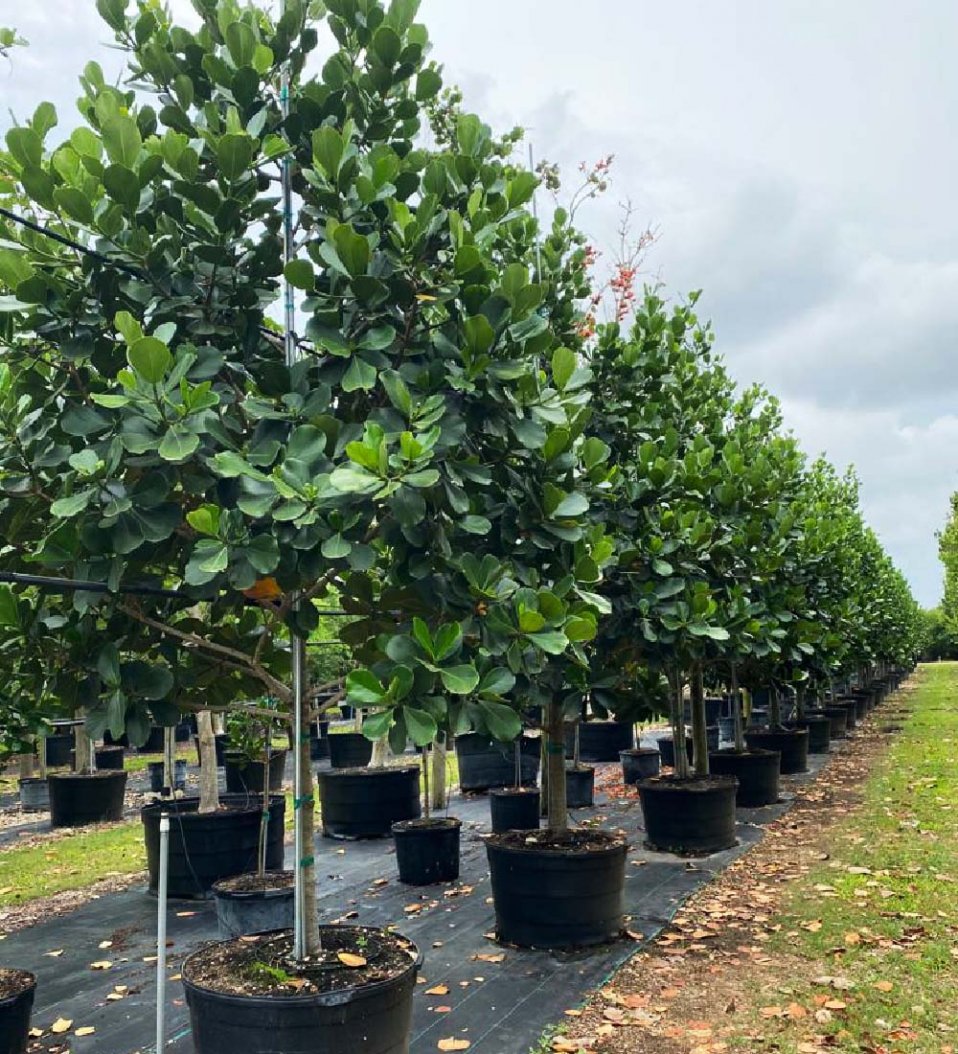
Credit: treeworldwholesale.com
Time And Visual Impact
Plants used for noise reduction in Florida do more than just block sound. They also change the view around your home. Time affects how quickly these plants grow and how soon they start making a difference. The visual impact of these plants adds privacy and creates a calm space. Choosing the right plants helps you enjoy quiet and beauty together.
Establishing Mature Barriers
Noise-blocking plants need time to grow tall and thick. Trees like holly, Leyland cypress, and arborvitae form dense walls over time. These evergreens keep their leaves year-round, giving constant noise protection. Planting them close together speeds up the barrier formation. A mature barrier can reduce street noise by scattering and absorbing sound waves effectively.
Patience is key. Most of these trees take a few years to reach full size. Regular care helps them grow faster and stay healthy. Once mature, they provide strong, natural soundproofing that lasts.
Creating Peaceful Visual Screens
Plants also block unwanted views and create privacy screens. Dense shrubs and tall grasses soften the look of fences and walls. They add a layer of green that feels peaceful and inviting. Broadleaf evergreens and ornamental grasses work well for this purpose.
Visual screens help reduce stress by hiding busy roads and noisy neighbors. Over time, as plants grow thicker, your outdoor space becomes a quiet retreat. Mixing different plant heights and textures creates a natural, appealing barrier that feels like a private garden.
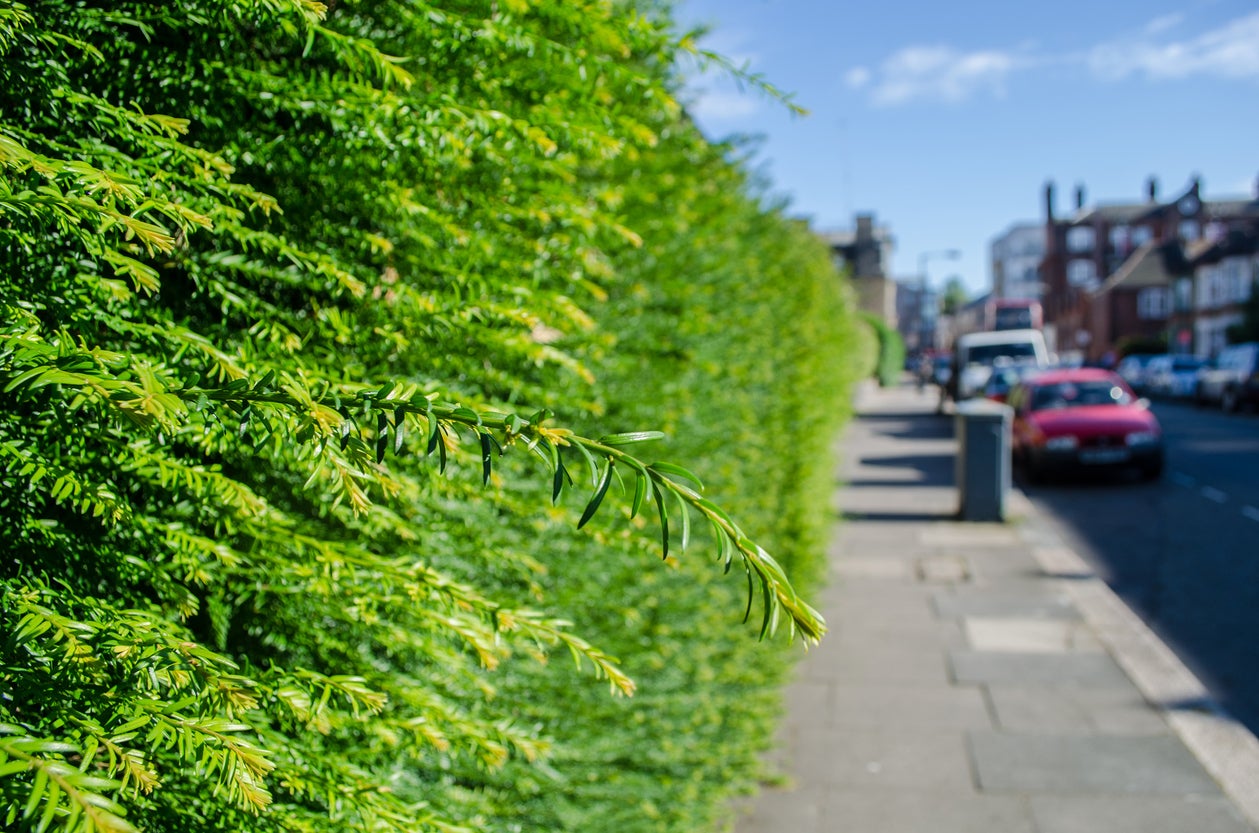
Credit: www.gardeningknowhow.com
Frequently Asked Questions
What Plant Absorbs The Most Sound?
Holly trees absorb the most sound due to their dense, glossy evergreen leaves. Tall evergreens like Arborvitae and Leyland Cypress also block noise effectively. Dense, layered plantings with broadleaf evergreens create the best natural sound barriers year-round.
What Landscape Absorbs Sound?
Dense, layered landscapes with tall evergreen trees like Arborvitae, Leyland Cypress, and Holly absorb sound effectively. Broadleaf evergreens and dense shrubs diffuse noise by scattering sound waves. Combining tall trees, medium shrubs, and groundcovers creates a natural, year-round noise barrier in outdoor spaces.
How To Block Out Neighbor Noise Outside?
Plant dense, tall evergreens like holly, arborvitae, or leyland cypress near the noise source. Layer shrubs and groundcovers to absorb sound. Use staggered plantings and add water features to mask noise effectively.
Do Plants Reduce Road Noise?
Plants reduce road noise by absorbing and scattering sound waves with dense, layered foliage. Evergreen trees and shrubs like Holly, Arborvitae, and Leyland Cypress offer year-round noise reduction. Combining tall trees, medium shrubs, and groundcovers creates an effective natural sound barrier near roads.
Conclusion
Choosing the right plants helps create a peaceful outdoor space. Tall evergreens like Holly and Leyland Cypress block noise well. Layering plants of different heights improves sound absorption. Dense leaves and thick branches scatter and soften loud sounds. Planting near busy roads or noisy areas brings calm to your yard.
These green barriers add beauty and quiet to Florida homes. Simple, natural solutions protect your space from unwanted noise. Start planting to enjoy a quieter, more relaxing environment today.