If you live in Florida, you know how relentless bugs can be, especially during warm months. But what if you could enjoy your yard or porch without constantly swatting mosquitoes and other pests?
The secret lies in the right plants. By choosing the best plants to keep bugs away in Florida, you can create a natural, beautiful barrier that protects you and your family. You’ll discover easy-to-grow, effective plants that not only enhance your garden but also keep those annoying bugs at bay.
Ready to transform your outdoor space into a bug-free haven? Let’s dive in!
Plants That Repel Florida Bugs
Florida’s warm climate invites many bugs into gardens and homes. Using natural plants to repel these pests is a smart choice. These plants emit scents or oils that bugs dislike. They help keep mosquitoes, flies, and other insects away without chemicals. Planting them around your yard or patio creates a bug-resistant zone. Here are some of the best plants to repel bugs in Florida.
Beautyberry Benefits
Beautyberry is native to Florida and easy to grow. Its bright purple berries attract birds but repel mosquitoes. The leaves release a scent that bugs avoid. It adds color and helps keep pests away naturally.
Citronella Uses
Citronella is famous for its mosquito-repelling scent. It grows well in Florida’s heat and humidity. Crush the leaves to release oils that drive bugs off. Many insect sprays include citronella oil because it works well.
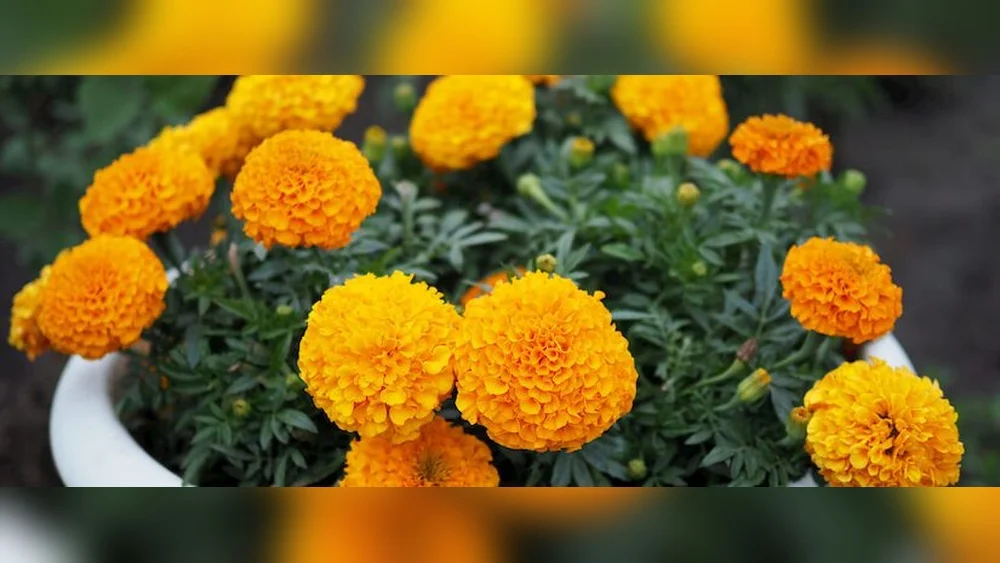
Marigold Varieties
Marigolds produce a strong smell that insects hate. They protect gardens from aphids, mosquitoes, and whiteflies. Plant marigolds near windows or entry points to reduce bugs inside. Their bright flowers also brighten outdoor spaces.
Lavender Appeal
Lavender smells great to people but not to bugs. It repels mosquitoes, moths, and flies effectively. Lavender also attracts pollinators like bees and butterflies. This plant adds beauty and pest control in one.
Lemon Balm Effects
Lemon balm has a fresh lemon scent that bugs avoid. It contains citronellal, a natural insect repellent. Growing lemon balm near seating areas helps keep mosquitoes away. It also can be used in teas and cooking.
Catnip Impact
Catnip is known for attracting cats but repelling insects. It works better than some commercial repellents against mosquitoes. Plant catnip in your garden or pots for a natural bug shield. It grows fast and spreads easily.
Basil Properties
Basil emits strong aromas that deter flies and mosquitoes. It thrives in Florida’s warm weather and full sun. Use fresh basil leaves in cooking and keep plants near doors. The scent helps keep bugs away from your home.
Peppermint Advantages
Peppermint contains menthol, which bugs dislike. It repels mosquitoes, ants, and spiders effectively. Plant peppermint in containers to control its spread. Crushing leaves releases a strong scent that keeps insects at bay.
Credit: www.reddit.com
Herbs Known For Bug Repellence
Herbs have long been used to keep bugs at bay. Their natural scents and oils repel many insects. Growing these herbs in Florida gardens helps reduce bug problems naturally. They are easy to grow and add beauty to your outdoor spaces.
Lemon Balm Compounds
Lemon balm releases citronellal, a strong bug repellent. This compound smells like lemon and drives insects away. Mosquitoes and flies dislike this scent and avoid the area. Plant lemon balm near patios or doorways for protection. It also attracts pollinators, supporting garden health.
Mint Family Effects
Mint plants produce menthol and other oils that bugs hate. Peppermint and spearmint are common types that repel mosquitoes and ants. Their fresh aroma confuses insects and masks human scents. Mint grows quickly and spreads, creating a natural bug barrier. Use pots to control its growth if needed.
Rue Characteristics
Rue has strong-smelling leaves that many bugs avoid. Its bitter scent keeps mosquitoes, flies, and even some beetles away. Rue is hardy and thrives in Florida’s warm climate. Handle with care, as its sap can irritate skin. Place rue near windows or outdoor seating areas for best effect.
Sage And Thyme
Sage and thyme contain oils that repel insects effectively. Burning sage leaves can clear mosquitoes from the air. Thyme’s aroma deters flies and moths around plants and homes. Both herbs are drought-tolerant and suit Florida gardens well. Harvest leaves for cooking while keeping bugs away.
Choosing Plants For Your Florida Garden
Choosing the right plants can keep bugs away naturally in Florida. Plants that repel insects help create a pleasant outdoor space. They reduce the need for chemical sprays. Many plants thrive well in Florida’s warm and humid climate. Some plants attract beneficial insects that eat pests. Understanding plant types and care improves garden success.
Good plant choices also support local wildlife and maintain garden health. Selecting plants suited to Florida’s soil and weather is key. This section explains important tips for picking and placing bug-repelling plants.
Native Vs Non-native Plants
Native plants come from Florida and adapt well to its conditions. They often resist pests better than non-native plants. Native plants support local birds and pollinators. Non-native plants may look attractive but need more care. Some non-native plants repel bugs effectively but can become invasive. Choose plants that fit your garden size and environment. Mixing native and non-native plants can work well if done carefully.
Plant Care Tips
Healthy plants repel bugs more strongly. Water plants deeply but avoid overwatering. Use mulch to keep soil moist and cool. Prune plants to improve air flow and remove dead parts. Fertilize with organic compost to boost growth. Check plants regularly for pests or diseases. Remove any infested leaves quickly to stop spread. Avoid chemical pesticides that harm helpful insects.
Plant Placement Strategies
Place bug-repelling plants near entry points like doors and patios. Group plants with similar water and sunlight needs together. Put taller plants behind shorter ones for better sunlight access. Use plants like citronella and marigolds around seating areas to reduce mosquitoes. Plant herbs like basil or mint near vegetable beds to protect crops. Avoid dense planting that traps moisture and invites pests.
Credit: www.excelpestservices.com
Comparing Natural And Chemical Repellents
Choosing between natural and chemical repellents depends on your needs and preferences. Both types protect against bugs but work differently. Natural repellents use plant extracts to keep insects away. Chemical repellents contain synthetic ingredients that block bug bites more effectively. Understanding their strengths helps you decide which suits Florida’s bug challenges best.
Deet Effectiveness
DEET is a popular chemical repellent known for strong protection. It repels mosquitoes, ticks, and other insects for hours. DEET works by blocking insect sensors that detect humans. Its long-lasting effect makes it reliable in high-bug areas like Florida. Users should apply DEET carefully because it can harm plastics and fabrics.
Picaridin Features
Picaridin matches DEET in bug protection but feels different on skin. It does not have a strong smell and feels less greasy. Picaridin does not damage plastics or gear, which is helpful outdoors. Many people prefer picaridin for its gentle properties and effectiveness. It is suitable for daily use and sensitive skin.
Oil Of Lemon Eucalyptus
Oil of lemon eucalyptus is a natural repellent derived from plants. It offers good protection against mosquitoes for several hours. This oil smells pleasant and is less harsh than chemical repellents. It is a popular choice for those seeking plant-based options. Note that it is not safe for children under three years old.
Plant-based Repellent Limitations
Plant-based repellents often need frequent reapplication. Their protection time is shorter than chemical options. Some bugs may not be fully repelled by natural extracts. Effectiveness can vary due to weather and bug species. Natural repellents suit light outdoor activities but may not work well in heavy bug areas.
Best Practices For Bug Control In Florida
Effective bug control in Florida requires a balanced approach. The state’s warm, humid climate encourages many insects to thrive. Combining natural and chemical methods helps protect your home and garden. Using plants that repel bugs alongside safe sprays keeps pests at bay. Adapting your methods by season improves results and reduces risk. Below are key practices to follow for better bug control in Florida.
Combining Plants And Sprays
Planting bug-repelling species like citronella, marigolds, and lavender creates a natural barrier. These plants emit scents that bugs dislike. Using insect-repellent sprays enhances protection, especially in high bug seasons. Choose sprays that are safe for the plants and pets. Apply sprays early in the morning or late in the evening. This timing helps avoid harming beneficial insects like bees. Combining plants with sprays reduces heavy chemical use and improves effectiveness.
Safety Tips For Use
Always follow label instructions on sprays to avoid health risks. Wear gloves and masks when applying chemical repellents. Keep sprays away from children and pets. Avoid spraying near food plants or water sources. Use plant-based repellents for a gentler approach. Test sprays on a small plant area to check for damage. Store products in a cool, dry place out of direct sunlight. Proper use ensures safety and protects your garden.
Seasonal Considerations
Florida’s bug populations peak in summer and early fall. Increase plant watering and spray frequency during these times. In cooler months, bugs are less active, so reduce spray use. Replace annual bug-repellent plants each year for best results. Prune plants regularly to keep them healthy and strong. Monitor your garden for signs of pest activity. Adjust your bug control plan as seasons change to maintain protection.
:max_bytes(150000):strip_icc()/citronella-grass-04bcdba3a2c8480fa216c021bde540af.jpg "Best Plants to Keep Bugs Away in Florida: Effective Natural Solutions 4")
Credit: www.realsimple.com
Popular Bug-repelling Products
Popular bug-repelling products offer easy ways to keep Florida’s insects at bay. These products use natural plants or safe ingredients to reduce mosquitoes and other pests. They work well in gardens, patios, and outdoor spaces. Many options suit different needs and preferences.
Top Citronella Plant Options
Citronella plants are famous for repelling mosquitoes. They release a citrus scent that bugs dislike. Many nurseries sell potted citronella plants ready to grow outdoors. These plants thrive in Florida’s warm climate and bright sunlight. Place them near doors, windows, or seating areas to help keep bugs away.
Popular citronella varieties include the standard citronella grass and the lemon-scented citronella plant. Both add greenery and a fresh scent to your space. These plants need regular watering and well-drained soil for best growth.
Mosquito Trio Plant Sets
Mosquito trio plant sets combine three types of bug-repelling plants. Common sets include citronella, lavender, and marigolds. Together, they create a stronger barrier against mosquitoes. These sets are easy to plant and maintain in pots or garden beds.
Each plant in the trio offers unique scents and colors. Lavender adds a pleasant aroma and purple flowers. Marigolds bring bright yellow or orange blooms that repel many insects. These sets work well in Florida’s gardens and patios.
Recommended Sprays And Lotions
Sprays and lotions provide quick, direct protection against mosquitoes. Many contain DEET, picaridin, or oil of lemon eucalyptus. DEET is very effective but can harm plastics. Picaridin works well and is less greasy. Oil of lemon eucalyptus is a natural, plant-based option.
Apply sprays or lotions before going outside to avoid bites. Many products are safe for children and adults. Choose formulas based on your skin type and outdoor activity. Using sprays with bug-repelling plants creates a strong defense against insects.
Frequently Asked Questions
What Plants In Florida Repel Bugs?
Plants that repel bugs in Florida include citronella, marigolds, lavender, lemon balm, catnip, basil, peppermint, and beautyberry. These plants emit scents that deter mosquitoes and other insects naturally.
What Plant Repels The Most Insects?
Citronella plants repel the most insects due to their strong scent. Marigolds, lavender, and mint also effectively deter bugs.
What Is The Best Bug Repellent For Florida?
The best bug repellents for Florida contain DEET, picaridin, or oil of lemon eucalyptus. These offer strong, long-lasting protection. Choose EPA-approved products for safety. Plant-based options like citronella provide limited effectiveness. Use repellents according to label instructions to ensure optimal results.
What Did Native Americans Use For Bug Repellent?
Native Americans used natural plants like cedar, sage, and sweetgrass as bug repellents. They burned or rubbed these herbs on skin to repel insects effectively.
Conclusion
Planting bug-repellent plants helps keep Florida’s pests away naturally. Choose varieties like citronella, marigolds, and basil for best results. These plants add beauty while protecting your outdoor space. They require little care and work well in Florida’s climate. Plant them around patios, gardens, or windows to reduce bugs.
Enjoy a more comfortable and pest-free environment this season. Nature offers simple, safe ways to manage insects effectively. Try these plants and notice fewer bugs in your home and yard.