If you want to create a vibrant garden that buzzes with life, choosing the best pollinator plants for Florida is the key. These plants don’t just add color and beauty—they attract bees, butterflies, and other pollinators essential for a healthy ecosystem.
Whether you have a small balcony or a sprawling backyard, planting the right flowers will help you support local wildlife and enjoy nature’s wonders up close. Ready to discover which plants thrive in Florida’s unique climate and bring pollinators straight to your doorstep?
Keep reading to learn how you can turn your outdoor space into a pollinator paradise.
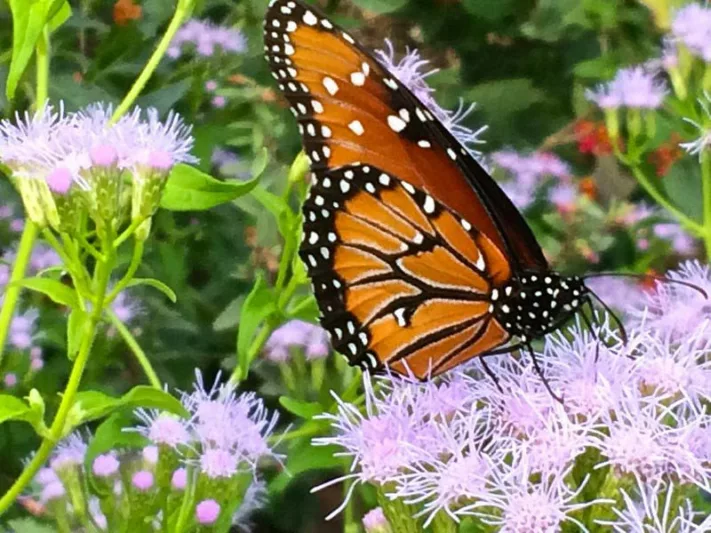
Credit: www.gardenia.net
Top Pollinator Plants For Florida
Florida’s warm climate supports many pollinators like bees, butterflies, and moths. Choosing the right plants helps these insects thrive. Native plants suit Florida’s environment best. They provide food and shelter for local pollinators all year.
Planting a variety of flowers and shrubs attracts different pollinator species. This diversity supports healthy ecosystems and vibrant gardens. Below are some top pollinator plants perfect for Florida’s unique conditions.
Native Bee Favorites
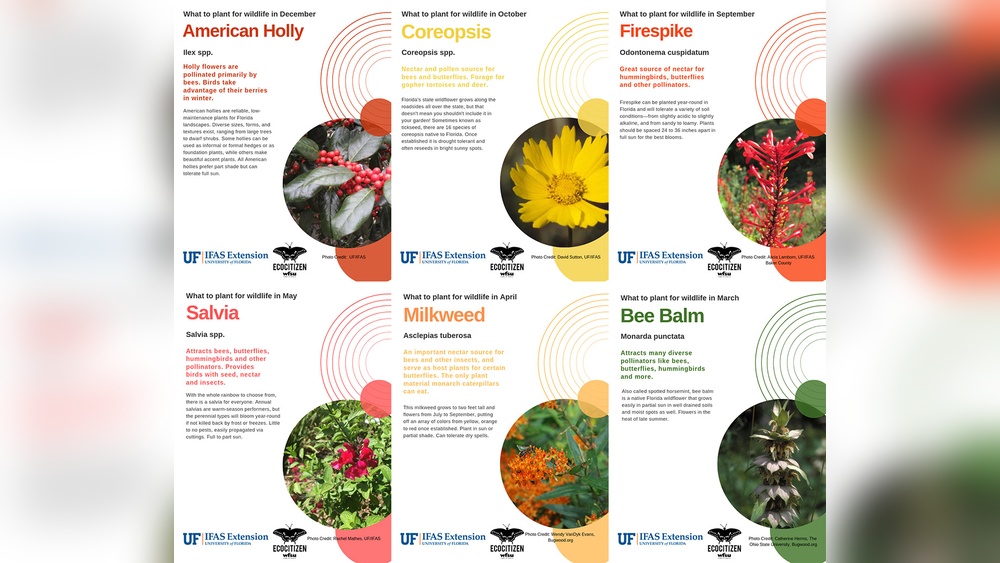
Native bees prefer plants that bloom in Florida’s seasons. Black-eyed Susan offers bright yellow flowers rich in pollen. False rosemary is drought-resistant and loved by many bee species. Coreopsis, Florida’s state wildflower, attracts native bees with its golden petals. These plants provide essential nectar and pollen sources to support native bee populations.
Butterfly Nectar Sources
Butterflies seek sweet nectar from colorful flowers. Blue Porterweed has clusters of blue flowers that butterflies favor. Lantana blooms in multiple colors and blooms nearly year-round. Firespike and Pentas also attract butterflies with their vibrant flowers. These plants add beauty and life to gardens while feeding butterflies.
Host Plants For Caterpillars
Caterpillars need specific plants to grow. Milkweed is vital for Monarch caterpillars. It provides food and a place for eggs. Passionflower supports Gulf Fritillary caterpillars. Simpson’s stopper hosts several butterfly species’ larvae. Planting these helps butterflies complete their life cycles and encourages their return each year.

Credit: www.floridanativeplants.com
Popular Pollinator Plant Varieties
Florida’s warm climate supports many pollinator plants that attract bees, butterflies, and hummingbirds. These plants provide nectar and pollen vital for pollinators’ survival. Choosing popular varieties ensures a vibrant and healthy garden. Each plant offers unique colors and blooms that thrive in Florida’s environment.
Milkweed Species
Milkweed is famous for supporting Monarch butterflies. It serves as a host plant where Monarch caterpillars feed and grow. Florida has several native milkweed species that bloom in spring and summer. These plants tolerate heat and dry conditions well. Planting milkweed helps conserve the Monarch population.
Coreopsis And Tickseed
Coreopsis, also called tickseed, is Florida’s official wildflower. It produces bright yellow flowers that bloom almost all year. Coreopsis attracts bees, butterflies, and other pollinators with its nectar. The plant grows well in sunny spots and poor soil. Its long bloom time makes it a garden favorite.
Blue Porterweed And Firespike
Blue Porterweed offers spikes of blue flowers that attract butterflies and hummingbirds. It grows well in Florida’s heat and humidity. Firespike produces red tubular flowers loved by hummingbirds. Both plants bloom over many months. Their bright colors add beauty and life to any garden.
Lantana And Pentas
Lantana is a tough plant with clusters of small, colorful flowers. It attracts butterflies and bees throughout the year. Pentas also draws pollinators with star-shaped blooms in pink, red, and white. These plants prefer full sun and well-drained soil. Their vibrant flowers brighten any outdoor space.
Butterfly Bush
Butterfly Bush produces fragrant flowers that attract many butterfly species. It blooms from summer to fall with purple, pink, or white flowers. This shrub adapts well to Florida’s climate. It provides nectar and shelter for pollinators. Butterfly Bush adds height and color to pollinator gardens.
Designing A Pollinator-friendly Garden
Creating a pollinator-friendly garden in Florida supports local bees, butterflies, and other helpful insects. Thoughtful design helps these pollinators thrive and keeps your garden lively. A well-planned garden provides food, shelter, and safety all year round.
Using the right plants and layouts can boost pollinator visits. Small changes in planting style make a big difference in attracting and keeping pollinators.
Planting In Groups
Plant flowers in clusters instead of single plants. Groups of the same species attract more pollinators. Large patches are easier for insects to find. This method saves their energy while they search for food. It also encourages longer visits and better pollination.
Providing Food For All Life Stages
Include plants that offer nectar and pollen for adult pollinators. Add host plants where caterpillars and larvae can grow. Different pollinators need food at each stage of life. A garden with varied plants supports their full life cycle. This approach helps increase pollinator populations and diversity.
Choosing Native Species
Native plants are best suited for Florida’s climate and soil. They provide the right food and shelter for local pollinators. These plants require less water and care than non-natives. Native species also resist pests and diseases better. Using native plants helps protect Florida’s natural ecosystems and promotes pollinator health.
Caring For Pollinator Plants In Florida
Pollinator plants in Florida need special care to thrive and support bees, butterflies, and other pollinators. The state’s hot climate and seasonal changes affect how these plants grow. Proper watering, pruning, and choosing the right plants help maintain a healthy pollinator garden. Careful attention ensures plants bloom longer and attract more pollinators.
Drought-resistant Options
Florida often faces dry spells. Drought-resistant plants use water efficiently. Examples include false rosemary and coreopsis. These plants survive with less water and stay healthy. Planting drought-resistant species reduces the need for frequent watering. It also supports pollinators during dry periods. Choose native plants adapted to Florida’s climate for best results.
Seasonal Maintenance Tips
Regular care keeps pollinator plants strong. Remove dead flowers to encourage new blooms. Trim plants lightly in early spring to shape them. Watch for pests and diseases and treat them quickly. Mulch around plants to keep soil moist and cool. Fertilize plants with natural compost to boost growth. Seasonal care improves plant health and supports pollinators year-round.
Managing Tropical Milkweed
Tropical milkweed is popular in Florida gardens. It attracts monarch butterflies but needs careful management. Cut back milkweed every fall to prevent disease. Remove old leaves and stems to stop pests. Avoid letting it grow wild to reduce butterfly parasites. Plant tropical milkweed in sunny spots with good drainage. This care helps keep monarch populations healthy and safe.
Benefits Of Pollinator Gardens
Pollinator gardens bring many benefits to Florida’s environment and gardeners. These gardens attract bees, butterflies, and other pollinators. They help maintain the balance of nature and support local ecosystems. Planting pollinator-friendly flowers improves your garden’s health and productivity. Here are some key benefits of pollinator gardens.
Supporting Local Wildlife
Pollinator gardens provide food and shelter for many insects and animals. Bees and butterflies rely on flowers for nectar and pollen. These gardens also support birds and small mammals. Creating habitats for pollinators helps preserve Florida’s native species. It encourages biodiversity and strengthens the local ecosystem.
Enhancing Garden Beauty
Pollinator plants add vibrant colors and textures to your garden. Flowers like Coreopsis, Milkweed, and Lantana bloom with bright, attractive hues. These plants attract fluttering butterflies and buzzing bees. Their presence brings life and movement to your outdoor space. A pollinator garden becomes a beautiful and lively area all year round.
Boosting Plant Health And Yield
Pollinators help plants reproduce by transferring pollen. This process increases fruit and seed production. Gardens with pollinator plants often have higher yields of vegetables and fruits. Healthy pollination results in stronger, more resilient plants. Pollinator gardens contribute to better harvests and a thriving garden.
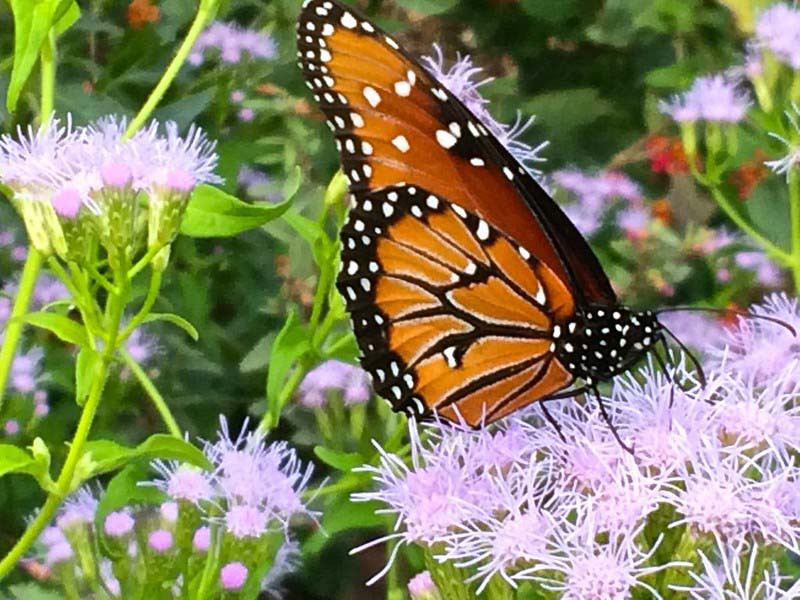
Credit: www.gardenia.net
Frequently Asked Questions
What Plants Attract Bees In Florida?
Plants that attract bees in Florida include lavender, white blooms, false rosemary, and milkweed. These thrive in Florida’s climate and provide ample nectar.
What Is Florida’s Official Wildflower?
Florida’s official wildflower is Coreopsis, also called “Tickseed. ” It blooms bright yellow and thrives in Florida’s climate.
What Is The Best Plant For Butterflies In Florida?
The best plants for butterflies in Florida include Milkweed, Blue Porterweed, Firespike, Lantana, Pentas, and Passionflower. These provide nectar and serve as host plants essential for butterfly life stages. Planting diverse, native species in groups supports thriving butterfly habitats effectively.
What Flowers Can Survive In The Heat In Florida?
Heat-tolerant flowers for Florida include Lantana, Pentas, Firebush, Blanket Flower, and Coreopsis. These thrive in hot, sunny conditions.
Conclusion
Choosing the best pollinator plants helps Florida’s gardens thrive. Native flowers like milkweed and coreopsis attract many bees and butterflies. Planting a variety of blooms supports different pollinators all year. Small gardens can make a big difference for local wildlife.
Keep soil healthy and water plants well for best growth. Watch your garden come alive with buzzing bees and colorful butterflies. Enjoy the beauty and benefits of a pollinator-friendly Florida garden.