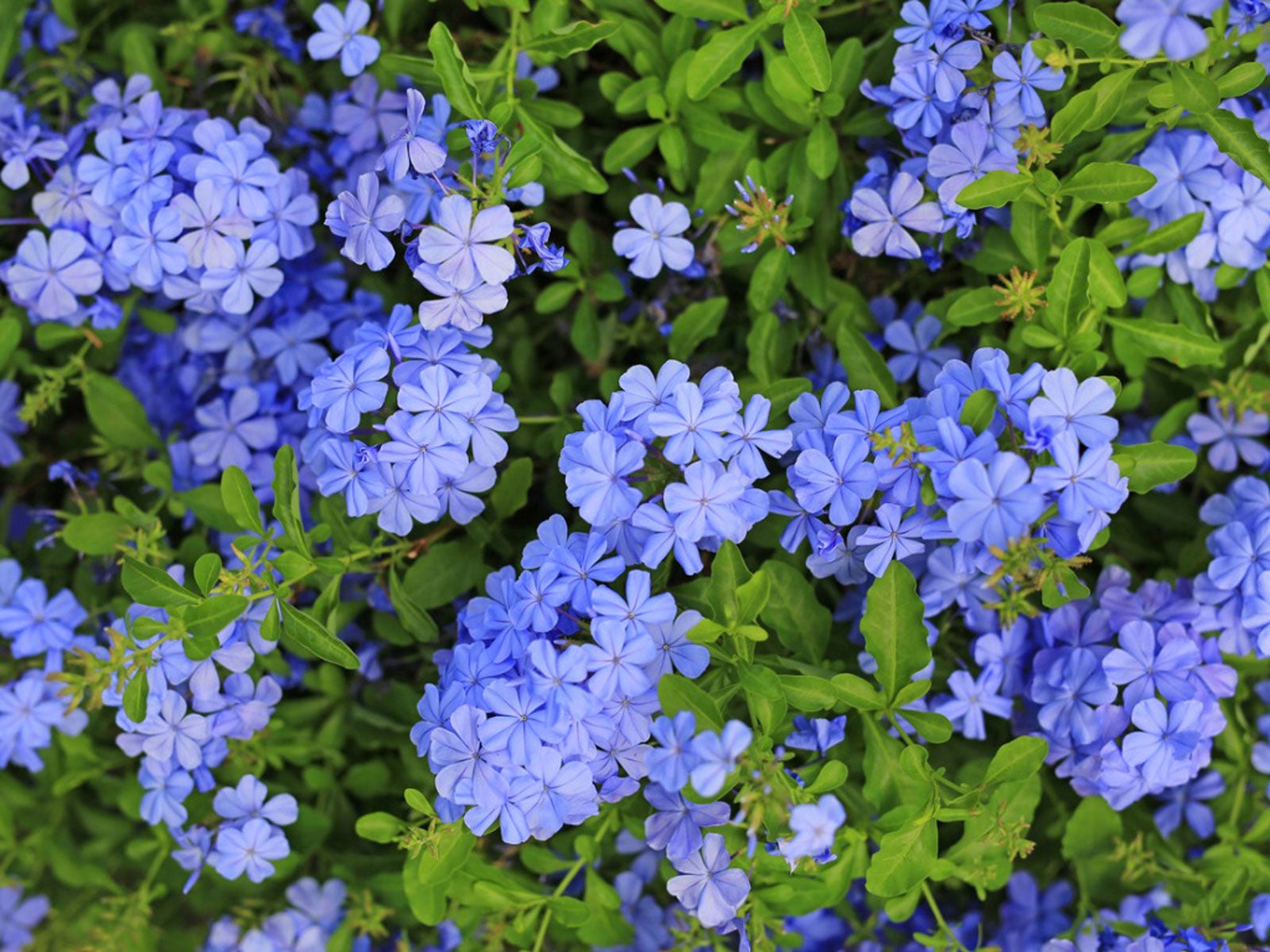
Are you ready to add a splash of vibrant blue to your Florida garden? Plumbago is a stunning choice that thrives in the Sunshine State, but timing is key to help it flourish.
Knowing the best time to plant plumbago can make all the difference in how quickly it establishes and blooms. Whether you want to create a lush ground cover or a striking shrub, planting at the right moment gives your plumbago the strong roots it needs to survive Florida’s heat and occasional chills.
Keep reading to discover exactly when and how to plant plumbago in Florida so you can enjoy its beautiful blooms year-round!
Planting Seasons In Florida
Florida’s warm climate allows gardeners to plant plumbago almost any time of the year. Choosing the right season helps the plant establish strong roots and grow healthy flowers. Understanding the benefits of each planting season ensures better growth and bloom performance. Here is a guide to planting seasons in Florida for plumbago.
Fall Planting Benefits
Fall is an excellent time to plant plumbago in Florida. Cooler temperatures reduce heat stress on new plants. The roots develop slowly over winter, becoming strong and deep. This makes plumbago more resilient when spring growth begins. Fall planting also works well for ground covers and flower beds. It allows the plant to settle in before warmer months arrive.
Spring Planting Advantages
Spring offers ideal growing conditions for plumbago. The soil warms up, encouraging quick root growth. Plants start developing leaves and flowers soon after planting. Spring planting takes advantage of longer daylight hours for better photosynthesis. This season is perfect for gardeners who want fast results. It also avoids the cold snaps that might still occur in winter.
Year-round Planting Possibility
Florida’s mild climate means plumbago can be planted throughout the year. Gardeners can choose any season based on their schedule. Year-round planting allows for continuous blooms and new plants. However, attention to watering and shade is important during hot summer months. Proper care helps plumbago survive and thrive regardless of the planting time.
Credit: www.gardeningknowhow.com
Preparing The Planting Site
Preparing the planting site is a key step for healthy plumbago growth in Florida. This process sets the foundation for strong roots and vibrant blooms. Careful attention to soil, sunlight, and planting depth improves the plant’s chance to thrive. Each factor supports the plumbago’s needs in Florida’s climate.
Soil Requirements
Plumbago grows best in well-draining soil. Sandy or loamy soil types work well in Florida. The soil should be rich in organic matter to support growth. Avoid heavy clay soils that hold too much water. Testing soil pH helps; plumbago prefers slightly acidic to neutral soil.
Sunlight Preferences
Plumbago needs full sun to part shade. At least four to six hours of direct sunlight daily is ideal. Morning sun with afternoon shade protects the plant from harsh heat. Choose a planting site that balances sun exposure for best flowering results. Too much shade reduces bloom production.
Proper Planting Depth
Dig a hole twice as wide as the root ball. The planting depth should match the root ball height. Planting too deep can cause stem rot. Set the plant gently, then backfill with soil. Firm the soil lightly around the base to remove air pockets.
Planting Techniques
Planting plumbago in Florida requires simple yet careful techniques. Proper planting helps the plant grow strong and healthy. Using the right methods improves root development and flower production. Follow these key steps for best results.
Spacing For Ground Cover
Space plumbago plants about 24 to 36 inches apart. This distance lets each plant spread without crowding neighbors. Proper spacing helps air flow and reduces disease risk. It also allows the plants to form a dense ground cover over time. Avoid planting too close to prevent weak growth.
Watering After Planting
Water plumbago deeply right after planting. Soak the soil to help roots settle. Keep the soil moist but not soggy for the first few weeks. Consistent watering encourages strong root growth. Reduce watering once the plant is established and can tolerate dry spells.
Handling Root Systems
Handle plumbago roots gently during planting. Avoid breaking or bending the roots. If roots are tightly bound, gently loosen them before planting. Proper root care helps the plant absorb nutrients better. Planting at the correct depth supports healthy root expansion.
Growth And Spread
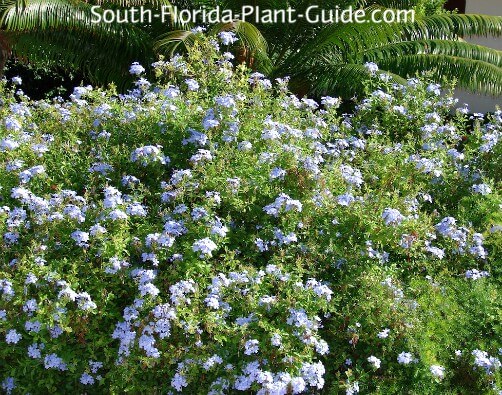
Understanding the growth and spread of plumbago is key to successful planting in Florida. This shrub grows vigorously under the right conditions. It adapts well to Florida’s climate and can quickly cover large areas. Proper knowledge helps maintain control and encourages healthy development.
Growth Rate Expectations
Plumbago grows at a moderate to fast pace in Florida. Expect noticeable growth within weeks of planting. The shrub can reach several feet tall in one growing season. Warm temperatures and adequate sunlight boost growth speed. Regular watering supports steady development.
Spread Through Rhizomes
Plumbago spreads mainly via underground rhizomes. These root structures extend horizontally beneath the soil. New shoots emerge from these rhizomes, creating dense clusters. This natural spreading helps plumbago cover ground efficiently. It also allows the plant to recover quickly from pruning or damage.
Managing Plant Expansion
Controlling plumbago spread prevents overcrowding in gardens. Regular trimming limits its size and keeps the shape neat. Installing root barriers can restrict rhizome growth. Dividing large clumps every few years reduces plant density. Proper management ensures healthy growth and landscape balance.
Winter Care Tips
Winter care is crucial for plumbago plants in Florida. The mild winters still bring cooler temperatures and occasional frost. Proper care helps plumbago stay healthy and bloom well in spring. Follow these winter care tips to protect your plants and encourage strong growth.
Overwintering Strategies
Plumbago plants need protection during cold spells. Move potted plumbagos indoors or to a sheltered spot. For plants in the ground, apply a thick layer of mulch around the base. Mulch helps keep roots warm and retains moisture. Avoid heavy watering in winter to prevent root rot. Check plants regularly for damage or dryness.
Protecting From Frost
Frost can harm plumbago leaves and stems. Cover plants with frost cloths or old blankets during cold nights. Do not use plastic directly on plants, as it can cause damage. Remove coverings during the day to allow sunlight and airflow. For young plants, consider temporary windbreaks to reduce frost exposure.
Pruning For Health
Prune plumbago in late winter before new growth starts. Remove dead or damaged branches to improve air circulation. Light pruning encourages bushier growth and more flowers. Use clean, sharp tools to prevent disease. Avoid heavy pruning in cold weather to reduce stress on the plant.

Credit: www.epicgardening.com
Troubleshooting Common Issues
Troubleshooting common issues with plumbago helps keep the plant healthy and blooming. Problems may arise from several factors. Identifying these early can save your garden. Understanding common issues allows better care and maintenance. Here are some typical problems gardeners face with plumbago in Florida.
Lack Of Blooming
Plumbago may fail to bloom due to too much shade. It needs full sun or partial shade for flowers. Over-fertilizing with nitrogen causes lush leaves but fewer blooms. Water stress, either too little or too much, also stops flowering. Regular pruning encourages new growth and more flowers. Check light, water, and fertilizer levels if blooms are sparse.
Pest And Disease Control
Plumbago attracts pests like aphids, whiteflies, and spider mites. These insects suck plant juices and weaken growth. Use insecticidal soap or neem oil for control. Powdery mildew and leaf spots can affect plumbago leaves. Keep plants spaced well for good air flow to prevent diseases. Remove infected leaves promptly to stop spread. Healthy plants resist pests and diseases better.
Soil And Water Problems
Plumbago prefers well-draining soil; soggy roots cause rot. Heavy clay or compacted soil traps water and harms roots. Amend soil with organic matter to improve drainage. Water deeply but allow soil to dry between watering. Mulch helps keep moisture steady and controls weeds. Avoid waterlogging to prevent root diseases. Good soil and watering habits keep plumbago thriving.
Credit: www.south-florida-plant-guide.com
Frequently Asked Questions
When To Plant Plumbago In Florida?
Plant plumbago in Florida during early spring or early fall. These seasons help roots establish before extreme heat or cold.
Can I Plant Plumbago In The Fall?
Yes, you can plant plumbago in fall. It allows roots to establish before winter, promoting strong spring growth. Choose a sunny spot and water well after planting.
Does Plumbago Spread Quickly?
Plumbago spreads moderately fast through stems and roots. It can quickly cover ground with proper care and favorable conditions.
How Long Does It Take For Plumbago To Grow?
Plumbago takes about 3 to 6 months to establish and start growing vigorously. Full bloom appears in the first or second year.
Conclusion
Planting plumbago in Florida works well in early spring or fall. These seasons help roots grow strong before hot or cold weather. The soil stays warm enough for good root development in fall. Water your plant well and choose a sunny spot.
Healthy roots mean vibrant blooms when spring arrives. Timing your planting right ensures a thriving plumbago garden. Enjoy the beautiful blue flowers all year round. Simple steps bring lasting beauty to your Florida landscape.