
If you want to create a vibrant garden that buzzes with life, choosing the best nectar plants for Florida is key. These plants don’t just add color and beauty—they attract hummingbirds, butterflies, and other pollinators that bring your garden to life.
Imagine watching hummingbirds dart from flower to flower or butterflies fluttering around your yard. With the right selection, you can turn your outdoor space into a natural paradise. You’ll discover easy-to-grow plants that thrive in Florida’s unique climate and offer rich nectar to keep these delightful visitors coming back.
Ready to transform your garden into a buzzing haven? Let’s dive into the best nectar plants perfect for your Florida garden!
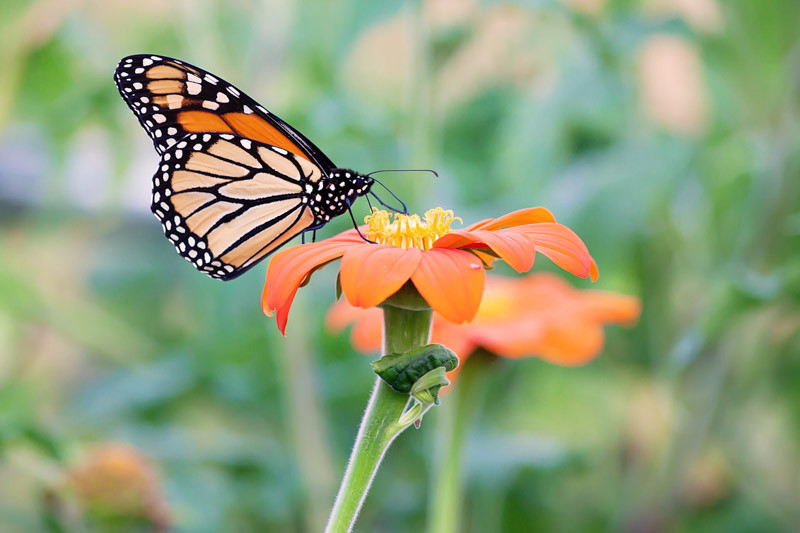
Credit: www.gardenia.net
Native Nectar Plants
Native nectar plants are vital for supporting Florida’s hummingbirds and butterflies. These plants have evolved in Florida’s climate and soil, making them easy to grow. They provide natural food sources that attract and sustain local pollinators. Native plants often need less water and care than exotic species. Planting them helps preserve Florida’s natural beauty and wildlife.
Firebush Features
Firebush has bright orange to scarlet tubular flowers. These flowers bloom almost year-round in Florida. Hummingbirds love the nectar from firebush flowers. The plant grows as a shrub and can reach 6 to 8 feet tall. It is drought-tolerant and thrives in sunny spots. Firebush also attracts butterflies and other pollinators to your garden.
Coral Honeysuckle Vines
Coral honeysuckle is a native vine with pink tubular flowers. It climbs fences, trellises, or trees easily. Hummingbirds are drawn to its bright flowers and sweet nectar. This vine blooms from spring through fall. It prefers partial shade but can also grow in full sun. Coral honeysuckle adds vertical interest and food for pollinators.
Cardinal Flower Benefits
Cardinal flower produces tall spikes of bright red flowers. It grows best in moist or wet areas like pond edges. Hummingbirds visit cardinal flowers for their rich nectar. This perennial plant blooms in summer and fall. Its striking color stands out in any garden. Cardinal flower also supports butterflies and bees.
Coral Bean Highlights
Coral bean is a shrub with bright red flowers and attractive seed pods. It can grow up to 10 feet tall, adding height to gardens. Hummingbirds love the tubular coral bean flowers. This plant tolerates dry, sandy soils common in Florida. Coral bean also provides shelter and food for native wildlife.
Popular Nectar Plants
Florida’s warm climate supports many nectar plants that attract hummingbirds and butterflies. These plants offer bright, tubular flowers full of nectar. They add color and life to any garden. Choose varieties that thrive in Florida’s heat and humidity. Here are some popular nectar plants to consider.
Salvia Varieties
Salvia plants come in many colors and sizes. They have tubular flowers perfect for hummingbirds. These plants are easy to grow and resist deer. Salvia blooms attract pollinators all season long. They fit well in both small and large gardens.
Trumpet Creeper Impact
Trumpet creeper is a vigorous vine with large, trumpet-shaped flowers. Its bright orange and red blooms draw hummingbirds from far away. This plant grows quickly and can cover fences or trellises. It adds height and vibrant color to gardens.
Lantana Toughness
Lantana is a hardy shrub that thrives in Florida’s heat. It produces clusters of small, tubular flowers in many colors. Hummingbirds and butterflies love its nectar. Lantana is drought-tolerant and attracts wildlife throughout the year.
Milkweed Appeal
Milkweed is famous for attracting butterflies and hummingbirds. Butterfly milkweed, with its bright orange flowers, stands out in any garden. It supports pollinators and provides food for caterpillars. Milkweed is a must-have for wildlife-friendly landscapes.
Pentas Attraction
Pentas plants have star-shaped flowers that bloom in clusters. They come in red, pink, and white shades. Hummingbirds find pentas irresistible. These plants grow well in sunny spots and bring constant color to your garden.
Bee Balm Versatility
Bee balm offers a wide range of flower colors, from red to pink and purple. Its tubular flowers attract hummingbirds and butterflies alike. Bee balm grows easily in Florida gardens and adds a splash of color. It also supports many pollinators.
Fuchsia Colors
Fuchsia plants display exotic, bell-shaped flowers. They come in red, white, and purple tones. Hummingbirds are drawn to their bright colors and nectar. Fuchsia prefers partial shade, making it perfect for diverse garden areas.
Plants For Hummingbirds
Hummingbirds are drawn to gardens with bright, nectar-rich flowers. They need plants that provide easy access to nectar. Choosing the right plants helps support these tiny birds throughout Florida’s seasons.
Plant a variety of flowers and shrubs to create a welcoming habitat. Nectar plants with specific colors and shapes attract hummingbirds better. Adding trees and shrubs offers shelter and height for feeding and resting.
Flower Colors That Attract
Hummingbirds prefer bright colors like red, orange, and pink. These colors stand out to them as signals of nectar. Flowers in these shades will bring more hummingbirds to your garden. Avoid dull colors, which hummingbirds often ignore.
Tubular Flower Shapes
Tubular flowers fit the hummingbird’s long beak perfectly. This shape holds nectar deep inside, attracting hummingbirds. Examples include firebush, coral honeysuckle, and cardinal flower. Tubular flowers are a must for hummingbird-friendly gardens.
Trees For Garden Height
Tall trees add height and safe perches for hummingbirds. Trees like Geiger, Bahama Strongbark, and Cinnamon Bark work well. They provide spots to rest and watch for predators. Plant these trees at the back of your garden for best effect.
Shrubs For Shelter
Shrubs offer cover and protection for hummingbirds. Dense shrubs help them hide from predators and harsh weather. Choose native shrubs like coral bean or lantana. These plants also produce nectar-rich flowers for feeding.
Butterfly-friendly Choices
Butterflies play a vital role in Florida’s garden ecosystems. Choosing the right nectar plants supports their life cycle and keeps them coming back. These plants offer essential food and habitat for butterflies. They also add color and life to your garden.
Planting butterfly-friendly species helps sustain local butterfly populations. It creates a welcoming space for these delicate pollinators.
Milkweed Benefits
Milkweed is crucial for many butterfly species in Florida. Monarch butterflies lay their eggs on milkweed leaves. The caterpillars feed only on milkweed, making it essential for their survival.
Besides supporting caterpillars, milkweed flowers produce nectar. This nectar attracts adult butterflies and other pollinators. Planting milkweed helps boost butterfly numbers and garden health.
Lantana And Butterflies
Lantana is a tough plant with clusters of small, bright flowers. Its blooms come in colors like red, orange, yellow, and pink. Butterflies love lantana’s nectar-rich flowers.
Lantana blooms almost year-round in Florida. This makes it a reliable nectar source during many seasons. The plant also tolerates heat and drought well, perfect for Florida gardens.
Coral Bean Role
Coral bean is a native Florida plant with striking red flowers. These flowers produce abundant nectar that attracts butterflies and hummingbirds. The plant also grows tall, adding structure to your garden.
Coral bean supports butterflies by providing a food source and shelter. Its presence encourages diverse pollinators to visit your garden regularly.
Deer-resistant Options
Deer can be a big challenge for gardeners in Florida. They often nibble on flowers and plants, making it hard to keep nectar plants healthy. Choosing deer-resistant nectar plants helps protect your garden. These plants attract hummingbirds and butterflies while staying safe from deer damage.
Salvia Resistance
Salvia plants are popular in Florida gardens. They have bright, tubular flowers that attract hummingbirds. Many salvia varieties are deer-resistant. Their strong scent and tough leaves make deer avoid them. Salvia also thrives in Florida’s warm climate. It blooms for a long time, providing nectar throughout the season.
Examples include Salvia greggii and Salvia coccinea. Both have red or purple flowers that stand out. These plants need well-drained soil and regular sun. Salvia is easy to grow and maintain. It adds color and life without feeding deer.
Other Resistant Plants
Besides salvia, several other plants resist deer well. Lantana is a good choice. It produces many small flowers in clusters. Its scent and texture keep deer away. Lantana attracts butterflies and hummingbirds, adding movement to your garden.
Coral honeysuckle is another strong option. This vine has pink, tubular flowers loved by hummingbirds. Deer rarely eat it because of its rough leaves. Coral honeysuckle grows quickly and can cover fences or trellises.
Bee balm is also deer-resistant. It has bright red, pink, or purple flowers. Bee balm attracts many pollinators and stands out in any garden. It prefers moist soil and plenty of sunlight.
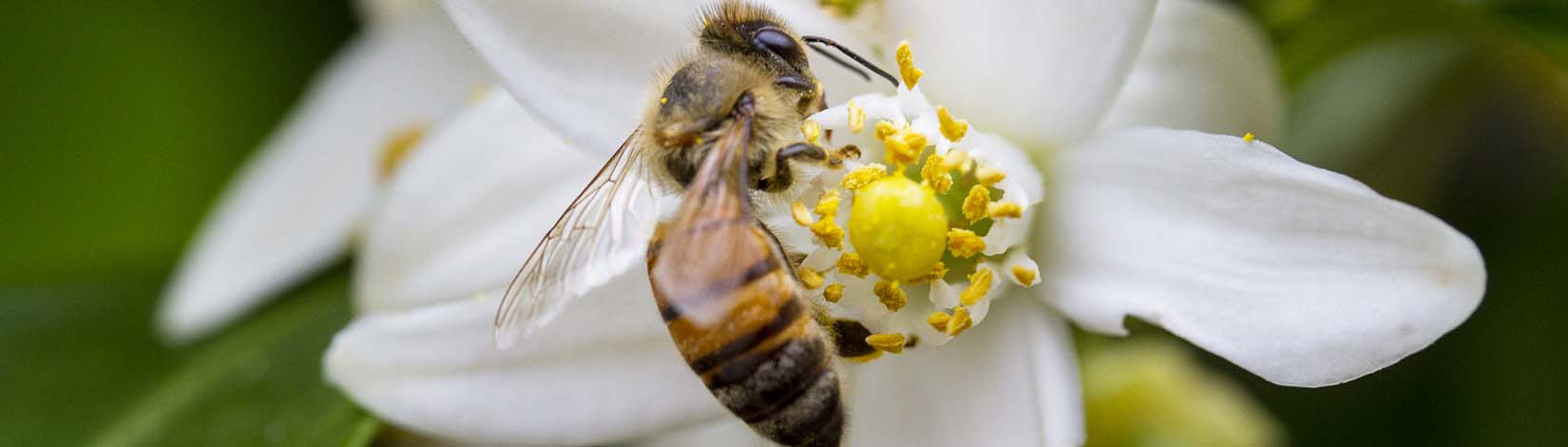
Credit: sfyl.ifas.ufl.edu
Garden Design Tips
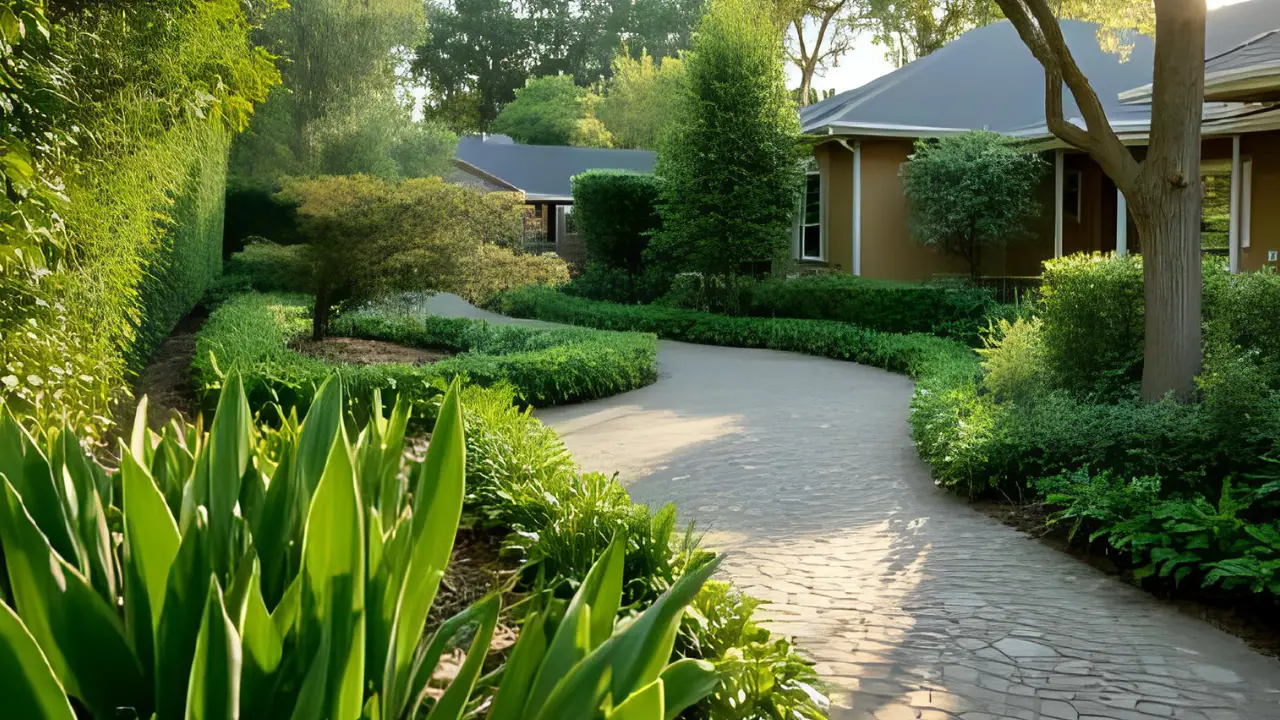
Designing a garden with the best nectar plants for Florida brings life and color. Thoughtful planning helps attract hummingbirds and butterflies. Use garden design tips to make your space both beautiful and inviting. Focus on plant visibility, color harmony, and garden structure. These elements create a lively and balanced garden scene.
Plant Placement For Visibility
Place tall nectar plants at the back of your garden beds. Shorter plants should go in front. This setup lets each flower show its colors clearly. Group similar plants to form bright patches. Hummingbirds spot these patches easily. Avoid overcrowding to keep flowers accessible to pollinators. Open spaces between plants help birds and butterflies move freely.
Combining Colors
Use colors that attract hummingbirds, such as red, orange, and pink. Mix these with purple and yellow for contrast. Bright, warm colors stand out in the Florida sun. Combine different flower shapes for added interest. Tubular flowers are favorites for nectar feeders. Color mixing draws more pollinators to your garden.
Creating Layers
Layer plants by height and bloom time. Start with trees or tall shrubs in the back. Medium-height plants go in the middle. Low-growing flowers fill the front space. This layering creates depth and texture. It also offers nectar all season long. Different heights provide places for birds to perch and rest.

Credit: xerces.org
Frequently Asked Questions
What Plant Attracts Hummingbirds In Florida?
Firebush, coral honeysuckle, and cardinal flower attract hummingbirds in Florida. Salvia, trumpet creeper, lantana, and coral bean also draw them. Bright, tubular red, orange, or pink flowers work best. These native plants provide nectar and shelter, making Florida gardens hummingbird-friendly.
What Grows Well In Florida Heat?
Florida heat favors heat-tolerant plants like firebush, coral honeysuckle, cardinal flower, salvia, trumpet creeper, lantana, and milkweed. These plants attract hummingbirds and butterflies while thriving in hot, sunny conditions. Choose native and drought-resistant varieties for best growth and garden success.
What Plants Attract Bees In Florida?
In Florida, bees are attracted to native plants like firebush, milkweed, bee balm, and wildflowers such as goldenrod and coreopsis. These plants provide abundant nectar and pollen, supporting healthy bee populations throughout the year.
What Are The Host Plants For Butterflies In Florida?
Common host plants for Florida butterflies include milkweed, passion vine, wild lime, lantana, and pipevine. These plants support caterpillar growth and butterfly development.
Conclusion
Choosing the best nectar plants helps support Florida’s hummingbirds and butterflies. Plants like firebush, coral honeysuckle, and cardinal flower offer bright, tubular blooms. These flowers provide easy access to nectar for pollinators. Adding native plants makes gardens healthier and more inviting.
Salvia, trumpet creeper, and lantana also attract many winged visitors. A mix of these plants creates a colorful, lively garden space. Enjoy watching hummingbirds and butterflies visit your yard all year round. Simple steps bring nature closer and help local wildlife thrive.