If you’re dreaming of vibrant, lush hydrangeas brightening your Texas garden, timing is everything. Knowing the best time to plant hydrangeas in Texas can make all the difference between a thriving bloom and a struggling shrub.
Whether you’re in Austin or elsewhere in the Lone Star State, planting at the right moment helps your hydrangeas develop strong roots and withstand Texas’s unique climate challenges. Ready to discover when to dig in and how to give your hydrangeas the best start?
Keep reading to unlock the secrets that will have your garden flourishing season after season.
:max_bytes(150000):strip_icc()/plant-Hydrangeas-by-zone-GettyImages-598537830-65f9e7ec917243afb5aed18859ae9a1d.jpg "Best Time to Plant Hydrangeas in Texas: Ultimate Seasonal Guide 2")
Credit: www.realsimple.com
Best Seasons For Planting
Choosing the right season to plant hydrangeas in Texas is key to their success. The climate here can be tough with hot summers and chilly winters. Planting in the best seasons helps hydrangeas grow strong roots and healthy blooms. The two best times are spring and fall. Both offer mild weather that supports new plants well.
Spring Planting After Frost
Plant hydrangeas after the last frost date in spring. This ensures young plants avoid cold damage. Spring planting gives hydrangeas a full growing season to settle into the soil. The weather is warming, but not too hot yet. This period helps roots develop before summer’s heat arrives. Water plants deeply and keep soil moist. Choose early morning or late afternoon for planting to reduce stress.
Fall Planting Before Freeze
Fall is another excellent time to plant hydrangeas in Texas. Aim to plant before the first hard freeze. Fall soil stays warm from summer, encouraging root growth. Hydrangeas use the cooler months to build strong roots. This growth prepares them to bloom beautifully the next spring. Water well after planting and keep soil damp. Planting in early morning or late afternoon protects plants from harsh sun.

Credit: thistlewoodfarms.com
Timing And Daily Schedule
Choosing the right timing and daily schedule plays a key role in planting hydrangeas successfully in Texas. The state’s hot climate demands careful planning to protect young plants. Planting at the correct time of day helps reduce stress and supports healthy growth.
Hydrangeas do best when planted during cooler parts of the day. Avoiding the peak heat hours keeps the roots safe and improves chances of survival. This simple step can make a big difference in your garden’s success.
Early Morning And Late Afternoon Planting
Early morning is the best time to plant hydrangeas in Texas. The air is cooler, and the soil still holds moisture from the night. This helps roots settle quickly and reduces water loss.
Late afternoon is the second-best option. The sun begins to lower, and temperatures drop. This gives the plant time to adjust before the cooler night arrives.
Planting during these hours limits direct sun exposure. It prevents leaves from wilting and reduces heat damage. Hydrangeas can then focus energy on root growth instead of stress.
Avoiding Heat Stress
Texas summers bring intense heat that can harm new hydrangea plants. Planting during midday exposes them to harsh sunlight and dry air. This causes leaves to burn and roots to dry out.
Heat stress weakens plants and slows root development. Avoid planting between 10 a.m. and 4 p.m. when the sun is strongest. Instead, choose cooler hours to give your hydrangeas the best start.
Keep soil moist after planting to help roots recover. Mulching also helps keep soil temperature stable and retains moisture. These steps protect hydrangeas from heat stress and support healthy growth.
Soil Preparation
Preparing the soil is a key step before planting hydrangeas in Texas. Good soil helps the plants grow strong roots and healthy flowers. Take time to improve the soil for the best results. Focus on soil drainage and adding organic matter for a perfect planting spot.
Well-drained Soil
Hydrangeas do not like standing water. Soil must drain well to avoid root rot. Sandy or loamy soil usually drains better than clay soil. You can test drainage by digging a hole and filling it with water. If water drains within a few hours, the soil is good. If water stays too long, consider raising the bed or mixing in materials to improve drainage.
Adding Organic Matter
Organic matter improves soil texture and provides nutrients. Compost, aged manure, or leaf mold are great choices. Mix organic matter into the top 6 to 8 inches of soil. This helps the soil hold moisture but still drain well. Organic matter feeds the hydrangeas and supports healthy root growth. Regularly adding organic matter keeps the soil rich and plants happy.
Watering Guidelines
Watering hydrangeas correctly helps them thrive in Texas’ climate. Proper watering supports root growth and healthy blooms. Both new and established plants have different water needs. Understanding the best time and method for watering can improve plant health and save water.
Watering New Plants
Newly planted hydrangeas need frequent watering. Keep the soil moist but not soaked. Water every day for the first two weeks. After that, water every other day for the next month. This helps roots settle and grow strong. Avoid letting the soil dry out completely. Mulch around the base to keep moisture in.
Watering Established Plants
Established hydrangeas need less frequent watering. Water deeply once or twice a week. Check the soil moisture before watering. If the soil feels dry two inches deep, water the plant. Deep watering encourages roots to grow deeper. This makes plants more drought-resistant. Reduce watering during cooler months to prevent root rot.
Best Time And Method To Water
Water hydrangeas early in the morning. This reduces water loss through evaporation. Avoid watering in the heat of the day. Use a slow, steady flow of water. Soaker hoses or drip irrigation work best. They deliver water directly to the roots. Avoid wetting the leaves to prevent diseases. Watering deeply and less often is better than frequent shallow watering.
Sunlight And Location
Hydrangeas need the right sunlight and location to thrive in Texas. Choosing the perfect spot helps them grow healthy and bloom beautifully. Texas heat can be intense, so understanding light needs is key to success.
Hydrangeas do best with some sun but also need protection from harsh afternoon rays. The right balance of light keeps leaves green and flowers vibrant.
Providing Afternoon Shade
Hydrangeas benefit from shade during the hottest part of the day. Afternoon sun in Texas can burn leaves and dry out the soil fast. Plant hydrangeas where tall trees or buildings block the afternoon sun. This keeps the plant cooler and reduces stress.
Ideal Morning Sun Exposure
Morning sun is gentle and perfect for hydrangeas. It helps the plant wake up and dry off dew. Place hydrangeas where they get bright morning light. This encourages strong growth and lively blooms without the risk of heat damage.
Choosing The Right Spot
Look for a location with well-drained soil and good air flow. Avoid low spots where water collects. A spot near a fence or under a tree edge is often ideal. Make sure the plant gets morning sun and afternoon shade for the best results.
Mulching Benefits
Mulching offers key benefits for hydrangeas in Texas. It helps protect roots and improves soil health. This simple step supports plant growth and resilience.
Moisture Retention
Mulch keeps soil moist by reducing water evaporation. Hydrangeas need steady moisture, especially in Texas heat. Mulching lowers water loss, so plants stay hydrated longer. It also reduces the need for frequent watering.
Soil Temperature Regulation
Mulch acts as a natural insulator for the soil. It keeps soil cooler in hot Texas summers and warmer during chilly nights. Stable soil temperature helps hydrangea roots grow well. This reduces stress and promotes healthier plants.
Hydrangea Varieties For Texas
Texas offers a warm climate that suits many hydrangea types. Choosing the right variety helps these plants thrive in local conditions. Some hydrangeas do better in Texas heat and soil than others. Knowing which types grow well leads to a more beautiful garden.
Hydrangeas add color and texture to any landscape. They vary in flower shape, size, and growing needs. Here are some common varieties that do well in Texas gardens.
Big Leaf Hydrangeas
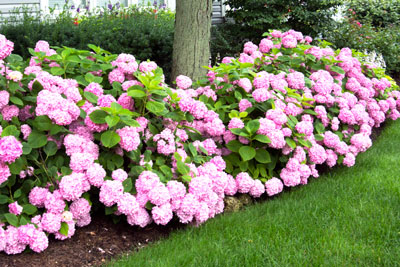
Big Leaf Hydrangeas are popular for their large, round flower heads. These plants prefer partial shade and moist soil. They bloom best in spring and summer. In Texas, they need some protection from the hot afternoon sun. Regular watering helps keep their leaves healthy and vibrant.
Panicle Hydrangeas
Panicle Hydrangeas are very tolerant of heat and sun. They produce cone-shaped flower clusters in white or pink. These shrubs grow well in full sun to part shade. Panicle types handle Texas summers better than many other hydrangeas. They bloom from mid to late summer, adding long-lasting color.
Smooth And Oak Leaf Hydrangeas
Smooth Hydrangeas are low-maintenance and adapt well to Texas soil. They have white flower clusters that bloom in summer. Oak Leaf Hydrangeas feature unique leaves with a lobed shape. Their flowers appear in mid-summer and turn rusty red in fall. Both types tolerate heat and drought once established.
Credit: neilsperry.com
Dealing With Texas Climate
Texas weather can challenge hydrangea growth. Hot summers and occasional cold snaps need attention. Proper care helps hydrangeas thrive in this climate. Timing and protection are key to success.
Heat Management
Texas summers bring strong sun and high temperatures. Hydrangeas prefer morning sun and afternoon shade. Plant them where they get filtered light in afternoons. Mulch around the base to keep roots cool. Water deeply and regularly during dry spells. Avoid watering leaves to prevent disease. Using shade cloth helps during extreme heat.
Cold Weather Protection
Texas winters can be unpredictable and sometimes harsh. Protect hydrangeas from frost by covering them with cloth or burlap. Avoid plastic covers that trap moisture and cause damage. Apply a thick layer of mulch around roots to insulate the soil. Prune only after the danger of frost passes. This reduces stress and encourages healthy growth in spring.
Frequently Asked Questions
What Month To Plant Hydrangeas In Texas?
Plant hydrangeas in Texas during early spring after the last frost or in fall before the first frost. These seasons help roots establish before extreme heat or cold.
How To Keep Hydrangeas Alive In Texas?
Plant hydrangeas in well-drained soil with morning sun and afternoon shade. Water deeply and consistently. Mulch to retain moisture.
Is It Okay To Plant Hydrangeas In October?
Plant hydrangeas in October before the first hard freeze. The warm soil helps root growth, ensuring strong plants for winter.
What Is The 1 3 Rule For Hydrangeas?
The 1-3 rule for hydrangeas means pruning one-third of the oldest stems each year to encourage healthy growth and blooms.
Conclusion
Plant hydrangeas in Texas during early spring or fall. These seasons offer mild temperatures for root growth. Avoid planting in the hottest part of the day. Choose well-drained soil rich in organic matter. Water deeply after planting and keep soil moist.
Healthy roots help hydrangeas bloom beautifully. Follow these simple steps for success. Enjoy vibrant hydrangeas in your Texas garden year after year.