If you’re dreaming of a vibrant rose garden that thrives under the Texas sun, knowing the best time to plant your roses is key to success. Planting at the right moment can make all the difference between struggling blooms and a flourishing display that brightens your yard for months.
Whether you live in Austin, Houston, or anywhere in Texas, this guide will help you choose the perfect planting window tailored to Texas’ unique climate. Keep reading to discover when and how to plant your roses so you can enjoy stunning, healthy flowers all season long.
Your garden deserves the best start—let’s make sure your roses get it.
Best Rose Varieties For Texas
Choosing the best rose varieties for Texas gardens ensures success and beauty. Texas heat, humidity, and soil require roses that thrive under these conditions. Many roses handle heat well, resist diseases, and need little care. These qualities make gardening easier and more rewarding in Texas.
Heat-tolerant Earth-kind® Roses
Earth-Kind® roses come from Texas A&M research. They use less water and need fewer chemicals. These roses bloom well in hot, dry Texas weather. Popular types include ‘Belinda’s Dream’ and ‘Julia Child.’ They suit gardeners who want eco-friendly, tough roses.
Disease-resistant Knock Out Roses
Knock Out roses resist common diseases like black spot and powdery mildew. They bloom nonstop from spring to fall. These roses grow well in Texas heat and need little pruning. Colors range from red to pink and yellow. Great for low-maintenance gardens.
Low-maintenance Drift Roses
Drift roses are groundcover types that spread wide and bloom often. They handle Texas sun and heat without stress. These roses need little watering and stay healthy with minimal care. Ideal for covering large areas or borders.
Sunbelt Series Roses For Hot Climates
Sunbelt series roses were bred for southern heat and humidity. They show strong resistance to heat and diseases. Roses like ‘Sunbelt Savannah’ offer salmon-colored blooms. Perfect for gardeners wanting colorful roses in tough climates.
Fragrant David Austin Roses
David Austin roses are famous for scent and beauty. Some varieties suit Texas gardens well. Roses like ‘The Poet’s Wife’ and ‘Evelyn’ combine fragrance with heat tolerance. These roses bring elegance and charm to Texas landscapes.
Other Popular Varieties
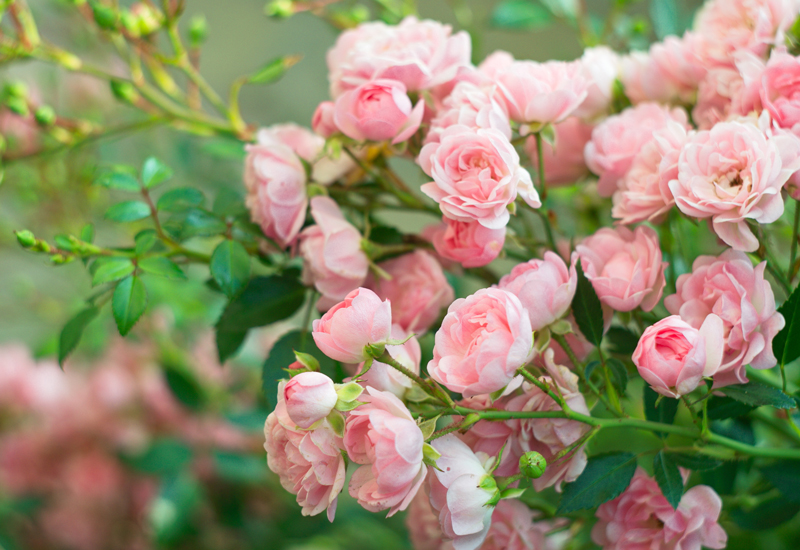
Climbing roses such as ‘Peggy Martin’ and ‘New Dawn’ do well in Texas heat. ‘Bolero’ is a Floribunda rose with strong blooms and color. These choices add variety and unique shapes to your garden. Select roses that match your style and garden space.
Credit: bigtex.com
Ideal Planting Seasons In Texas
Texas offers unique conditions for growing roses. Choosing the right time to plant helps roses thrive. Understanding the ideal planting seasons ensures healthy and vibrant blooms. Timing depends on the type of rose and local climate.
Bare Root Roses: November To April
Bare root roses do best when planted from November to April. The cooler months help roots establish before hot weather arrives. Planting during this time reduces stress and promotes strong growth. The soil is easier to work with and stays moist longer.
Start early in the season for the best results. Avoid planting too late to prevent heat shock. Bare root roses need time to settle before summer heat. This window suits most parts of Texas, including Austin and surrounding areas.
Potted Roses: Year-round Planting
Potted roses offer more flexibility and can be planted anytime. They arrive with roots already protected in soil. This allows gardeners to plant in spring, summer, fall, or winter.
Choose a planting day without extreme weather. Water regularly and provide shade in hot months. Potted roses adapt well to Texas heat if cared for properly. Year-round planting suits gardeners who want immediate color and blooms.
Avoiding Frozen Ground
Frozen ground can harm rose roots and slow growth. In Texas, freezing happens mainly in northern and western areas. Avoid planting during freezing conditions to protect the plants.
Check local weather forecasts before planting. Wait until the soil thaws and warms up. This helps roots spread easily and absorb water. Proper timing avoids damage and encourages a strong rose garden.
Soil Preparation Tips
Preparing the soil properly is essential for healthy rose growth in Texas. Roses need soil that supports strong roots and good water flow. This helps the plants absorb nutrients better and stay healthy under Texas heat. Proper soil preparation makes a big difference in rose planting success.
Choosing The Right Soil
Roses grow best in well-drained, loamy soil. Sandy clay soils can work if mixed well with organic matter. Avoid heavy clay or very sandy soils alone. Test your soil to know its texture and pH level. Roses prefer slightly acidic soil with a pH between 6.0 and 6.5. Adjust the soil if needed before planting your roses.
Amending For Drainage And Nutrition
Good drainage stops water from pooling around rose roots. Add compost, aged manure, or peat moss to improve soil texture. These materials help soil hold moisture but drain extra water. Mix in slow-release fertilizer to supply nutrients over time. Healthy soil feeds roses and helps them fight pests and diseases.

Credit: www.vibrantrainbowgardens.com
Planting Techniques
Planting roses correctly in Texas is key for strong growth and beautiful blooms. Proper techniques help roses adapt to the local climate. These steps set the foundation for healthy plants that thrive through Texas heat and humidity.
Focus on correct spacing, planting depth, and watering to ensure good root development. These practices reduce stress and boost rose survival rates. Follow these simple guidelines to plant roses successfully in your Texas garden.
Spacing And Depth Guidelines
Plant roses with enough space for air to flow. Space them at least 2 to 3 feet apart. Good spacing lowers disease risk by keeping leaves dry.
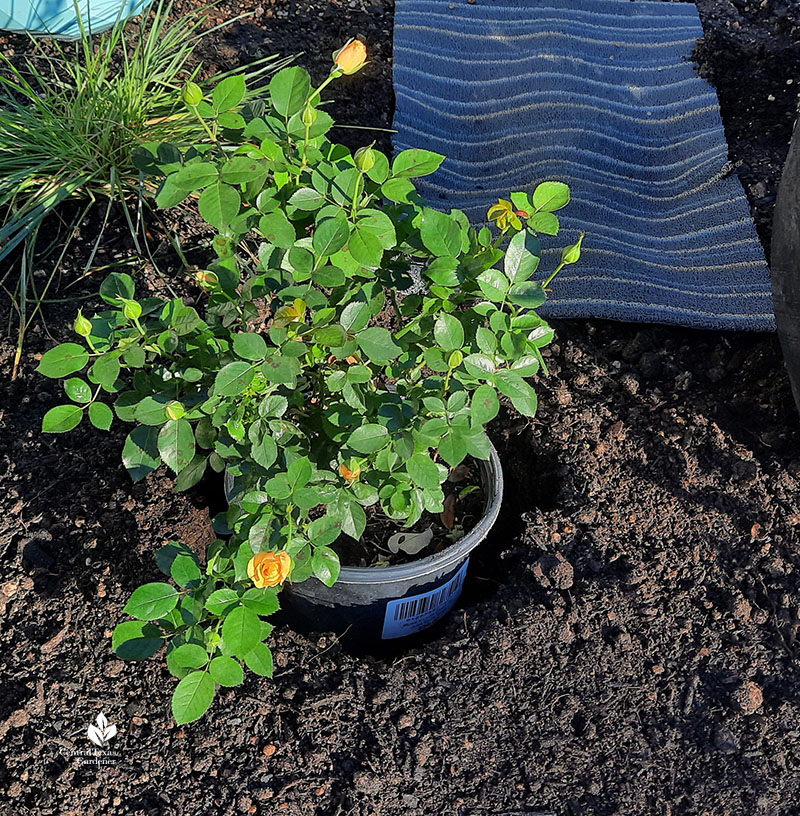
Dig a hole twice as wide as the root ball. Plant the rose so the graft union sits about 1 inch below soil level. This protects the rose from Texas sun and cold snaps.
Watering After Planting
Water the rose deeply right after planting. This helps settle the soil and removes air pockets. Keep soil moist but not soggy for the first few weeks.
Check soil daily in hot weather. Water when the top inch feels dry. Proper watering supports root growth and reduces transplant shock.
Sunlight And Location
Choosing the right sunlight and location is key for growing healthy roses in Texas. Roses need enough light to produce bright and colorful blooms. The Texas sun can be strong, so placing roses where they get just the right amount of sun helps them thrive.
Good location also protects roses from harsh weather. Picking the best spot supports strong growth and long-lasting flowers. Understanding how sunlight affects your roses can improve your garden’s beauty and health.
Best Exposure For Vibrant Blooms
Roses in Texas do best with full morning sun. Aim for at least six hours of sun daily. Morning sun warms the plant and dries dew, reducing disease risk. East or southeast-facing spots usually work well.
Too little sun causes weak stems and fewer flowers. Avoid shady areas near tall trees or buildings. Proper sun exposure helps roses build strong roots and vibrant blooms.
Protecting From Harsh Afternoon Sun
The Texas afternoon sun can be very hot and dry. This harsh light may stress roses and cause leaf burn. Plant roses where afternoon sun is filtered or shaded.
Using shade cloth or planting near taller shrubs can shield roses. This protection keeps soil moist and reduces water loss. A balanced light environment keeps roses healthy and blooming longer.
Watering And Maintenance
Proper watering and maintenance help roses thrive in Texas’ hot climate. Roses need consistent moisture without waterlogging. Regular care keeps plants healthy and blooming longer. Understanding local conditions improves rose care success.
Irrigation Schedules For Texas Heat
Texas heat demands frequent watering for roses. Water deeply two to three times per week. Early morning watering reduces evaporation loss. Avoid wetting leaves to prevent diseases. Adjust schedules during rainy periods. Use drip irrigation to target roots efficiently. Consistent moisture supports strong roots and vibrant blooms.
Mulching For Moisture Retention
Mulching conserves soil moisture and reduces temperature swings. Apply 2 to 3 inches of organic mulch around roses. Keep mulch a few inches away from stems. Mulch helps control weeds that compete for water. It also improves soil health as it breaks down. Mulching reduces the need for frequent watering in Texas heat.
Pest And Disease Control
Controlling pests and diseases is vital for healthy roses in Texas. The warm climate encourages many insects and fungi that can harm your plants. Protecting roses early helps them grow strong and bloom beautifully. Using natural methods reduces chemicals and keeps your garden safe.
Using Baking Soda As A Natural Remedy
Baking soda is a simple, natural way to fight fungal diseases on roses. Mix one tablespoon of baking soda with one gallon of water. Spray this solution on leaves and stems every week. It helps prevent black spot, powdery mildew, and rust. This remedy is safe for plants and pets. It also improves the plant’s overall health by keeping fungi away.
Common Pests And How To Repel Them
Several pests attack roses in Texas, including aphids, spider mites, and Japanese beetles. Aphids suck sap and cause leaves to curl. Spider mites create tiny webs and yellow spots. Japanese beetles eat leaves and flowers. To repel these pests, use insecticidal soap or neem oil. Planting companion plants like garlic, marigold, or chives can also help. These plants naturally deter harmful insects from the rose garden.
Pruning And Fertilizing
Pruning and fertilizing roses in Texas play a crucial role in maintaining healthy plants and vibrant blooms. Proper care helps roses survive the Texas heat and thrive through changing seasons. Regular pruning shapes the plant and removes dead or weak stems. Fertilizing supplies essential nutrients for continuous flower production and strong growth.
When And How To Prune Roses
Prune roses in late winter or early spring before new growth starts. This timing encourages strong, healthy stems. Remove dead, damaged, or crossing branches to improve air circulation. Cut back canes to about one-third of their length. Use sharp, clean pruning shears for clean cuts. Angle cuts away from the bud to prevent water damage. For climbing roses, prune after the first bloom to shape the plant. Regular pruning helps control size and promotes more blooms.
Feeding For Continuous Blooms
Feed roses every 4 to 6 weeks from early spring to late summer. Use a balanced fertilizer formulated for roses. Apply fertilizer evenly around the base but avoid direct contact with stems. Water plants after fertilizing to help nutrients soak into the soil. Organic options like compost or well-rotted manure also work well. Stop feeding roses in late summer to allow plants to prepare for winter. Proper feeding keeps roses blooming longer and supports strong, healthy growth.
Credit: www.centraltexasgardener.org
Frequently Asked Questions
What Type Of Roses Grow Best In Texas?
Heat-tolerant roses like Earth-Kind®, Knock Out, Drift, Sunbelt series, and David Austin varieties grow best in Texas. These roses resist heat, humidity, and disease while blooming long and requiring low maintenance. Popular choices include ‘Julia Child’, ‘Peggy Martin’, and ‘Belinda’s Dream’.
Why Put Baking Soda Around Roses?
Baking soda helps prevent fungal diseases on roses by balancing pH and reducing mildew. It also repels some pests naturally.
Is October Too Late To Plant Roses?
October is not too late to plant roses in mild climates. Planting early allows roots to establish before winter. In colder areas, avoid late planting to prevent frost damage. Choose heat-tolerant varieties for Texas, like Knock Out or Drift roses, for best results.
Is It Okay To Plant Roses In September?
Planting roses in September works well in mild climates. Cooler temperatures help roots establish before winter. Ensure soil drains well and water regularly. Choose heat-tolerant varieties in warmer areas like Texas. Early fall planting promotes healthy growth and vibrant blooms in spring.
Conclusion
Planting roses at the right time helps ensure strong growth. In Texas, early spring or late fall offers ideal conditions. Soil is warmer, and rain supports new roots well. Choose heat-tolerant rose varieties for best results. Regular watering and sunlight keep roses healthy and blooming.
Watch for pests and prune to encourage new growth. Starting your rose garden with care brings lasting beauty. Enjoy vibrant roses that thrive in Texas’s unique climate. Patience and attention make every rose flourish beautifully.