
If you live in North Texas, you know how challenging it can be to find plants that truly thrive here. The hot summers, occasional cold snaps, and unique soil conditions mean not every plant will flourish in your garden.
But what if you could choose the best plants that not only survive but also add beauty and vibrancy to your outdoor space year-round? Imagine stepping outside to a garden full of healthy, colorful plants that suit your climate perfectly—with less effort and worry.
In this guide, you’ll discover the top plants tailored for North Texas, helping you create a stunning garden that works with nature, not against it. Ready to transform your garden into a lush haven? Let’s dive in!
Hardy Trees For North Texas
North Texas has a tough climate with hot summers and occasional cold snaps. Choosing hardy trees helps your landscape thrive year-round. These trees tolerate heat, drought, and cold better than many others. They also add beauty and shade to your yard. Here are three excellent hardy trees for North Texas.
Chinese Pistache
The Chinese Pistache is a popular tree in North Texas. It grows well in hot, dry conditions. This tree has vibrant fall colors, ranging from red to orange. It is drought-tolerant once established. The Chinese Pistache also resists pests and diseases. It can reach up to 40 feet tall, providing ample shade.
Texas Red Oak
The Texas Red Oak is native to the region. This tree adapts well to North Texas soils and weather. It shows stunning red leaves in autumn. The Texas Red Oak grows fast and can reach 30 to 50 feet tall. It is hardy during cold winters and dry summers. This oak supports local wildlife like birds and squirrels.
Desert Willow
The Desert Willow is a small, flowering tree perfect for North Texas. It tolerates heat, drought, and poor soil. This tree blooms with trumpet-shaped flowers in pink, purple, or white. The Desert Willow attracts hummingbirds and butterflies. It grows up to 20 to 30 feet tall and adds charm to any garden.
Top Shrubs For Privacy And Shade
Choosing the right shrubs for privacy and shade enhances your North Texas garden. These plants create natural barriers and cool spots. They thrive in the local climate with minimal care. Here are some top shrubs that fit the bill perfectly.
Evergreen Sumac
Evergreen Sumac stays green all year. It grows dense, blocking views and noise. This shrub can reach six to eight feet tall. It tolerates heat and drought well. Its vibrant red berries attract birds. A tough, low-maintenance choice for privacy and shade.
Yaupon Holly
Yaupon Holly is a native shrub with glossy leaves. It grows quickly and forms a thick hedge. This plant can handle sun and partial shade. It produces small red berries in winter. Birds love the berries, adding life to your garden. Yaupon Holly is perfect for screening and shade.
Wax Myrtle
Wax Myrtle grows fast and tall, up to 15 feet. It has fragrant leaves that repel insects naturally. This shrub thrives in North Texas heat and humidity. It works well as a windbreak or privacy screen. Wax Myrtle also provides light shade and a lush green backdrop.
Best Perennials For Colorful Gardens
Perennials bring lasting color and charm to North Texas gardens. They return each year, providing vibrant blooms without replanting. Choosing the right perennials ensures your garden thrives in the Texas climate. These plants tolerate heat, drought, and poor soil while brightening your outdoor space.
Bee Balm
Bee Balm offers bright red, pink, or purple flowers. It blooms from summer to early fall. This plant attracts bees, butterflies, and hummingbirds. It grows well in full sun with well-drained soil. Bee Balm controls erosion and adds a wildflower feel to gardens. Regular pruning helps maintain its shape and encourages more blooms.
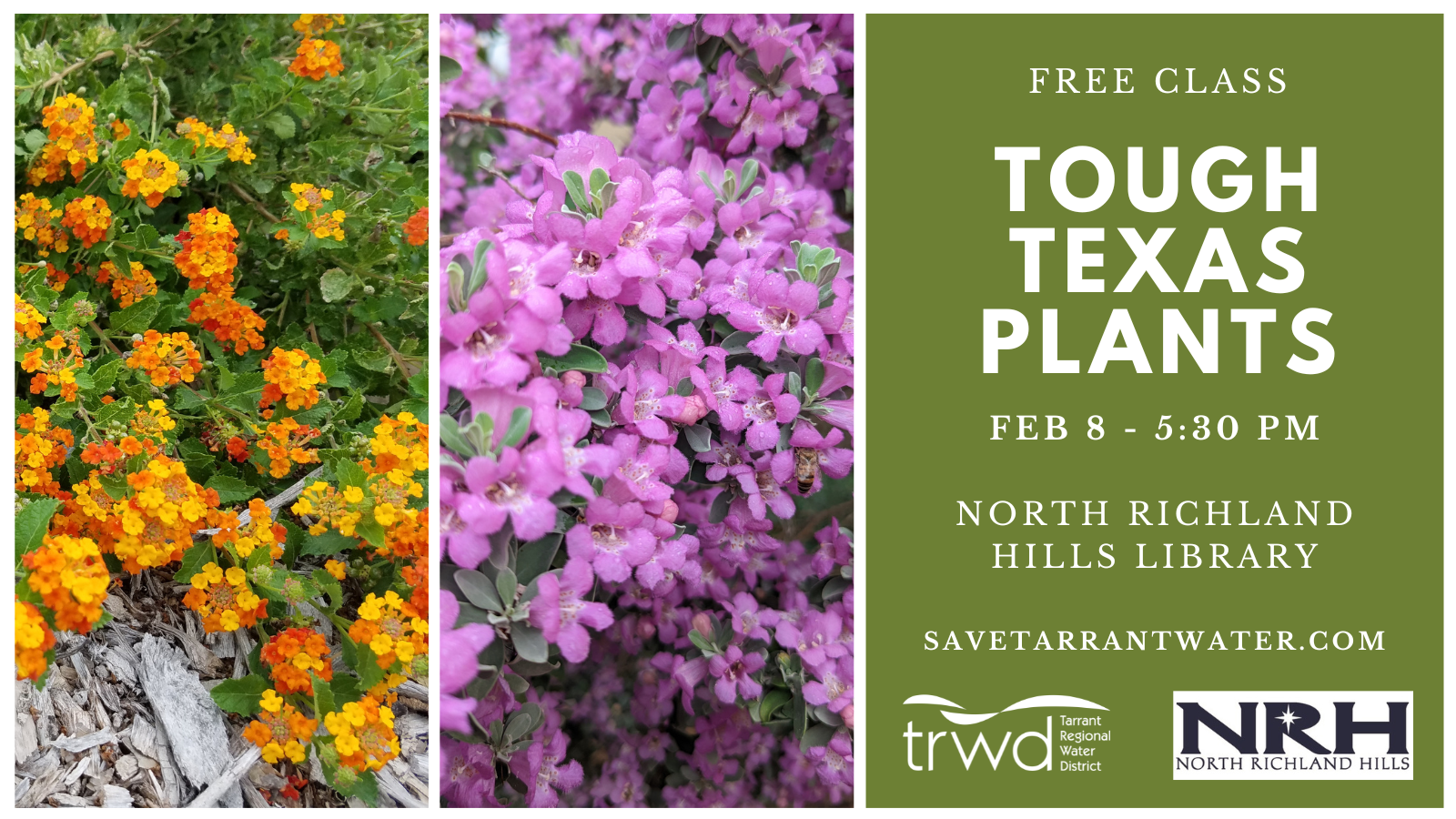
Lantana
Lantana produces clusters of small, colorful flowers. Colors include yellow, orange, red, and pink. It thrives in hot, sunny locations with minimal watering. Lantana attracts pollinators and deters deer. This low-maintenance perennial blooms from spring through frost. It grows well in containers or garden beds, adding tropical flair.
Fall Aster
Fall Aster blooms late in the season with purple, pink, or white flowers. It extends garden color into autumn. This perennial prefers full sun and well-drained soil. Fall Aster attracts butterflies and other pollinators. It grows 2 to 4 feet tall, making a good backdrop plant. Deadheading spent flowers promotes continued blooming.
Annuals That Thrive In Heat
Annual flowers bring vibrant color and life to North Texas gardens. The region’s hot summers challenge many plants. Choosing annuals that thrive in heat ensures a bright and lasting display. These plants tolerate high temperatures and dry spells well. They bloom continuously, attracting pollinators and enhancing your outdoor space.
Marigolds
Marigolds are tough and bright. They handle heat and dry soil with ease. Their bright orange and yellow flowers add warmth to any garden. Marigolds repel pests, helping nearby plants stay healthy. They bloom from spring until frost, needing little care. Plant them in full sun for best growth.
Zinnias
Zinnias flourish under the hot Texas sun. They come in many colors, from pink to red and white. These flowers attract butterflies, making gardens lively. Zinnias grow fast and bloom all summer long. They prefer well-drained soil and plenty of sunlight. Deadheading spent flowers helps them bloom more.
Salvia
Salvia stands out for its rich blue and purple spikes. It thrives in heat and tolerates drought well. This plant attracts hummingbirds and bees, boosting pollination. Salvia prefers full sun and well-drained soil. Its long blooming season adds color through summer and fall. A low-maintenance option for hot climates.
Native Plants For Low Maintenance
Native plants thrive in North Texas with little care. They adapt well to local soil and weather. These plants save water and resist pests naturally. Low maintenance gardens suit busy lifestyles and save money. Choosing native plants helps local wildlife like bees and butterflies. Here are some top native plants for easy gardening in North Texas.
Mexican Mint Marigold
Mexican Mint Marigold is a fragrant, bright yellow flower. It blooms from spring to fall with little water. This plant attracts pollinators and repels harmful insects. It grows well in full sun and well-drained soil. Mexican Mint Marigold stays low and spreads gently. It fits perfectly in borders or containers.
Autumn Sage
Autumn Sage is a hardy shrub with red or pink flowers. It blooms in late summer and fall, attracting hummingbirds. This plant tolerates heat and drought very well. It prefers full sun and dry, rocky soil. Autumn Sage needs little pruning and no fertilizer. It adds color and texture to any garden.
Blackfoot Daisy
Blackfoot Daisy is a tough, white-petaled flower with a yellow center. It blooms from spring through fall and loves sun. This plant grows well in rocky or sandy soil. It is drought-tolerant and deer resistant. Blackfoot Daisy requires almost no care once established. It brightens gardens with its cheerful flowers.
Credit: savetarrantwater.com
Vegetables To Plant In North Texas
North Texas offers a unique climate for growing vegetables. The hot summers and mild winters make it ideal for many varieties. Choosing the right vegetables ensures a healthy, productive garden. Planting at the right time helps your crops thrive and resist pests.
Root Vegetables
Root vegetables grow well in North Texas soil. Carrots develop sweet and crunchy roots. Radishes mature quickly and add spice to salads. Onions can be planted from sets or seeds. These vegetables prefer loose, well-drained soil. They need consistent watering for best growth.
Leafy Greens
Leafy greens do well in cooler seasons of North Texas. Spinach offers tender, nutrient-rich leaves. Kale stands up to heat and cold, making it versatile. Lettuce grows fast and comes in many varieties. Swiss chard adds color and nutrition to any dish. Sow seeds directly in the garden for best results.
Brassicas
Brassicas include broccoli, cabbage, and cauliflower. These vegetables prefer cooler temperatures and rich soil. Start seedlings indoors and transplant them outside. Broccoli heads develop tightly packed florets. Cabbage forms dense, round heads. Cauliflower produces creamy, white curds. Regular watering and good spacing improve harvest size.
Herbs Suited For North Texas Gardens
Herbs add flavor and charm to North Texas gardens. They thrive well in this region’s warm climate and soil. Growing herbs here is simple and rewarding. They need well-drained soil and plenty of sunlight. Many herbs also handle dry spells and heat with ease. Planting herbs boosts your garden’s beauty and your kitchen’s taste.
Parsley
Parsley grows well in North Texas gardens. It prefers partial shade but can handle full sun. This herb needs regular watering to stay fresh and green. Parsley is great for salads, soups, and garnishes. It also attracts beneficial insects to your garden.
Rosemary
Rosemary loves hot, sunny spots in North Texas. It needs well-drained soil to prevent root rot. This woody herb is drought-tolerant and fragrant. Rosemary adds a pine-like flavor to meats and vegetables. It can grow into a lovely shrub with proper care.
Thyme
Thyme is a tough herb that thrives in North Texas heat. It prefers full sun and dry soil. Thyme is perfect for seasoning meats, stews, and breads. This low-growing herb also works well as ground cover. It is easy to grow and maintain in local gardens.
Credit: thedallasgarden.com
Seasonal Planting Tips
Seasonal planting plays a key role in growing healthy plants in North Texas. Each season offers unique conditions that affect plant growth. Understanding these conditions helps you choose the right time to plant. This guide shares simple tips for fall and spring planting. It also explains which plants to avoid due to frost sensitivity.
Fall Planting Guide
Fall is perfect for planting many cool-season vegetables and flowers. The soil is still warm, which helps seeds germinate quickly. Plant leafy greens like spinach, kale, and lettuce. Root vegetables such as carrots and radishes also do well. Fall is a good time for planting bulbs that bloom in spring.
Prepare the soil by adding compost. Water plants regularly but avoid overwatering. Cooler temperatures reduce plant stress. Watch for early frost and cover young plants if needed.
Spring Planting Guide
Spring signals the start of warm weather and longer days. This season suits heat-loving plants like tomatoes, peppers, and squash. Start seeds indoors to get a head start. Transplant seedlings outdoors after the last frost date.
Spring also works well for planting herbs such as basil and parsley. Prepare the garden by clearing winter debris. Add fertilizer to boost plant growth. Keep soil moist and provide enough sunlight.
Avoid Frost-sensitive Plants
Frost can damage or kill many plants in North Texas. Avoid planting frost-sensitive species too early or late in the season. Tropical plants and some annual flowers are very vulnerable.
Examples include tomatoes, peppers, and certain herbs. Wait until the risk of frost passes before planting them outside. Use frost cloths or covers if unexpected cold snaps occur. Choose native or hardy plants for better survival.
Plants For Winter Color
Winter in North Texas can feel dull with fewer blooms in the garden. Selecting plants that bring color and life during the cold months makes your outdoor space inviting. Some plants thrive in cooler temperatures and provide bright hues when most others fade. These hardy plants add texture and color to winter landscapes.
Ornamental Cabbage And Kale
Ornamental cabbage and kale offer vibrant colors in winter gardens. Their leaves display shades of purple, pink, and white. These plants tolerate frost well and keep their beauty throughout winter. They grow best in full sun and rich soil. Plant them in beds or containers for eye-catching displays.
Winter Asters
Winter asters bloom in late fall and early winter. They produce small flowers in purple, pink, or white colors. These asters attract pollinators and brighten dull winter days. They prefer well-drained soil and partial to full sun. Winter asters are low-maintenance and long-lasting in North Texas gardens.
Pansies
Pansies are popular for their cheerful blooms during cold weather. Their wide range of colors makes them perfect for winter color spots. Pansies grow well in North Texas winters with good sun exposure. They need regular watering but can survive light frost. Use pansies to add soft color near walkways or flower beds.
Credit: www.plantsfordallas.com
Frequently Asked Questions
What Plants Grow Best In North Texas?
Best plants for North Texas include bee balm, Chinese pistache, lantana, Mexican mint marigold, fall aster, and oxblood lily. These tolerate heat and thrive locally.
What Is The 70/30 Rule In Gardening?
The 70/30 rule in gardening means planting 70% edible plants and 30% flowers or ornamentals. This balance boosts productivity and beauty.
What Plants Grow Best In Texas Heat?
Roses, hibiscus, gardenias, marigolds, daisies, lavender, and lantana thrive best in Texas heat. These plants resist drought and sun.
What To Plant Now In North Texas?
Plant carrots, radishes, onions, spinach, kale, lettuce, broccoli, cabbage, parsley, garlic, and ornamental kale now in North Texas. Avoid frost-sensitive plants.
Conclusion
Choosing the right plants helps your garden thrive in North Texas. Native and drought-tolerant plants need less water and care. They handle heat and occasional cold well. Perennials like bee balm and lantana attract pollinators and add color. Vegetables such as carrots and leafy greens grow well in cooler months.
Avoid frost-sensitive plants until the danger of frost passes. With proper plant choices, your garden stays healthy and beautiful year-round. Enjoy planting and watching your North Texas garden flourish.