If you’re living in Texas, you know that choosing the right grass for your lawn is not as simple as picking any green patch. The Texas heat, dry spells, and varied sunlight can make growing a healthy lawn tricky.
But what if you could find the perfect grass that not only survives but thrives in your yard’s unique conditions? Whether your lawn bakes in full sun all day or enjoys cool, shady spots, the right grass can save you time, water, and money.
Keep reading to discover the best grasses to plant in Texas, tailored to your lawn’s needs, so you can enjoy a lush, green yard no matter where you live in the Lone Star State.
Warm-season Grasses
Warm-season grasses thrive in Texas heat and sunlight. They grow best in temperatures above 80°F. These grasses go dormant and turn brown in winter but green up fast in spring. They handle drought well and recover quickly from wear. Perfect for lawns, parks, and sports fields across Texas.
Bermudagrass Benefits
Bermudagrass is tough and grows fast in full sun. It tolerates heat and drought better than many grasses. It recovers quickly from heavy foot traffic, making it ideal for busy yards and sports fields. Bermudagrass forms a dense, green carpet that resists weeds. It needs regular mowing and fertilizing to stay healthy. This grass adapts well to many soil types common in Texas.
Zoysia Grass Features
Zoysia grass grows slowly but forms a thick, soft lawn. It handles heat and drought with less water than Bermudagrass. Zoysia tolerates some shade, unlike most warm-season grasses. It crowds out weeds and reduces soil erosion. This grass requires less frequent mowing due to its slow growth. It prefers well-drained soils and can survive Texas summers with proper care.
Buffalograss Low Maintenance
Buffalograss is native to Texas and very drought-resistant. It needs little watering and almost no mowing. This grass grows well in full sun and poor soils. Buffalograss stays green longer in dry conditions than many grasses. It creates a natural, soft lawn without much effort. Perfect for low-maintenance yards and large open spaces.

Credit: petersonslandscape.com
Grasses For Shade
Shady areas in Texas yards pose a challenge for grass growth. Many common grasses struggle without enough sunlight. Choosing the right grass for shade improves lawn health and appearance. Shade-tolerant grasses stay green and lush despite limited sun. They are perfect for under trees, near buildings, or on north-facing slopes. Below are two top choices for shaded Texas lawns.
St. Augustine Varieties
St. Augustine grass thrives in partial shade. It has wide, flat blades that help it capture low light. Varieties like ‘Raleigh’ and ‘Palmetto’ are popular in Texas. St. Augustine tolerates heat and humidity well. It requires moderate watering and mowing. This grass forms a thick carpet that crowds out weeds. It adapts to sandy or clay soils. It is a favorite for shaded lawns in Austin and Houston.
Fescue For Deep Shade
Fescue grass handles deep shade better than many warm-season grasses. It is a cool-season grass, best for North Texas. Fine fescue types grow well under heavy tree cover. This grass stays green in cooler months when others fade. It needs more water than St. Augustine but less heat to thrive. Fescue has a fine texture and dense growth. It works well on lawns with heavy shade and moderate foot traffic.
Cool-season Options
Cool-season grasses thrive in Texas during the cooler months. They keep lawns green and fresh in fall, winter, and early spring. These grasses slow down growth in the hot summer but recover well as temperatures drop. Choosing the right cool-season grass depends on your soil, shade, and water availability. Two popular cool-season options for Texas lawns are Kentucky Bluegrass and Fescue blends. Both provide excellent color and texture for cooler seasons.
Kentucky Bluegrass Adaptability
Kentucky Bluegrass has a fine texture and rich green color. It grows best in well-drained, fertile soils. This grass prefers cooler temperatures and can struggle in extreme Texas heat. It spreads through rhizomes, which helps fill in bare spots. Kentucky Bluegrass needs moderate watering to stay healthy. It performs well in full sun to partial shade. Regular mowing keeps it looking neat and dense. It is ideal for lawns that receive some summer care and irrigation.
Fescue Blends
Fescue blends combine several fescue types for better adaptability. These grasses tolerate shade better than Kentucky Bluegrass. They also handle drought and heat with less water. Tall fescue, included in blends, has deep roots that improve drought resistance. Fine fescues add softness and shade tolerance. These blends grow well in North and Central Texas climates. They require less frequent mowing than Kentucky Bluegrass. Fescue blends are a practical choice for low-maintenance, cool-season lawns.
Native Grass Choices
Native grasses suit Texas landscapes perfectly. They thrive with less water and care. Choosing native grasses helps maintain natural beauty and supports local wildlife.
These grasses adapt well to Texas soil and weather. They reduce the need for fertilizers and pesticides. This makes them eco-friendly and budget-friendly.
Let’s explore two popular native grass choices: buffalograss and blue grama grass.
Buffalograss Characteristics
Buffalograss is a true Texas native. It has a soft, fine texture that feels nice underfoot. This grass stays green longer in dry weather. It requires little mowing and watering, saving time and money.
Buffalograss spreads slowly but forms a dense turf. It prefers full sun and well-drained soil. It is very drought-tolerant, making it ideal for dry Texas summers. This grass also resists pests and diseases well.
Blue Grama Grass
Blue grama grass is another excellent native choice. It has a unique appearance with eyelash-like seed heads. This grass grows in clumps and tolerates heat and drought easily.
It thrives in poor soils and needs minimal care. Blue grama grass adds natural beauty to lawns and landscapes. It supports local wildlife and helps prevent soil erosion.
Water And Maintenance Needs
Choosing the right grass for Texas means understanding its water and maintenance needs. The hot Texas climate demands grasses that can survive dry spells. Some grasses need frequent watering, while others thrive with less. Maintenance also varies; some lawns require regular mowing and care, others need minimal attention. Knowing these factors helps keep your lawn healthy and green all year.
Drought Tolerance Comparison
Bermudagrass is highly drought-tolerant and recovers quickly after dry periods. It needs less water than many other grasses. Zoysia grass also handles drought well but may need more watering during extreme heat. Buffalograss is the best for dry conditions. It is native to Texas and requires very little water. St. Augustine grass needs more water and does not tolerate drought as well as the others. Choosing drought-tolerant grass saves water and reduces lawn stress.
Low-mow Lawn Options
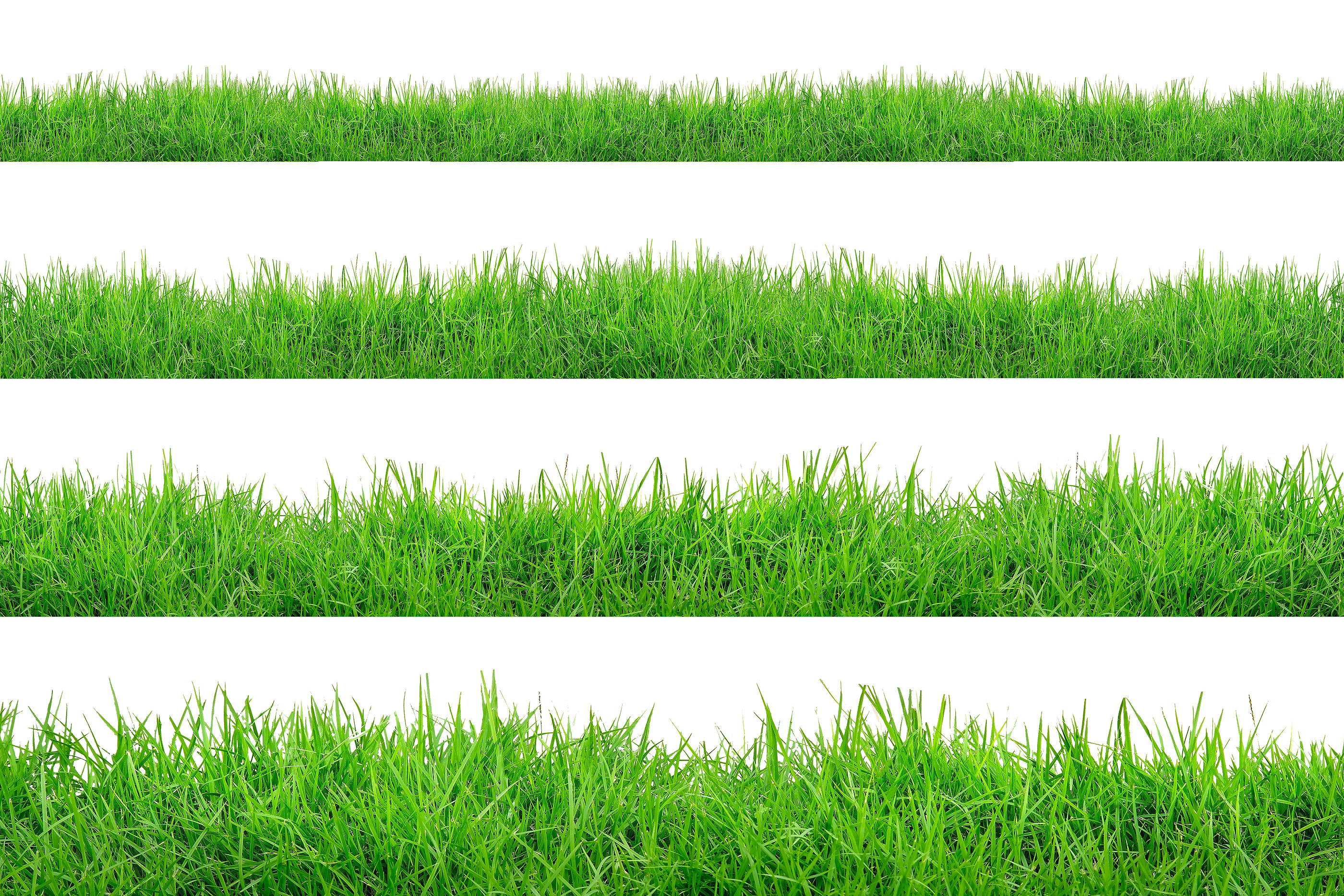
Buffalograss is a top low-mow option in Texas. It grows slowly and can stay healthy with just a few cuts per season. This reduces time and effort spent on lawn care. Zoysia grass also grows slower than Bermudagrass and needs less frequent mowing. Bermudagrass requires regular mowing to keep it neat. St. Augustine grass often grows quickly and needs more frequent trims. Low-mow grasses suit busy homeowners who want a nice lawn with less work.
Credit: mainstreetmowing.com
Sun Exposure Impact
Sun exposure plays a key role in choosing the right grass for your Texas lawn. Different grasses thrive under different light conditions. Understanding how sun exposure impacts grass growth helps you pick the best type for your yard. Proper selection ensures a healthy, green lawn throughout the year.
Grass For Full Sun
Bermudagrass is perfect for lawns that get full sun. It tolerates heat and drought very well. This grass grows fast and recovers quickly from wear. Zoysia grass also thrives in sunny spots. It uses less water and forms a dense, soft turf. Buffalograss is a native choice that loves full sun. It needs little water and mowing, making it easy to care for.
Grass For Partial Shade
St. Augustine grass is a top pick for areas with partial shade. It grows well under trees and in shaded yards. This grass stays green with moderate watering. Palisade grass works in shaded places too. It handles Texas heat while tolerating some shade. For deeper shade, fine fescue is a good option. It prefers cooler, shaded spots and keeps lawns lush.
New And Resistant Varieties
New grass varieties in Texas offer better growth and resistance traits. These grasses survive harsh heat and drought well. They also fight common pests and diseases. Choosing resistant grass reduces lawn care time and costs.
Many new varieties adapt to Texas’ diverse climates. From coastal areas to dry inland zones, these grasses thrive. They improve lawn appearance and durability. Let’s explore some notable varieties and their key traits.
Texas Pro Vista Traits
Texas Pro Vista is a newer Bermuda grass variety. It grows quickly and forms a dense turf. This grass stands up well to Texas heat. It also recovers fast from wear and tear. Pro Vista needs less water than older Bermuda types. It tolerates drought while staying green longer. This grass suits lawns and sports fields alike. It also shows good disease resistance for a healthier lawn.
Weed Resistance In Grasses
Weed resistance is crucial for Texas lawns. Resistant grasses reduce weed growth naturally. They compete strongly for sunlight and nutrients. This lowers the need for herbicides and chemicals. Varieties like Zoysia and Buffalograss are known for this trait. Buffalograss forms thick mats that block weeds. Zoysia’s dense blades prevent many common weeds from taking hold. Weed-resistant lawns save time and money on maintenance.
Selecting Based On Soil Type
Selecting the right grass starts with understanding your soil type. Soil affects grass growth, health, and durability. Choosing grass suited to your soil helps create a strong, green lawn.
Texas has diverse soil types. Each type needs specific grasses to thrive. Knowing your soil can save time, water, and effort. It also ensures your lawn stays lush and vibrant.
Clay Soils And Best Grass Choices
Clay soils hold water but drain slowly. This can cause roots to rot if grass is not tolerant. Bermuda grass grows well in clay soil. It handles heavy soil and recovers quickly from wear. Zoysia grass also adapts well to clay. Both grasses form dense lawns that resist weeds.
Sandy Soils And Suitable Grasses
Sandy soils drain quickly and often lack nutrients. Grasses must be drought-tolerant and thrive in poor soil. Buffalograss is perfect for sandy soil. It requires little water and fertilizer. Bermuda grass also works in sandy areas. These grasses stay green with less care and survive dry spells.
Loamy Soils And Ideal Grass Types
Loamy soil is rich, well-drained, and ideal for many grasses. St. Augustine grass grows best in loamy soil. It prefers moderate moisture and shade. Zoysia grass also thrives in loam. These grasses create soft, thick lawns that handle foot traffic well.
High-traffic Lawn Grasses
High-traffic areas demand lawn grasses that stand up to constant use. These grasses need to recover quickly and resist wear and tear. Texas lawns that host sports, gatherings, or heavy foot traffic benefit from tough, resilient grass types. Choosing the right grass ensures a green, healthy lawn despite heavy use. Two top contenders for such conditions are Bermudagrass and Zoysia.
Bermudagrass For Sports Fields
Bermudagrass is a favorite for sports fields and busy lawns. It grows fast and repairs damage quickly. This grass thrives under hot Texas sun and handles drought well. Its dense growth helps prevent weeds and bare spots. Bermudagrass stays green longer during summer months. It tolerates frequent mowing and heavy foot traffic without thinning. This grass is ideal for playgrounds, parks, and athletic fields.
Zoysia For Durability
Zoysia offers excellent durability for lawns with heavy use. It grows slower than Bermudagrass but forms a thick, soft carpet. Zoysia handles heat and drought effectively with less water. It recovers well from wear and resists soil erosion. This grass adapts to various soil types common in Texas. It also tolerates some shade, making it versatile for many lawn spots. Zoysia lawns stay lush and dense, even with frequent foot traffic.
Credit: www.outsidepride.com
Frequently Asked Questions
What Type Of Grass Grows Best In Texas?
Bermudagrass and Zoysia thrive in sunny Texas lawns due to heat and drought tolerance. St. Augustine suits partial shade, while fescue works well in deep shade, especially in North Texas. Buffalograss offers a low-maintenance, drought-resistant native option. Choose based on sunlight and upkeep needs.
What Month Do You Plant Grass In Texas?
Plant warm-season grasses like Bermudagrass and Zoysia from late spring to early summer in Texas. For cool-season grasses such as Fescue, plant in early fall or late winter. Timing depends on grass type and Texas region to ensure optimal growth and lawn health.
Which Grass Is Better For Texas Heat?
Bermudagrass and Zoysia grass thrive in Texas heat due to drought tolerance and durability. Buffalograss suits low-maintenance lawns. For shade, St. Augustine and fescue work well. Choose based on sun exposure, soil, and lawn use for best results.
Can You Just Throw Grass Seed On The Ground And It Will Grow?
You cannot just throw grass seed on the ground and expect it to grow well. Prepare soil, remove debris, and spread seed evenly. Water regularly and protect from birds and weeds for successful germination. Proper care ensures healthy grass growth.
Conclusion
Choosing the right grass makes all the difference in Texas lawns. Bermudagrass and Zoysia thrive in sunny, dry areas. Buffalograss suits those wanting a low-maintenance, natural look. For shaded spots, St. Augustine and Fescue work well. Consider your soil, sun, and care needs before planting.
A healthy lawn needs the grass that fits your home best. Start simple, and your yard will flourish in Texas heat.