Are you ready to add shade, beauty, and value to your Texas property? Planting trees is one of the smartest moves you can make—but timing is everything.
If you plant too early or too late, your new trees might struggle to take root and thrive in Texas’ unique climate. So, when is the best time to plant trees in Texas? You’ll discover the ideal seasons to give your trees the best start, helping you grow a healthy, vibrant landscape that lasts for years.
Keep reading to find out how to make your tree planting efforts a success!
Best Seasons To Plant
Choosing the right season to plant trees in Texas is key to their growth. The climate here changes a lot between seasons. Planting at the right time helps trees develop strong roots and survive harsh weather. Many experts agree that fall and winter offer the best chances for success. Avoiding the hot summer months reduces stress on young trees.
Below are the main advantages of planting trees in each suitable season. This guide helps you pick the best time for your tree planting project.
Fall Planting Advantages
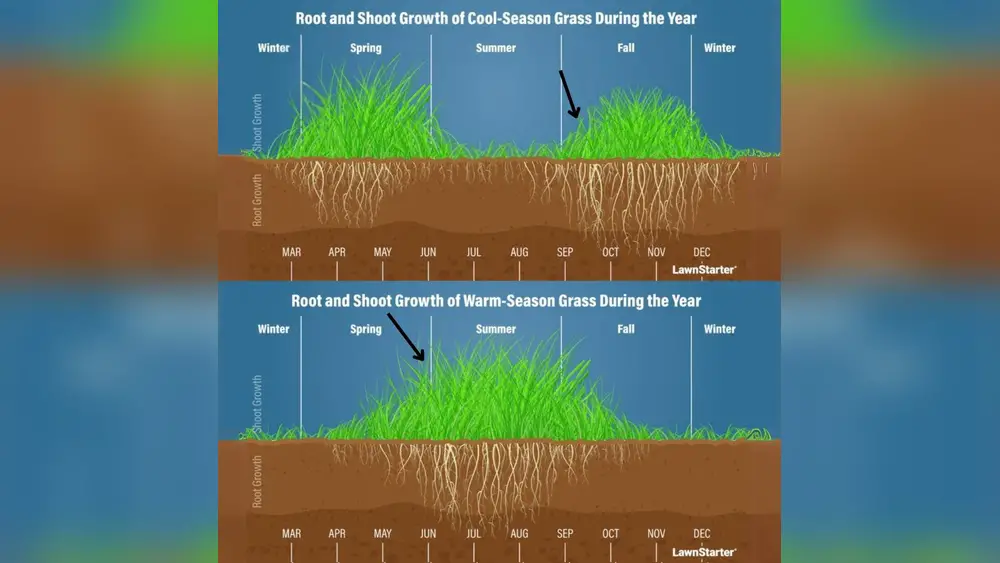
Fall is one of the best times to plant trees in Texas. The soil stays warm longer, helping roots grow before winter. Cooler air temperatures reduce water loss from leaves. Fall rains provide natural watering for new trees. Trees planted in fall can recover from transplant shock well. Root systems get established without the stress of summer heat.
Winter Planting Benefits
Winter in Texas is mild compared to many places. Trees go dormant and use less energy. This dormancy reduces stress during planting. The soil remains workable for planting most of the season. Winter rains keep soil moist for roots. Trees planted in winter start growing early in spring. This early growth gives them a strong start.
Avoiding Summer Stress
Summer in Texas is very hot and dry. Young trees face intense heat and strong sun. These conditions cause water loss and slow root growth. Planting in summer increases the chance of tree stress or death. Extra watering is needed to keep trees alive. Waiting until cooler months protects young trees better. Avoid summer planting to give trees a healthier start.
.jpg?width=919&name=az%20ash%20fall%20color%20(2).jpg "When is the Best Time to Plant Trees in Texas: Ultimate Guide 2")
Credit: blog.moonvalleynurseries.com
Choosing Tree Species
Choosing the right tree species is key for success in Texas planting. Trees must fit the climate, soil, and water conditions. Selecting trees that thrive locally means less care and more growth. This section helps you pick species that suit Texas well.
Consider your goals: shade, beauty, or quick growth. Also, think about pest resistance and maintenance needs. Start with species that naturally do well in Texas.
Native Trees For Texas
Native trees adapt to Texas weather and soil. They need less water and resist local pests. Examples include Live Oak, Texas Redbud, and Cedar Elm. These trees support local wildlife and keep landscapes healthy. Planting natives saves time and money.
Fast-growing Varieties
Fast-growing trees provide shade and windbreaks quickly. They are good for new yards or large spaces. Species like Hybrid Poplar, Eastern Cottonwood, and Green Ash grow fast in Texas. Fast growth means more care is needed early on. Choose these if you want quick results.
Pest-resistant Options
Texas trees face pests like the Emerald Ash Borer and Oak Wilt. Pest-resistant trees lower the risk of damage and loss. Options include Bald Cypress and Texas Persimmon. These trees stay healthy longer and need less treatment. Picking pest-resistant species protects your investment.
Site Preparation Tips
Preparing the planting site is crucial for tree growth in Texas. Good preparation helps young trees establish roots faster. It improves their chances to survive and thrive. Follow simple steps to create the best environment for your tree.
Soil Testing And Improvement
Test the soil before planting. Check pH and nutrient levels. Texas soils can vary widely. Amend soil based on test results. Add organic matter like compost. This improves soil texture and drainage. Avoid heavy clay or very sandy soils without modification.
Proper Hole Dimensions
Dig a hole twice as wide as the root ball. Make the hole no deeper than the root ball height. Wide holes allow roots to spread easily. Shallow holes prevent roots from suffocating. Remove rocks and debris from the hole. Roughen the sides to help roots grow outward.
Watering Guidelines
Water the tree deeply after planting. Keep soil moist but not waterlogged. Young trees need regular watering, especially in dry Texas weather. Water at the base, not the leaves. Mulch around the tree to retain moisture. Avoid overwatering to prevent root rot.
Planting Techniques
Planting trees in Texas requires careful techniques to ensure strong growth. Proper planting helps trees survive Texas’s hot summers and dry spells. Follow these steps to give your tree the best start.
Handling The Root Ball
Handle the root ball gently to avoid damage. Keep the soil around roots moist. Do not shake off or break the soil. If the roots are tightly bound, loosen them slightly. This helps roots grow into the new soil.
Positioning The Tree
Place the tree in a hole twice as wide as the root ball. The hole should not be deeper than the root ball’s height. Position the tree straight, with the top of the root ball level with the ground. Avoid planting too deep to prevent root rot. Make sure the tree faces the right direction for sunlight.
Mulching Best Practices
Apply mulch around the tree to keep soil moist and cool. Use organic mulch like wood chips or bark. Spread mulch in a 2 to 4 inch layer. Keep mulch a few inches away from the tree trunk. This stops pests and disease from reaching the tree. Mulching also reduces weed growth.
Post-planting Care
Planting a tree in Texas is just the beginning. Proper care after planting is crucial for the tree’s survival and growth. This phase helps the tree adjust to its new environment. It supports strong roots and healthy leaves. Paying attention to water, nutrients, and pests ensures the tree thrives through seasons.
Watering Schedule
Newly planted trees need frequent watering. Water the tree deeply right after planting. For the first two weeks, water daily to keep soil moist. After that, water every two to three days for the next month. Slowly reduce watering as the tree grows. Avoid overwatering, which can drown roots. Use mulch to keep soil moist and cool.
Fertilizing Tips
Wait a few months before fertilizing. Use a slow-release fertilizer to provide steady nutrients. Choose fertilizer with balanced nitrogen, phosphorus, and potassium. Apply fertilizer around the tree’s drip line, not near the trunk. Too much fertilizer can harm the tree. Follow package instructions carefully for best results.
Monitoring For Pests And Diseases
Check the tree regularly for signs of pests or diseases. Look for discolored or damaged leaves and unusual spots. Early detection helps prevent serious damage. Use natural or mild treatments to control pests. Remove any dead or infected branches promptly. Healthy trees resist pests better and grow stronger.
Tree Diversity Importance
Tree diversity plays a vital role in Texas landscapes. Planting different tree species creates stronger, healthier environments. Diverse trees support wildlife and improve air quality. They also help the land adapt to changes in weather and pests. Choosing a variety of trees benefits both nature and communities.
Reducing Pest Risks
Planting many tree species lowers the chance of pest outbreaks. Pests often target specific types of trees. If only one kind grows, pests can spread quickly. A mix of trees breaks pest cycles and limits damage. This keeps trees healthier over time.
Enhancing Ecosystem Health
Diverse trees provide food and shelter for many animals. Birds, insects, and mammals find homes in different tree types. This variety supports balanced ecosystems and natural pest control. Trees also improve soil and water quality. A healthy ecosystem depends on many tree species.
Long-term Forest Sustainability
Forests with many tree kinds adapt better to climate changes. Diverse forests recover faster from storms and droughts. They keep growing strong year after year. Planting varied trees ensures forests last for future generations. This creates lasting benefits for people and wildlife.
Common Challenges
Planting trees in Texas involves several challenges that affect success and growth. Understanding these challenges helps in choosing the best planting time. Texas has unique climate and soil conditions that require special care. Addressing these common issues improves tree survival and health.
Dealing With Drought
Drought is a frequent problem in Texas. Trees need enough water to establish roots early on. Planting during cooler months reduces water stress. Mulching around the base helps retain soil moisture. Regular watering is crucial in dry spells. Selecting drought-tolerant tree species also supports survival.
Managing Soil Conditions
Texas soils vary widely, from sandy to clay-heavy. Poor soil drains slowly and may hold too much water. Testing soil before planting reveals nutrient needs. Amending soil with organic matter improves texture and fertility. Digging a hole twice the root ball’s width allows roots to spread. Proper soil management encourages strong root growth.
Balancing Aesthetics And Diversity
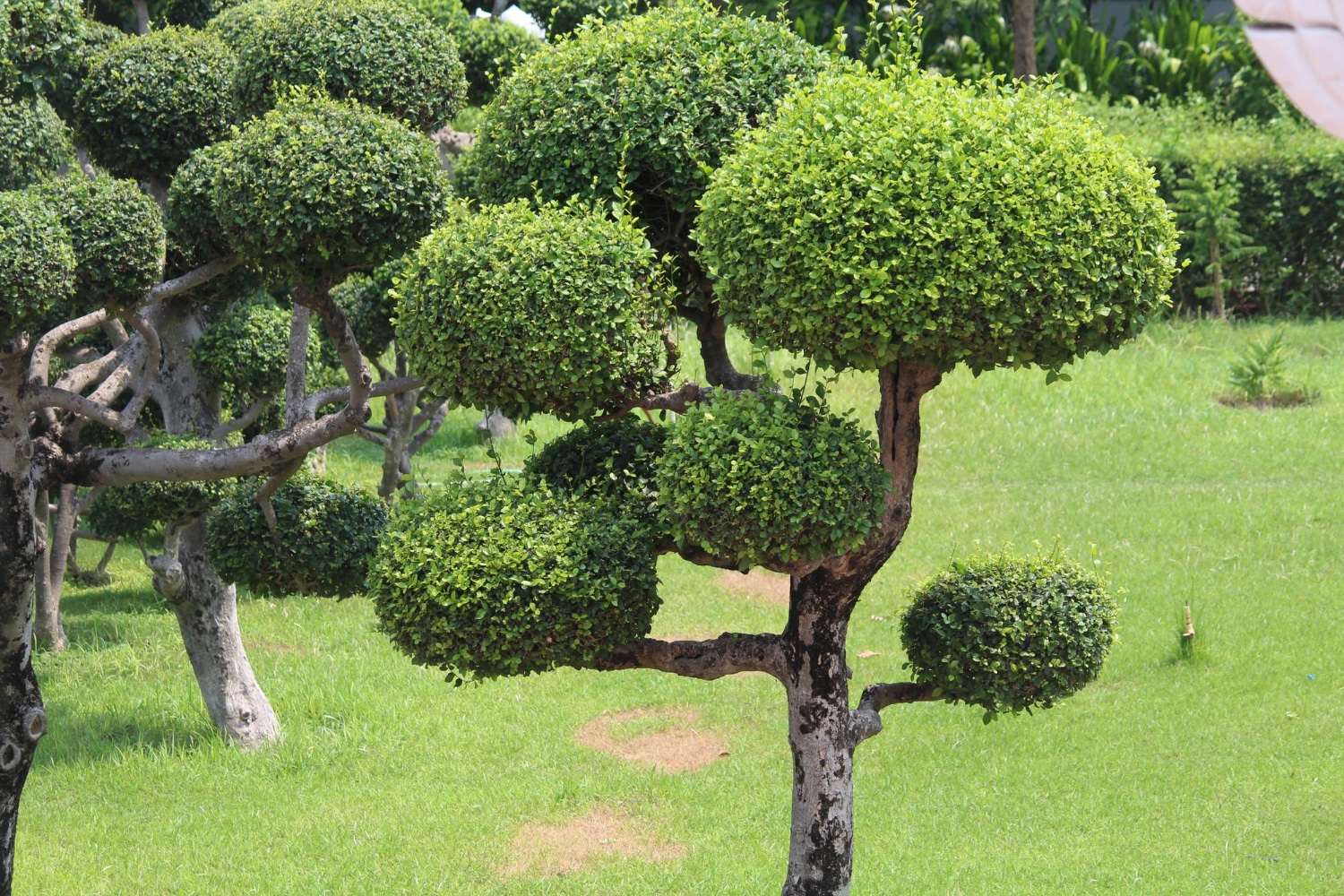
Planting a variety of trees prevents pest and disease spread. A diverse landscape supports local wildlife and ecosystem health. Mixing tree types creates visual interest throughout seasons. Avoid planting only one species to reduce risks. Balancing beauty and biodiversity ensures a healthy, lasting urban forest.

Credit: theurbanforesters.com
Credit: structurelandscapes.com
Frequently Asked Questions
What Time Of Year Do You Plant Trees In Texas?
Plant trees in Texas from November through March. Fall to early spring offers mild temperatures and consistent rainfall, ideal for tree establishment.
What Is The 10 20 30 Rule For Tree Planting?
The 10-20-30 rule for tree planting means planting no more than 10% of the same species, 20% of the same genus, and 30% of the same family to ensure diversity and reduce pest risks.
Can You Plant Trees In The Fall In Texas?
Yes, you can plant trees in Texas during fall. Planting from November to early spring helps trees establish before summer heat. Choose mild weather and consistent rainfall for best growth. Prepare soil well and water regularly after planting to ensure healthy development.
What Is The Fastest Growing Tree To Plant In Texas?
The fastest growing tree to plant in Texas is the Hybrid Poplar. It grows quickly, reaching maturity in 10-15 years.
Conclusion
Planting trees at the right time helps them grow strong in Texas. Fall and winter offer cooler weather and steady rain. These conditions make roots settle well before hot months. Choose healthy trees and prepare the soil carefully. Water your trees regularly after planting to keep them healthy.
Diverse tree species protect against pests and diseases. Healthy trees improve air quality and support local wildlife. Start planting at the best time to enjoy a greener Texas yard for years.