

If you want to grow a thriving garden in Florida, choosing the right seeds is the key to your success. Florida’s unique climate can be tricky, but with the best seeds, you can enjoy fresh vegetables and vibrant flowers all year round.
Imagine harvesting juicy tomatoes, sweet watermelons, or spicy peppers right from your backyard. You’ll discover the top seeds that flourish in Florida’s heat and humidity, helping you save time and avoid common gardening mistakes. Ready to turn your garden into a lush paradise?
Keep reading to find out which seeds will give you the best results in the Sunshine State.
Climate And Soil In Florida
Florida’s climate and soil create a unique environment for growing many types of seeds. The state enjoys warm temperatures most of the year. Humidity levels vary but tend to be high. Understanding local climate patterns helps in choosing the right seeds to plant. Soil quality also differs across regions. Preparing soil properly boosts plant growth and yield.
Florida’s Growing Zones
Florida spans USDA zones 8 to 11. Northern areas are cooler and experience occasional frost. Central and southern regions stay warm year-round. Tropical zones in south Florida support exotic plants. Knowing your zone guides seed selection and planting times. This knowledge helps avoid frost damage and promotes healthy growth.
Soil Types And Preparation
Florida has sandy, clay, and muck soils. Sandy soil drains fast but holds fewer nutrients. Clay soil retains water but can be heavy and dense. Muck soil is rich but may need drainage help. Testing soil pH is essential before planting. Most Florida soils are slightly acidic to neutral. Adding organic matter improves soil texture and fertility.
Sunlight And Water Needs
Plants in Florida receive strong sunlight daily. Most seeds need full sun for at least six hours. Shade-loving plants require filtered light. Water is vital, especially in dry spells. Frequent watering helps young seedlings establish roots. Mulching conserves moisture and controls weeds around plants. Adjust watering based on rainfall and soil type.

Credit: www.youtube.com
Top Vegetables For Florida Gardens
Florida’s warm climate allows gardeners to grow a wide range of vegetables. Choosing the right seeds is key to a successful garden. Some vegetables thrive in heat, others prefer cooler temperatures. Some can even survive light frosts. Understanding these categories helps you pick the best plants for your garden.
Below are the top vegetable choices for Florida gardens. These selections match the state’s unique weather patterns and seasons.
Heat-tolerant Veggies
Vegetables that handle Florida’s heat well include okra, sweet potatoes, and peppers. Okra grows quickly and produces abundant pods. Sweet potatoes thrive in warm soil and need little care. Peppers love the sun and add color to any garden. Other heat lovers are eggplants and pole beans. These plants stay productive even during the hottest months.
Cool-season Crops
Cooler months suit crops like lettuce, spinach, and carrots. Lettuce grows fast and can be harvested multiple times. Spinach prefers mild temperatures and nutrient-rich soil. Carrots develop best when the soil stays cool but not frozen. Other cool-season veggies include broccoli and cabbage. Plant these in fall or winter for a fresh harvest.
Frost-hardy Varieties
Some vegetables tolerate light frosts common in North Florida winters. Examples are kale, collard greens, and Brussels sprouts. Kale stays green and healthy even after cold nights. Collards offer a robust flavor and grow well in winter. Brussels sprouts mature slowly but resist frost damage. These hardy plants extend your growing season safely.
Best Fruits To Grow In Florida
Florida’s warm climate and long growing season make it ideal for cultivating a variety of fruits. Choosing the right fruits can lead to a bountiful harvest. Many fruits thrive here due to the state’s tropical and subtropical environment. Gardeners can enjoy fresh, homegrown fruit almost year-round. Below are some of the best fruits to grow in Florida gardens.
Tropical And Subtropical Fruits
Fruits like mangoes, papayas, and guavas flourish in Florida’s heat. These plants love full sun and well-drained soil. Pineapples also grow well and need little space. Passion fruit vines climb easily and produce tasty, fragrant fruit. These fruits add exotic flavors and are perfect for Florida’s climate.
Citrus Varieties
Florida is famous for its citrus crops. Oranges, grapefruits, lemons, and limes grow abundantly here. They need plenty of sun and regular watering. Some popular types include Valencia oranges and Ruby Red grapefruits. Citrus trees can be grown in yards or containers. They provide fresh juice and snacks year-round.
Berry Options
Blueberries, strawberries, and blackberries grow well in Florida. Blueberries prefer acidic soil and partial shade. Strawberries thrive in cooler months and produce sweet fruit. Blackberries are hardy and produce large, juicy berries. These fruits are easy to grow and great for fresh eating or desserts.
Herbs And Flowers For Florida
Florida’s warm climate and long growing season make it ideal for a wide variety of herbs and flowers. These plants thrive in the heat and humidity, bringing color and flavor to gardens across the state. Growing herbs and flowers suited to Florida helps ensure healthy growth and vibrant blooms.
Choosing the right seeds is important for success. Many herbs and flowers adapt well to Florida’s unique conditions. They add beauty, attract beneficial insects, and can even improve the health of your vegetable garden.
Popular Culinary Herbs
Basil grows fast and loves Florida’s sun. It adds fresh flavor to many dishes. Rosemary thrives in well-drained soil and tolerates heat. Mint prefers partial shade but spreads quickly. Thyme grows well in sandy soil and resists drought. Cilantro prefers cooler months but can still grow in spring. Parsley adapts well to Florida’s climate and adds nutrition to meals.
Attractive Flower Choices
Marigolds are bright, heat-tolerant, and easy to grow. Zinnias attract butterflies and bloom all summer. Pentas offer clusters of star-shaped flowers that attract hummingbirds. Sunflowers grow tall and stand up to Florida’s sun. Lantana is drought-resistant and colorful, perfect for borders. Hibiscus adds a tropical look and thrives in hot weather.
Companion Planting Benefits
Planting herbs and flowers near vegetables can protect crops naturally. Marigolds repel pests like nematodes and aphids. Basil improves tomato flavor and deters insects. Nasturtiums attract aphids away from other plants. Flowers draw pollinators, boosting vegetable yields. Herbs provide habitat for beneficial insects. Companion planting reduces the need for chemical pesticides.
Seasonal Planting Guide
Growing seeds in Florida requires understanding its unique climate. The state has mild winters and hot summers. This means different plants thrive in different seasons. Following a seasonal planting guide helps you grow healthy crops year-round.
Planting at the right time avoids problems like frost damage or heat stress. It also boosts your garden’s productivity. Below are tips for each season to help you choose the best seeds for Florida.
Spring Planting Tips
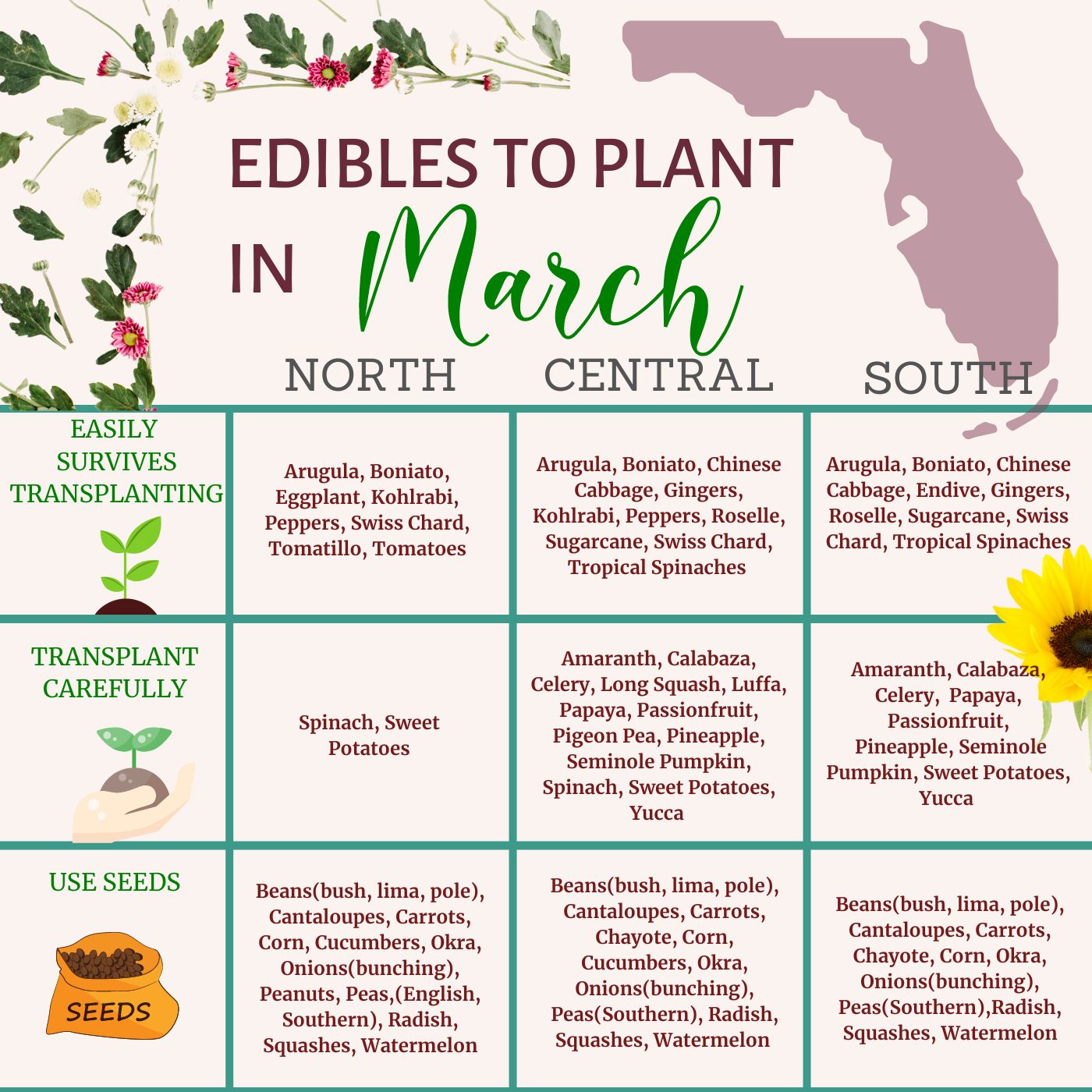
Start planting most vegetables in March. This includes tomatoes, peppers, and eggplants. These plants prefer warmer soil and air temperatures. Cover young plants if frost threatens in early spring. Cool-season crops like broccoli and cabbage can go in the ground earlier. Prepare soil with compost for better growth. Water regularly but avoid overwatering to prevent root rot.
Summer Crops To Try
Summer in Florida is hot and humid. Choose heat-tolerant crops like okra, watermelon, and hot peppers. Okra thrives in the heat and needs full sun. Watermelon grows well with plenty of space and water. Pole beans and luffa are also good choices. Shade sensitive plants like eggplants do better with some afternoon shade. Mulch helps retain soil moisture and keeps roots cool.
Fall And Winter Options
Fall is perfect for planting cool-season vegetables. Try carrots, beets, and kale. These plants grow well in cooler temperatures. Start seeds in September or October for best results. Winter in Florida is mild, allowing continued growth. Leafy greens and cabbage do well through winter months. Protect plants from any rare cold snaps using row covers. Keep soil moist and fertilize lightly.
Seed Selection Tips
Choosing the right seeds is key for a successful garden in Florida’s climate. Seeds must match local conditions like heat, humidity, and soil type. Good seed selection helps plants grow strong and resist pests. Understanding different seed types and quality sources improves your harvest.
Heirloom Vs Hybrid Seeds
Heirloom seeds come from plants passed down for generations. They offer rich flavors and unique varieties. These seeds save true-to-type plants, so you can collect seeds each year. Hybrid seeds result from crossing two different plants. They often grow faster and resist disease better. Hybrids give higher yields but may not produce good seeds for next planting.
Non-gmo And Organic Choices
Non-GMO seeds do not have altered genes. Many gardeners prefer these for natural growing. Organic seeds come from plants grown without synthetic chemicals. They fit well with organic gardening methods. Both non-GMO and organic seeds support healthier soils and ecosystems. Choosing these seeds protects your garden and the environment.
Where To Buy Quality Seeds
Buy seeds from trusted local garden centers or reputable online stores. Local sellers understand Florida’s unique climate and stock suitable varieties. Check for fresh packaging and clear labeling. Avoid old or damaged seed packets. Quality seeds increase germination rates and crop success. Always read reviews or get recommendations before buying.
Starting Seeds Indoors
Starting seeds indoors is a smart way to get a head start on Florida’s growing season. This method protects young plants from unpredictable weather. It also allows you to control temperature and moisture. Growing seeds inside helps you raise healthy seedlings ready for transplant. Follow these simple steps to begin your indoor seed journey.
Seed Starting Supplies
You need a few basic supplies to start seeds indoors. Use seed trays or small pots with drainage holes. Choose a light, well-draining seed-starting mix. Avoid heavy garden soil that can hold too much water. A spray bottle helps keep the soil moist without overwatering. Heat mats can speed up germination, especially in cooler rooms. Lastly, a clear plastic cover or dome keeps humidity high.
Germination Techniques
Place seeds on damp soil and cover lightly with more mix. Keep the soil moist but not soaked. Warmth is essential for most seeds, ideally 70-75°F (21-24°C). Use a heat mat or find a warm spot in your home. Provide light once seedlings appear, using a sunny window or grow lights. Thin seedlings by snipping the weaker ones at soil level. This gives space for strong plants to grow.
Transplanting Seedlings
Move seedlings outdoors once they have 2-3 sets of leaves. Harden them off by exposing them to outdoor conditions a few hours daily. Increase time outside over 7-10 days. Plant seedlings in well-prepared soil with good drainage. Water them thoroughly after transplanting. Protect young plants from strong sun and wind at first. Watch for pests and diseases as they adapt to outdoor life.
Credit: www.notsomodern.com
Common Challenges And Solutions
Growing seeds in Florida offers many rewards but also brings unique challenges. The state’s warm climate and soil types require gardeners to address common issues. These include pests, heat, and soil problems that affect plant health. Understanding these challenges helps gardeners find effective solutions. This knowledge leads to better growth and higher yields.
Pest And Disease Management
Pests and diseases often attack Florida gardens. Common pests include aphids, whiteflies, and spider mites. These insects can damage leaves and reduce growth. Use natural predators like ladybugs to control pests. Insecticidal soaps also help without harming plants.
Diseases such as powdery mildew and root rot occur in humid conditions. Prevent these by watering plants early in the day. Avoid overwatering and improve air circulation around plants. Remove any infected leaves to stop disease spread quickly.
Dealing With Heat Stress
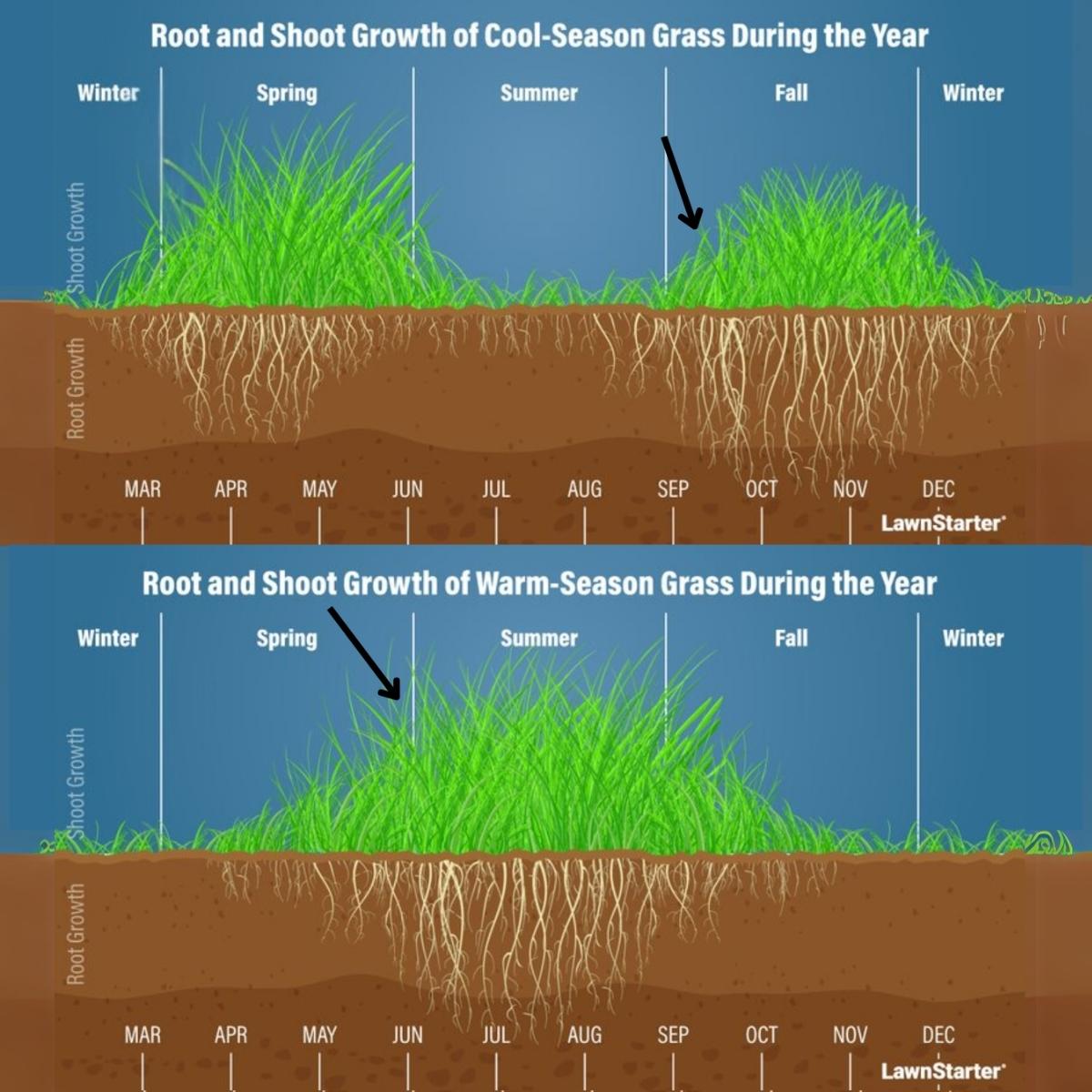
Florida’s intense sun and heat can stress plants. Heat stress causes wilting, leaf burn, and stunted growth. Provide shade during peak afternoon hours using shade cloth or nearby taller plants. Mulch around seeds to keep soil moist and cool.
Water plants deeply but less often to encourage strong roots. Choose heat-tolerant seed varieties like okra and hot peppers. These plants handle high temperatures and thrive in Florida’s climate.
Soil Fertility Issues
Florida soils often lack essential nutrients and organic matter. This can limit seed growth and yield. Test soil before planting to know nutrient levels. Add compost or well-rotted manure to improve soil fertility and texture.
Use balanced fertilizers with nitrogen, phosphorus, and potassium. Avoid over-fertilizing, which can harm plants and the environment. Rotate crops yearly to maintain soil health and reduce pests and diseases.
Credit: www.lawnstarter.com
Frequently Asked Questions
When Should I Start Seeds In Florida?
Start seeds in Florida in early March for frost-tender plants. Frost-hardy crops can begin earlier. Protect young plants from late frosts. Summer seeds like okra and watermelon thrive when sown late spring to early summer. Adjust planting times by region and crop type for best results.
What’s The Best Crop To Grow In Florida?
The best crops to grow in Florida include tomatoes, peppers, eggplant, okra, beans, squash, and watermelon. These thrive in Florida’s warm climate and soil conditions. Choose heat-tolerant varieties and provide proper sun exposure and moisture for optimal growth.
What Is The 70/30 Rule In Gardening?
The 70/30 rule in gardening means using 70% compost or organic matter and 30% soil for healthy plant growth. It improves soil fertility and drainage.
What Grows Well In Florida Heat?
Okra, peppers, eggplant, beans, watermelon, sweet potatoes, and tropical fruits thrive in Florida’s heat. These crops handle high temperatures well.
Conclusion
Growing seeds in Florida offers many rewards for home gardeners. Choose seeds that thrive in heat and humidity. Beans, okra, peppers, and tomatoes grow well here. Plant at the right time to avoid frost damage. Healthy soil and regular watering help plants flourish.
Watch your garden daily for pests or problems. Enjoy fresh, homegrown vegetables all year long. Start simple, learn from each season, and have fun!