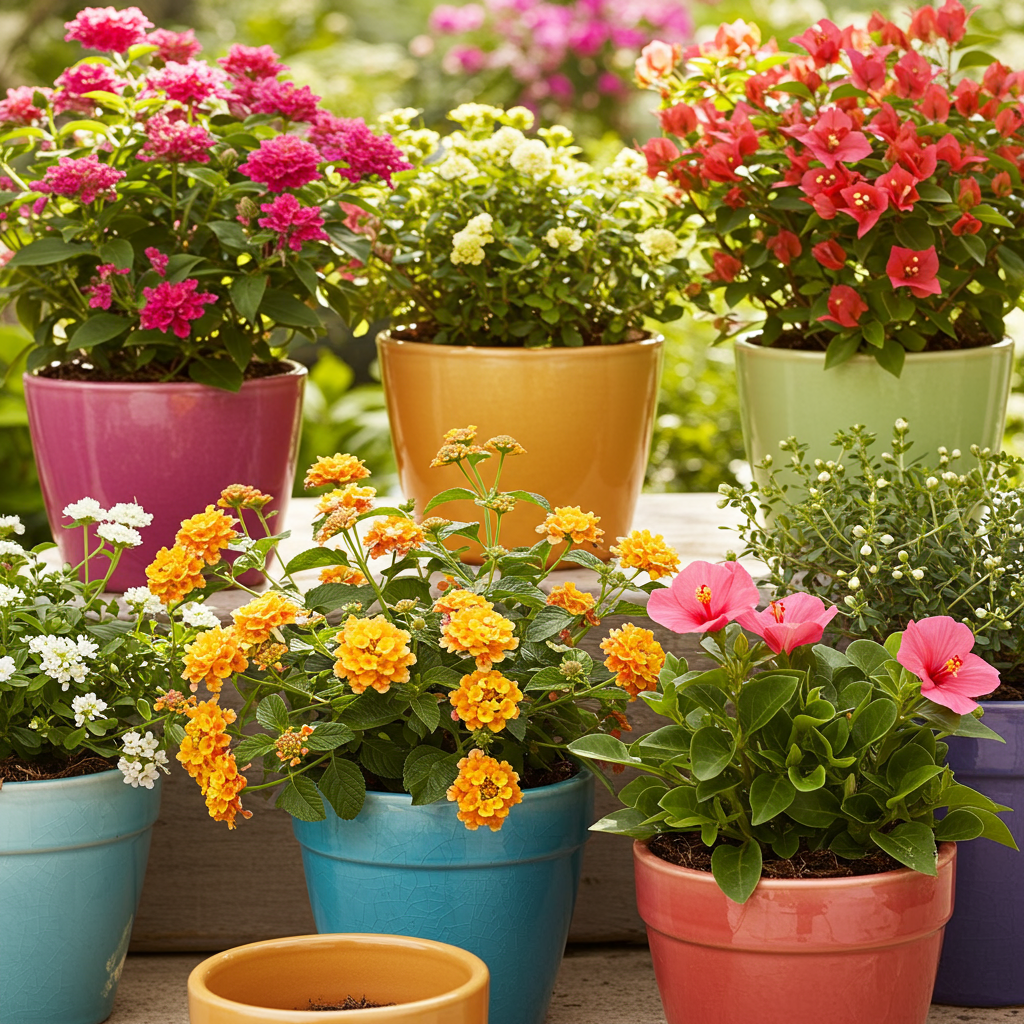
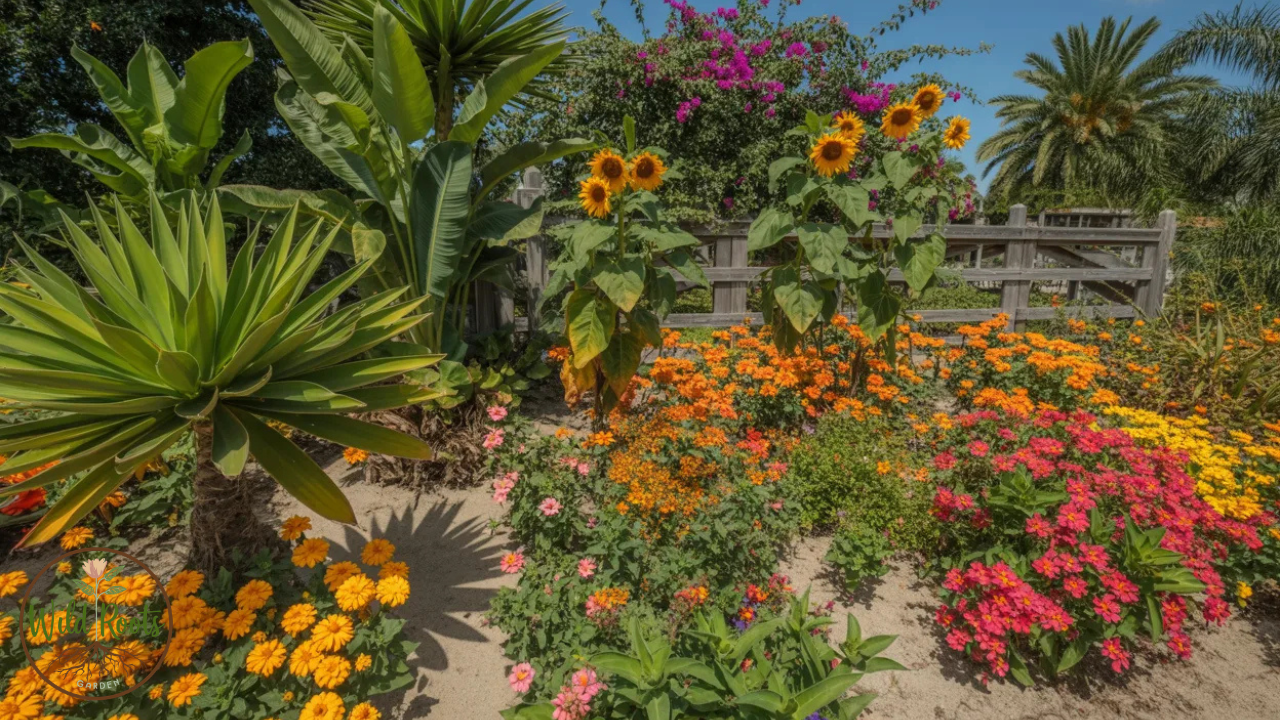
Finding the Best summer garden plants in florida for full sun can feel a bit tricky at first. The Florida summer heat and bright sun are intense, and not all plants can handle it. Beginners might worry about choosing the wrong ones.
But don’t fret! We’ve got a simple guide to help you pick plants that will thrive. Get ready to fill your garden with color and life this summer.
Let’s explore some amazing options that love the sun.
The 10 Best Florida Summer Garden Plants for Full Sun
Florida’s summer sun is a powerful force, beaming down with intensity and heat that can challenge even seasoned gardeners. For those new to the Sunshine State’s unique climate, selecting plants that can not only survive but flourish under these conditions can seem like a puzzle. The high temperatures, humidity, and relentless sunshine mean that many plants from other regions might wilt or struggle.
However, with the right knowledge, your garden can become a vibrant oasis throughout the summer months. This list focuses on resilient, sun-loving varieties that are well-suited to Florida’s summer environment. We’ll look at plants known for their toughness, beauty, and ability to produce abundant blooms or harvests even when the mercury rises.
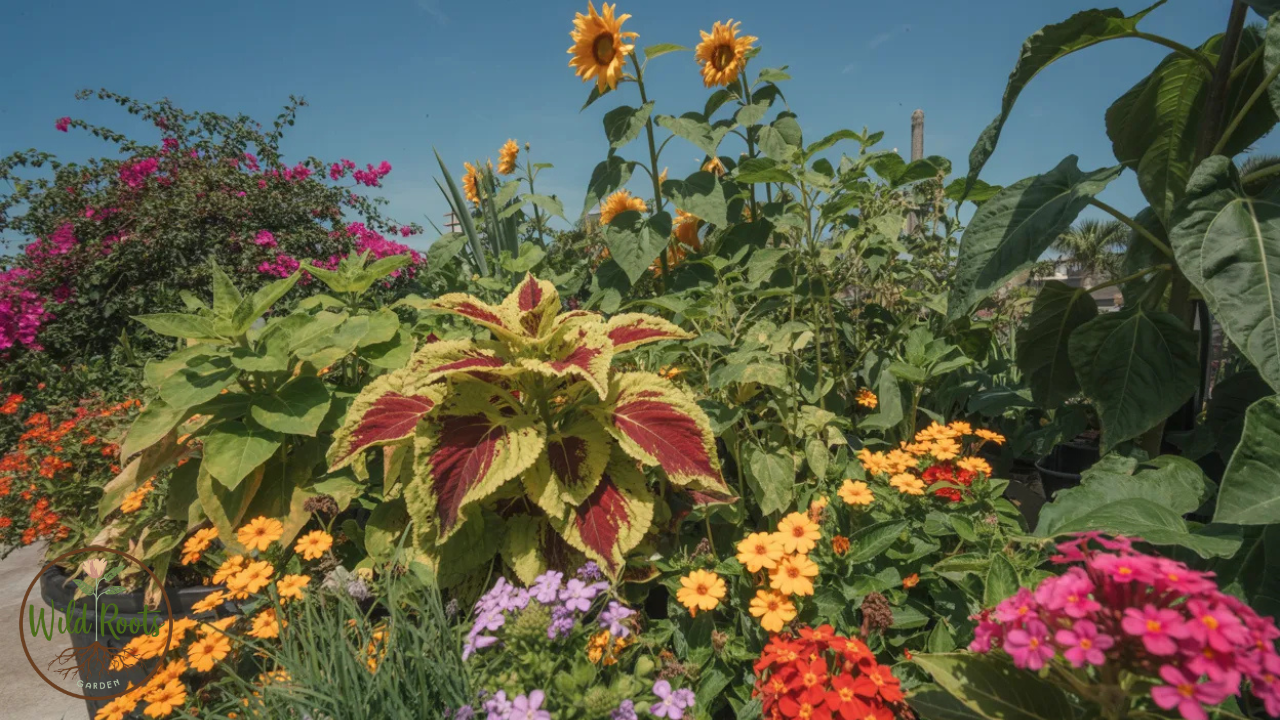
Our goal is to make your gardening experience enjoyable and rewarding, ensuring your garden thrives despite the demanding summer weather. You’ll discover a range of options, from colorful flowers to productive edibles, all chosen for their suitability for full sun exposure in Florida. Get ready to transform your garden into a summer spectacle.
1. Pentas
Pentas are stellar choices for any Florida garden seeking vibrant color that endures the summer heat and full sun. These charming plants produce clusters of star-shaped flowers that come in shades of red, pink, purple, and white. They are a favorite among gardeners because they bloom prolifically throughout the hot months, offering a continuous show of color.
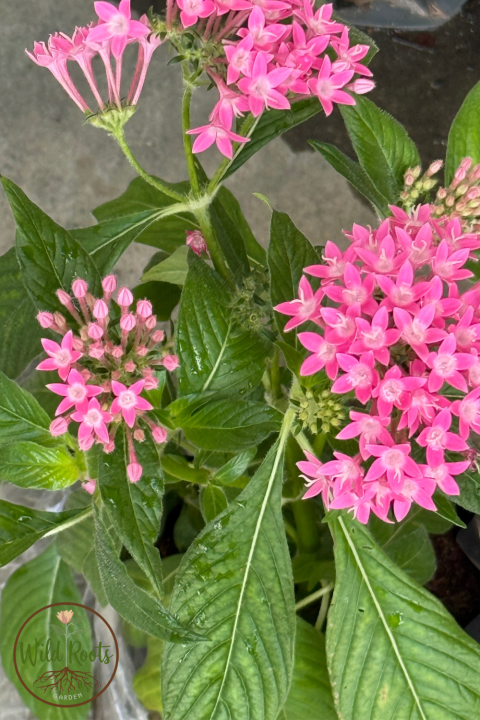
Pentas are also excellent at attracting pollinators like butterflies and hummingbirds, adding a lively, buzzing energy to your garden. Their tough nature means they can withstand the strong Florida sun without wilting, making them a reliable option for sunny spots.
Attracting Pollinators
One of the most wonderful aspects of growing pentas is their ability to draw in beneficial insects. Butterflies, in particular, are strongly attracted to the nectar-rich blooms. Observing a butterfly garden filled with fluttering wings is a truly rewarding experience.
Hummingbirds also find pentas irresistible, sipping nectar from the tubular flowers. This makes pentas not just ornamental but also ecologically valuable, contributing to a healthy garden ecosystem.
Real-life example: Sarah in Miami planted a border of red pentas along her sunny patio. She noticed a significant increase in butterfly activity within weeks, transforming her patio into a vibrant, natural sanctuary. The pentas bloomed from May through October, providing continuous color and attracting wildlife.
- Ease of CarePentas are remarkably low-maintenance, which is a huge plus for busy gardeners or those just starting out. They don’t require constant attention and are quite forgiving if you miss a watering day now and then, though consistent moisture is best for optimal flowering. Their resilience means less work for you and more enjoyment of their beauty.
- Blooming PowerUnlike some plants that fade in the heat, pentas truly come alive in the summer. They are bred to be heat-tolerant and will continue to produce masses of flowers even on the hottest days. This consistent blooming ensures your garden stays colorful and attractive from early summer until the first frost.
- Versatility in PlantingPentas look fantastic in a variety of garden settings. They work beautifully in mass plantings, as accents in flower beds, or even in containers on a sunny porch or balcony. Their upright growth habit makes them a great addition to the middle or back of a garden bed, providing height and structure.
Statistics show that gardens with a high diversity of flowering plants, like those featuring pentas, can support up to 30% more native bee species than monoculture plantings. This highlights the ecological benefit of incorporating such vibrant and nectar-rich plants.
2. Black-Eyed Susans
Black-eyed Susans, or Rudbeckia, are cheerful, daisy-like flowers with golden-yellow petals surrounding a dark brown center. They are incredibly tough and thrive in full sun, making them a perfect fit for Florida’s bright summers. These plants are native to North America and have adapted to various conditions, including the heat and humidity common in Florida.
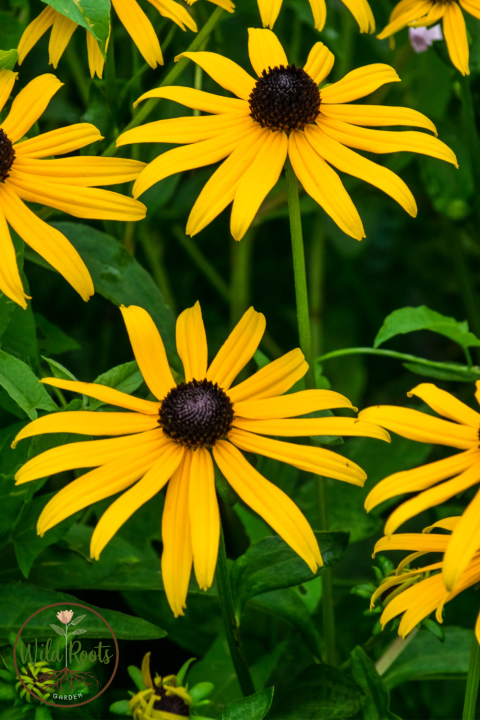
They are relatively drought-tolerant once established, which is a significant advantage during Florida’s dry spells. Their vibrant color adds a burst of sunshine to any garden bed or border, and they are also great for cutting and bringing indoors.
Drought Tolerance
Once their root systems are well-developed, black-eyed Susans can go for extended periods without water. This is a key characteristic for plants in Florida, where summer can bring dry spells even amidst high humidity. Their ability to store water in their sturdy stems and roots helps them survive and bloom.
This makes them a low-fuss choice for sunny, well-drained areas.
Sample Scenario: Imagine a sunny spot in your yard that bakes all day. Instead of leaving it bare, you plant a cluster of Black-Eyed Susans. Even with occasional missed watering, they will likely bounce back and continue to provide cheerful yellow blooms throughout the summer and fall.
- Attracting WildlifeThese flowers are not just pretty; they’re also a magnet for beneficial insects. Bees and butterflies love to visit the open faces of black-eyed Susans to collect nectar and pollen. Their seeds also provide a food source for various songbirds later in the season, making them a valuable addition to a wildlife-friendly garden.
- Long Blooming SeasonBlack-eyed Susans offer a generous bloom period. They typically start flowering in mid-summer and continue well into the fall, often until the first hard frost. This means you get months of bright color from a single planting, which is excellent value for any garden.
- Low Maintenance NeedsBeyond initial planting and occasional watering during extreme dry spells, black-eyed Susans require very little attention. They are not prone to many pests or diseases and don’t need fussy pruning. Deadheading spent flowers can encourage more blooms, but it’s not essential for their survival.
According to horticultural studies, native plants like Rudbeckia triloba (a species of Black-Eyed Susan) can increase pollinator visits by up to 50% compared to non-native ornamental plants.
3. Lantana
Lantana is an absolute champion for Florida gardens, especially those blessed with full sun. This tough, heat-loving shrubby plant produces vibrant clusters of small flowers that often change color as they mature, creating a multi-hued effect within a single bloom. Colors range from yellow and orange to pink, red, and purple, often blending together.
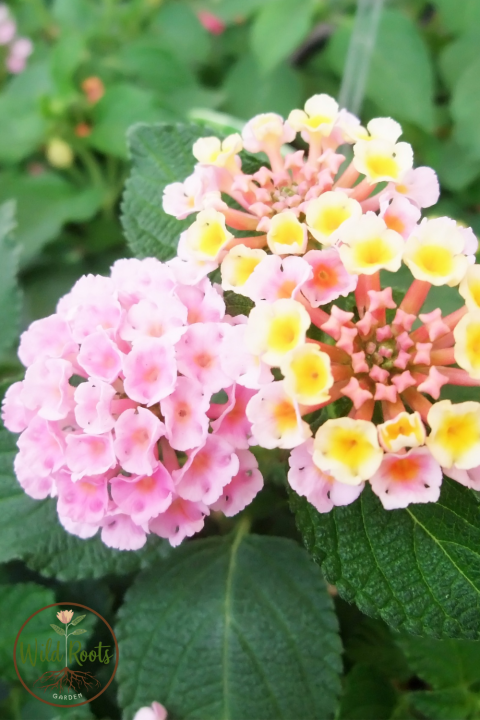
Lantana is incredibly drought-tolerant once established and thrives in the intense Florida sun. It’s also a powerful attractant for butterflies, earning it the nickname “butterfly bush.” Lantana grows quickly and can provide continuous color from spring through fall, making it a cornerstone of many sunny Florida landscapes.
Butterfly Magnet
Lantana is renowned for its ability to draw in butterflies. The flat-topped flower clusters provide a perfect landing pad for these delicate creatures, and the nectar is highly appealing. Seeing numerous butterflies flitting around your garden, drawn by the lantana’s blossoms, is one of summer’s simple joys.
It’s a plant that truly brings life to your outdoor space.
Real-life example: A community garden in Orlando used lantana as a border for their vegetable beds. Not only did the lantana add beautiful, consistent color, but it also attracted a significant number of butterflies and other pollinators, which in turn helped pollinate the nearby vegetables, leading to a better harvest.
- Drought and Heat ResistanceLantana is perfectly adapted to Florida’s climate. It can handle extreme heat and will survive and bloom even during prolonged dry periods, making it an excellent choice for low-water gardening. Its resilience in tough conditions is a major reason for its popularity among Florida gardeners.
- Continuous BloomsFrom late spring until the first frost, lantana reliably produces flowers. This means your garden will have a splash of vibrant color for most of the year. It’s a plant that keeps on giving, requiring minimal fuss for maximum visual impact.
- Variety of FormsLantana comes in various forms, from upright shrubs that can grow several feet tall to trailing varieties that spill beautifully from containers or hang over walls. This versatility allows you to use it in almost any sunny garden situation, whether you need a focal point, a groundcover, or a spiller for a hanging basket.
Data from the University of Florida IFAS Extension highlights that many lantana varieties are considered “Florida Friendly,” meaning they require less water, fertilizer, and pest control, aligning with sustainable gardening practices.
4. Portulaca (Moss Rose)
Portulaca, often called Moss Rose, is a low-growing, succulent annual that absolutely adores the sun and heat. Its vibrant, rose-like flowers come in a dazzling array of colors, including red, orange, yellow, pink, and white. The plant has fleshy leaves that store water, making it incredibly drought-tolerant.
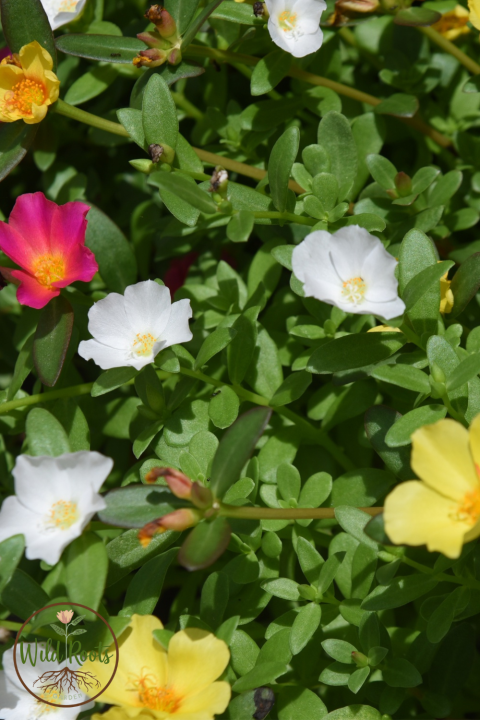
This makes it an ideal candidate for sunny, dry areas where other plants might struggle. Portulaca is perfect for edging garden beds, filling in rock gardens, or cascading from hanging baskets and containers. It opens its flowers in the morning sun and closes them in the evening or on cloudy days, offering a dynamic display.
Succulent Nature
The succulent nature of portulaca is key to its survival in hot, dry conditions. Its thick, fleshy leaves and stems are adapted to store water, allowing the plant to withstand periods of drought without wilting. This characteristic is a significant advantage in Florida’s sometimes dry summer spells, reducing the need for frequent watering and making it a great choice for water-wise gardening.
Sample Scenario: You have a hot, sunny slope in your yard that’s difficult to keep watered. Planting Portulaca here is a smart move. The plants will spread, cover the ground, and bloom profusely throughout the summer, requiring very little care and adding a carpet of cheerful color.
- Drought Tolerance ChampionPortulaca is one of the most drought-tolerant annuals you can grow. It thrives on neglect once established and requires minimal water, making it perfect for those hot, dry spots in your garden or for gardeners who may not have time for frequent watering. Its ability to store water is a remarkable adaptation.
- Continuous, Bright BloomsDespite its small size, portulaca puts on a big show. The flowers are incredibly vivid and bloom from late spring through fall, as long as the weather is warm. The constant burst of color is a welcome sight, and the variety of shades means you can create stunning color combinations.
- Low-Growing HabitIts naturally low and spreading growth habit makes portulaca an excellent groundcover for sunny areas. It can also be used to edge pathways, fill in gaps between larger plants, or spill over the sides of containers and hanging baskets. It adds a delicate but colorful texture to the landscape.
Gardening experts often note that the water content in portulaca’s leaves can be as high as 80%, contributing significantly to its drought resilience. This adaptation is crucial for its success in hot, sunny climates.
5. Zinnias
Zinnias are a gardener’s delight, known for their bright, cheerful blooms that come in nearly every color imaginable except true blue. They absolutely love the hot Florida sun and are quite drought-tolerant once they are established. These annuals are easy to grow from seed, making them a budget-friendly option for filling your garden with color.
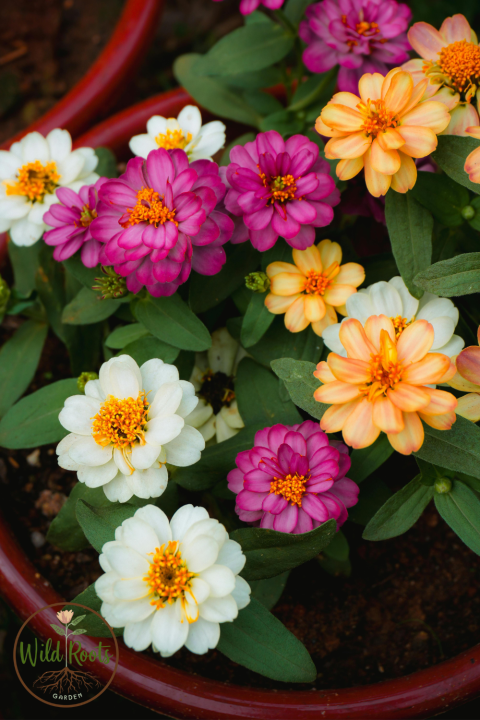
Zinnias are also fantastic cut flowers, and the more you cut them, the more they tend to bloom! They attract butterflies and other pollinators, adding life and movement to your garden. For the best results in Florida summers, choose varieties known for their disease resistance.
Excellent Cut Flowers
One of the best things about growing zinnias is their suitability as cut flowers. They last a long time in vases, and regularly harvesting blooms encourages the plant to produce even more flowers. This means you can enjoy their vibrant colors both in your garden and inside your home.
A vase of fresh zinnias is a guaranteed mood-booster.
Real-life example: Emily started a small cutting garden in her backyard, planting several rows of zinnias. She was amazed by how many bouquets she could create throughout the summer. Her friends and family often commented on the beautiful, long-lasting flowers she brought to gatherings, all grown from simple zinnia seeds.
- Heat and Sun LoversZinnias are summer annuals that thrive in high temperatures and full sun. They truly perform best when they receive at least six to eight hours of direct sunlight per day. This makes them ideal for Florida’s intense summer conditions, where many other plants might falter.
- Attracting ButterfliesThe flat-topped flower heads of many zinnia varieties provide a perfect landing platform for butterflies. Their bright colors and abundant nectar are highly attractive to these pollinators, transforming your garden into a lively and colorful spectacle. It’s a great way to support local wildlife.
- Ease of Growing from SeedZinnias are famously easy to grow directly from seed sown into the garden after the danger of frost has passed. This makes them an economical choice for gardeners looking to fill large spaces with color. You can achieve a stunning display with minimal effort and cost.
According to agricultural data, the commercial cut flower industry often relies on zinnias for their reliability, vibrant colors, and long vase life. Some growers report harvesting up to 20 stems per plant over a single growing season with proper care.
6. Angelonia (Summer Snapdragon)
Angelonia, often called Summer Snapdragon, is a fantastic annual for Florida gardens that crave color in the heat and full sun. These plants produce tall spikes of flowers that resemble snapdragons but bloom continuously throughout the summer without needing deadheading. The flowers come in shades of pink, purple, white, and sometimes a soft blue.
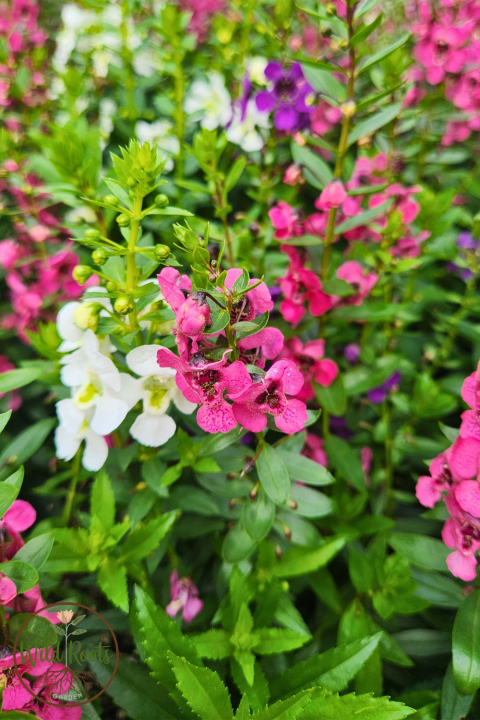
Angelonia has an upright growth habit and is quite tolerant of heat and humidity, making it a reliable performer when other flowering plants might fade. Its sturdy stems also make it a good candidate for cut flowers, though it’s more often enjoyed in the landscape for its continuous bloom.
Continuous Bloom Without Deadheading
One of the most appealing features of Angelonia is its ability to bloom non-stop without the gardener needing to remove spent flowers. This “self-cleaning” trait means less work for you. The plant will keep producing new blooms from the top of the spikes, ensuring a consistent display of color throughout the summer and into the fall.
Sample Scenario: You want a reliable flowering plant for the front of a sunny flower bed that doesn’t require constant upkeep. Planting Angelonia here means you’ll have attractive flower spikes adding height and color from June through October with minimal intervention from you.
- Heat and Humidity ToleranceAngelonia is a tropical native, which explains its exceptional ability to thrive in hot and humid conditions. Unlike many annuals that struggle in the peak of summer, Angelonia stays strong and continues to flower, making it a dependable choice for Florida’s challenging climate.
- Upright Flower SpikesThe erect flower spikes add vertical interest to garden beds and containers. They provide a strong visual element and can be used to create a layered look, particularly when planted behind lower-growing or mounding plants. Their structure adds a touch of elegance.
- Low MaintenanceBeyond watering and providing adequate sunlight, Angelonia requires very little maintenance. It’s not prone to many pests or diseases and doesn’t need regular pruning or deadheading. This makes it an easy-care option for gardeners of all skill levels.
Horticultural trials frequently cite Angelonia as one of the most heat-tolerant annuals available, often performing well even in temperatures exceeding 100°F (38°C), a common occurrence in Florida summers.
7. Caladiums
While often grown for their stunning foliage rather than flowers, Caladiums are a fantastic addition to shady spots. However, there are varieties that can tolerate partial sun and even some morning sun, making them versatile for Florida gardens. Their large, heart-shaped or arrowhead-shaped leaves come in a breathtaking array of colors and patterns, from deep reds and vibrant pinks to pure whites and intricate green veining.
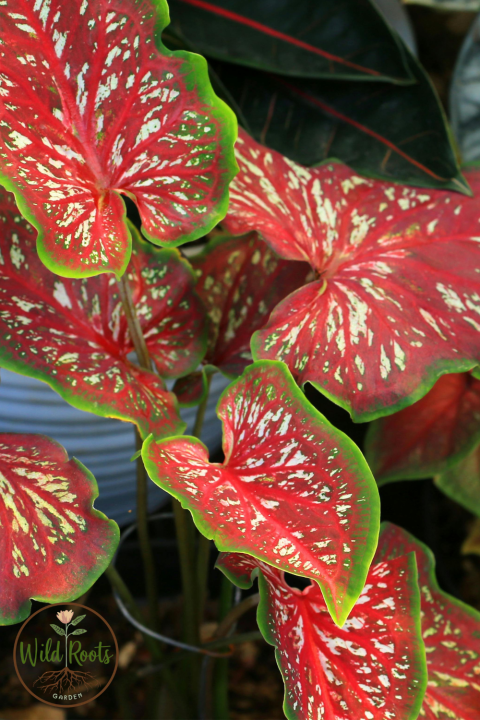
Caladiums add a tropical flair and a splash of exotic beauty to any landscape. They thrive in the warm, humid conditions of Florida summers, though they do prefer consistently moist soil and protection from the harshest afternoon sun.
Exotic Foliage
The true star of the Caladium is its foliage. The leaves are not just colorful; they are works of art, often featuring intricate patterns, bold splashes, and striking contrasts. They bring an element of the tropics and a sense of lushness to garden areas that might otherwise be plain.
The sheer variety of colors and patterns means you can create dynamic visual displays.
Real-life example: Maria lives in a neighborhood with mature trees that cast significant shade over her yard. She planted a mix of red and white Fancy Leaf Caladiums under her oak trees. The result was a vibrant, shaded oasis that provided color and visual interest throughout the summer, transforming a previously underutilized area.
- Shade and Partial Sun ToleranceWhile many plants struggle in shade, Caladiums excel. They are perfect for underplanting trees or for areas that receive only filtered light or morning sun. Some newer varieties are even more sun-tolerant, allowing for wider placement options in a garden.
- Tropical AestheticCaladiums instantly evoke a tropical paradise. Their large, dramatic leaves bring a sense of lushness and exotic beauty to any garden setting. They are ideal for creating a vacation-like atmosphere in your own backyard, especially in Florida’s climate.
- Variety of TypesCaladiums come in two main types: Fancy-Leaf and Strap-Leaf. Fancy-Leaf varieties have upright, large leaves, while Strap-Leaf types have narrower, cascading leaves. This variety allows for different planting effects, from upright accents to flowing groundcovers.
Caladiums are native to South America, where they grow in the understory of tropical rainforests. This origin explains their preference for warm, humid conditions and dappled light, making them well-suited to the understory environments found in many Florida gardens.
8. Verbena
Verbena is a fantastic choice for Florida’s sunny gardens, offering continuous blooms and remarkable resilience. These plants produce clusters of small, vibrant flowers that come in a wide range of colors, including shades of purple, pink, red, white, and blue. Many varieties are trailing or mounding, making them ideal for edging beds, spilling over containers, or creating a groundcover effect.
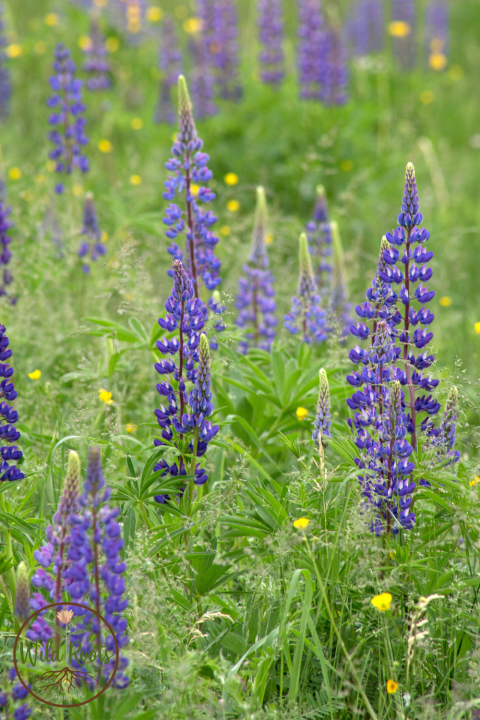
Verbenas are known for their ability to withstand heat and drought once established, and they are magnets for butterflies and other pollinators. Their long blooming season ensures a consistent splash of color throughout the summer and into the fall.
Butterfly and Bee Attraction
Verbena flowers are a powerful attractant for pollinators. The small, nectar-rich blooms provide a vital food source for butterflies and bees, helping to support local insect populations. Planting verbena is a simple yet effective way to bring more buzzing and fluttering life into your garden, making it a more dynamic and engaging space.
Real-life example: John in Tampa planted trailing purple verbena in his front porch containers. He was thrilled to see how many butterflies and bees it attracted every day, turning his porch into a lively focal point. The verbena bloomed relentlessly from spring until the first frost.
- Heat and Drought ToleranceVerbena plants are well-adapted to hot climates and can tolerate periods of dry weather once they have established a good root system. This makes them a reliable choice for sunny, well-drained locations in Florida where watering might be inconsistent.
- Long Blooming PeriodMany verbena varieties are bred for continuous blooming. They will produce flowers prolifically from spring through fall, providing a constant source of color and beauty in your garden. This makes them a very rewarding plant to grow.
- Versatile Growth HabitsVerbena comes in both upright and trailing forms. Trailing varieties are perfect for hanging baskets, window boxes, and borders where they can cascade over the edges. Upright varieties can be used in mixed flower beds to add color and texture.
Statistics from gardening organizations indicate that the inclusion of pollinator-attracting plants like verbena can increase the presence of beneficial insects in urban gardens by as much as 40%, contributing to a healthier local ecosystem.
9. Salvia
Salvia, also known as Sage, is a remarkably diverse genus that offers many varieties perfect for the hot, sunny Florida summer. From the popular bright red perennial salvias that attract hummingbirds to the colorful annual salvias that bloom profusely in beds and containers, there’s a salvia for almost any sunny spot. These plants are generally tough, heat-tolerant, and relatively drought-tolerant once established.
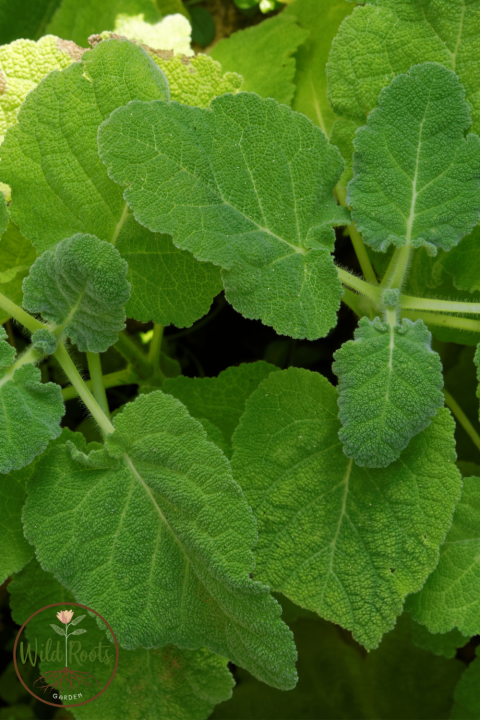
They offer spikes or clusters of flowers in a stunning array of colors, including red, purple, blue, pink, and white, and many have aromatic foliage. They are magnets for hummingbirds, butterflies, and bees, making them a vital addition to any pollinator garden.
Hummingbird and Butterfly Haven
Many salvia varieties, especially those with red or tubular flowers, are absolute favorites of hummingbirds. The bright colors and abundant nectar act as a powerful draw. Butterflies and bees also flock to salvias, making them one of the best plants for creating a dynamic, wildlife-filled garden.
Watching these tiny creatures feed amongst the blooms is a captivating experience.
Real-life example: A homeowner in South Florida planted a large bed of red salvia near their patio. They were delighted to find that hummingbirds were frequent visitors throughout the summer, often seen hovering around the salvia blooms. The continuous flowering provided a reliable food source for these energetic birds.
- Drought and Heat ToleranceMany salvia species are native to arid or Mediterranean climates, meaning they are inherently well-equipped to handle heat and dry conditions. This makes them excellent choices for sunny, well-drained areas in Florida where supplemental watering might be limited.
- Extended Bloom TimeMost salvias offer a long blooming period, often from spring through fall. This provides continuous color and nectar for pollinators throughout the growing season. Regular deadheading can encourage even more blooms on some varieties.
- Aromatic FoliageMany salvias, particularly perennial varieties, have fragrant foliage. When brushed against, the leaves release pleasant scents like sage, mint, or lavender. This adds another sensory dimension to the garden beyond visual appeal.
Research has shown that the nectar of salvias is highly concentrated, providing a rich energy source for hummingbirds and bees. A single blooming salvia plant can support multiple visits from hummingbirds daily during peak season.
10. Purslane (Portulaca oleracea)
Purslane, closely related to Portulaca (Moss Rose), is another excellent succulent for hot, sunny Florida gardens. It’s a low-growing, spreading plant with fleshy leaves that are not only drought-tolerant but also edible. Purslane produces small but vibrantly colored flowers in shades of yellow, orange, pink, and red, which open during the day and close at night.
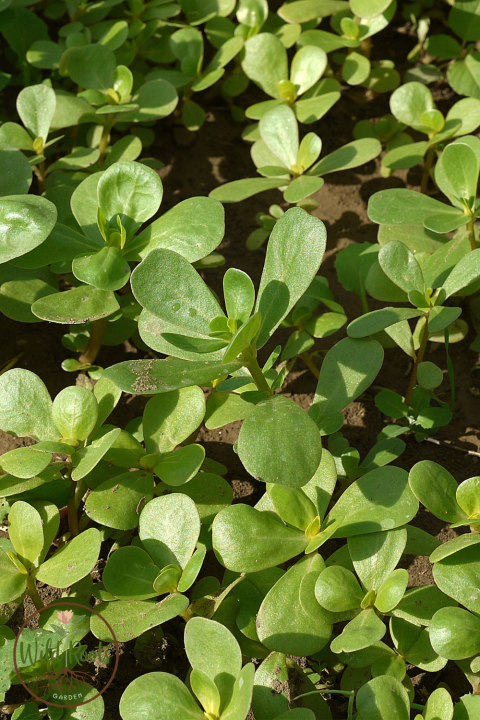
Its succulent nature allows it to thrive in challenging conditions, including poor soil and high heat, making it a very forgiving plant. It’s ideal for use as a groundcover, in rock gardens, or cascading from containers.
Edible and Ornamental
A unique benefit of purslane is its dual purpose as an ornamental plant and a nutritious edible. The leaves and stems have a slightly tart, lemony flavor and a crisp texture, making them a great addition to salads or as a garnish. This means you get beauty and a healthy harvest from the same plant, a fantastic bonus for any gardener.
Sample Scenario: You want a groundcover for a very hot, sunny area that also provides a bit of food. Purslane is perfect. It will spread to cover the ground, bloom with cheerful small flowers, and you can snip off leaves and stems to add a fresh, tangy element to your salads.
- Extreme Drought TolerancePurslane is exceptionally drought-tolerant due to its succulent leaves and stems, which store water. It can survive and even thrive in conditions where many other plants would wither and die, making it ideal for the hottest, driest spots in your garden.
- Spreading Groundcover HabitIts low, spreading growth habit makes purslane an effective groundcover. It can suppress weeds by forming a dense mat and also helps retain soil moisture. It’s perfect for filling in gaps or softening the edges of garden beds.
- Resilience to Heat and Poor SoilPurslane is not fussy about soil quality and tolerates high temperatures with ease. This resilience makes it one of the most reliable plants for difficult growing conditions, ensuring success for even novice gardeners in hot climates.
Botanical studies on purslane have highlighted its significant nutritional content, including omega-3 fatty acids, vitamins A and C, and antioxidants. This nutritional profile makes it a valuable addition to the diet when grown organically.
Frequently Asked Questions
Question: What is the main challenge when choosing summer garden plants for full sun in Florida?
Answer: The main challenge is the intense heat combined with relentless sunshine, which can be too much for many common garden plants. They might wilt, get sunburned, or simply fail to thrive.
Question: Do these plants need a lot of water in the Florida summer?
Answer: Many of these plants are chosen for their drought tolerance once established, meaning they require less frequent watering than other plants, which is a big help in the summer heat.
Question: Can beginners grow these plants successfully?
Answer: Yes, absolutely! These plants are generally low-maintenance and forgiving, making them excellent choices for beginner gardeners looking for success in Florida’s climate.
Question: How much sun do “full sun” plants really need?
Answer: Full sun typically means a location that receives at least six to eight hours of direct sunlight per day, ideally without the harshest afternoon sun during the peak of summer.
Question: Are there any flowering plants on this list that bloom all summer?
Answer: Yes, plants like Pentas, Lantana, Zinnias, Angelonia, and Verbena are known for their continuous blooming throughout the summer months, providing season-long color.
Wrap Up
Choosing the best summer garden plants in florida for full sun leads to a vibrant, thriving garden. Focus on heat-tolerant, sun-loving options like Pentas, Lantana, and Zinnias. These resilient beauties will reward you with continuous color and minimal fuss.