If you’re dreaming of biting into fresh, juicy fruit straight from your own backyard, knowing the best time to plant fruit trees in Florida is key to your success. Planting at the right moment gives your trees the best chance to grow strong roots and produce abundant fruit year after year.
But when exactly should you dig in? Timing can make all the difference between a thriving orchard and a struggling sapling. In this guide, you’ll discover the ideal planting seasons tailored to Florida’s unique climate, plus tips on which fruit trees are easiest to grow and how to care for them from the start.
Keep reading to unlock the secrets that will help your fruit trees flourish and bring a delicious harvest to your home garden.

Credit: www.revivalgardening.com
Planting Seasons In Florida
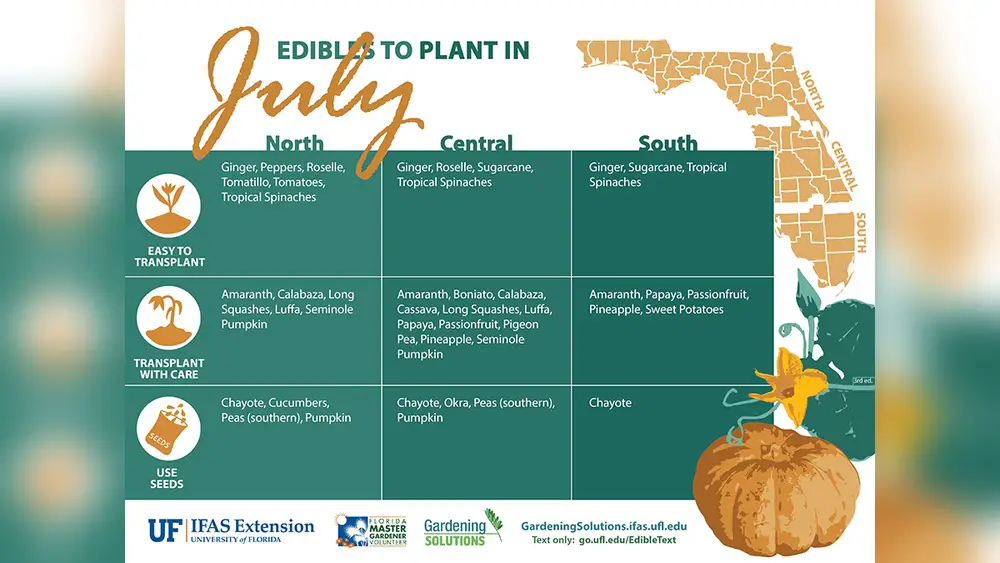
Choosing the right time to plant fruit trees in Florida affects their growth and fruit production. Florida’s warm climate allows for multiple planting seasons. Understanding these seasons helps you plant trees at the best time. The right season gives roots time to grow before hot weather arrives. Planting at the wrong time can stress young trees and reduce yields.
Late Winter Benefits
Late winter is an ideal time to plant many fruit trees in Florida. Trees are still dormant, which reduces transplant shock. The cooler weather helps roots establish before spring heat. Soil moisture tends to be higher, supporting root growth. Planting in late winter gives trees a strong start for the growing season.
Early Spring Advantages
Early spring allows trees to start growing soon after planting. The weather warms gradually, encouraging root and shoot growth. Trees planted in early spring can develop well before summer. This season is good for trees that need a little warmth to wake from dormancy. Early spring planting helps trees prepare for the upcoming hot months.
Avoiding Summer Heat
Summer heat in Florida can be harsh on new fruit trees. High temperatures and dry conditions stress young trees. Avoid planting during summer to prevent water loss and root damage. Trees planted before summer have time to grow strong roots. Well-established roots help trees survive Florida’s intense summer heat.
Choosing Fruit Trees For Florida
Choosing the right fruit trees for Florida ensures a successful garden. Florida’s warm climate and sandy soil suit many fruit types. Selecting trees that thrive locally reduces work and increases fruit yield. Focus on trees that match your space, soil, and care ability. Consider low-maintenance, quick-harvest, or hardy trees for best results.
Low-maintenance Varieties
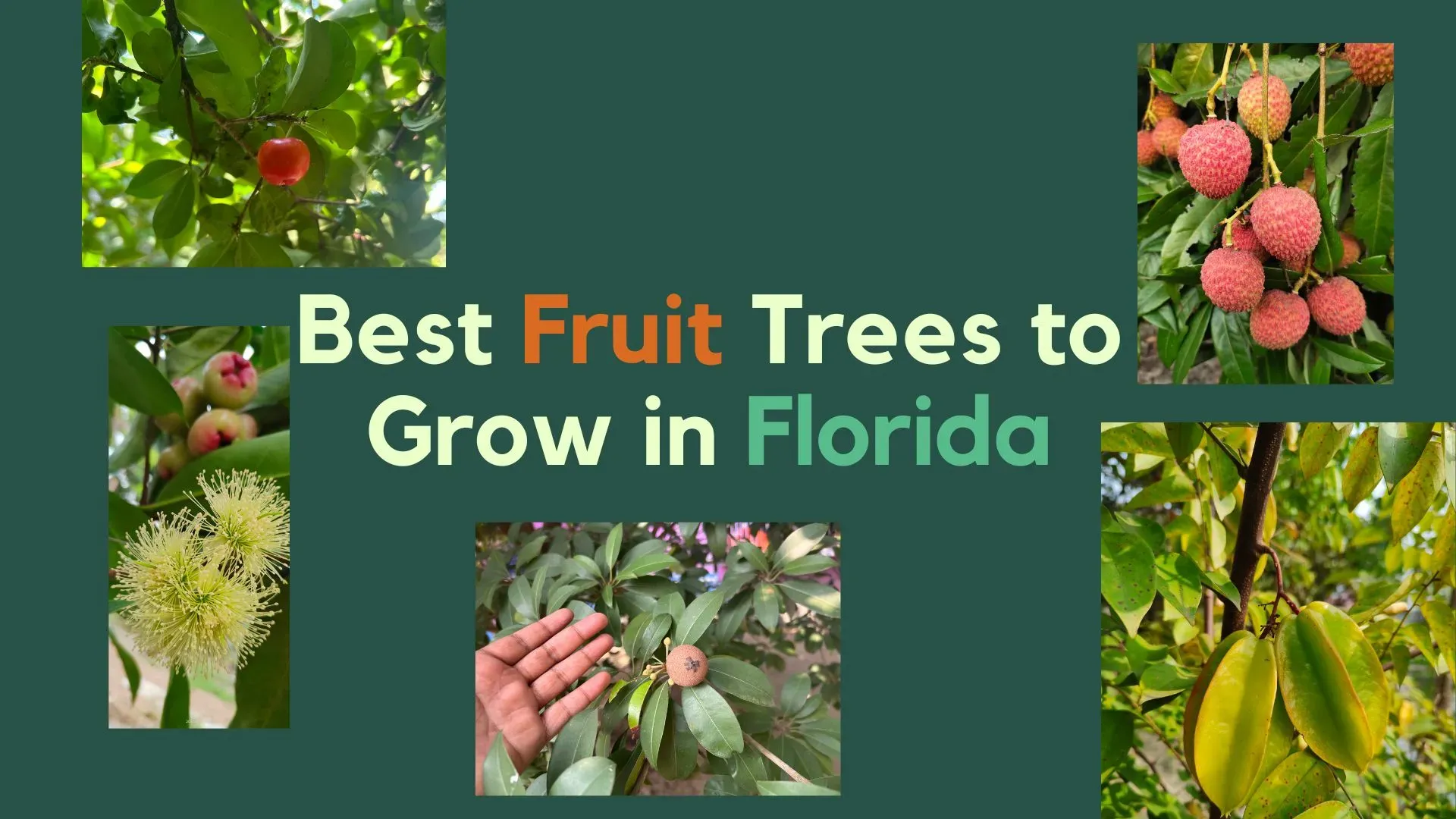
Mulberry trees grow fast and need little care. They produce lots of sweet fruit without much effort. Guava trees adapt well to Florida’s humid weather. They tolerate poor soil and give fruit in one to two years. Fig trees also do well with minimal attention. Choose varieties suited to Florida’s climate for best growth.
Quick-harvest Options
Bananas grow quickly and start fruiting within months. Though not a tree, they fit well in Florida gardens. Pineapple plants also produce fruit fast and require less space. Barbados Cherry bushes yield fruit early and are easy to grow. These options provide fresh fruit in a shorter time than many trees.
Adaptable And Hardy Trees
Japanese Persimmons handle Florida’s heat and occasional cold snaps. They resist pests and diseases well. Citrus trees like oranges and lemons thrive in Florida’s soil with proper care. These trees adjust to varying conditions and offer steady fruit production. Choose hardy varieties to ensure survival and good harvests.
Climate Zones Impact
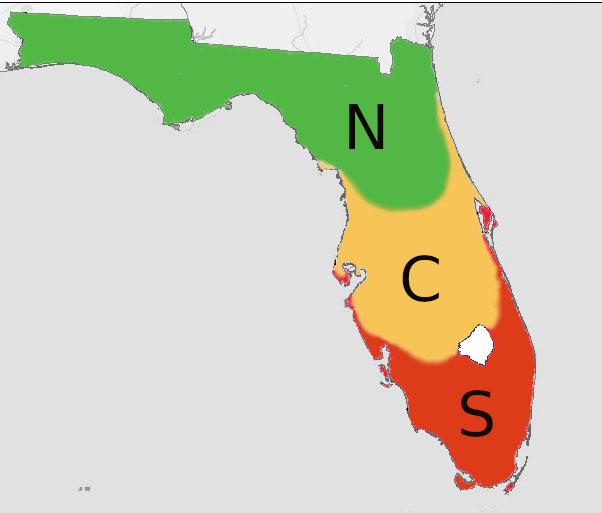
Florida’s climate varies widely from north to south. This variation affects the best time to plant fruit trees. Understanding these differences helps you choose the right planting season. Each zone has unique weather patterns and temperature ranges. These factors influence tree growth and fruit production.
North Florida Considerations
North Florida has cooler winters and occasional frosts. Plant fruit trees after the last frost date, usually late February to early March. This timing helps trees avoid freeze damage. Choose cold-hardy varieties like apples and peaches. Trees need a dormant period to develop strong roots. Avoid planting in late fall to prevent frost harm.
Central Florida Conditions
Central Florida has mild winters and hot summers. Plant fruit trees from January through March for best results. The soil warms early, encouraging root growth. Tropical trees like mango and avocado do well here. Avoid planting during the hottest summer months. Too much heat can stress young trees and reduce survival rates.
South Florida Climate
South Florida is tropical with warm temperatures year-round. Plant fruit trees almost any time except during the wettest months, June through September. Heavy rains can cause root rot and disease. Citrus, papaya, and lychee grow well in this zone. Planting in late fall or winter gives trees a good start before the rainy season.
Credit: gardenvive.com
Soil And Care Tips
Healthy soil and proper care form the foundation for thriving fruit trees in Florida. Preparing the soil correctly, adding organic matter, and maintaining good watering habits help young trees grow strong roots. These steps improve nutrient uptake and protect trees during Florida’s hot seasons.
Soil Preparation
Start by testing the soil pH. Fruit trees prefer slightly acidic to neutral soil, around 6.0 to 7.0 pH. Remove weeds and debris from the planting area. Loosen the soil to a depth of 12 to 18 inches to help roots spread easily. Mix in sand or organic matter if soil is heavy clay to improve drainage.
Composting And Mulching
Compost enriches soil with nutrients and beneficial microbes. Work compost into the top layer before planting. Apply a 2-4 inch layer of mulch around the tree base. Mulch keeps soil moist, controls weeds, and moderates soil temperature. Keep mulch a few inches away from the trunk to prevent rot.
Watering Guidelines
Young fruit trees need regular watering to establish roots. Water deeply at least twice a week during the first year. Avoid shallow watering, which encourages weak roots. Adjust watering frequency during rainy seasons to avoid waterlogging. Use drip irrigation or soaker hoses for efficient water delivery.
Protecting Your Fruit
Protecting your fruit is essential for a successful harvest in Florida. The warm climate can attract pests and diseases that harm your fruit trees. Taking steps to guard your fruit ensures better quality and higher yields. This section covers simple ways to keep your fruit safe and healthy.
Fruit Bagging Techniques
Fruit bagging shields fruit from insects and sunburn. Use paper or mesh bags to cover young fruit. This creates a barrier that keeps pests away. Change bags if they get wet or torn. Bagging also reduces the need for chemical sprays. It is an easy and eco-friendly method to protect fruit.
Pest And Disease Management
Check your fruit trees often for signs of pests or disease. Remove damaged leaves and fruit quickly. Use natural sprays like neem oil to control bugs. Avoid overwatering to prevent fungal infections. Healthy trees resist pests better. Keep your garden clean to stop disease spread.
Preventing Fruit Fly Damage
Fruit flies are a major problem for Florida fruit trees. Use traps with bait to catch adult flies. Bag fruit to stop egg-laying. Harvest fruit as soon as it ripens. Remove fallen fruit from the ground to cut breeding sites. These steps reduce fruit fly damage and keep your harvest safe.
Planting Methods
Choosing the right planting method is key to growing healthy fruit trees in Florida. Proper techniques help the tree adapt and thrive in the local climate. This section covers the main planting methods and tips for success.
Bare Root Vs. Container Trees
Bare root trees arrive without soil around their roots. They are easy to plant and often cheaper. Plant them during the dormant season, usually late winter. This timing helps roots grow before the heat arrives.
Container trees come in pots with soil and roots intact. They can be planted any time during the growing season. These trees often have less transplant shock and start growing faster.
Proper Planting Depth
Plant fruit trees at the same soil depth as in their nursery container. Planting too deep can cause root rot and harm the tree. Too shallow planting exposes roots and dries them out. Make a hole twice as wide as the root ball. Spread roots gently before covering with soil.
Spacing For Growth
Give each tree enough space to grow well. Most fruit trees need 10 to 20 feet between them. Good spacing allows sunlight and air to reach all parts of the tree. Crowded trees compete for nutrients and invite pests. Plan your orchard or garden layout carefully.
Tips For Faster Harvest
Harvesting fruit sooner adds joy and value to your Florida garden. Some simple strategies help your trees bear fruit faster. Focus on smart plant choices and care to speed growth. These tips fit well with Florida’s climate and soil.
Dwarf Varieties Benefits
Dwarf fruit trees grow smaller and mature quicker than standard trees. Their compact size means less waiting time for fruit production. You can plant them closer together, saving space. These trees also need less water and fertilizer. Ideal for small yards and patios, they are easier to care for. Choose dwarf varieties to enjoy fruit in just 1 to 3 years.
Using Fruit-bearing Bushes
Fruit bushes like pineapple guava and Barbados cherry produce fruit faster than trees. They mature quickly and start fruiting within a year or two. These bushes require less pruning and care. They also tolerate Florida’s heat and humidity well. Planting bushes alongside trees increases your harvest variety and speed. Great for gardeners who want fast results and low maintenance.
Maximizing Sunlight Exposure
Fruit trees need at least 6 to 8 hours of direct sun daily. More sunlight means faster growth and bigger fruit yields. Place trees in open areas without shade from buildings or other plants. Prune branches that block sunlight to lower leaves and fruit. Proper sunlight helps trees produce energy for faster fruit development. Arrange your orchard or garden to capture the most sun possible.
Credit: floridafruitgeek.com
Frequently Asked Questions
When Should You Plant Fruit Trees In Florida?
Plant fruit trees in Florida during late winter to early spring, ideally in January. This timing helps roots establish before the heat. Choose varieties suited to your local climate zone for best results.
What’s The Easiest Fruit Tree To Grow In Florida?
The easiest fruit trees to grow in Florida include Mulberry, Guava, Banana, Fig, and Japanese Persimmon. These trees tolerate heat, humidity, and poor soil well. Choose dwarf varieties for quicker harvests and ensure proper planting in late winter for best results.
Is October Too Late To Plant Fruit Trees?
October can be late for planting fruit trees in colder regions. Planting in early spring or late winter ensures better root establishment. In mild climates like Florida, October planting may still succeed if trees are well-watered and protected from frost.
Choose suitable varieties for your zone.
What Fruit Trees Should Not Be Planted Together?
Avoid planting apple and pear trees together due to fire blight risk. Citrus trees should not grow near fig trees to prevent pest spread. Also, stone fruits like peaches and plums may share diseases, so plant them apart for healthier growth.
Conclusion
Planting fruit trees in Florida during late winter or early spring helps roots establish well. Starting in January gives trees a strong foundation before the heat arrives. Choosing easy-care trees like guava or mulberry boosts success for new gardeners. Remember to water young trees regularly and protect them from extreme weather.
With the right timing and care, your fruit trees will thrive and produce delicious harvests. Patience and attention make all the difference in Florida’s warm climate. Happy planting!