If you live in South Florida and want to grow juicy, flavorful tomatoes, knowing the best time to plant them is your first step to success. Planting tomatoes at the right time can mean the difference between a bountiful harvest and struggling plants.
You might be wondering: when exactly should you start planting? South Florida’s unique climate—with its heat, humidity, and occasional storms—calls for a smart planting schedule that works with nature, not against it. You’ll discover the ideal months to plant your tomatoes, the varieties that thrive in this region, and simple tips to help your garden flourish.
Keep reading to unlock the secrets to growing healthy, delicious tomatoes in your own backyard!
Credit: www.soflagardening.com
Tomato Planting Seasons
Tomato planting in South Florida follows a unique seasonal pattern. The warm climate allows for multiple planting windows. Understanding these seasons helps gardeners get better yields. Planting at the right time avoids common problems like heat stress and pests.
South Florida’s weather varies throughout the year. Choosing the correct season ensures tomatoes grow strong and healthy. Let’s explore the best months and how to avoid extreme heat periods.
Optimal Months For Planting
In South Florida, plant tomatoes from late summer through early spring. August to March is the ideal range for planting. This period avoids the hottest months and rainy season. Fall and winter months offer cooler temperatures. These months reduce stress on young plants and support fruit development.
Starting seeds indoors in July can prepare plants for outdoor planting. Transplant seedlings to the garden by August or September. This timing aligns with South Florida’s mild fall weather. Spring planting can happen as late as March before the heat builds up.
Avoiding Extreme Heat Periods
Tomatoes struggle during South Florida’s peak summer heat. April through July often bring high temperatures and humidity. These conditions cause blossom drop and poor fruit set. Avoid planting or growing tomatoes outdoors during these months.
Using shade cloth or planting heat-tolerant varieties helps if you must grow in hot periods. Watering early in the day also reduces heat stress. Planning your planting outside the hottest months leads to healthier plants and larger harvests.

Credit: www.revivalgardening.com
Top Tomato Varieties
Choosing the right tomato variety is key to a successful garden in South Florida. The climate here is hot and humid most of the year. Some tomato types handle this weather better than others. Picking varieties that thrive in heat leads to bigger, healthier harvests.
This section highlights top tomato types suited for South Florida gardens. These include hybrids made for heat, popular cherry and paste tomatoes, and traditional Florida heirloom types. Each group offers unique benefits for different garden goals.
Heat-tolerant Hybrids
Heat-tolerant hybrids do well in South Florida’s warm climate. They resist diseases common in humid areas. ‘Better Boy’ is a favorite indeterminate hybrid with strong performance. ‘Floradade’ is a determinate hybrid bred in Florida for heavy yields. ‘Tropic’ offers great heat tolerance and disease resistance. ‘Heat Wave II’ keeps producing even in hot spells. These hybrids provide reliable fruit in tough weather.
Cherry And Paste Tomatoes
Cherry tomatoes grow fast and produce many small, sweet fruits. They suit containers and small spaces well. Popular types include ‘Sweet 100’ and ‘Sun Gold’. Paste tomatoes work well for sauces and canning. Varieties like ‘Roma’ and ‘San Marzano’ thrive in Florida heat. These tomatoes add flavor and variety to your garden.
Florida Heirloom Types
Florida heirlooms have a long history in local gardens. They often have unique shapes and rich flavors. Examples are ‘Everglades’ and ‘Homestead’. These tomatoes tolerate heat and humidity better than many heirlooms from other regions. Growing heirlooms preserves local tomato heritage and offers tasty fruit.
Soil Preparation Tips
Preparing the soil before planting tomatoes is key to a strong start. Healthy soil helps plants grow better and produce more fruit. Taking time to prepare the soil creates a good home for tomato roots. It also keeps plants healthy through the growing season.
Good soil preparation in South Florida means managing nutrients, moisture, and pH levels. These factors affect how well tomato plants absorb water and food. Proper soil care reduces problems like disease and poor growth.
Nutrient Management
Tomatoes need plenty of nutrients to grow well. Adding compost or aged manure enriches the soil with organic matter. Use a balanced fertilizer with nitrogen, phosphorus, and potassium. Spread fertilizer evenly and work it into the top few inches of soil. Avoid too much nitrogen to prevent leafy plants with few fruits.
Using Mulch For Moisture
Mulch helps keep soil moist and cool under the hot sun. Use straw, wood chips, or shredded leaves as mulch around tomato plants. Mulch slows water evaporation and reduces weeds. This keeps roots moist longer and lowers stress on plants during dry spells.
Soil Ph And Amendments
Tomatoes prefer slightly acidic soil with a pH between 6.0 and 6.8. Test soil pH before planting using a simple kit. If soil is too acidic, add lime to raise pH. For alkaline soil, use sulfur or peat moss to lower pH. Adjusting soil pH helps plants absorb nutrients better.
Credit: bonnieplants.com
Watering Strategies
Proper watering is crucial for healthy tomato plants in South Florida. The climate here is hot and humid, which affects how much water tomatoes need. Using the right watering methods helps plants grow strong and produce more fruit. Avoid overwatering or letting the soil dry out completely. Consistent moisture supports good root development and keeps plants healthy.
Deep And Consistent Watering
Water tomato plants deeply to reach the roots. Shallow watering makes roots stay near the surface and weak. Use a drip irrigation system or water slowly at the base. This method helps water soak into the soil well. Water tomatoes early in the morning to reduce evaporation. Keep the soil evenly moist, not soggy. Consistent watering prevents stress and supports fruit growth.
Managing Heat Stress
South Florida’s heat can stress tomato plants. Watering helps cool the roots and soil. During hot days, increase watering frequency but avoid flooding. Mulch around plants to keep soil moist and cool. Shade cloth can reduce heat exposure for young plants. Watch for signs of heat stress like wilted leaves. Timely watering reduces damage and keeps plants productive.
Sunlight And Shade
Tomatoes need the right balance of sunlight and shade to grow well in South Florida. The region’s intense sun can stress plants and affect fruit quality. Too much sun may cause leaf scorch and reduce yields. Shade helps protect plants from heat and keeps soil moisture steady. Understanding how to manage sunlight and shade improves tomato growth and fruit production.
Benefits Of Shade Cloth
Shade cloth blocks some sunlight and lowers temperature around tomato plants. It protects leaves from burning under strong South Florida sun. Shade cloth helps keep the soil moist longer by reducing evaporation. It also reduces plant stress and prevents wilting on hot days. Using shade cloth during the hottest months improves tomato health and fruit size.
Balancing Sun Exposure
Tomatoes need at least six hours of direct sunlight daily for good fruiting. Too much sun causes heat stress and dry soil. Shade during midday helps prevent heat damage. Morning and late afternoon sun provide enough light without burning plants. Balancing sun and shade creates the best conditions for strong tomato growth and tasty fruit.
Pest And Disease Control
Tomato plants in South Florida face many challenges from pests and diseases. Controlling these threats is key to a healthy and productive garden. Understanding local pests and using smart prevention can keep plants strong. Regular care helps avoid damage and loss of fruit.
Common Tomato Pests In South Florida
Tomato plants attract several pests in South Florida’s warm climate. Whiteflies are small insects that suck plant juices. They cause leaves to yellow and weaken plants. Aphids gather on new growth, spreading viruses and causing curling leaves. Spider mites thrive in dry weather, leaving tiny spots on leaves. Tomato hornworms are large caterpillars that can quickly eat leaves and stems. Early detection and removal stop these pests from spreading.
Disease Prevention Techniques
Good hygiene is vital for disease control in tomato gardens. Remove fallen leaves and plant debris to reduce fungal growth. Rotate crops yearly to prevent soil-borne diseases. Use mulch to keep soil moisture steady and block soil splash onto leaves. Water plants at the base early in the day to avoid wet leaves overnight. Select disease-resistant tomato varieties suited for South Florida’s climate. Inspect plants often and remove infected parts immediately to stop disease spread.
Enhancing Tomato Flavor
Enhancing the flavor of your homegrown tomatoes in South Florida is rewarding. The climate offers unique challenges and benefits for tomato taste. Simple techniques can improve the sweetness and richness of your tomatoes. Focus on soil care and proper harvesting for the best results.
Using Baking Soda Around Plants
Sprinkle baking soda around the base of tomato plants. It helps reduce soil acidity, which can affect tomato flavor. Lower acidity means sweeter, less tangy tomatoes. Baking soda also helps prevent fungal growth on leaves. Use a small amount to avoid harming plants. This easy trick supports better taste naturally.
Harvesting At Peak Ripeness
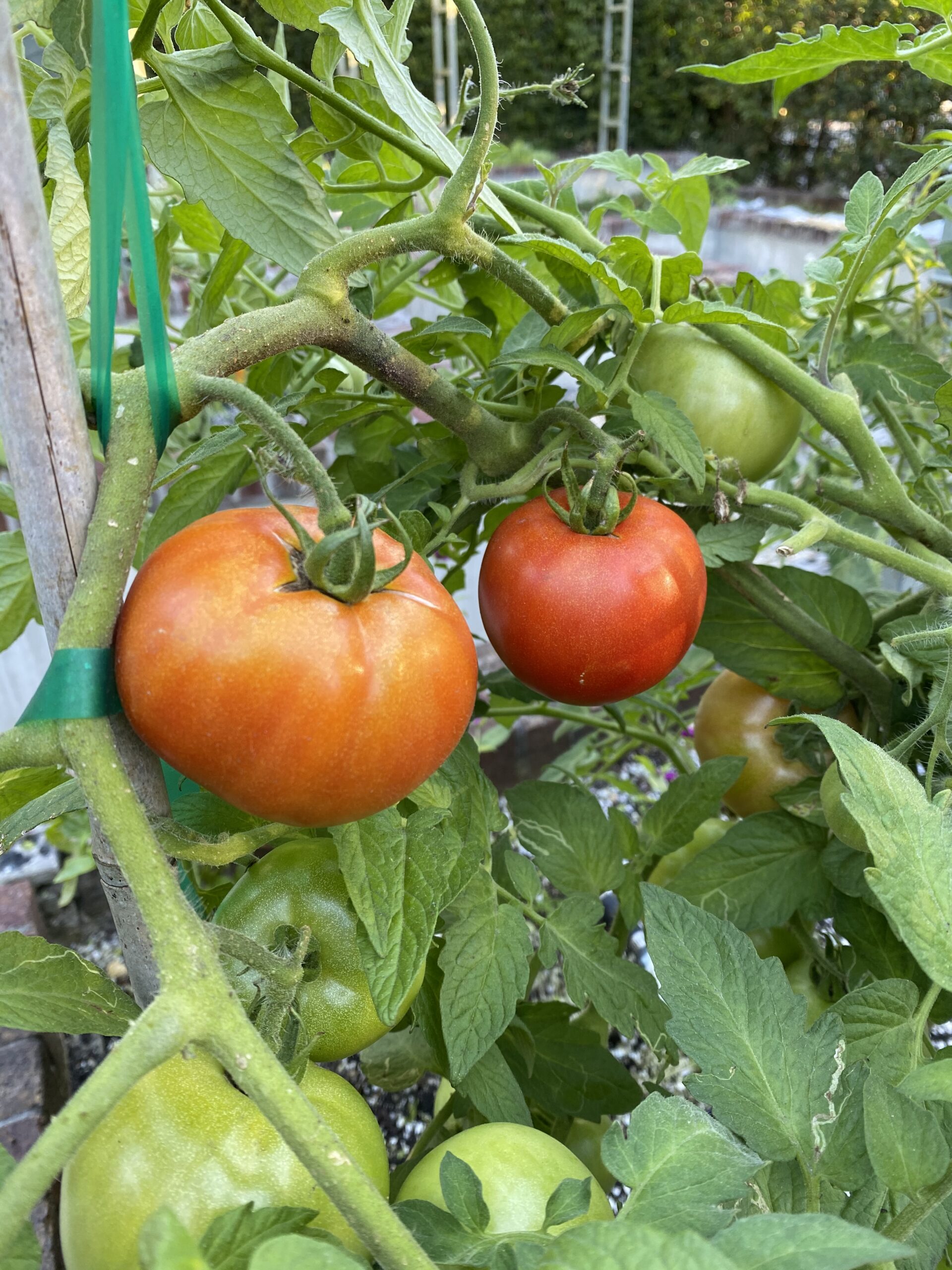
Pick tomatoes when they are fully ripe for the best flavor. Look for deep color and slight softness to the touch. Tomatoes continue to develop sugars while on the vine. Harvesting too early leads to bland taste and poor texture. Let tomatoes ripen on the plant as long as possible. This ensures a rich, full flavor in every bite.
Maintaining Plant Health
Maintaining plant health is crucial for growing strong, productive tomato plants in South Florida. The warm climate and high humidity require careful care. Healthy plants resist diseases and produce better fruit. Focus on proper nutrition and structure for the best results.
Fertilizer Recommendations
Tomatoes need balanced nutrients to grow well. Use a fertilizer with equal parts nitrogen, phosphorus, and potassium. Apply fertilizer every 4 to 6 weeks during the growing season. Avoid excess nitrogen, which causes leafy growth but fewer fruits. Organic options like compost or fish emulsion also work well. Always water after applying fertilizer to help roots absorb nutrients.
Pruning And Support
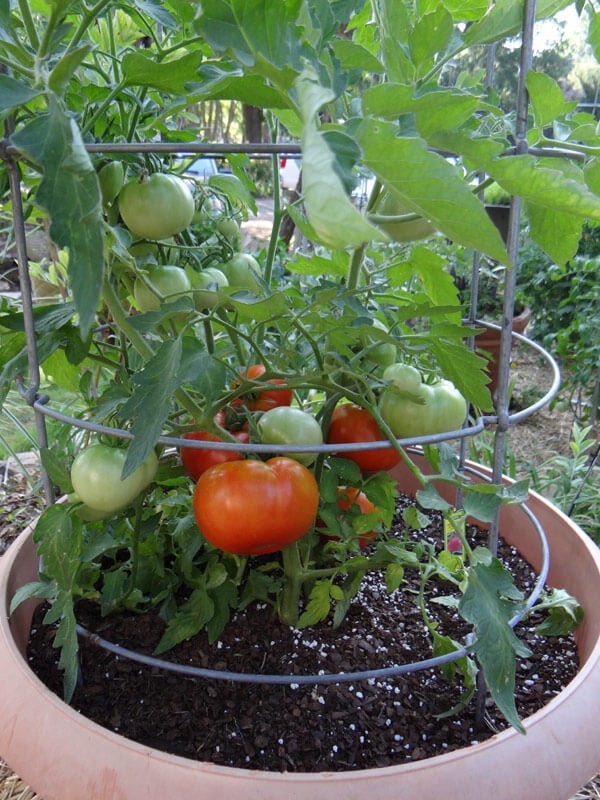
Pruning helps tomato plants focus energy on fruit production. Remove the small shoots that grow between main stems and branches. This allows better air flow and reduces disease risk. Use stakes, cages, or trellises to support plants. Support prevents branches from breaking under the weight of tomatoes. Proper pruning and support lead to healthier plants and larger harvests.
Frequently Asked Questions
What Month Do You Plant Tomatoes In South Florida?
Plant tomatoes in South Florida from August through March for the best growth. Choose heat-tolerant varieties and water consistently.
Why Should You Sprinkle Baking Soda Around Your Tomato Plants?
Sprinkling baking soda around tomato plants reduces soil acidity. This helps prevent fungal diseases and sweetens the tomatoes naturally.
What Tomatoes Grow Best In South Florida?
Heat-tolerant tomatoes grow best in South Florida. Top varieties include ‘Better Boy,’ ‘Floradade,’ ‘Tropic,’ and ‘Heat Wave II. ‘ Cherry types like ‘Everglades’ and paste tomatoes like ‘San Marzano’ also thrive. Choose hybrids resistant to heat, provide consistent watering, and use shade cloth for best results.
Can Tomato Plants Grow Year-round In Florida?
Tomato plants can grow year-round in Florida’s warm climate. Best growth occurs from August to March. Choose heat-tolerant varieties and provide consistent watering. Use shade cloth to protect from intense sun and improve yields during hot months.
Conclusion
Tomatoes grow best in South Florida from August through March. Planting during these months helps avoid extreme heat stress. Choose heat-tolerant varieties like Floradade or Tropic for better results. Water regularly but avoid overwatering to prevent diseases. Use well-draining soil and add baking soda to sweeten your tomatoes naturally.
Watch your plants closely for pests and address issues early. With proper timing and care, you can enjoy fresh, homegrown tomatoes almost year-round. Happy planting!