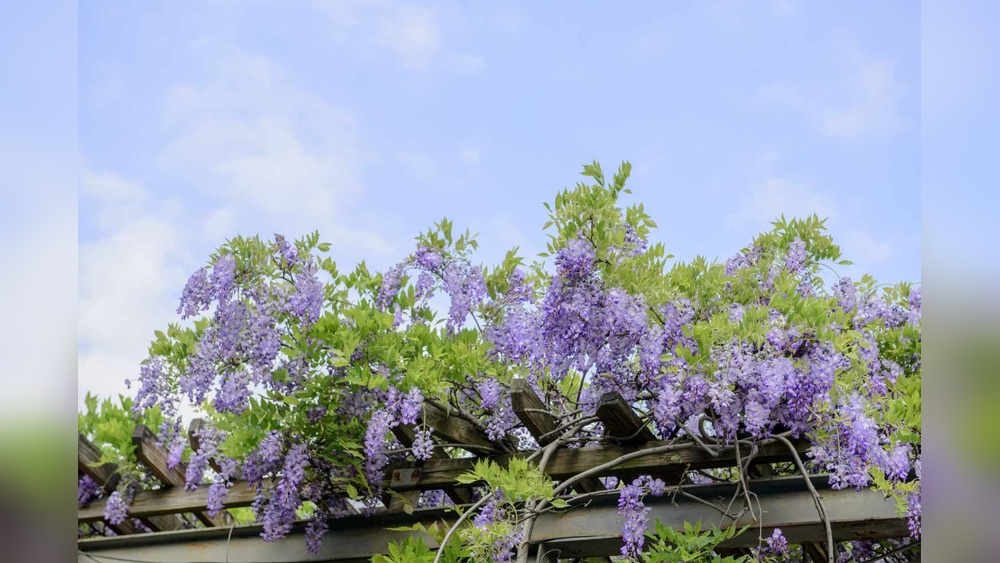
Are you dreaming of filling your South Florida garden with the stunning, cascading blooms of wisteria? Knowing the best time to plant wisteria here can make all the difference between a thriving vine and a struggling one.
Plant it too early or too late, and you might miss out on those breathtaking purple flowers that brighten any space. In this guide, you’ll discover exactly when and how to plant wisteria in South Florida’s unique climate, ensuring your vine grows strong and blooms beautifully year after year.
Ready to unlock the secret to a flourishing wisteria? Let’s dive in!
Wisteria Varieties For South Florida
Choosing the right wisteria variety is key for South Florida gardens. The climate here is warm and humid, which affects how well wisteria grows. Some types thrive better than others in this environment. Understanding these varieties helps in selecting the best plant for your space.
South Florida gardeners should pick varieties that handle heat and moisture well. Not all wisterias suit this region’s unique weather. Below are three good options for your garden.
Chinese Wisteria
Chinese Wisteria, or Wisteria sinensis, is popular for its lovely hanging flowers. It blooms in purple, blue, or white shades. This variety grows quickly and can cover large areas. It needs regular pruning to control its size. Chinese Wisteria can survive South Florida’s heat but may need some shade during the hottest months.
American Wisteria
American Wisteria, Wisteria frutescens, is native to the U.S. It is more heat-tolerant than Chinese Wisteria. The flowers are usually light purple or white. This type grows slower and stays smaller, making it easier to manage. It adapts well to South Florida’s climate and requires less pruning.
Queens Wreath As Alternative
Queens Wreath, or Petrea volubilis, is a great alternative to traditional wisteria. It produces beautiful violet-blue flowers that last long. This vine loves warm weather and grows well in South Florida. Queens Wreath is less aggressive and easier to control. It offers a similar look without the heavy maintenance.
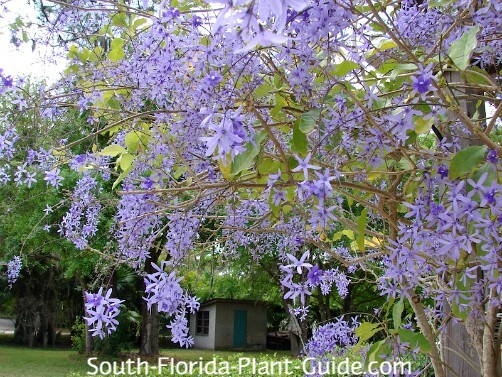
Credit: www.south-florida-plant-guide.com
Climate Challenges In South Florida
Growing wisteria in South Florida involves unique climate challenges. The region’s weather affects how well this vine grows and blooms. Understanding these challenges helps gardeners choose the best time to plant and care for wisteria. Below are key climate factors to consider.
Heat And Humidity Effects
South Florida’s heat and humidity can stress wisteria plants. High temperatures speed up water loss from leaves. This makes the plant thirsty and weak. The humid air creates a perfect environment for fungal diseases. These diseases can damage leaves and flowers. Regular watering and good air circulation help reduce these problems.
Frost And Cold Sensitivity
Although South Florida is mostly warm, occasional cold snaps can happen. Wisteria is sensitive to frost, which can harm new shoots. Young plants are especially vulnerable in winter. Protecting wisteria from cold helps it survive and bloom well. Planting in early spring or late fall avoids the coldest times.
Growth Containment Issues
Wisteria grows very fast in South Florida’s warm climate. This rapid growth can be hard to control. Without regular pruning, wisteria may spread aggressively. It can invade nearby plants and structures. Gardeners must trim wisteria often to keep it tidy. Proper containment ensures a healthy and attractive vine.
Optimal Planting Seasons
Choosing the best time to plant wisteria in South Florida ensures strong growth and beautiful blooms. The region’s warm climate influences the ideal planting seasons. Planting at the right time helps roots develop well before extreme weather arrives. Understanding when to plant can save effort and increase success in growing wisteria.
Spring Planting Benefits
Spring offers mild temperatures perfect for new wisteria plants. The soil warms gradually, encouraging root growth. Plants get time to establish before the hot summer months. Spring planting reduces stress on the young wisteria. It also supports healthy leaf and flower development during the growing season.
Fall Planting Advantages
Fall is ideal for planting in South Florida’s warm climate. Cooler weather helps roots grow without heat stress. The soil stays warm enough for root activity longer. Fall planting prepares wisteria for strong growth in spring. This timing reduces water needs and helps plants settle in well.
Container Planting Flexibility
Growing wisteria in containers allows year-round planting flexibility. Pots can be moved to protect from extreme weather. Container planting suits small gardens or patios. It also offers control over soil quality and moisture. This method helps gardeners manage growth and flowering more easily.
Soil And Location Tips
Choosing the right soil and location sets the stage for healthy wisteria growth in South Florida. The plant thrives with proper soil preparation, adequate sunlight, and sturdy support. These factors help wisteria develop strong roots and stunning blooms.
Soil Preparation
Wisteria prefers well-draining soil that is rich in nutrients. Loosen the soil deeply before planting to improve root growth. Mix organic compost or aged manure into the soil to boost fertility. Avoid heavy clay or constantly wet soils, as they can cause root rot. A slightly acidic to neutral pH, around 6.0 to 7.0, is ideal for wisteria.
Sunlight Requirements
Wisteria needs full sun for at least six hours daily. Bright sunlight encourages more flowers and healthy vines. Choose a planting spot that receives morning and afternoon sun. Shady areas reduce blooming and slow growth. Keep in mind that South Florida’s intense sun can be strong, so morning sun with some afternoon shade may protect young plants.
Choosing Support Structures
Wisteria is a climbing vine that requires strong support. Use sturdy trellises, pergolas, or fences to hold its weight. Metal or wood structures work well but must be durable. Secure the vine gently to the support as it grows. Without proper support, wisteria may sprawl on the ground and struggle to bloom fully.
Planting Steps For Success
Planting wisteria in South Florida requires careful steps for healthy growth. Follow these steps to help your wisteria thrive in the warm climate. Proper planting sets the foundation for strong roots and beautiful blooms. Pay attention to preparing the plant, correct depth, and watering habits.
Preparing The Root Ball
Gently remove the wisteria from its container. Check the roots for any circling or crowded roots. Loosen the roots carefully to encourage outward growth. Trim any damaged or dead roots with clean scissors. This helps the plant absorb water and nutrients better. Preparing the root ball well improves the plant’s chance to grow strong.
Planting Depth And Spacing
Dig a hole twice as wide as the root ball. The hole should be as deep as the root ball height. Place the wisteria in the hole, keeping the top of the root ball level with the soil surface. Backfill with soil and press gently to remove air pockets. Space multiple plants at least 10 to 15 feet apart. This spacing prevents overcrowding and supports good air circulation.
Watering After Planting
Water the plant thoroughly right after planting. This settles the soil around the roots and reduces transplant shock. Keep the soil moist but not soggy for the first few weeks. Water deeply once or twice a week depending on rainfall. Proper watering helps the roots establish quickly in South Florida’s heat.
:max_bytes(150000):strip_icc()/how-to-grow-care-for-wisteria_07-2000-e1e772dbe10345899011334e8732f673.jpg "Best Time to Plant Wisteria in South Florida: Ultimate Guide 3")
Credit: www.southernliving.com
Pruning Techniques
Pruning is essential for healthy wisteria growth in South Florida. It controls size, shape, and encourages blooms. Proper pruning helps manage wisteria’s vigorous growth and keeps it attractive. Different pruning methods suit different seasons and goals.
Summer Pruning
Summer pruning stops wisteria from growing too fast. Pinch or cut back new shoots to about 6 inches long. This pruning focuses the plant’s energy on developing flowers. It also prevents the vine from becoming too dense and tangled. Summer pruning keeps the plant tidy and manageable.
Winter Pruning
Winter pruning shapes the wisteria before spring growth starts. Cut back long shoots to two or three buds from the main stem. Remove weak or dead branches to improve air flow. This pruning encourages strong flower-producing shoots. Winter pruning is key to a healthy, blooming vine.
Encouraging Flowering
Pruning directly affects wisteria’s ability to flower. Cut back side shoots to encourage flower clusters. Avoid heavy pruning that removes too many flower buds. A balance of summer and winter pruning boosts flower production. Consistent pruning helps your wisteria bloom beautifully in South Florida’s climate.
Pest And Disease Management
Managing pests and diseases is crucial for healthy wisteria growth in South Florida. The warm climate here encourages various insects and fungi that can harm the plant. Protecting your wisteria early prevents damage and ensures vibrant blooms. Understanding common pests and how to prevent diseases helps keep your garden thriving.
Common Pests
Wisteria in South Florida faces pests like aphids, scale insects, and spider mites. Aphids suck sap, causing leaves to curl and weaken. Scale insects appear as small bumps on stems and leaves, leading to yellowing. Spider mites cause tiny spots and webbing on leaves. These pests reduce plant vigor and bloom quality.
Disease Prevention
Good air circulation helps prevent fungal diseases in wisteria. Avoid overhead watering to keep leaves dry and reduce mildew risk. Remove dead or diseased leaves promptly to stop spread. Plant wisteria in well-drained soil to prevent root rot. Regular inspection catches problems early before they worsen.
Organic Control Methods
Use insecticidal soap or neem oil to control pests safely. These treatments disrupt pest life cycles without harming beneficial insects. Introduce ladybugs and lacewings, natural predators of aphids and mites. Handpick large pests like caterpillars when spotted. Mulch with organic materials to improve soil health and reduce weeds.
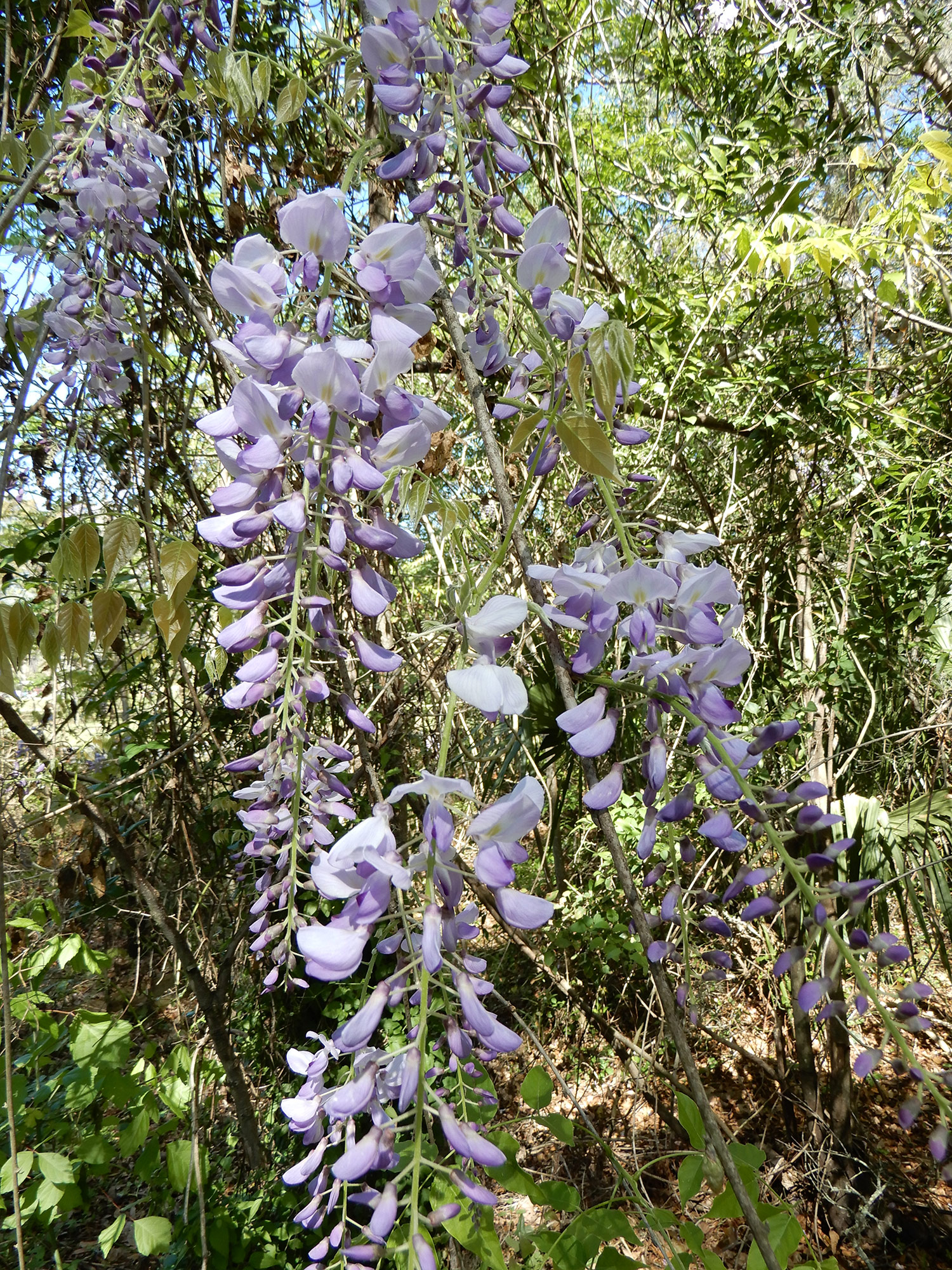
Credit: www.floridamuseum.ufl.edu
Alternatives To Traditional Wisteria
Traditional wisteria thrives in many areas but poses challenges in South Florida’s warm climate. Its vigorous growth can become invasive and difficult to control here. Gardeners seek alternatives that offer similar beauty without the drawbacks. These options provide vibrant blooms and manageable growth, ideal for South Florida gardens.
Queens Wreath Benefits
Queens Wreath, or Petrea volubilis, blooms with stunning purple flowers. It thrives in South Florida’s heat and humidity. This plant attracts butterflies and hummingbirds, adding life to your garden. Its growth is easier to control compared to traditional wisteria. Queens Wreath can climb fences, trellises, or walls beautifully.
Native Climbing Plants
Native climbers suit South Florida’s environment perfectly. Passionflower is a popular choice with unique flowers and edible fruit. Coral Honeysuckle offers bright red blooms and supports local wildlife. These plants require less water and care, making them eco-friendly options. Native plants blend naturally with the local landscape.
Hybrid Varieties
Hybrid wisterias combine traits for better growth in warm climates. They bloom longer and resist pests more effectively. Some hybrids show less aggressive growth, easing garden maintenance. These varieties keep the charm of wisteria flowers without invasive roots. Hybrid plants offer a balanced choice for South Florida gardeners.
Frequently Asked Questions
Can Wisteria Grow In South Florida?
Yes, wisteria can grow in South Florida, especially Chinese wisteria (Wisteria sinensis). It requires regular pruning to control its vigorous growth.
What Month Is Best To Plant Wisteria?
The best months to plant wisteria are early spring and fall. These seasons offer ideal temperatures for root growth. Planting in fall helps roots develop during cooler months. Spring planting allows roots to establish before summer heat. Container-grown wisteria can be planted anytime frost is absent.
What Is One Of The Biggest Problems With Having Wisteria Growing Nearby?
One of the biggest problems with wisteria nearby is its aggressive growth. It can damage structures and outcompete other plants.
Does Wisteria Like Sun Or Shade?
Wisteria thrives best in full sun, receiving at least six hours of direct sunlight daily. It tolerates partial shade but blooms less. Choose a sunny spot for vibrant flowers and healthy growth.
Conclusion
Planting wisteria in South Florida requires timing and care. Early spring or fall offers the best conditions for strong roots. Cooler months help the plant settle before summer heat arrives. Container-grown wisteria adds flexibility and can be planted nearly year-round.
Choose a spot with good sunlight and space for growth. Regular pruning keeps your wisteria healthy and blooming. With patience, your garden will soon show beautiful, cascading flowers. Start at the right time and enjoy nature’s charm in your yard.