
If you’re dreaming of crisp, homegrown apples right in your Florida backyard, timing is everything. Knowing the best time to plant an apple tree can make all the difference between a healthy, fruitful tree and a struggle to grow.
You might wonder when the ideal moment is to get those roots in the ground—especially with Florida’s unique climate challenges. You’ll discover the perfect planting windows, the types of apple trees that thrive here, and simple tips to set your tree up for success.
Keep reading to find out how you can enjoy fresh apples from your own garden sooner than you think!
Ideal Planting Seasons
Choosing the right time to plant an apple tree in Florida is key to its success. Florida’s warm climate and unique seasons affect how well apple trees grow. Planting during the ideal seasons helps the tree develop strong roots and prepare for fruit production. Understanding these seasons ensures your apple tree thrives and produces delicious fruit.
Late Winter To Early Spring
Late winter to early spring, from December to February, is the best time for planting bare-root apple trees. The trees are dormant during this time, which helps them adjust to the new soil without stress. Planting now allows roots to grow before the hot summer arrives. The soil is still cool and moist, perfect for root development. It is important to plant after the last frost to avoid damage. This period helps the tree get a strong start before Florida’s intense heat.
Fall Planting Benefits
Fall, especially October to November, works well for container-grown apple trees. The warm soil encourages root growth before winter sets in. Fall planting also helps the tree build chill hours needed for fruit production. Cooler weather reduces water needs, so trees require less frequent watering. This season gives the tree more time to settle in before the heat returns. Planting in fall can lead to healthier trees and better fruit yield the next season.
Choosing Apple Varieties
Choosing the right apple variety is essential for successful growth in Florida’s warm climate. Many apple types need cold winters to produce fruit. Florida’s mild winters require varieties that thrive with fewer chill hours. Selecting suitable apple cultivars ensures healthy trees and good fruit yield.
Low-chill Cultivars
Low-chill apple cultivars need fewer hours of cold weather to bloom and bear fruit. These types adapt well to Florida’s subtropical climate. They start growing earlier in the season and avoid damage from late frosts. Low-chill cultivars also resist heat stress better than others. Popular low-chill varieties include ‘Anna’ and ‘Dorsett Golden’. Both produce sweet, crisp apples suitable for fresh eating.
Recommended Varieties For Florida
Some apple varieties perform better in Florida’s climate than others. ‘Anna’ is well-known for its early harvest and low chill requirement. ‘Dorsett Golden’ is another favorite, offering large, yellow apples with excellent flavor. ‘TropicSweet’ and ‘Ein Shemer’ also grow well in South Florida. These varieties tolerate heat and humidity while producing quality fruit. Choosing these recommended types increases chances of a fruitful apple tree in Florida.
Site Selection
Choosing the right site for planting an apple tree in Florida is very important. The location affects the tree’s health, growth, and fruit production. Good site selection helps the tree handle Florida’s warm climate and sandy soil. Focus on sunlight and soil conditions to give your apple tree the best start.
Sunlight Requirements
Apple trees need plenty of sunlight to grow well. Pick a spot with at least six to eight hours of direct sun each day. More sunlight means better fruit and stronger branches. Avoid shady areas near large trees or buildings. Sunlight helps the tree make food through photosynthesis. It also reduces disease risks by keeping leaves dry.
Soil Conditions
Florida’s soil is sandy and drains quickly. Apple trees prefer soil that holds some moisture but does not stay wet. Choose a site with well-draining soil to avoid root rot. Test the soil pH; apple trees grow best in slightly acidic to neutral soil (pH 6.0 to 7.0). Add organic matter like compost to improve soil quality. Avoid heavy clay or very dry soil spots. Proper soil helps roots grow deep and strong for healthy trees.
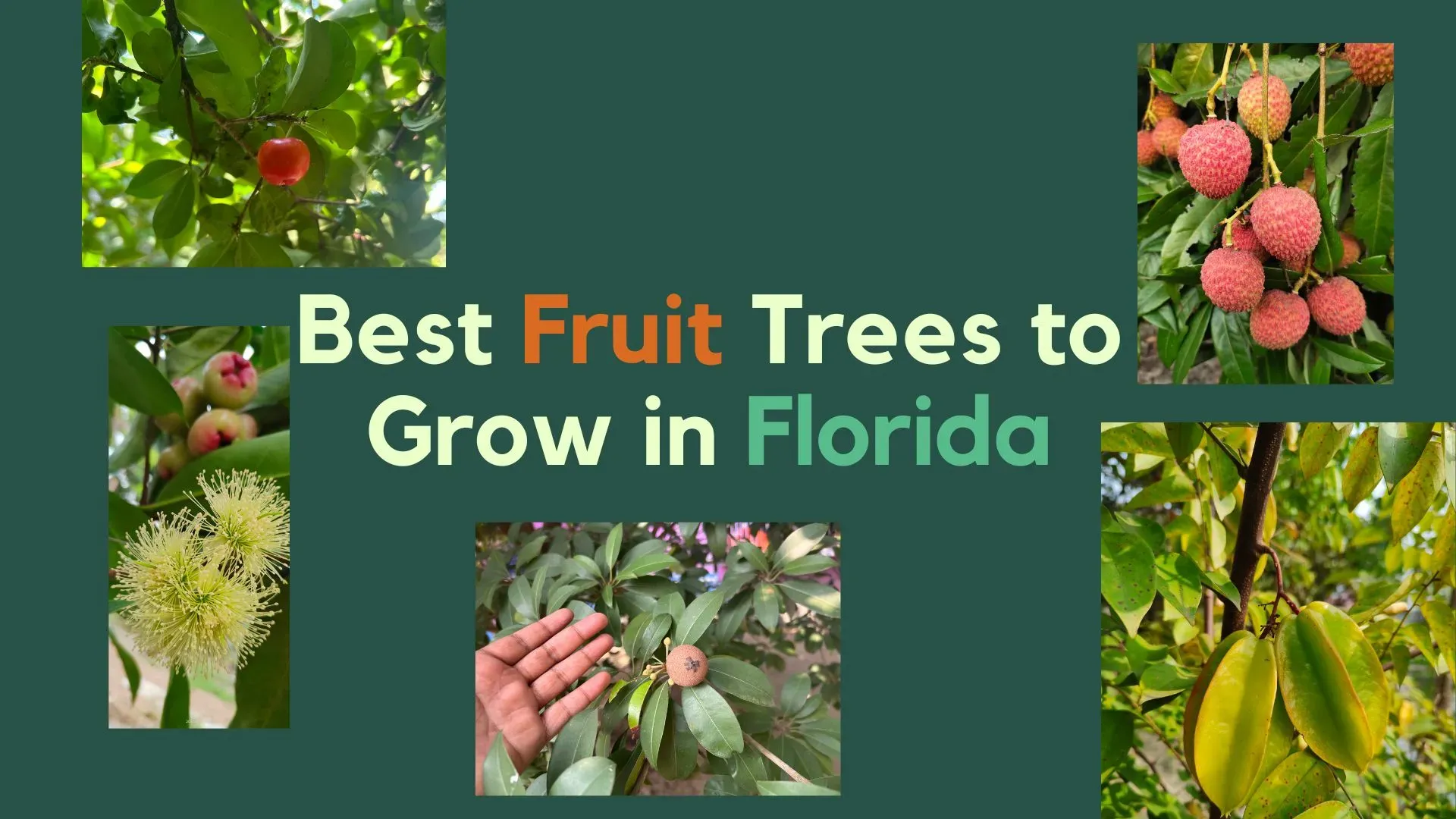
Credit: gardenvive.com
Planting Techniques
Proper planting techniques help apple trees thrive in Florida’s warm climate. Good practices ensure strong roots and healthy growth. Follow these simple steps for best results.
Planting apple trees carefully reduces stress and encourages fruit production. Pay attention to planting depth and spacing for a healthy orchard.
Planting Depth
Plant apple trees so the graft union stays above soil level. This prevents disease and promotes strong growth. Dig a hole twice as wide as the root ball. Set the tree in the hole with roots spread out evenly. Fill the hole with soil gently, avoiding air pockets. Firm the soil lightly and water well to settle roots.
Spacing And Air Circulation
Space apple trees at least 15 to 20 feet apart. This allows enough room for branches to grow fully. Proper spacing improves air circulation around the trees. Good airflow reduces disease risks and helps leaves dry faster after rain. Avoid planting near tall structures or other trees that block sunlight. Sunlight exposure is key for fruit development.
Watering And Care
Proper watering and care are essential for apple trees to thrive in Florida’s climate. Young trees need consistent moisture to develop strong roots. Careful attention helps the tree adjust to local conditions and grow healthy fruit.
Initial Watering Schedule
Right after planting, water the tree deeply to settle the soil. Water the tree every two to three days for the first two weeks. This keeps the roots moist but not soaked. After two weeks, reduce watering to once a week. Check the soil moisture often. Avoid letting the soil dry out completely. Mulching around the base helps retain moisture and reduces weeds.
Adjusting For Growth
As the apple tree grows, it needs less frequent watering. Water deeply once every 7 to 10 days during dry periods. Increase watering during Florida’s hot, dry spells. In rainy months, reduce watering to prevent root rot. Prune the tree to improve airflow and sunlight. This lowers disease risk and helps the tree stay healthy. Regularly check for pests and disease signs. Healthy care leads to strong trees and good fruit harvests.
Soil Preparation
Preparing the soil before planting an apple tree in Florida is essential. Proper soil preparation helps the tree grow strong roots and stay healthy. The sandy soil in Florida needs special care to hold water and nutrients. Two important steps in soil preparation are improving drainage and adding compost. These steps create the best environment for apple trees to thrive.
Improving Drainage
Florida soil often drains too quickly. Water can run off before the roots absorb it. Poor drainage can cause root rot and weak trees. To improve drainage, mix organic matter or sand into the soil. This helps water move slowly, giving roots time to take it in. Avoid planting apple trees in low spots where water collects. Raised beds can also help keep roots dry and healthy.
Use Of Compost
Compost adds nutrients and improves soil texture. It helps sandy soil hold moisture and air. Spread a layer of compost over the planting area. Mix it well with the existing soil before planting. Compost supports beneficial microbes that help apple trees absorb nutrients. Use well-rotted compost to avoid burning the roots. Regular compost application boosts tree growth and fruit production.
Common Challenges
Growing apple trees in Florida has unique challenges. The state’s climate and soil conditions affect tree health and fruit yield. Understanding these challenges helps gardeners prepare and care for their trees effectively.
Fungal Issues
Florida’s humid climate promotes fungal growth. Apple trees can develop diseases like apple scab and powdery mildew. These fungi damage leaves and fruit, reducing harvest quality. Good air circulation and proper pruning reduce fungal risks. Fungicides may be needed for severe cases. Avoid overwatering to prevent root rot and other fungal problems.
Heat Stress
Florida’s high temperatures can stress apple trees. Heat stress causes leaf scorch and poor fruit development. Young trees are especially vulnerable during summer. Providing shade during peak heat hours helps protect them. Mulching keeps roots cool and retains moisture. Watering deeply and regularly supports tree health under heat stress.
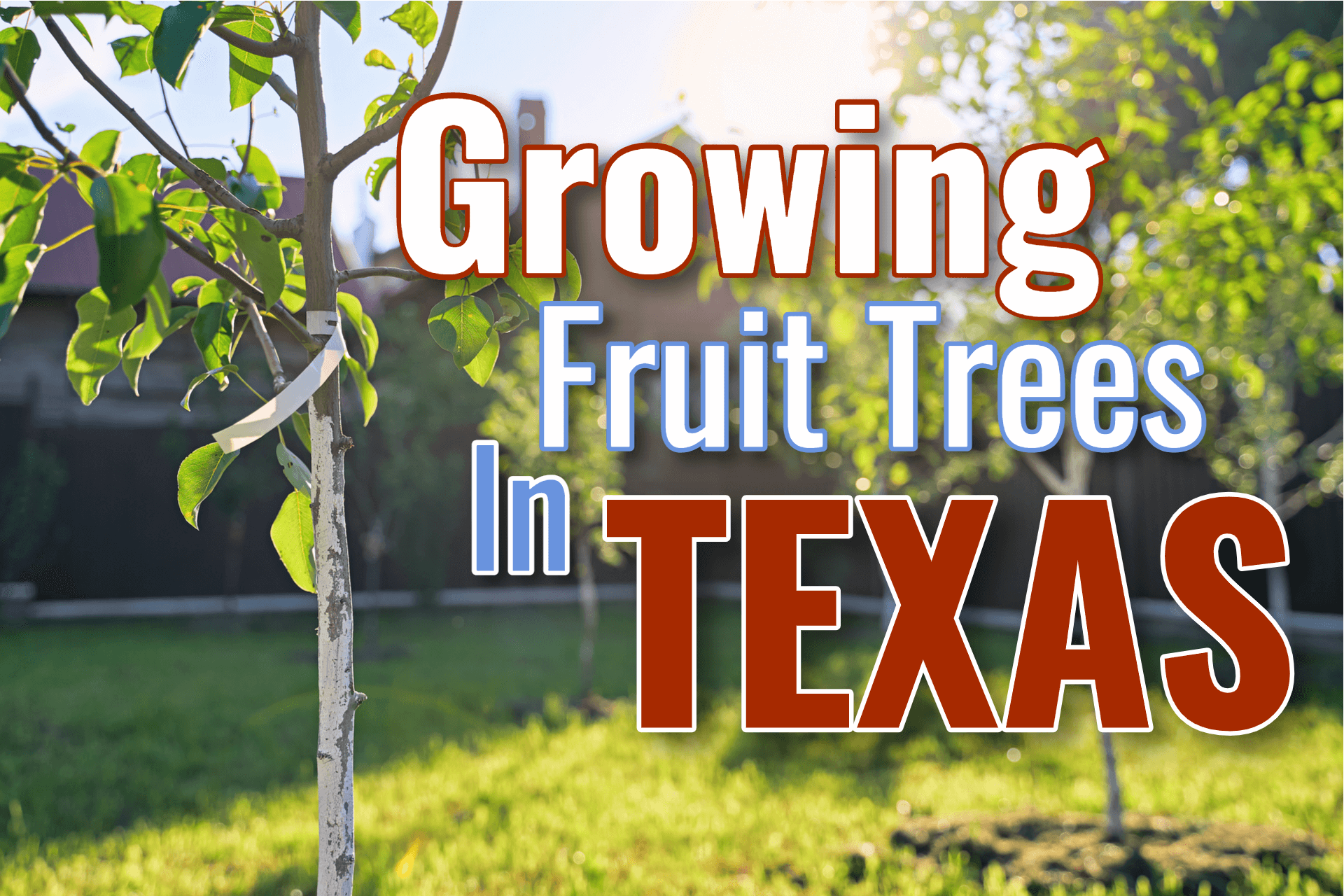
Credit: www.fourwindsgrowers.com
Growth And Harvest Timeline
Planting an apple tree in Florida starts an exciting journey. Understanding its growth and harvest timeline helps you plan better. This timeline depends on the tree’s variety and care. Florida’s warm climate affects growth speed and fruit readiness. Knowing these details ensures a healthy tree and good harvest.
Apple trees in Florida have a unique schedule. They may grow faster than in colder states but need the right chill hours. The timeline includes how fast the tree grows and when it starts to bear fruit. Both are important for any gardener.
Expected Growth Rate
Apple trees in Florida grow steadily with proper care. Young trees can add 12 to 24 inches per year. Growth may slow down during the hottest months. Proper watering and fertilizing boost growth. Trees planted in late winter or early spring grow best. Container-grown trees planted in fall also show strong growth. Regular pruning helps shape the tree and improve air flow. Healthy trees develop strong branches within 2 to 3 years. Growth speed varies by variety and local conditions.
Time To Fruit Bearing
Most apple trees in Florida start to bear fruit in 2 to 3 years. Low-chill varieties like ‘Anna’ and ‘Dorsett Golden’ produce fruit earlier. Trees planted during optimal seasons tend to fruit sooner. First fruits may be small but improve over time. Full production usually begins around year 4 or 5. Consistent care and proper chill hours increase fruit yield. Flower buds form in late winter, leading to spring blooms. Harvest typically occurs in late spring or early summer. Patience and good care bring a rewarding harvest.
Pruning Tips
Proper pruning keeps apple trees healthy and productive in Florida’s climate. It shapes the tree and removes dead or crowded branches. Pruning also improves air flow and sunlight exposure. These factors reduce disease risk and boost fruit quality. Follow simple pruning tips to help your apple tree thrive.
When To Prune
Prune apple trees in late winter before new growth starts. This timing helps the tree heal quickly. Avoid pruning during hot or wet weather to prevent stress and disease. Light pruning can be done in summer to remove water sprouts or damaged branches.
Pruning Techniques
Start by removing dead, broken, or diseased branches. Cut branches at a slight angle close to the main stem. Thin crowded areas to let sunlight reach the inner parts. Keep the central leader strong and remove competing shoots. Use sharp, clean tools to make smooth cuts and avoid damage.
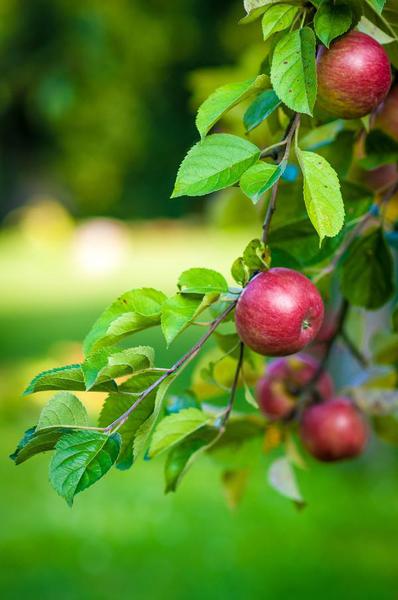
Credit: content.ces.ncsu.edu
Frequently Asked Questions
When To Plant Apple Trees In Florida?
Plant apple trees in Florida during late winter to early spring (December–February) for bare-root trees. Container-grown trees suit fall planting (October–November). Choose low-chill varieties like ‘Anna’ or ‘Dorsett Golden’ and plant in full sun with well-draining soil for best growth.
Can You Plant Apple Trees In September?
Yes, you can plant apple trees in September if using container-grown trees. Planting then helps roots establish before summer heat. Choose low-chill varieties and ensure full sun and well-draining soil for best growth. Water regularly after planting to encourage deep root development.
What Apple Trees Grow Best In Florida?
Low-chill apple varieties like ‘Anna’ and ‘Dorsett Golden’ grow best in Florida’s warm climate. Plant in full sun with well-draining soil.
Is October Too Late To Plant Fruit Trees?
October is not too late to plant container-grown fruit trees. Planting in fall helps roots establish before winter. Bare-root trees prefer late winter or early spring planting for best growth. Choose suitable varieties and ensure proper soil and sunlight for successful fruit tree growth.
Conclusion
Planting apple trees in Florida requires timing and care. Late winter or early spring suits bare-root trees best. Container trees do well in fall, letting roots grow before heat arrives. Choose low-chill varieties like ‘Anna’ and ‘Dorsett Golden’ for success.
Full sun and well-draining soil help trees thrive. Water young trees often, then reduce watering as roots strengthen. Give trees enough space for air and growth. Following these steps helps you enjoy healthy apple trees and good fruit harvests in Florida’s unique climate.