Are you thinking about adding a Golden Rain Tree to your Florida landscape? Knowing the best time to plant this beautiful tree can make all the difference in how well it grows and thrives.
If you plant at the right moment, your tree will establish strong roots, resist pests, and fill your yard with stunning yellow blooms. But when exactly is that perfect time in Florida’s climate? Keep reading, because we’ll guide you step-by-step to ensure your Golden Rain Tree gets off to the healthiest start possible.
Your future garden will thank you!
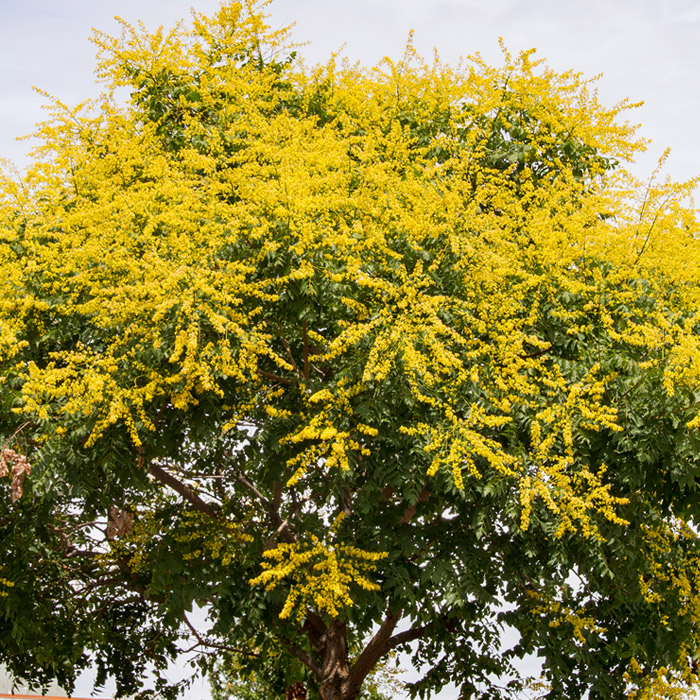
Credit: verdego.com
Golden Rain Tree Traits
The Golden Rain Tree is a popular choice for Florida gardens. It stands out for its unique look and easy care. This tree adds color and charm to any landscape. Understanding its traits helps you decide the best planting time and care.
Growth And Size
The Golden Rain Tree grows quickly. It can reach 20 to 30 feet tall. Its spread is about 20 to 25 feet wide. The tree has a rounded shape with open branches. It adapts well to Florida’s warm climate. It needs full sun to grow strong.
Flower And Seed Features
This tree blooms in summer with bright yellow flowers. The flowers hang in long, showy clusters. After flowering, it produces unique seed pods. These pods look like paper lanterns and turn peach-colored. They add extra beauty but can drop many seeds.
Common Pests And Issues
The Golden Rain Tree may attract stinky bugs called jadera bugs. These bugs gather in large numbers. They can create a mess with stains and seed debris. The tree also has weak wood that can break easily. Regular checks help keep it healthy and clean.

Credit: artistree.com
Florida Climate Impact
The Florida climate has a strong effect on planting Golden Rain Trees. Understanding this impact helps choose the best planting time. The tree’s growth depends on temperature, rainfall, and soil quality in Florida. These factors shape the ideal conditions for healthy roots and vibrant blooms.
Seasonal Weather Patterns
Florida has hot summers and mild winters. Summer heat can stress young Golden Rain Trees. Planting in early spring or late fall helps avoid extreme temperatures. These seasons offer moderate warmth and rain. This balance supports root growth and tree establishment. Also, Florida’s rainy season runs from June to September. It provides natural watering but can cause flooding risks if not timed well.
Soil Conditions
Florida soils vary but often contain sand and clay. Sandy soils drain quickly but may lack nutrients. Clay soils hold water but can cause root rot. Golden Rain Trees prefer well-drained soils with good organic matter. Testing soil before planting can improve success. Amending soil with compost helps retain moisture and nutrients. Proper soil conditions lead to stronger, healthier trees.
Challenges In Florida Landscapes
Florida landscapes face unique challenges for planting. High humidity encourages pests and diseases that affect Golden Rain Trees. Stinky bugs are a known problem, especially during flowering. Strong winds and storms can damage young trees. Salt spray near coasts also harms growth. Choosing protected planting sites reduces these risks. Regular care and monitoring keep trees healthy in tough environments.
Ideal Planting Periods
Choosing the right time to plant a Golden Rain Tree in Florida ensures healthy growth. The tree adapts well to different seasons but thrives best with proper timing. Planting during ideal periods helps the roots establish and the tree withstand Florida’s climate.
Below are the key benefits and considerations for planting in winter, fall, spring, and summer.
Winter Planting Benefits
Winter in Florida is mild, making it a good time for planting. The soil stays workable, allowing roots to grow steadily. Trees planted in winter face less stress from heat. This season helps the tree prepare for spring growth. Water needs are lower, reducing maintenance.
Fall Planting Advantages
Fall is one of the best times to plant Golden Rain Trees in Florida. Cooler temperatures reduce stress on new plants. Roots develop well before hot weather returns. Fall planting helps the tree build strength for summer. It also avoids pests and diseases common in spring.
Spring And Summer Considerations
Spring planting is possible but requires extra care. Warm weather speeds growth but increases water demand. Summer planting needs frequent watering to prevent stress. Heat and humidity can challenge young trees. Shade and mulch help protect the tree during hot months.

Credit: www.orlandosentinel.com
Root Establishment Tips
Establishing strong roots is vital for the Golden Rain Tree’s health in Florida. Proper root growth helps the tree absorb water and nutrients efficiently. Good root establishment reduces transplant shock and supports steady growth during hot summers and mild winters.
Follow these root establishment tips to help your Golden Rain Tree thrive in Florida’s climate.
Soil Temperature Importance
Soil temperature affects root growth speed and health. Roots grow best when soil stays between 60°F and 75°F. Cooler soil slows growth and weakens roots. Warm soil encourages roots to spread and anchor the tree firmly.
Check soil temperature before planting. Use a soil thermometer or feel the soil at root depth. Plant only when soil is warm enough to support active root growth.
Timing For Root Growth
Plant the Golden Rain Tree in early fall or late spring in Florida. These periods provide moderate soil temperatures. Roots get time to grow before extreme heat or cold arrives.
Planting too early in spring may expose roots to cold soil. Planting too late in fall risks frost damage before roots are strong. Aim for 4 to 6 weeks of warm soil for root development.
Avoiding Frost Damage
Frost can harm young roots and slow establishment. Avoid planting too close to the first frost date in Florida. Frost usually occurs from late November to early December in most areas.
Protect newly planted trees with mulch and cover them during cold snaps. Strong roots resist frost better and help the tree recover quickly.
Planting Location Advice
Choosing the right spot for your Golden Rain Tree in Florida is key to its health and beauty. Proper location helps the tree grow strong and live long. Think about space, sunlight, and safety before planting. Follow these simple tips for the best results.
Space And Growth Needs
Golden Rain Trees can grow quite large. They need enough space to spread wide and tall. Plant the tree at least 20 feet away from other plants or buildings. This gives roots room to grow deep. Crowded spaces can stunt growth and cause problems later.
Avoiding Powerlines And Structures
Keep the tree away from powerlines and buildings. Branches can interfere with wires and cause damage. Plant at least 30 feet away from powerlines. Also, avoid planting too close to your house or fences. This prevents damage from roots or falling branches.
Sunlight And Drainage Preferences
Golden Rain Trees love full sun. Choose a spot that gets six to eight hours of direct sunlight daily. Good drainage is important too. Avoid areas where water pools after rain. Well-drained soil helps the roots stay healthy and strong.
Maintenance After Planting
After planting your Golden Rain Tree in Florida, proper care is key to its growth and health. Maintenance helps the tree establish strong roots and thrive in its new environment. Pay attention to watering, mulching, and pest control to support your tree’s development.
Watering Guidelines
Water the tree deeply after planting to settle the soil. Keep the soil moist but not soggy during the first few months. Water the tree two to three times a week if there is no rain. Reduce watering as the tree grows and roots spread. Avoid overwatering to prevent root rot and other issues.
Mulching Practices
Apply a 2 to 3-inch layer of mulch around the base of the tree. Mulch helps keep moisture in the soil and controls weeds. Keep mulch a few inches away from the trunk to stop rotting. Refresh mulch as needed to maintain a healthy layer. Mulching also helps regulate soil temperature in Florida’s heat.
Monitoring For Pests
Check the tree regularly for signs of pests such as aphids or caterpillars. Early detection makes pest control easier and more effective. Use natural or mild insecticides if pests appear. Keep the area clean of fallen leaves and debris to reduce pest hiding spots. Healthy trees resist pests better than stressed ones.
Common Planting Mistakes
Planting a Golden Rain Tree in Florida requires careful planning. Many gardeners make avoidable mistakes that affect tree health. Understanding these common errors helps you grow a strong tree. Avoiding them improves survival and growth.
Late Season Planting Risks
Planting too late in the season can stress the tree. The roots need time to settle before cold or dry weather. Without this time, the tree struggles to take up water. This can cause poor growth or even death. Plant early enough to allow root establishment.
Improper Soil Preparation
Golden Rain Trees need well-draining soil with good nutrients. Planting in poor or compacted soil limits root growth. This leads to weak roots and poor water absorption. Always loosen soil and add organic matter before planting. Proper soil helps the tree grow healthy and strong.
Ignoring Growth Space
These trees can grow wide and tall. Planting too close to buildings or other plants causes crowding. Crowded trees compete for sunlight, water, and nutrients. This weakens the tree and limits its beauty. Give the tree enough space to grow freely and fully.
Frequently Asked Questions
What Are The Cons Of The Golden Rain Tree?
The Golden Rain Tree has weak wood and attracts stinky jadera bugs in large numbers. It drops messy seeds and insect stains. Its fruit and seed litter can create cleanup challenges. This tree may not suit Florida landscapes due to these drawbacks.
Is October Too Late To Plant A Tree?
October is not too late to plant a tree. Fall planting helps roots establish before winter freezes the ground. Plant while soil remains workable. Choose deciduous trees for best results. Avoid broadleaf evergreens late in the season to prevent winter damage.
When’s The Best Time To Plant A Tree In Florida?
The best time to plant a tree in Florida is during the winter months. Cooler weather helps roots establish well. Choose tree types suited to Florida’s climate for best growth. Avoid planting large trees that may outgrow the space. Planting year-round is possible with proper care.
What Month Do You Plant A Lemon Tree?
Plant lemon trees in early spring after the last frost. This timing ensures strong root growth and healthy development.
Conclusion
Planting a Golden Rain Tree in Florida works best from late summer to early fall. This timing helps roots settle before cooler months arrive. The tree grows stronger with good root establishment. Avoid planting too late to prevent winter stress.
Choose a spot with well-drained soil and enough sunlight. Regular watering after planting supports healthy growth. With proper timing and care, your Golden Rain Tree will thrive in Florida’s climate. Keep these tips in mind for a beautiful, flourishing tree.