If you want your oak tree to thrive in Florida’s unique climate, timing is everything. Planting at the right moment can mean the difference between slow growth and a strong, healthy tree that provides shade and beauty for decades.
You might be wondering, “When is the best time to plant an oak tree in Florida? ” or “Which oak species will grow best here? ” This guide will answer those questions and give you clear, practical advice on how to get your oak off to the best start.
Keep reading to discover the ideal planting season and expert tips that will help your oak tree flourish in your Florida yard.
Oak Tree Varieties For Florida
Choosing the right oak tree variety is key for success in Florida’s climate. Oaks vary in size, shape, and tolerance to heat and humidity. Some species thrive in northern parts, while others flourish in central or southern Florida. Understanding these differences helps you pick the best oak for your yard.
Shumard Oak Characteristics
The Shumard oak is a strong and fast-growing tree. It adapts well to Florida’s soil and weather. This oak handles drought and pollution better than many others. It grows best in north and central Florida. Its leaves turn bright red in fall, adding color to landscapes. The Shumard oak provides good shade and is easy to care for.
Live Oak Adaptability
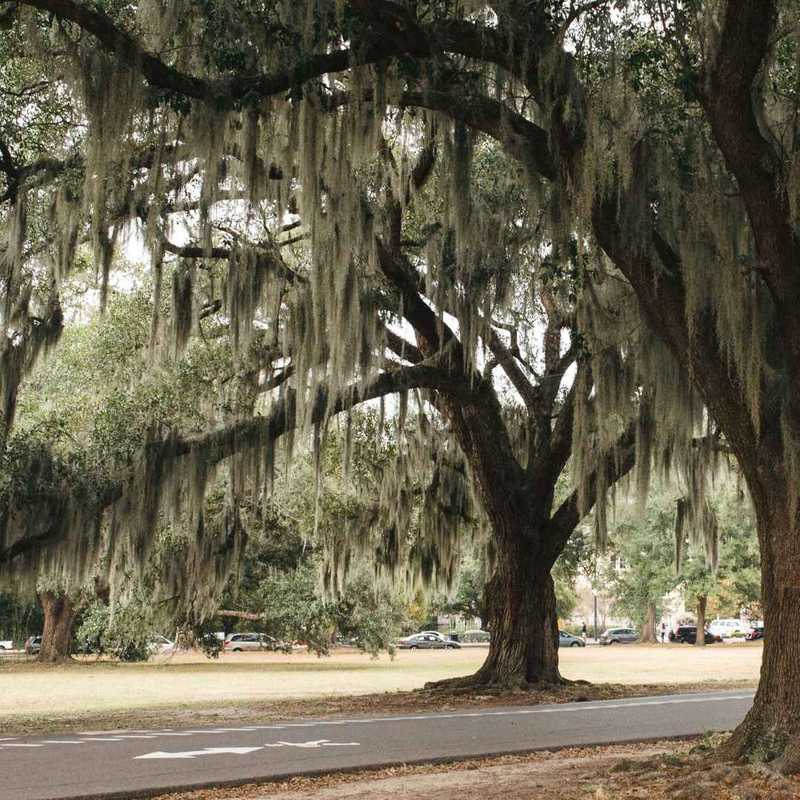
Live oaks are famous in Florida for their wide, spreading branches. They tolerate heat, humidity, and salty air near the coast. Live oaks stay green year-round, giving constant shade. They grow slowly but live a long time. These oaks work well in southern Florida and coastal areas. Their strong wood resists storms and wind damage.
Northern Vs Southern Species
Northern oak species often grow faster but need cooler weather. They may struggle with Florida’s heat and humidity. Southern species like live oak and Shumard oak handle heat well. These oaks are more resistant to pests common in Florida. Choosing a native or well-adapted species helps your oak tree thrive. Match the species to your local climate for best results.
Ideal Planting Months
Choosing the right time to plant an oak tree in Florida is key for its healthy growth. The climate here is warm, which affects the best months to plant. Knowing the ideal planting months helps your oak tree establish strong roots before facing harsh weather. Planting at the right time reduces stress on the tree and improves survival rates. Let’s explore the best months to plant your oak tree in Florida and why they work well.
Early Fall Benefits
Early fall is one of the best times to plant oak trees in Florida. The weather is cooler than summer, which helps reduce heat stress. Soil still holds warmth from summer, encouraging root growth. Fall rains help keep the soil moist without overwatering. Oaks planted in early fall have months to grow roots before winter. This gives them a strong start for spring growth. The tree can settle in and prepare for the next growing season.
Spring Planting Considerations
Spring is another good time to plant oak trees in Florida. The soil warms up, which helps roots grow fast. Young oak trees can take advantage of spring rains to stay hydrated. It is important to plant early in spring to avoid summer heat. Planting too late may expose the tree to harsh sunlight. Spring planting allows the tree to grow before the hot months arrive. Proper watering is crucial during this time to support new roots.
Avoiding Summer Heat Stress
Summer is the hardest time to plant oak trees in Florida. High temperatures and strong sun can damage young trees. The heat causes water to evaporate quickly from soil and leaves. Young oaks may suffer from heat stress and drought. If planting in summer cannot be avoided, extra care is needed. Provide plenty of water and shade to protect the tree. Mulching around the base helps keep soil cool and moist. Avoid planting during the hottest months for best results.
Soil And Climate Factors
Soil and climate play a crucial role in the successful growth of oak trees in Florida. Understanding these factors helps ensure healthy development and long-term survival. Florida’s unique environment requires attention to temperature, moisture, and weather conditions.
Soil Temperature Effects
Soil temperature influences seed germination and root growth. Oak acorns need warm soil, ideally between 65°F and 75°F, to sprout well. Planting too early in cold soil can delay growth or cause seeds to rot. Warmer soil in late summer or early fall promotes faster root development.
Moisture And Drainage Needs
Oaks require moist but well-drained soil. Waterlogged soil can harm roots and lead to disease. Sandy or loamy soils with good drainage work best in Florida. Regular watering helps young trees establish but avoid overwatering. Proper moisture balance supports strong root systems.
Heat And Drought Tolerance
Florida’s heat and occasional drought stress oak trees. Many oak species, like Live Oak, tolerate high temperatures well. Still, young trees need extra care during dry periods. Mulching reduces soil evaporation and keeps roots cool. Heat-tolerant oaks thrive with less water once established.
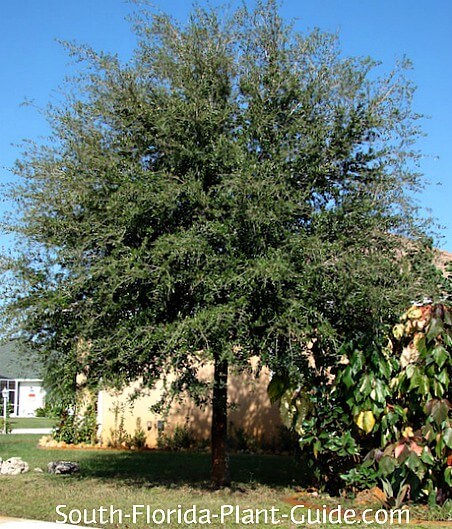
Credit: www.south-florida-plant-guide.com
Planting Techniques
Planting oak trees in Florida requires careful techniques to ensure strong growth. Proper planting sets the foundation for healthy trees. This section covers key methods to start acorns, transplant seedlings, and protect young oaks.
Acorn Starting Tips
Choose fresh acorns from healthy oak trees. Soak acorns in water for 24 hours. Discard any that float; they are likely bad. Plant acorns in deep pots with well-draining soil. Keep the soil moist but not soggy. Place pots in a shaded area with indirect sunlight. Protect acorns from squirrels and rodents by using wire mesh covers.
Transplanting Seedlings
Transplant seedlings after one full growing season in pots. Select a planting site with well-drained soil and partial sun. Dig a hole twice as wide as the root ball. Set the seedling in the hole, keeping the root collar level with the soil surface. Fill the hole gently and firm the soil around the roots. Water the seedling deeply after planting to reduce transplant shock.
Protecting Young Trees
Use tree guards or wire cages to protect young oaks from animals. Mulch around the base to retain moisture and control weeds. Avoid piling mulch directly against the trunk. Water trees during dry spells, especially in the first two years. Check for pests and diseases regularly. Early care helps oak trees grow strong and healthy in Florida’s climate.
Growth Rate Influencers
Several factors affect how fast an oak tree grows in Florida. Understanding these helps in choosing the right time and care. Growth rates differ by species and environment. Proper care can boost growth and improve tree health. Here are the main influencers.
Species Growth Differences
Oak species grow at different speeds. Shumard oaks grow faster than live oaks. White oaks tend to grow slower but live longer. Some species adapt better to Florida’s climate. Choose a species that fits your local conditions for best results.
Environmental Impact
Soil quality affects oak tree growth greatly. Well-drained, fertile soil helps roots spread easily. Sunlight is essential; most oaks need full sun. Water availability also plays a key role. Too much or too little water slows growth. Temperature and humidity in Florida influence growth speed too.
Care To Boost Growth
Regular watering supports young oak trees. Mulching keeps soil moist and cool. Fertilize in early spring for nutrient boost. Prune dead branches to encourage new growth. Protect young trees from pests and diseases. Consistent care helps oaks grow strong and fast in Florida.
Fall Planting Advantages
Planting oak trees in Florida during the fall offers several clear advantages. The cooler weather and seasonal changes create ideal conditions for young oaks to develop strong roots. Fall planting helps your tree prepare for the warmer months ahead. It also reduces stress on the tree compared to summer planting. Below are some key benefits of planting oaks in the fall.
Root Establishment Benefits
Fall planting gives oak trees time to grow their roots before spring. The soil stays warm longer, encouraging root growth. Strong roots help the tree absorb water and nutrients better. This early root development leads to healthier, more resilient trees. Trees planted in fall often survive droughts and heat more easily.
Timing Before First Freeze
Florida’s mild fall allows planting before any frost risk. Young oak trees get several weeks to settle in. This timing avoids damage from cold weather. The tree can focus energy on root growth without worrying about leaf loss. Early planting means the oak is ready to thrive once spring arrives.
Soil Workability
Fall soil in Florida is easier to work with than in summer. Cooler temperatures make digging and planting less tiring. The soil is softer and less compacted after summer rains. This condition helps roots spread quickly and deeply. Good soil workability boosts tree health and growth speed.
Late Season Planting
Planting oak trees late in the season in Florida can still work well. The climate allows for some flexibility beyond the usual planting months. Understanding the limits and care needed for late planting helps ensure young oaks survive and thrive.
Late season planting requires attention to soil moisture and temperature. Trees need time to establish roots before harsher weather arrives. Proper preparation and follow-up care make a big difference at this stage.
How Late Is Too Late?
In Florida, planting oak trees after mid-November can be risky. Cooler temperatures slow root growth. The tree may not get enough time to settle before winter. Aim to plant by early November for best results. After that, success depends on weather and care.
Risks Of Late Planting
Late planting increases the chance of poor root development. The tree faces stress from colder nights and possible frost. Water needs rise because roots cannot reach deep moisture yet. Late plants also have less time to build strength before dry, hot seasons.
Extending Planting Window
To extend planting time, choose hardy oak species like Live Oak. Use mulch to keep soil warm and moist. Water regularly, especially during dry spells. Consider planting in containers first, then move to the ground. This method gives young trees a better start late in the season.
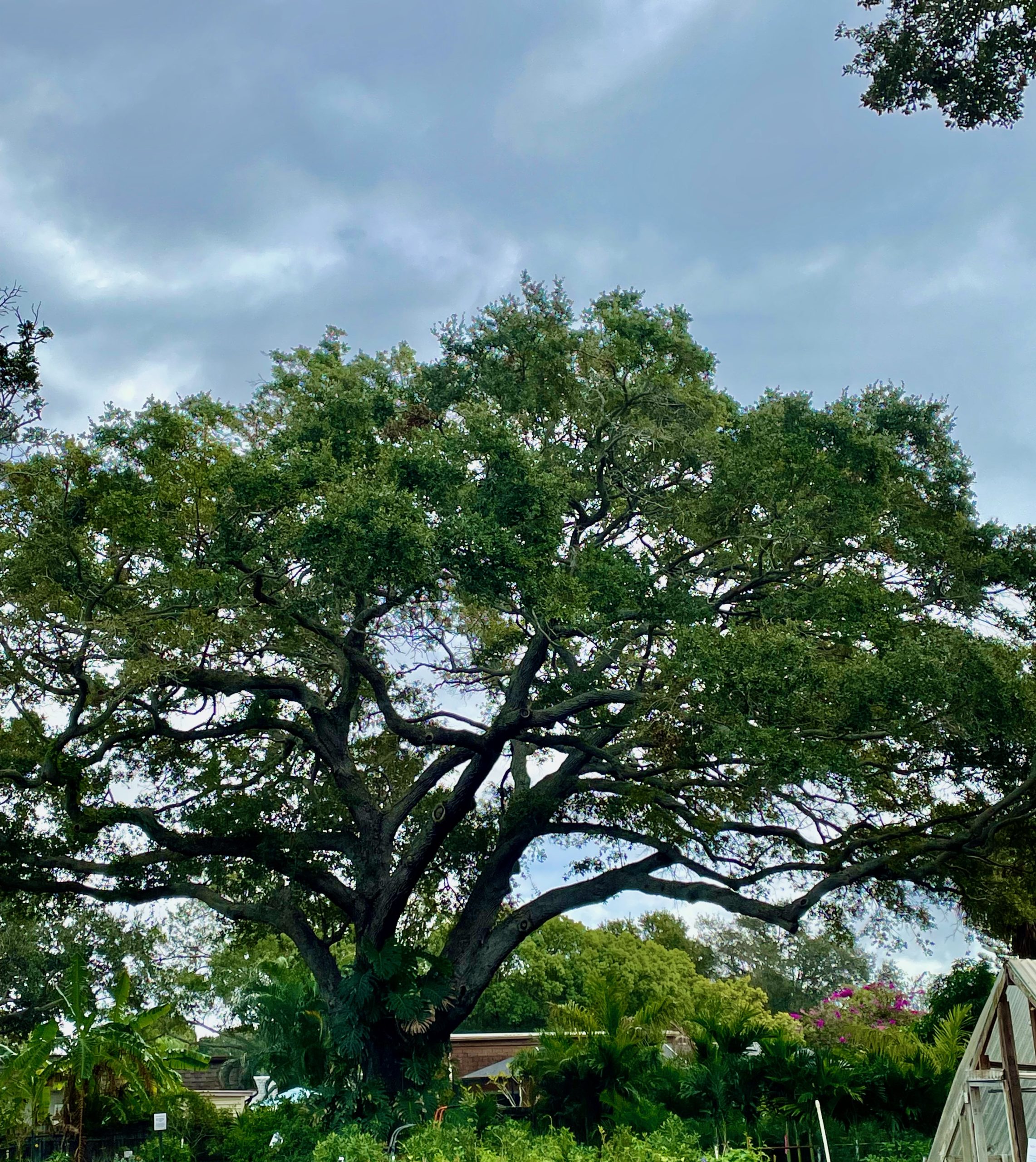
Credit: www.wilcoxnursery.com
Tree Care After Planting
Taking care of your oak tree after planting is crucial for its growth and health. Proper care helps the tree establish strong roots and withstand Florida’s climate. Simple daily actions make a big difference in the tree’s survival and development.
Watering Schedule
Keep the soil moist but not soggy. Water the oak tree deeply once or twice a week. Increase watering during dry spells or hot weather. Early morning watering reduces evaporation and helps roots absorb water better. Young oak trees need more water than mature ones.
Mulching Tips
Apply mulch around the base of the oak tree to keep soil moist and cool. Use organic mulch like wood chips or bark. Spread mulch in a 2-4 inch layer, but keep it away from the trunk. Mulching also helps prevent weeds and protects roots from extreme temperatures.
Pest And Disease Control
Check the oak tree regularly for signs of pests like caterpillars or beetles. Remove any damaged or dead leaves to stop diseases. Use natural insecticides if needed, avoiding harsh chemicals. Healthy trees resist pests and diseases better, so maintain good care practices.
Credit: www.thewooddoctortreeservice.com
Frequently Asked Questions
What Is The Best Oak Tree To Plant In Florida?
The best oak tree to plant in Florida is the Shumard oak. It grows fast, tolerates drought, pollution, and adapts well to Florida’s climate.
What Month Do You Plant Oak Trees?
Plant oak trees in early fall, around September to October. This timing helps roots establish before winter. Avoid planting when the ground freezes. Early fall planting ensures stronger growth and better survival through cold months.
How Tall Will An Oak Tree Grow In 10 Years?
An oak tree can grow 10 to 20 feet tall in 10 years. Growth depends on species, soil, and climate conditions.
Is October Too Late To Plant A Tree?
October is not too late to plant a tree. Plant while the ground is workable and before the first freeze.
Conclusion
Planting an oak tree at the right time helps it grow strong. In Florida, early fall offers ideal conditions. The soil is warm, and rains are still common. This timing helps roots settle before dry months. Choose a native species for better growth and care.
Water your young tree regularly to keep it healthy. Watch it grow into a beautiful shade provider over the years. Patience and proper care make all the difference. Start planting now for a greener future.