If you want to grow peppers successfully in South Florida, knowing the best time to plant them is key. Plant too early, and the heat or pests might ruin your crop.
Plant too late, and you might miss the ideal growing window for a bountiful harvest. You’re probably wondering when exactly to start your pepper seeds or transplant seedlings to get the most out of your garden. This guide will help you understand the perfect months and conditions for planting peppers in South Florida, so you can enjoy fresh, flavorful peppers right from your backyard.
Keep reading to unlock the secrets to timing your pepper planting just right!
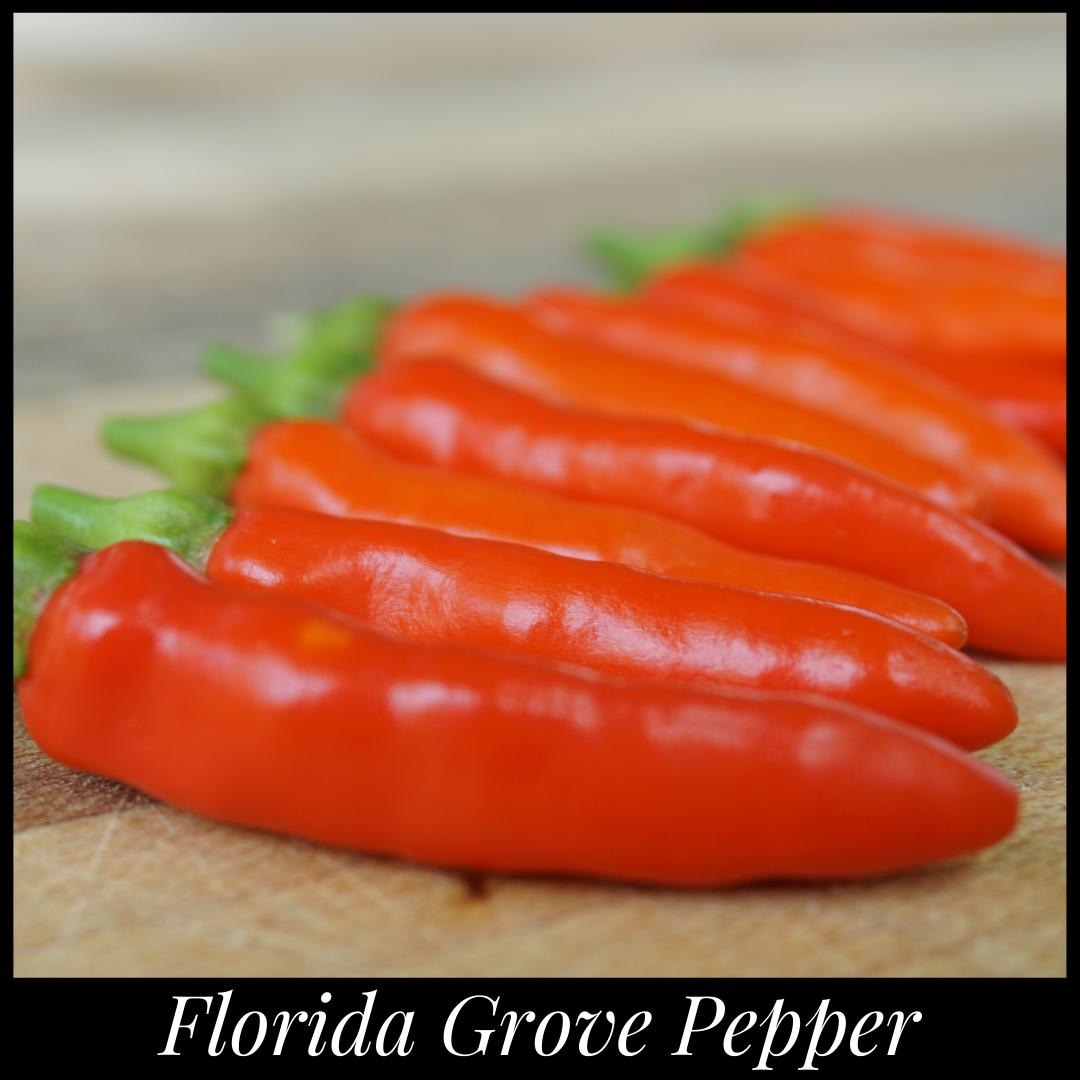
Credit: www.etsy.com
Pepper Growing Seasons
Peppers thrive best during specific seasons in South Florida. Understanding these growing seasons helps gardeners plan the best planting times. South Florida’s warm climate allows for multiple planting windows. Choosing the right season ensures healthy plants and bountiful harvests. Here are the main pepper growing seasons in the region.
Spring Planting Window
Start pepper seeds indoors in late winter. Transplant seedlings outdoors after the last frost date, usually in early spring. The soil warms up quickly, promoting strong growth. Peppers planted now will produce fruits by early summer. This window gives plants plenty of time to mature before the hot summer months.
Fall Planting Options
South Florida’s mild fall weather supports a second planting season. Start seeds in midsummer for transplanting in August or September. This timing avoids the hottest part of the year. Fall-planted peppers grow well as temperatures cool. They often yield peppers into late fall or early winter.
Avoiding Frost Damage
Frost can harm pepper plants, especially young ones. South Florida rarely experiences frost, but occasional cold snaps happen. Plant peppers after the last frost in spring to avoid damage. In fall, harvest peppers before the first frost arrives. Cover plants with cloth if frost threatens. Protecting peppers ensures healthy growth and fruit production.
Choosing Pepper Varieties
Choosing the right pepper varieties is key to a successful garden in South Florida. The region’s warm climate and high humidity affect which types grow best. Selecting peppers that handle heat and resist local diseases will boost your harvest. Some peppers mature faster, fitting better into South Florida’s growing seasons. Focus on varieties that thrive in these conditions for strong plants and tasty fruits.
Heat-tolerant Types
South Florida’s heat can stress pepper plants. Choose heat-tolerant types to keep plants healthy. Varieties like ‘Jalapeño’ and ‘Cayenne’ handle high temperatures well. These peppers keep producing even during hot spells. Heat tolerance helps peppers avoid flower drop and fruit burn. This choice leads to a steady pepper supply through warm months.
Short-season Varieties
Short-season varieties mature quickly, perfect for South Florida’s climate. These peppers finish growing before the hottest months arrive. Examples include ‘Early Jalapeño’ and ‘Gypsy’. Fast maturity means less risk of heat damage or pests. Plant these to enjoy fresh peppers sooner. They fit well into spring or fall planting schedules.
Disease-resistant Options
Humidity in South Florida increases disease risks for peppers. Select disease-resistant varieties to reduce problems. Look for peppers labeled resistant to root rot and leaf spot. Varieties like ‘California Wonder’ and ‘Corno di Toro’ show good resistance. Strong plants need fewer chemicals and less care. Disease resistance keeps your garden thriving and productive.
Starting Seeds Indoors
Starting pepper seeds indoors is the best way to get a strong start in South Florida. It helps protect young plants from pests and sudden weather changes. Starting seeds inside also gives you control over temperature and moisture. This leads to healthier seedlings ready to grow once outside. Proper timing and care make a big difference in success.
Timing For Seed Starting
Begin pepper seeds indoors about 8 to 10 weeks before the last expected frost. In South Florida, this usually means starting seeds in late January or early February. For a fall harvest, start seeds again in July or early August. This timing ensures seedlings are strong before transplanting outdoors. Avoid starting seeds too early to prevent weak, leggy plants.
Seedling Care Tips
Keep the soil moist but not soaked. Use a spray bottle to water seedlings gently. Provide bright light for 12 to 16 hours daily. A sunny window or grow lights work well. Maintain room temperature between 70 and 80 degrees Fahrenheit. Thin seedlings by snipping weaker ones at the base. This helps the strongest plants grow better.
Transplanting Guidelines
Move seedlings outdoors after the last frost date, usually in March or April. Harden off plants by exposing them to outdoor conditions for one week. Start with a few hours of sun, increasing daily. Plant seedlings in well-drained soil with good organic matter. Space plants 18 to 24 inches apart. Water well after transplanting and keep soil moist during the first weeks.

Credit: www.reddit.com
Direct Planting Tips
Direct planting peppers in South Florida requires careful attention to soil, spacing, and watering. These steps help peppers grow strong and healthy. Follow these tips for the best results in your garden.
Soil Preparation
Start with well-drained soil rich in organic matter. Mix compost or aged manure into the soil to add nutrients. Peppers prefer slightly acidic soil with a pH of 6.0 to 6.8. Loosen the soil to a depth of 8-12 inches to help roots spread easily. Remove any weeds or debris before planting.
Plant Spacing
Space pepper plants 18 to 24 inches apart in rows 24 to 36 inches apart. Proper spacing improves air circulation and reduces disease risk. Crowded plants compete for water and nutrients. Leave enough room for mature plants to grow without touching each other.
Watering Practices
Water peppers deeply but less often to encourage strong roots. Keep the soil moist but not soggy. Avoid wetting leaves to prevent fungal diseases. Mulch around plants to retain moisture and reduce weeds. Adjust watering based on weather and soil conditions.
Managing Heat And Humidity
Peppers thrive best in South Florida when heat and humidity are managed well. High temperatures and moist air can stress plants and reduce yields. Growing peppers in this climate needs special care. Proper techniques help peppers grow strong and healthy despite challenges. Understanding how to protect plants from sun and pests is key to success.
Shade And Mulch Techniques
Use shade cloth to protect peppers from intense sun. It reduces leaf burn and keeps temperatures cooler. Mulch helps keep soil moist and cool. Organic mulch like straw or wood chips works well. Mulching also stops weeds that compete for water. Together, shade and mulch create a better environment for peppers.
Pest Control Strategies
High humidity attracts many pests that damage pepper plants. Regularly check leaves for aphids, spider mites, and whiteflies. Handpick pests or use insecticidal soap for control. Introducing beneficial insects like ladybugs helps fight pests naturally. Keeping plants healthy reduces pest problems and supports strong growth.
Disease Prevention
Warm and humid conditions increase disease risks like fungal infections. Water peppers early in the day to let leaves dry quickly. Avoid overhead watering to reduce leaf wetness. Provide good air circulation by spacing plants properly. Remove any diseased leaves to stop spread. Healthy plants resist disease better and produce more fruit.
Regional Planting Differences
Planting peppers in South Florida requires understanding regional differences. The climate and seasons here differ from other parts of Florida and the country. These differences affect when and how you plant peppers. Knowing these details helps you grow healthier and more productive plants.
South Florida Climate Benefits
South Florida has a warm, subtropical climate. Winters are mild with little chance of frost. This allows for an extended growing season. You can plant peppers earlier than in northern regions. The long warm periods help peppers mature fully. High humidity also supports growth but watch for fungal diseases. Overall, the climate favors multiple plantings per year.
Microclimate Considerations
Microclimates exist within South Florida’s varied landscapes. Coastal areas have more sea breezes and salt spray. Inland areas may be warmer and drier. Urban areas often have heat islands raising temperatures slightly. Shade, wind patterns, and soil types vary by location. These factors affect pepper plant health and timing. Adjust planting dates and care based on your specific microclimate.
Adjusting For Seasonal Variations
South Florida has wet and dry seasons impacting planting times. The wet season runs from May to October. Heavy rains and storms can stress young plants. Plant peppers in late winter or early spring before heavy rains. The dry season from November to April is ideal for pepper growth. You can also plant a second crop in late summer. Monitor weather changes closely for best results.
Companion Planting
Companion planting helps peppers grow strong and healthy in South Florida. Planting certain crops near peppers improves growth and reduces pests. It also saves space and increases garden yield. Understanding which plants work well together matters for a successful harvest.
Best Companion Crops
Basil is a great companion for peppers. It repels insects and improves pepper flavor. Marigolds also protect peppers by keeping harmful bugs away. Onions and garlic nearby can reduce pests with their strong scent. Carrots and spinach grow well with peppers because they do not compete for nutrients. Beans add nitrogen to the soil, which peppers need to thrive. These plants create a healthy environment for peppers in South Florida gardens.
Avoiding Harmful Neighbors
Tomatoes and peppers should not be planted side by side. Both share similar pests and diseases that spread easily. Fennel is another plant to avoid near peppers because it can stunt their growth. Potatoes may attract pests that harm pepper plants. Corn attracts pests like corn earworms, which can also damage peppers. Keeping these plants apart reduces risk and keeps peppers strong. Proper spacing helps peppers grow without competition or disease.

Credit: www.revivalgardening.com
Harvesting Peppers
Harvesting peppers in South Florida is a rewarding part of growing this vibrant crop. Knowing the right time and method to harvest ensures the best flavor and texture. Peppers continue to develop color and taste after picking, but harvesting at the right maturity stage is key. Proper techniques protect the plant and help it produce more fruit. Handling peppers carefully after harvest keeps them fresh and tasty for longer.
Signs Of Maturity
Peppers are ready to harvest when they reach full size and color. Green peppers may turn red, yellow, or orange depending on the variety. The skin should be firm and glossy. A gentle squeeze can check firmness. Wrinkled or soft spots mean the pepper is overripe. Some peppers taste sweeter and milder at full color. Harvesting too early means less flavor and crunch.
Harvesting Techniques
Use scissors or pruning shears to cut peppers from the plant. Cut the stem about half an inch above the pepper. Avoid pulling or twisting, which can damage the plant. Handle peppers gently to avoid bruises. Harvest in the morning when temperatures are cooler. Regular picking encourages plants to produce more peppers. Leave smaller peppers to grow bigger for future harvests.
Post-harvest Handling
After picking, place peppers in a shaded, cool area. Avoid stacking peppers to prevent bruising. Wash peppers just before use, not before storage. Store them in a breathable container or paper bag in the refrigerator. Peppers last about one to two weeks when stored properly. Check stored peppers regularly and remove any with soft spots. Proper handling keeps peppers fresh and delicious longer.
Frequently Asked Questions
What Month Do You Plant Peppers In Florida?
Plant peppers in Florida from late winter indoors, transplant after last spring frost. You can also plant in August-September for a fall crop.
Can I Still Plant Peppers In August?
Yes, you can plant peppers in August for an early fall harvest. Choose heat-tolerant varieties and plant in well-drained soil with full sun. Water regularly and provide support as plants grow. Starting peppers in August works well in warmer climates with a long growing season.
What To Plant In October In Florida?
In October, plant cool-season crops like lettuce, kale, broccoli, cauliflower, carrots, radishes, and cabbage in Florida. South Florida also allows planting warm-weather crops and strawberries. Start seeds indoors for brassicas and sow root vegetables directly in the soil for best results.
Can I Plant Tomatoes In September In Florida?
Yes, plant tomatoes in Florida during early September for a fall harvest. Choose heat-tolerant, disease-resistant varieties suited to the region.
Conclusion
Planting peppers at the right time boosts your garden’s success. In South Florida, start seeds indoors in late winter. Transplant seedlings after the last frost for best growth. You can also plant peppers in midsummer for an early fall harvest.
Choose varieties suited to the climate and space them properly. Watch for pests and water consistently. Timing and care help your peppers grow strong and healthy. Enjoy fresh peppers all season with simple planning and effort.