Are you thinking about planting centipede grass in your Florida lawn? Timing is everything when it comes to growing a healthy, lush yard.
Planting at the right time can save you from wasted effort and disappointing results. If you want your centipede grass to take root strong and thrive through Florida’s climate, knowing the best time to plant is key. You’ll discover exactly when to plant centipede grass in Florida for the best growth, along with tips to avoid common pitfalls.
Keep reading to make sure your lawn looks its best all year round!
Centipede Grass Basics
Understanding the basics of centipede grass helps in successful planting and care. This grass type suits Florida’s warm climate well. It grows slowly but creates a dense, low-maintenance lawn. Knowing its traits and benefits guides the best planting time for healthy growth.
Characteristics Of Centipede Grass
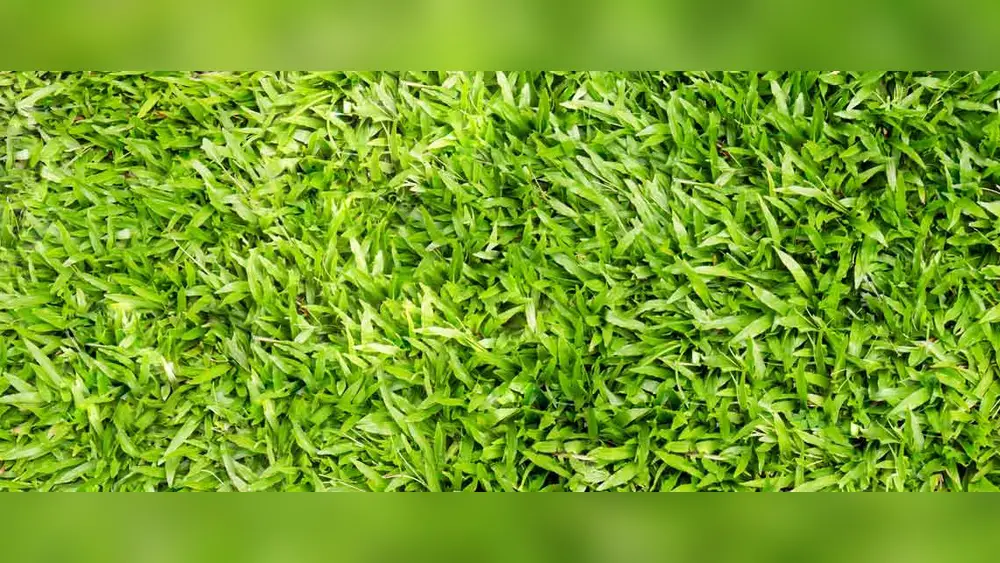
Centipede grass has light green, coarse blades. It spreads by stolons, forming a thick carpet. This grass prefers acidic, sandy soils common in Florida. It tolerates heat and drought better than many grasses. It grows best in full sun but can handle some shade. The grass has low nutrient needs, reducing fertilizer use. Slow growth means less mowing and trimming is required.
Benefits Of Centipede Grass In Florida
Centipede grass fits Florida’s climate perfectly. It resists heat and drought stress well. The grass needs little water once established, saving resources. Its low fertilizer demand helps keep lawn care simple. This grass controls weeds by forming a dense cover. It also resists many common pests and diseases. Centipede grass stays green longer in warm seasons. Its soft texture makes it comfortable for playing or relaxing outdoors.
Ideal Planting Window
Choosing the ideal planting window for centipede grass in Florida is essential for a healthy lawn. Planting at the right time helps the grass establish strong roots and resist pests and weather stresses. The window depends on climate, soil, and grass needs. Understanding these factors ensures better growth and a lush green lawn.
Best Months To Plant
Plant centipede grass from late spring to early summer. May through July is the prime time in Florida. During these months, the weather is warm, and the grass grows actively. Avoid planting after August to prevent cold damage. Early planting gives the grass enough time to root deeply.
Soil Temperature Requirements
Centipede grass needs soil temperatures between 70°F and 85°F to grow well. Soil that is too cold slows seed germination and root growth. Warm soil boosts seedling survival and speeds up establishment. Measure soil temperature before planting for best results.
Why Late Summer Planting Is Risky
Planting centipede grass late in summer risks poor root development. The grass may not develop strong roots before cooler temperatures arrive. Cold weather can kill young grass or stunt its growth. Late planting also increases weed competition in early fall. This makes lawn care harder and less effective.
Fall Planting Challenges
Planting centipede grass in Florida during fall brings several challenges. The grass needs time to grow strong roots before cold weather arrives. Without enough root growth, the grass may struggle to survive winter. Fall planting also faces threats from cold temperatures and weeds. Understanding these issues helps in making the right decision for your lawn.
Root Establishment Issues
Centipede grass is a warm-season grass. It requires warm soil to develop roots well. In fall, soil starts cooling down. This slows root growth and weakens the grass. Poor root systems make the grass less able to absorb water and nutrients. Young plants may fail to survive the winter without strong roots.
Risks Of Winter Damage
Centipede grass is sensitive to cold. Hard freezes can kill young plants. If roots are weak, the grass cannot recover from frost damage. Winter injury causes brown patches and slow recovery in spring. The risk of damage grows higher if the grass is planted too late in fall.
Increased Weed Competition
Weeds grow quickly in fall and early spring. Newly planted centipede grass struggles to compete with them. Weeds take water, sunlight, and nutrients from the grass. This weakens centipede grass and slows its growth. Controlling weeds in fall is harder with young, weak grass.
Fall Planting Tips
Planting centipede grass in the fall requires careful attention to timing and care. This season can be tricky because the grass needs enough warmth to establish roots before cold weather. Following specific fall planting tips helps your lawn grow stronger and survive winter better.
Planting Early In Fall
Start planting centipede grass early in the fall season. Early planting gives roots time to develop before temperatures drop. Aim for late August to early September in Florida. Planting too late means the grass may not establish well. Early fall planting reduces the risk of winter damage.
Using Potassium Fertilizer
Apply potassium fertilizer during fall planting. Potassium helps strengthen grass cell walls. Strong cell walls improve cold tolerance and disease resistance. Use a fertilizer with a high potassium number. This nutrient supports root growth and prepares grass for winter stress.
Avoiding Nitrogen Fertilizer
Do not use nitrogen fertilizer in fall. Nitrogen encourages leaf growth but weakens roots. High nitrogen in fall makes grass more vulnerable to cold damage. Skip nitrogen to help grass focus on root development. Avoiding nitrogen prevents winter injury and promotes healthier growth next spring.
Alternative Planting Times
Planting centipede grass in Florida offers flexibility beyond the usual late spring and early summer months. Alternative planting times can work well if managed carefully. These options help homeowners establish healthy lawns even outside the prime season. Understanding the benefits and challenges of these times improves success.
Spring And Early Summer Advantages
Planting centipede grass in spring or early summer takes advantage of warmer soil temperatures. This period promotes faster seed germination and root growth. The grass establishes quickly before the intense summer heat. Frequent rainfall during this time keeps the soil moist, helping new grass thrive.
Early planting reduces the risk of weed competition later in the season. It also gives the lawn more time to strengthen before cooler weather arrives. Overall, spring and early summer planting supports a lush, green lawn that can handle Florida’s climate.
Dormant Seed Planting In Late Fall
Late fall planting involves sowing centipede grass seeds while the grass is dormant. This method relies on natural warming in spring to start seed germination. Dormant seeding saves time and effort by skipping spring planting chores.
Seeds stay protected through winter and begin growing as temperatures rise. This timing can reduce weed pressure since few weeds grow in cooler months. However, seeds need good soil contact and moisture to survive cold spells. Proper preparation is essential for success with dormant planting.
:max_bytes(150000):strip_icc()/growing-centipede-grass-5092692-hero-e7105702a36e4e6b8bafd10aac41660a.jpg "Best Time to Plant Centipede Grass in Florida: Ultimate Guide 2")
Credit: www.thespruce.com
Soil Preparation And Fertilization
Proper soil preparation and fertilization play key roles in growing healthy centipede grass in Florida. The right soil setup ensures strong root growth and good nutrient absorption. Fertilizing at the right time and with the right nutrients keeps the grass green and resilient. This section explains how to prepare your soil and choose fertilizers by season for the best results.
Preparing Soil For Planting
Start by removing weeds, rocks, and debris from the planting area. Loosen the soil to a depth of 4 to 6 inches. This helps roots grow easily and access nutrients. Test your soil’s pH level before planting. Centipede grass prefers slightly acidic soil with a pH between 5.0 and 6.0. If needed, add lime to raise the pH or sulfur to lower it. Mix amendments well into the soil for even distribution. Level the soil surface to avoid water pooling. Proper soil drainage is important to prevent root rot and fungal problems.
Fertilizer Choices By Season
Apply fertilizer based on the season to support grass growth. In spring, use a balanced fertilizer with nitrogen, phosphorus, and potassium. This boosts new growth and root development. Avoid high nitrogen fertilizers in fall because they encourage weak growth. Instead, choose fertilizer with higher potassium to strengthen the grass for winter. Do not fertilize in winter as the grass is dormant. Follow the recommended rates on fertilizer labels to avoid overfeeding. Regular fertilization helps maintain thick, green centipede grass all year long.
Maintenance After Planting
After planting centipede grass in Florida, proper maintenance is essential. It helps the grass establish roots and grow healthy. Good care reduces stress and prevents problems like weeds and pests. Focus on watering, weed control, and pest monitoring to keep your lawn lush and green.
Watering Guidelines
Newly planted centipede grass needs regular watering. Water lightly but often to keep the soil moist. Avoid overwatering as it can cause root rot. Once established, water deeply once or twice a week. Early morning watering helps reduce evaporation and fungal growth.
Weed Control Strategies
Weeds compete with centipede grass for nutrients and water. Remove weeds by hand or use a selective herbicide safe for centipede grass. Apply mulch around new plants to reduce weed growth. Maintain a healthy lawn to naturally reduce weed invasion.
Monitoring For Pests And Diseases
Check your lawn regularly for signs of pests or diseases. Look for discoloration, spots, or thinning grass. Treat problems early with appropriate insecticides or fungicides. Good lawn care practices reduce the risk of pests and diseases.
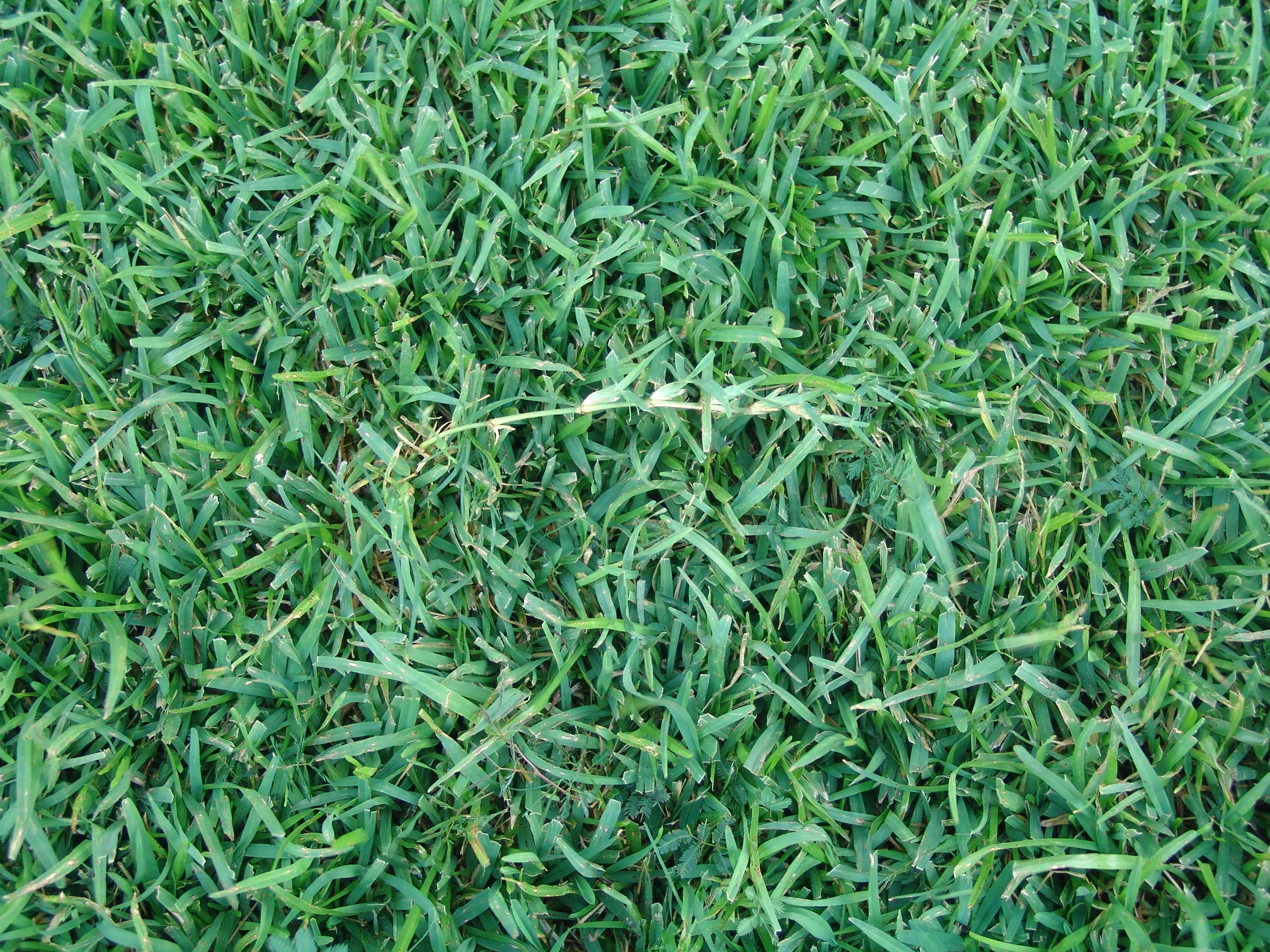
Credit: dickersonlandscaping.com
Common Issues With Centipede Grass
Centipede grass is popular in Florida for its low maintenance and good appearance. Still, this grass has some common issues that can affect its health and growth. Knowing these problems helps you take better care of your lawn and keep it green and strong.
Centipede grass can face challenges like poor soil, pests, and diseases. These problems often appear if the grass is not planted or maintained properly. Understanding these issues helps prevent damage and costly repairs.
Disadvantages To Consider
Centipede grass grows slowly compared to other grasses. It takes more time to fill bare spots. It does not handle heavy foot traffic well. The grass can turn yellow if soil nutrients are low. It is sensitive to cold and may die in frost. Centipede grass also struggles in very shady areas. It needs full sun to grow best.
How To Address Common Problems
Test your soil to check pH and nutrients. Add lime if the soil is too acidic. Apply fertilizer with low nitrogen and higher potassium levels. Water deeply but infrequently to encourage deep roots. Remove weeds early to avoid competition for nutrients. Mow the grass at the right height to prevent stress. For pests like mole crickets, use recommended insecticides carefully. Treat fungal diseases by improving air flow and avoiding overwatering.
:max_bytes(150000):strip_icc()/growing-centipede-grass-5092692-hero-e7105702a36e4e6b8bafd10aac41660a.jpg "Best Time to Plant Centipede Grass in Florida: Ultimate Guide 4")
Credit: www.thespruce.com
Frequently Asked Questions
When To Plant Centipede Grass Seed In Florida?
Plant centipede grass seed in Florida from late spring to early summer, ideally between April and July. This timing ensures warm soil and enough growth before cooler weather. Avoid planting after August to prevent cold damage to young seedlings.
Is October 1 Too Late To Plant Grass Seed?
October 1 is usually too late to plant grass seed, especially warm-season types like centipede grass. Seedlings need time to root before cold. Planting earlier in spring or early summer ensures better growth and winter survival. Late planting risks poor establishment and winter damage.
Can You Plant Centipede Grass In The Fall?
You can plant centipede grass in fall, but it risks poor root growth before winter cold. Planting between April and July is best. Apply potassium fertilizer in fall to strengthen roots, and avoid nitrogen fertilizers to reduce winter damage risks.
Early planting improves success.
What Are The Disadvantages Of Centipede Grass?
Centipede grass grows slowly and is sensitive to cold temperatures. It requires acidic soil and minimal fertilization. It struggles in heavy foot traffic and may develop thatch buildup. It also has poor drought tolerance compared to other warm-season grasses.
Conclusion
Plant centipede grass in Florida during late spring or early summer. This timing helps grass establish strong roots before hot summer and cold winter. Avoid planting too late to prevent root damage from cold weather. Early planting reduces weed growth and supports healthy lawn growth.
Follow proper care and watering for best results. Healthy centipede grass creates a lush, green lawn that lasts. Choose the right time, and your lawn will thrive in Florida’s climate.