
If you’re looking to grow a lush, green lawn in Florida, knowing the best time to plant centipede grass seed is crucial. Planting at the right moment can mean the difference between a thriving yard and a patchy, struggling lawn.
You want your grass to take root strong and healthy, giving you a beautiful outdoor space to enjoy. In Florida’s warm climate, timing is everything—plant too early or too late, and your grass may not establish properly. Stick with me as I guide you through the ideal planting window, important soil temperature tips, and what to avoid to ensure your centipede grass flourishes year-round.
Ready to get your lawn looking its best? Let’s dive in!
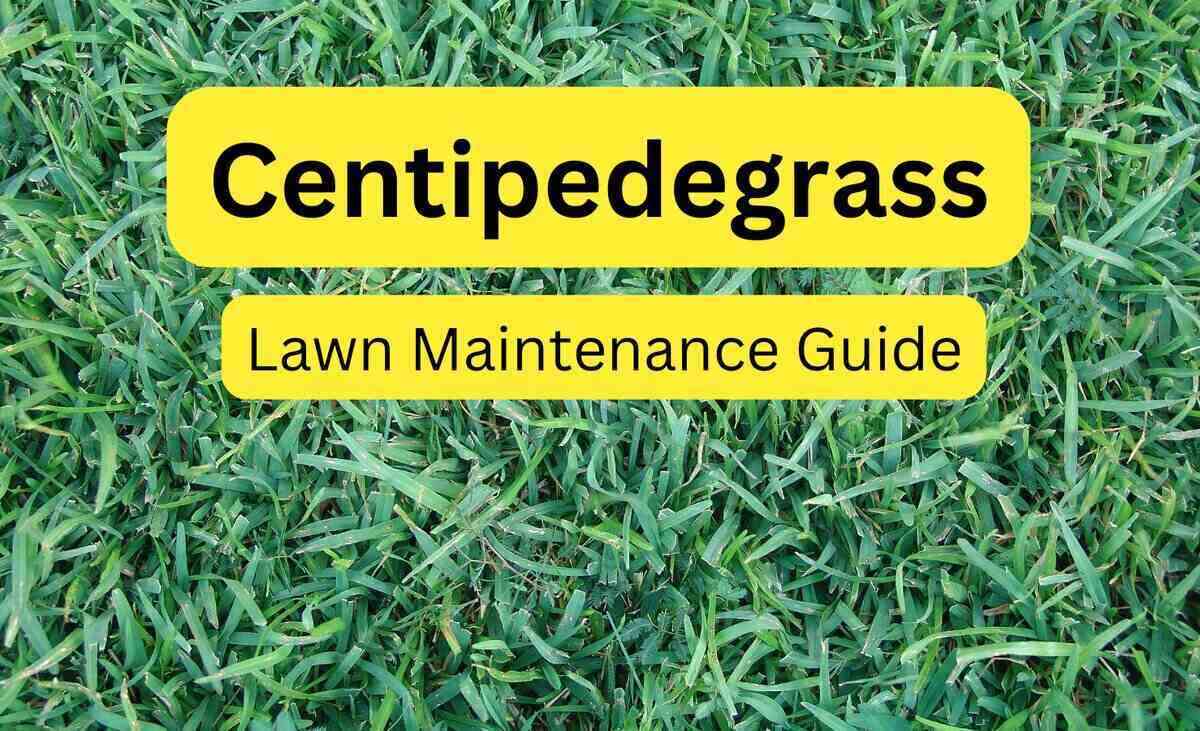
Credit: www.lawnstarter.com
Planting Window In Florida
Understanding the planting window for centipede grass seed in Florida is crucial. The right timing ensures strong growth and a healthy lawn. Florida’s climate affects when the seed will germinate and thrive. Planting during optimal months helps the grass establish before weather changes.
Prime Months From April To July
April through July is the best time to plant centipede grass seed. Warm weather and longer days help seed sprout quickly. These months offer ideal conditions for root development. Planting during this period leads to a lush, green lawn by summer’s end.
Soil Temperature Importance
Soil temperature must reach at least 70°F for good germination. Cold soil slows seed growth and may kill seedlings. Use a soil thermometer to check temperature before planting. Warm soil activates seed and supports strong roots.
Risks Of Late Summer Planting
Planting after July carries risks in Florida. Late summer heat stresses young grass plants. Seedlings may not grow enough before cooler weather arrives. This can cause poor lawn establishment and patchy growth.
Dormant Seed Planting Option
Planting centipede grass seed in late fall is possible using dormant seeding. Seeds stay inactive through winter and start growing in spring. This method works if the prime planting window was missed. Dormant seeding gives grass a head start for spring growth.
:max_bytes(150000):strip_icc()/growing-centipede-grass-5092692-hero-e7105702a36e4e6b8bafd10aac41660a.jpg "Best Time to Plant Centipede Grass Seed in Florida: Ultimate Guide 3")
Credit: www.thespruce.com
Seed Germination Timeline
The seed germination timeline for centipede grass in Florida is crucial for a healthy lawn. Understanding the stages helps you care for the grass properly. Centipede grass seed needs warm soil to sprout well. The timeline includes germination, initial growth, and mowing stages. Each phase requires specific attention for best results.
Germination Period
Centipede grass seeds typically germinate in 14 to 21 days. Soil temperature should be between 70°F and 85°F for quick germination. Keep the soil moist but not soaked during this time. Avoid heavy foot traffic on the seeded area. Germination may take longer if temperatures are cooler.
Initial Growth Stage
After germination, grass blades start to appear. This stage lasts about 3 to 4 weeks. Continue watering daily to keep soil damp. Avoid fertilizing during the first two weeks to prevent damage. The grass will slowly thicken and spread during this stage.
When To Start Mowing
Begin mowing when the grass reaches 2 to 3 inches tall. Use a sharp blade and cut only the top third of the grass. Mowing too early can uproot young seedlings. Regular mowing encourages healthy growth and a dense lawn. Keep the mower height high to avoid stress.
Long-term Lawn Establishment
Establishing a centipede grass lawn in Florida is a long-term project. Patience and proper care lead to a lush, green yard. Understanding how this grass grows helps set realistic expectations. The process takes time but rewards with a natural, low-maintenance lawn.
Planning for slow growth and gradual coverage ensures success. Watching your lawn develop over the years shows steady improvement. This section explains what to expect from centipede grass seed planting in Florida.
Slow Growth Characteristics
Centipede grass grows slower than many other grasses. Seedlings take time to root deeply and spread. This slow pace means the lawn looks thin at first. Early weeks require careful watering and weed control. Avoid rushing the process for better results.
Timeline To Full Coverage
Full lawn coverage can take up to two years. First year focuses on seed germination and initial growth. By the second year, grass fills in bare spots. Regular mowing helps encourage thicker growth. Patience during this timeline avoids common mistakes.
Lawn Development Over Years
Centipede grass becomes denser with each growing season. Root systems strengthen and grass spreads naturally. Minimal fertilization supports steady development. Over time, the lawn resists weeds and drought better. Long-term care creates a beautiful, resilient yard.
Credit: www.pennington.com
Planting Techniques
Planting centipede grass in Florida requires careful choice of techniques to ensure healthy growth. Each method has unique benefits and suits different yard conditions and budgets. Proper planting helps the grass establish quickly and resist weeds and pests. Follow simple steps for best results.
Seeding Vs. Sod Vs. Plugs
Seeding is the most cost-effective method. It allows you to cover large areas but takes longer to establish. Sod provides instant green coverage and controls erosion but costs more. Plugs are small grass pieces planted in rows. They are cheaper than sod and faster than seed. Choose based on your budget and timeline.
Soil Preparation Tips
Clear the area of weeds, rocks, and debris before planting. Loosen soil to a depth of 4 to 6 inches for good root growth. Add organic matter or compost to improve soil texture and nutrients. Test soil pH and adjust it to 5.0 to 6.0 for centipede grass. Level the soil to avoid water pooling.
Watering And Care
Keep the soil moist but not soaked during germination or plug rooting. Water lightly 2 to 3 times daily for the first two weeks. Reduce watering frequency as grass grows deeper roots. Avoid overwatering to prevent disease and root rot. Mow when grass reaches 2 to 3 inches high, cutting only one-third of the blade length.
Common Challenges
Planting centipede grass seed in Florida comes with its own set of challenges. These challenges can affect the growth and health of your lawn. Understanding these issues helps you prepare better and improve your lawn’s success.
Dealing With Frost Risks
Frost can kill young centipede grass seedlings. Planting too late in the year risks frost damage. The best time to plant is before cold weather arrives. If frost hits, seedlings may die or grow very slowly. Protect new grass by planting early enough. Avoid planting in late fall or winter.
Managing Summer Heat Stress
Florida’s summer heat can stress centipede grass. High temperatures dry out soil quickly. Young grass needs more water during hot months. Too much heat slows down growth and weakens grass. Planting in late spring or early summer helps grass establish before the hottest days. Water regularly to keep the soil moist but not soaked.
Pest And Disease Prevention
Pests like mole crickets and chinch bugs often attack centipede grass. These insects damage roots and leaves. Fungal diseases can also harm the lawn, especially in humid Florida. Use pest control methods early to stop infestations. Keep the lawn clean and avoid overwatering. Healthy grass resists pests and diseases better.
Expert Recommendations
Expert advice guides the best time to plant centipede grass seed in Florida. Knowledge from trusted sources ensures your lawn grows healthy and strong. These recommendations focus on timing, seed choice, and care tips specific to Florida’s climate.
Following expert tips helps your grass establish quickly and resist stress. Understanding soil temperatures and seasonal patterns is key. Planting during the right months increases your success rate significantly.
Advice From Uf/ifas
The University of Florida’s IFAS recommends planting centipede grass seed between April and July. This period matches warm soil temperatures, ideal for seed germination. Seeds planted too late risk frost damage before they mature.
UF/IFAS also advises preparing the soil well by removing weeds and loosening the top layer. Consistent watering during germination is critical. Avoid heavy watering that can wash seeds away or cause disease.
Tips From Turfgrass Specialists
Turfgrass experts stress the importance of soil temperature, aiming for at least 70°F before planting. They suggest avoiding planting in late summer to prevent seedling stress from heat and drought. Early spring planting is often too cold for good germination.
Specialists recommend using starter fertilizer to boost initial growth. Regular mowing after the grass reaches 2 inches helps strengthen roots. Patience is essential as centipede grass grows slower than other types.
Best Seed Varieties For Florida
Choosing the right centipede grass seed variety improves lawn success. Common varieties like ‘Common Centipede’ and ‘TifBlair’ perform well in Florida’s soils. They handle heat and humidity better than other types.
Certified seed ensures purity and reduces weed contamination. Look for seed labeled specifically for Florida conditions. This choice helps your lawn resist pests and diseases common in the region.
Frequently Asked Questions
When To Plant Centipede Grass Seed In Florida?
Plant centipede grass seed in Florida from April to July for best growth. Avoid late summer planting to ensure seedling establishment before frost.
Can I Plant Centipede Seed In The Fall?
You can plant centipede seed in fall, but only early fall before frost. Late fall planting risks poor growth due to cold. Seeds planted late may lie dormant until spring. For best results, plant centipede grass seed in spring or early summer.
Is October 1 Too Late To Plant Grass Seed?
October 1 can be late for planting grass seed, depending on your region. Cooler soil and frost risk may hinder germination. Planting earlier in fall or spring offers better growth chances. For centipede grass, avoid late summer or fall planting to ensure seedlings establish before frost arrives.
How Long Does It Take To Grow Centipede Grass From Seed?
Centipede grass seeds germinate in about 14-21 days. Full lawn establishment takes 2-3 months, but dense growth can require up to 3 years.
Conclusion
Plant centipede grass seed in Florida from April to July for best growth. Warm soil helps seeds sprout quickly and roots establish well. Avoid planting too late, as cold can harm young grass. If you miss spring, late fall planting lets seeds rest until spring.
Proper timing saves effort and gives a lush, green lawn. Follow these tips to enjoy healthy centipede grass all year.