If you’re dreaming of lush, cascading blooms that transform your garden into a fragrant paradise, planting wisteria could be your perfect choice. But in South Florida’s unique climate, timing is everything.
Planting wisteria at the right moment can make all the difference between a thriving vine and one that struggles to take root. Are you wondering when exactly you should plant wisteria to enjoy its stunning flowers year after year? Keep reading to discover the best time to plant wisteria in South Florida, so you can set your garden up for success and enjoy that beautiful burst of color sooner than you think.
Wisteria Varieties For South Florida
Choosing the right wisteria variety is important for South Florida gardens. The climate here is warm and humid, which affects how well wisteria grows. Some types thrive better than others. Understanding these differences helps gardeners pick the best plants for their yard.
Chinese Wisteria Traits
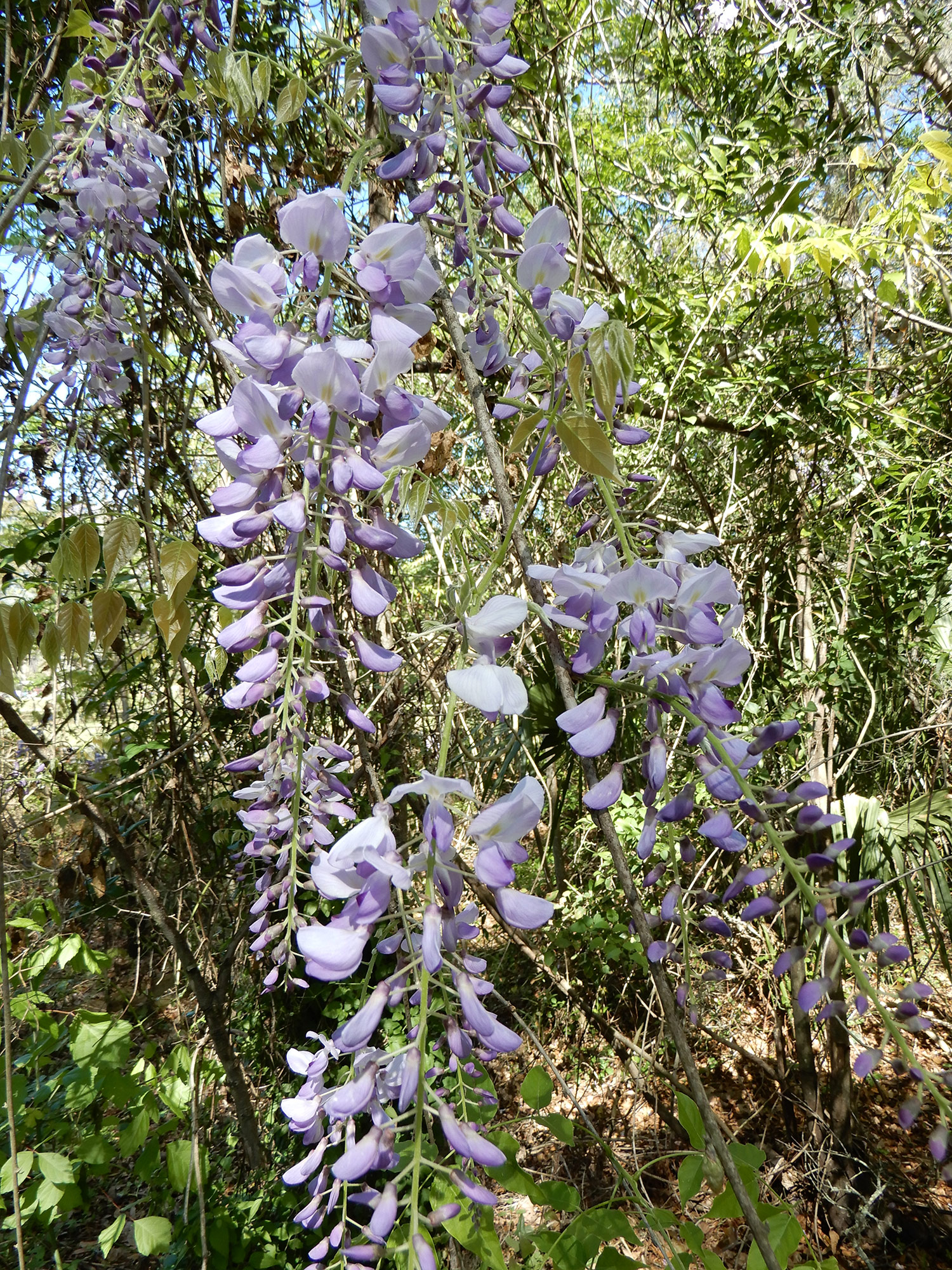
Chinese wisteria, or Wisteria sinensis, is popular in South Florida. It has bluish-purple flowers that bloom in spring. This variety grows quickly and can cover large areas. It climbs well on trellises, fences, and walls. The vines produce long flower clusters that smell sweet. Chinese wisteria can become invasive if not controlled.
Native Vs Non-native Species
South Florida has native wisteria, like the American wisteria (Wisteria frutescens). Native species grow well without harming local plants. Non-native types, such as Chinese and Japanese wisteria, may spread aggressively. They can crowd out native plants and disrupt the ecosystem. Gardeners should consider native options for a balanced garden.
Selecting Suitable Varieties
Select wisteria varieties suited for South Florida’s heat and humidity. American wisteria adapts well and needs less pruning. Chinese wisteria offers stunning blooms but requires careful management. Choose plants labeled for warm climates to ensure success. Start with healthy young plants for better growth.
Optimal Planting Seasons
Choosing the right season to plant wisteria in South Florida helps the vine grow strong. Optimal planting seasons offer mild weather and good soil conditions. These factors support healthy root development and future blooming. Understanding each season’s benefits guides you to better results in your garden.
Spring Planting Benefits
Spring brings warm temperatures and frequent rain. These conditions help young wisteria roots grow quickly. The plant uses the entire growing season to become established. Spring planting also avoids the stress of intense summer heat. This timing sets a solid foundation for strong vines.
Fall Planting Advantages
Fall offers cooler air and moist soil. Wisteria planted in fall can develop roots during winter. This growth helps the plant survive hot summer months. Fall planting reduces water needs and heat stress. It is a smart choice for South Florida’s warm climate.
Container Planting Flexibility
Wisteria in containers can be planted any time the ground is not frozen. Container planting allows control over soil and watering. It also makes moving the plant easier during extreme weather. This option suits gardeners who want flexibility and care options year-round.
Site Selection Tips
Choosing the right site is key to growing healthy wisteria in South Florida. The plant needs certain conditions to thrive and bloom well. Picking a good spot helps the vine grow strong and show its beautiful flowers. Keep these tips in mind when selecting a site.
Sunlight Requirements
Wisteria loves full sun for the best blooms. It needs at least six hours of direct sunlight daily. A bright, sunny spot helps the flowers open fully and the vine grow vigorously. Avoid shady areas where the plant may struggle to bloom.
Soil Conditions
The soil should be well-drained and rich in nutrients. Wisteria does not like waterlogged ground. Sandy loam soils common in South Florida work well if they drain quickly. Adding organic matter improves soil quality and helps roots grow deep.
Space And Support Structures
Wisteria vines grow fast and wide. Give the plant plenty of space to spread out. Choose a sturdy support like a trellis, arbor, or fence. The vine’s heavy wood can damage weak structures. Proper support guides its growth and shows off its hanging flowers.
:max_bytes(150000):strip_icc()/how-to-grow-care-for-wisteria_07-2000-e1e772dbe10345899011334e8732f673.jpg "Best Time to Plant Westeria in South Florida: Ultimate Guide 2025 2")
Credit: www.southernliving.com
Planting Techniques
Planting wisteria in South Florida needs careful techniques. Proper planting helps the vine grow strong and bloom well. Follow these simple steps to prepare your wisteria for a healthy start.
Preparing The Soil
Choose a spot with full sun for the best growth. The soil should be well-draining and rich in organic matter. Loosen the soil deeply to allow roots to spread easily. Mix compost or aged manure to improve soil nutrients. Avoid heavy clay soils that hold water and cause root rot.
Planting Depth And Spacing
Plant the wisteria at the same depth it grew in its pot. Too deep or too shallow planting can harm root development. Space each plant at least 10 to 15 feet apart. Wisteria vines need room to grow and climb without crowding. Proper spacing also improves air flow and reduces disease risk.
Watering Guidelines
Water the wisteria immediately after planting to settle the soil. Keep the soil moist but not soggy during the first growing season. Water deeply once or twice a week, especially during dry spells. Reduce watering as the plant matures and establishes deep roots. Overwatering can cause root problems and stunt growth.
Pruning And Training
Pruning and training wisteria are essential steps for healthy growth and abundant flowering in South Florida. These practices help control the plant’s vigorous growth and shape the vine. Proper pruning encourages more flowers and keeps the wisteria manageable.
Pruning For Flowering
Pruning wisteria stimulates flower production by removing old, weak growth. Cut back long shoots to about six inches after flowering. This encourages new flower buds to form for the next season. Avoid heavy pruning during the growing season to prevent fewer blooms.
Seasonal Pruning Schedules
Prune wisteria twice a year for best results. The first pruning happens in late winter before new growth starts. Remove unwanted shoots and thin the vine. The second pruning takes place in summer after flowering. Shorten new shoots to five or six leaves. This routine keeps the vine healthy and flowering well.
Training Wisteria Growth
Train wisteria by tying young shoots to a sturdy support. Use soft ties to avoid damaging stems. Guide the main stem upward and side shoots horizontally. This encourages strong structure and better flowering. Regularly check ties and adjust as the plant grows.
Credit: www.floridamuseum.ufl.edu
Pest And Disease Management
Managing pests and diseases is crucial for growing healthy wisteria in South Florida. The warm climate encourages many insects and pathogens that can harm your plants. Proper care helps keep your wisteria strong and blooming beautifully. Understanding common pests and disease prevention methods will protect your vine over time.
Common Pests In South Florida
Wisteria in South Florida often faces attacks from aphids, scale insects, and spider mites. These pests feed on the sap and weaken the plant. Caterpillars may also chew on leaves and flowers, causing damage. Regular checks help spot infestations early. Removing pests promptly stops them from spreading further.
Disease Prevention
Fungal diseases like powdery mildew and root rot can affect wisteria here. Avoid overwatering to prevent root rot, as wisteria prefers well-drained soil. Good air circulation reduces mildew risks. Clean gardening tools before use to stop disease spread. Removing dead or infected plant parts lowers disease chances.
Organic Control Methods
Use neem oil or insecticidal soap to control pests naturally. These treatments are safe for beneficial insects and the environment. Introducing ladybugs can reduce aphid populations effectively. Mulching with organic materials improves soil health and discourages pests. Handpicking insects from leaves is simple and effective for small infestations.
Managing Growth Challenges
Wisteria is a stunning vine that thrives in South Florida’s warm climate. Managing its growth is key to keeping your garden healthy and beautiful. The plant can grow very fast and spread widely. Without proper control, it may become a challenge for gardeners. Understanding how to manage wisteria’s growth helps protect your property and nearby plants.
Below are important tips on managing wisteria’s growth and avoiding common problems in South Florida.
Containing Aggressive Growth
Wisteria grows aggressively and can quickly take over garden spaces. Regular pruning keeps the vine in check. Cut back long shoots in late winter to early spring. This encourages flowering and prevents the vine from growing out of control. Train wisteria on strong supports to guide its growth. Remove unwanted shoots regularly to stop spreading.
Protecting Structures
Wisteria’s heavy vines can damage fences, trellises, and walls. Use sturdy supports made from metal or thick wood. Check supports often and repair any damage early. Avoid letting vines wrap tightly around fragile structures. Prune near buildings to stop roots and stems from causing cracks. Proper care preserves your home and garden features.
Impact On Native Vegetation
Wisteria may crowd out native plants by blocking sunlight and using soil nutrients. Keep the vine away from sensitive native species. Clear surrounding areas to give native plants room to grow. Monitor the vine’s spread and remove runners that reach native vegetation. This helps protect South Florida’s natural plant diversity.
Climate Considerations
Understanding the climate is key to planting wisteria in South Florida successfully. The region’s unique weather patterns affect how well the plant grows and blooms. South Florida has hot, humid summers and mild winters. These conditions require specific care to keep wisteria healthy and thriving.
Handling Heat And Humidity
South Florida’s heat can stress young wisteria plants. Provide shade during the hottest part of the day. Water deeply but avoid waterlogging the soil. Good drainage is essential to prevent root rot. High humidity can increase the risk of fungal diseases. Use fungicide if you notice spots on leaves. Prune regularly to improve air circulation around the plant.
Frost Protection Strategies
Frost is rare but possible in South Florida. Protect wisteria by covering it with a frost cloth on cold nights. Mulch around the base to keep roots insulated. Avoid pruning late in the season to prevent new growth that frost can damage. Choose wisteria varieties that tolerate mild frost for better survival rates.
Adapting To Seasonal Changes
South Florida’s seasons are subtle but important for wisteria care. Plant in early spring or fall for best root growth. Adjust watering with the seasons; reduce in cooler months and increase in summer. Watch for pests that become active in warm seasons. Seasonal pruning helps maintain shape and promotes flowering each year.

Credit: nwdistrict.ifas.ufl.edu
Frequently Asked Questions
Can Wisteria Grow In South Florida?
Yes, wisteria can grow in South Florida, especially Chinese wisteria (Wisteria sinensis). It thrives but requires regular pruning to control its vigorous growth. Plant in early spring or fall for best root establishment. Choose a sunny spot with well-drained soil for healthy growth and abundant blooms.
What Month Is Best To Plant Wisteria?
The best months to plant wisteria are early spring or fall. These seasons offer moderate temperatures ideal for root growth. Container-grown wisteria can be planted anytime when the ground isn’t frozen, with fall often being the easiest period.
What Is One Of The Biggest Problems With Having Wisteria Growing Nearby?
One of the biggest problems with wisteria nearby is its aggressive growth. It can damage structures and choke other plants.
Does Wisteria Like Sun Or Shade?
Wisteria thrives best in full sun, needing at least six hours daily for abundant blooms. It tolerates partial shade but flowers less.
Conclusion
Planting wisteria in South Florida works best in early spring or fall. These seasons offer mild temperatures that help roots grow strong. Fall planting lets roots develop during cooler weather before summer arrives. Spring planting gives roots time to settle before the heat.
Container wisterias can be planted almost any time when the soil is not too hot or frozen. Remember to water well and choose a sunny spot. With the right timing and care, your wisteria will bloom beautifully in South Florida gardens.