If you want to bring more color and life to your Florida garden, attracting butterflies is one of the best ways to do it. But it’s not just about pretty flowers—choosing the right host plants is key to supporting butterflies through every stage of their life cycle.
You might be wondering which plants are best for your area and how to create a garden that butterflies will return to year after year. In this guide, you’ll discover the best butterfly host plants for Florida that not only feed hungry caterpillars but also keep butterflies fluttering around your yard.
Keep reading to learn how to turn your outdoor space into a vibrant butterfly haven that you’ll love watching every day.
Top Butterfly Host Plants
Butterflies depend on specific plants to lay their eggs and feed their caterpillars. These plants are called host plants. Florida offers many native host plants that support a variety of butterfly species. Choosing the right host plants helps create a healthy butterfly habitat in your garden.
Swamp Milkweed
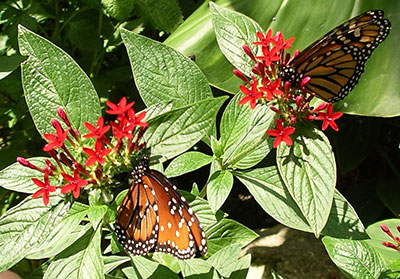
Swamp Milkweed is a vital host plant for Monarch, Queen, and Soldier butterflies. It blooms from late spring to early fall with bright clusters of pink flowers. This plant thrives in wet areas and attracts many pollinators. Its leaves provide food for caterpillars, making it essential for butterfly life cycles in Florida.
Passionflower
Passionflower is the main host for Gulf Fritillary and Zebra Longwing butterflies. It has unique, intricate flowers that attract adult butterflies. The vine grows well in sunny spots and spreads quickly. Caterpillars feed on its leaves, helping these butterfly populations grow in Florida gardens.
Pipevine
Pipevine serves as the host plant for the Pipevine Swallowtail butterfly. It prefers shaded or partially shaded areas. The plant has heart-shaped leaves and small purple flowers. Pipevine contains toxins that protect caterpillars from predators. This makes it a valuable plant for butterfly survival.
Other Native Hosts
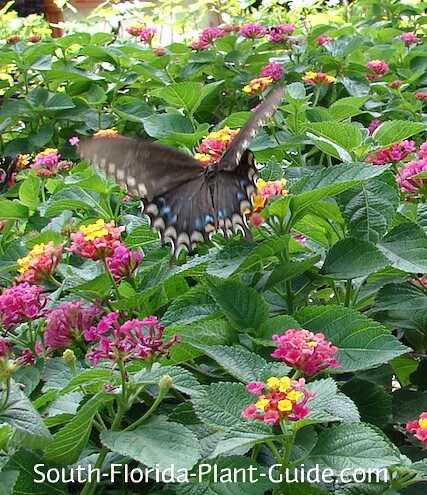
Other important native host plants include Passion Vine, False Indigo, and Wild Senna. These plants support various butterfly species like the Black Swallowtail and Cloudless Sulphur. Planting a mix of native hosts increases butterfly diversity and supports local ecosystems. Native plants are easier to maintain and attract more wildlife.
Credit: www.south-florida-plant-guide.com
Best Nectar Plants
Butterflies need nectar-rich plants for food and energy. Nectar plants attract many butterfly species in Florida. Choosing the right nectar plants helps keep butterflies healthy and visiting your garden. These plants also add color and life to outdoor spaces. Some Florida-friendly nectar plants bloom for long periods, ensuring butterflies have food all season.
Lantana And Pentas
Lantana is a favorite nectar plant for Florida butterflies. It blooms in clusters of bright flowers. Butterflies love its sweet nectar and vibrant colors. Pentas has star-shaped flowers that attract many butterfly species. It grows well in warm climates and blooms almost year-round. Both plants are easy to care for and add beauty to gardens.
Porterweed And Fire Bush
Porterweed produces small purple flowers that butterflies enjoy. It grows well in sunny spots and can tolerate dry conditions. Fire Bush has bright orange-red flowers that are rich in nectar. It attracts butterflies, hummingbirds, and bees. These plants thrive in Florida’s heat and provide food during hot months.
Continuous Bloom Options
Planting flowers that bloom at different times keeps nectar available. This practice supports butterflies throughout the year. Some continuous bloom options include lantana, pentas, porterweed, and fire bush. Mixing these plants creates a steady supply of nectar. It ensures butterflies always find food in your garden.
Choosing The Right Location
Choosing the right location is crucial for growing butterfly host plants in Florida. The site affects plant health and butterfly activity. A good spot supports caterpillars and attracts adult butterflies. Consider sunlight, soil, and chemical use to help plants thrive and butterflies visit often.
Sunlight Needs
Butterfly host plants need plenty of sunlight. Choose a place that gets at least four to six hours of sun daily. Most host plants, like milkweed and passionvine, grow best in full sun. Too much shade can slow plant growth and reduce butterfly visits.
Soil Preparation
Soil should be well-draining and rich in nutrients. Mix compost or garden soil into the area before planting. This helps plants develop strong roots and stay healthy. Avoid heavy clay or overly sandy soils that hold too much or too little water.
Avoiding Pesticides
Do not use pesticides near butterfly host plants. Chemicals harm caterpillars and adult butterflies. Choose natural ways to control pests instead. Keeping the garden chemical-free creates a safe space for butterflies to lay eggs and grow.
Credit: gardeningsolutions.ifas.ufl.edu
Garden Design Tips
Designing a butterfly garden in Florida needs careful planning. A thoughtful layout helps attract and support butterflies throughout their life stages. Use the right plant combinations and structures to create a welcoming space. Butterflies will visit often and stay longer in a well-designed garden.
Plant Grouping And Arrangement
Group the same host plants together to make them easy to find. Clusters of milkweed or passionflower catch the eye of adult butterflies. Arrange plants by bloom time for steady nectar supply. Mix bright flowers with host plants for visual appeal and function. Keep plant spacing comfortable for growth and butterfly movement.
Vertical Layers
Create layers with plants of different heights. Tall flowering plants like fire bush form the top layer. Medium plants such as lantana fill the middle. Low-growing plants and ground covers make the bottom. This layering mimics natural habitats and offers places to rest or hide. Vertical layers also use space efficiently in small gardens.
Shelter With Shrubs
Add shrubs around the garden edges for shelter. Shrubs protect butterflies from wind and predators. Choose native shrubs like coontie or beautyberry. They provide safe spots for butterflies to rest or hide. Shelter helps caterpillars survive by reducing harsh weather effects. Shrubs also add texture and depth to the garden design.
Water And Mineral Sources
Water and minerals are essential for butterflies to thrive in Florida gardens. These tiny creatures need more than just flowers. They require sources of moisture and minerals to stay healthy and active. Providing easy access to water and nutrients helps attract and support many butterfly species.
Butterflies often gather at damp spots to drink water and absorb minerals. This behavior is called puddling. Creating such environments in your garden boosts butterfly visits and encourages natural behaviors. Maintaining clean and safe water sources is also vital to protect them from harm.
Creating Puddling Areas
Make shallow puddling spots using sand or soil mixed with water. Keep the soil moist but not flooded. Adding a pinch of salt or crushed eggshells provides extra minerals butterflies need. Place these areas in sunny spots with some shade nearby for comfort.
Check puddling spots daily to keep them damp. Avoid standing water that attracts mosquitoes. Use flat stones around the edge for butterflies to land safely. This simple feature invites butterflies to your garden and supports their nutrition.
Maintaining Water Features
Small water features like birdbaths or shallow dishes work well for butterflies. Fill them with fresh water regularly to prevent algae growth. Use flat containers to ensure easy access. Avoid deep water where butterflies can drown.
Keep water features clean by scrubbing them weekly. Remove debris and refill with fresh water. Surround these areas with butterfly host plants to create a complete habitat. Clean water and minerals help butterflies live longer and reproduce successfully.
Plant Care And Maintenance
Proper care and maintenance help butterfly host plants thrive in Florida’s climate. Healthy plants attract more butterflies and support their life cycle. A few simple practices keep plants strong and vibrant throughout the seasons.
Consistent watering, mulching, and weed control create the best growing conditions. These steps improve soil health and protect plants from stress. They also make your butterfly garden a welcoming home for caterpillars and butterflies alike.
Watering Schedule
Water butterfly host plants early in the morning or late afternoon. This timing reduces water loss from evaporation. Most native plants prefer moist but well-drained soil. Water deeply once or twice a week during dry spells. Avoid overwatering, which can cause root rot and disease.
Mulching Benefits
Apply a 2 to 3-inch layer of mulch around plants. Mulch conserves moisture and keeps soil temperature stable. It also prevents soil erosion and reduces weed growth. Organic mulches like pine straw or bark break down, adding nutrients to the soil. Refresh mulch yearly for best results.
Weed Control
Remove weeds regularly to reduce competition for nutrients and water. Hand-pulling is effective and safe for young plants. Mulching helps suppress weed growth naturally. Avoid herbicides, as they can harm butterflies and caterpillars. Keep the garden clean to maintain a healthy environment.

Credit: www.watsonrealtycorp.com
Frequently Asked Questions
What Are The Host Plants For Butterflies In Florida?
Host plants for Florida butterflies include swamp milkweed, passion vine, pipevine, and native vines. These support caterpillars and attract species like Monarchs and Queens. Planting clusters of these native species ensures healthy butterfly populations and encourages breeding.
What Plant Hosts The Most Butterflies?
Passionflower hosts the most butterfly species, supporting many caterpillars. Milkweed also attracts numerous butterflies, especially Monarchs. Plant these for vibrant butterfly gardens.
How To Create A Butterfly Garden In Florida?
Choose a sunny, well-drained spot in Florida. Plant native nectar flowers like lantana and host plants such as milkweed. Add shrubs for shelter and a shallow water source. Avoid pesticides to protect butterflies and caterpillars. Cluster plants for visual impact and water regularly until established.
Can Butterfly Bushes Be Planted In Fl?
Butterfly bushes can grow in Florida but prefer well-drained soil and full sun. Choose hardy varieties for better heat tolerance.
Conclusion
Choosing the best butterfly host plants in Florida helps support local butterflies. Planting native species like milkweed and passion vine provides food for caterpillars. Including nectar-rich flowers feeds adult butterflies throughout the year. A garden with varied plants offers shelter and safety from weather.
Avoiding pesticides keeps butterflies and their habitats healthy. Small actions create a welcoming space for these beautiful insects. Start with simple steps and enjoy watching butterflies thrive. Your garden becomes a lively, colorful home for Florida’s butterflies.