Are you ready to transform your outdoor space into a thriving garden oasis right here in South Florida? Planting a garden in this unique climate can be both exciting and challenging, but with the right approach, you’ll enjoy lush greenery and fresh homegrown vegetables all year round.
Whether you’re a beginner or looking to improve your gardening skills, understanding the best way to plant in South Florida’s soil and weather is key to your garden’s success. Keep reading, and you’ll discover simple, effective tips that will make your garden flourish, no matter the season.
Your green thumb is just a few steps away!
Climate And Soil In South Florida
Gardening in South Florida requires understanding the unique climate and soil conditions. These factors shape what plants grow well and how to care for them. The tropical climate and sandy soil demand special preparation and plant choices. Success depends on adapting to these natural features.
Tropical Climate Effects
South Florida has a warm, humid tropical climate. Summers are hot with heavy rains. Winters are mild and dry. This climate allows year-round growing. Plants must tolerate heat and occasional storms. Many tropical and subtropical plants thrive here. The long growing season means more harvests for gardeners. But pests and diseases can be more common. Choose plants suited to heat and humidity for best results.
Soil Types And Preparation
Soil in South Florida is mostly sandy with low nutrients. It drains quickly but holds little water. This can cause plants to dry out fast. Improving soil is key for healthy gardens. Add organic matter like compost or peat moss to boost nutrients and water retention. Test soil pH to ensure it is slightly acidic to neutral. Avoid heavy clay soils that trap water. Raised beds or containers work well for better control. Proper soil prep gives plants a strong start.
Choosing The Right Plants
Choosing the right plants is essential for a successful garden in South Florida. The region’s warm climate and unique soil require plants that can thrive here. Selecting plants suited to these conditions helps your garden grow healthy and strong.
It is important to focus on plants that tolerate heat, humidity, and occasional dry spells. South Florida has a long growing season, so pick plants that make the most of this advantage. Native and tropical plants often perform well, as do certain vegetables that grow quickly and resist pests.
Best Vegetables For South Florida
Many vegetables grow well in South Florida’s warm climate. Leafy greens like kale and spinach do well in cooler months. Tomatoes and peppers thrive during the fall and winter seasons. Root vegetables such as radishes and sweet potatoes also grow fast and produce good yields.
Plant vegetables during the recommended seasons for best results. Fall is the preferred time for many crops, but some vegetables can be planted year-round. Use raised beds or containers to improve soil drainage and control pests easily.
Native And Tropical Plants
Native plants adapt to South Florida’s environment naturally. They need less water and fertilizer than other plants. Examples include coontie, firebush, and saw palmetto. These plants attract local wildlife and support the ecosystem.
Tropical plants add beauty and color to your garden. Hibiscus, bougainvillea, and bird of paradise grow well here. They prefer sunny spots and well-drained soil. Group these plants by water needs to make care easier.
Optimal Planting Times
Timing plays a key role in planting a garden in South Florida. Knowing the best times to plant helps your garden thrive. South Florida’s warm climate allows for year-round gardening. Still, certain seasons offer better conditions for specific plants.
Choosing the right planting time reduces plant stress and boosts growth. It also prevents damage from heat or cold. Understanding seasonal patterns guides you in selecting the best planting windows. This section shares practical tips on planting times for a healthy garden.
Seasonal Planting Guide
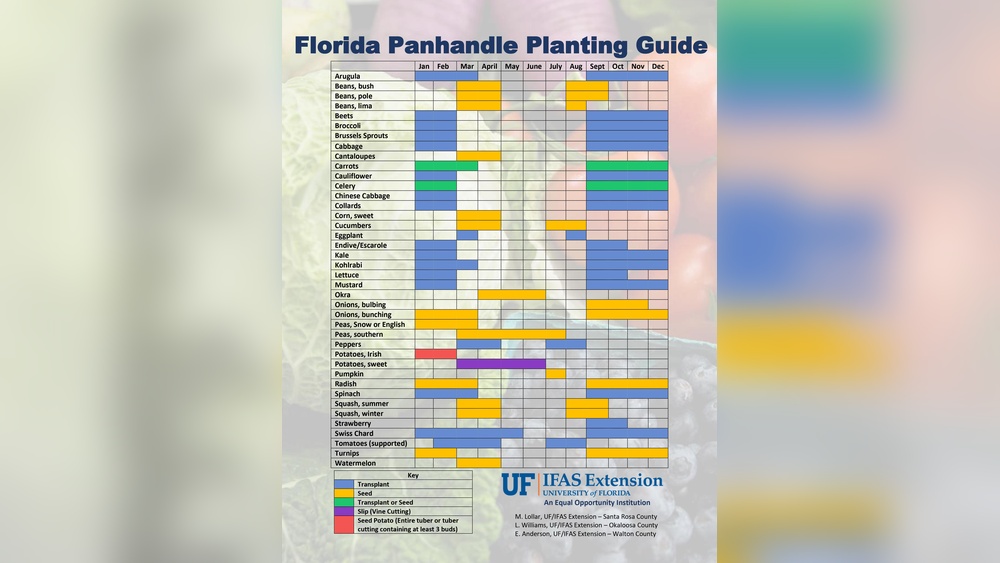
South Florida has two main seasons: wet and dry. The wet season runs from May to October. Heavy rains and high humidity occur during this time. The dry season lasts from November to April. It brings cooler, drier weather. Most vegetables grow best in the dry season.
Plant leafy greens like lettuce and spinach from October to March. Root vegetables such as carrots and radishes also do well then. Warm-season crops like tomatoes and peppers thrive when planted in early spring. Avoid planting during the hottest summer months. Excess heat can slow growth or damage plants.
Year-round Gardening Tips
South Florida allows gardening throughout the year. Use shade cloths during summer to protect plants from intense sun. Mulch helps retain soil moisture and reduce weeds. Regular watering is essential in dry months. Choose native or heat-tolerant plants for summer success.
Rotate crops to keep soil healthy. Add compost to improve soil nutrients. Monitor for pests and diseases often. Small adjustments in care help keep your garden productive all year. Plan planting around seasonal changes for the best results.
Credit: www.south-florida-plant-guide.com
Garden Design Tips
Designing a garden in South Florida requires special attention to climate and plant choices. Good garden design helps plants thrive and makes your space inviting. Focus on simple ideas that bring balance and function.
Using The Rule Of Threes
Planting in groups of three creates a natural and balanced look. This rule helps avoid a cluttered appearance and makes the garden feel organized. You can group three plants of the same type or mix different plants in threes for variety.
The rule of threes adds rhythm and flow to the garden. It guides your eye smoothly across the space. This method works well for flowers, shrubs, and even containers.
Space And Layout Planning
Plan your garden layout with enough space for plants to grow. Crowded plants compete for sunlight, water, and nutrients. Leave room for airflow to prevent diseases common in humid South Florida.
Arrange taller plants at the back or center and shorter ones in front. This layout ensures all plants get sunlight. Paths and walkways make your garden easy to maintain and enjoy.
Soil Improvement Techniques
Improving soil is key for a healthy garden in South Florida. The sandy soil here drains quickly but lacks nutrients. Good soil holds water and feeds plants well. Use simple techniques to boost soil quality. These methods support strong roots and better growth. Focus on adding organic matter and balancing nutrients.
Composting And Mulching
Composting turns kitchen scraps and yard waste into rich soil food. It adds nutrients and improves soil texture. Spread compost over the garden beds to feed plants naturally. Mulching covers soil with leaves, straw, or wood chips. Mulch keeps soil moist and cool under the hot sun. It also stops weeds from growing. Both compost and mulch protect soil and save water.
Fertilizer Recommendations
Choose fertilizers that match South Florida’s soil needs. Look for balanced formulas with nitrogen, phosphorus, and potassium. Use slow-release fertilizers to avoid burning plants. Organic fertilizers like fish emulsion or seaweed extract work well too. Apply fertilizer during planting and every few weeks after. Follow package instructions to avoid overfeeding. Proper fertilization helps plants grow strong and healthy.
Credit: www.south-florida-plant-guide.com
Watering And Irrigation
Watering and irrigation play a vital role in maintaining a healthy garden in South Florida. The region’s hot, humid climate and sandy soil demand smart watering habits. Proper watering helps plants grow strong and saves water, a precious resource.
Choosing the right irrigation method ensures plants get the right amount of water. Overwatering can harm roots, while underwatering stresses plants. Balancing these needs keeps your garden lush and thriving.
Efficient Watering Practices
Water early in the morning or late in the evening to reduce evaporation. Use a soaker hose or drip irrigation to deliver water directly to the roots. Avoid watering leaves to prevent fungal diseases. Check soil moisture before watering to avoid excess water. Mulch garden beds to retain moisture and keep soil cool.
Irrigation System Options
Drip irrigation systems offer precise watering and reduce waste. Sprinkler systems cover large areas but may lose water to wind. Manual watering with a hose or watering can allows control but takes more time. Smart irrigation controllers adjust watering based on weather and soil conditions. Choose a system that fits your garden size and budget.
Pest And Disease Management
Managing pests and diseases is vital for a thriving garden in South Florida. The warm climate encourages many pests and diseases to appear. Early detection and proper management protect your plants and improve growth. Healthy plants resist pests better and recover faster from damage. Use safe and effective methods to keep pests under control. This approach supports a sustainable and healthy garden environment.
Common Pests In South Florida
South Florida gardens face many pests. Aphids, whiteflies, and spider mites are common. These tiny insects suck plant juices and weaken growth. Snails and slugs also cause damage by eating leaves. Caterpillars and beetles chew on plants and fruits. Scale insects attach to stems and leaves, causing harm. Identifying these pests early helps reduce damage quickly.
Organic Control Methods
Use organic methods to manage pests safely. Introduce beneficial insects like ladybugs and lacewings that eat harmful pests. Spray plants with neem oil or insecticidal soap to control insects. Handpick larger pests like snails and caterpillars from plants. Keep your garden clean by removing dead leaves and debris. Rotate crops and plant pest-resistant varieties to reduce problems. These methods protect plants without harming the environment.
Maintenance And Harvesting
Maintaining a garden in South Florida requires regular care to keep plants healthy and productive. Proper maintenance helps prevent pests and diseases. Harvesting at the right time ensures fresh and tasty produce. These steps make gardening enjoyable and rewarding in a tropical climate.
Pruning And Weeding
Prune plants to remove dead or damaged branches. This encourages new growth and improves air circulation. Cut back overgrown plants to keep your garden neat. Remove weeds regularly to stop them from stealing nutrients. Use mulch to reduce weed growth and retain soil moisture. Stay consistent with pruning and weeding for a thriving garden.
Harvesting Tips For Best Yield
Pick vegetables and fruits early in the morning for best flavor. Check plants daily during peak harvest season. Harvest crops when they are fully ripe but still firm. Use clean, sharp tools to avoid damaging plants. Leave some fruits on the plant to allow seeds to develop. Regular harvesting encourages plants to produce more.
Credit: miamimomcollective.com
Frequently Asked Questions
When Should I Start A Vegetable Garden In South Florida?
Start a vegetable garden in South Florida during fall for best growth. You can plant year-round, but fall offers ideal temperatures and fewer pests. Plan and prepare soil in late summer to ensure healthy plants.
What Is The 70/30 Rule In Gardening?
The 70/30 rule in gardening means using 70% soil and 30% organic matter or compost for optimal plant growth.
What Is The Rule Of 3 In Gardening?
The rule of 3 in gardening means planting in groups of three for a balanced, natural, and visually appealing design. It enhances garden aesthetics and structure.
What Is The Easiest Vegetable To Grow In South Florida?
Kale, lettuce, green onions, peppers, radishes, spinach, sweet potatoes, and tomatoes grow easily in South Florida’s warm climate.
Conclusion
Planting a garden in South Florida brings many rewards. Choose the right season and soil for best results. Use local plants that thrive in heat and humidity. Water regularly but avoid overwatering to keep roots healthy. Watch for pests and treat them early to protect your plants.
With patience and care, your garden will grow strong and beautiful. Enjoy the process and learn as you go. Gardening here is simple and fun with the right approach. Your South Florida garden will soon flourish and bring joy.