Are you ready to grow your own marijuana in Florida but unsure when to start? Timing is everything when it comes to planting cannabis outdoors in the Sunshine State.
If you plant too early, your seedlings might suffer from heat stress or unexpected weather. Plant too late, and your harvest could be cut short by cooler temperatures. You’ll discover the best times to plant marijuana in Florida to maximize growth and yield.
Whether you’re a first-time grower or looking to improve your garden, understanding Florida’s unique climate will help you plan the perfect planting schedule. Keep reading to learn exactly when and how to get your marijuana plants off to the best start.
Credit: myfloridagreen.com
Florida Climate And Cannabis Growth
Florida’s climate plays a big role in growing cannabis successfully. The state’s warm temperatures and unique weather patterns affect the plant’s growth cycle. Understanding these factors helps choose the best time to start planting marijuana in Florida.
The climate offers plenty of sunshine, which cannabis needs to thrive. Yet, challenges like high humidity and sudden temperature changes require careful planning. Growers must know how the seasons impact cannabis to avoid problems and get a good harvest.
Seasonal Weather Patterns
Florida has a long growing season with mild winters. Spring brings warming temperatures and more daylight, ideal for starting plants outdoors. Summer is hot and wet, speeding up growth but increasing disease risks.
Fall cools down but stays warm enough for cannabis to mature. Winter is short and mild, but some areas may get brief cold snaps. Most growers plant in spring to avoid frost and heat stress.
Heat And Humidity Challenges
Florida’s heat can stress cannabis plants. Temperatures above 85°F may slow growth and reduce yields. High humidity encourages mold and mildew, which harm plants.
Proper air circulation and watering help manage humidity. Shade or partial cover can protect plants from intense afternoon sun. Timing planting to avoid the hottest months reduces heat stress.
Frost Risk And Temperature Thresholds
Frost is rare but possible in northern Florida during winter. Cannabis plants suffer damage below 32°F. Starting seeds indoors or waiting until after the last frost keeps plants safe.
Ideal growing temperatures range from 70°F to 85°F. Night temperatures below 60°F slow growth. Monitoring local weather forecasts helps growers protect plants from cold snaps.
Optimal Planting Windows
Choosing the right time to plant marijuana in Florida affects growth and yield. The state’s warm climate offers specific windows ideal for outdoor cultivation. Understanding these windows helps avoid problems like heat stress and pests. Two main seasons stand out for planting: spring and early fall. Each season has unique benefits for marijuana growers.
Planning your planting schedule around these optimal windows can improve plant health and boost harvest quality.
Spring Planting Benefits
Spring planting in Florida usually starts in March. The weather is warming but not too hot. Plants get plenty of sunlight and steady moisture. This helps young seedlings grow strong roots. Early planting avoids the intense summer heat. Plants have more time to mature before flowering. Spring planting often leads to larger yields and healthier plants.
Early Fall Planting Advantages
Early fall is another great time to plant marijuana outdoors. Temperatures start to cool down after the hot summer. This reduces stress on the plants. The shorter days trigger flowering naturally. Fall planting can extend the growing season. It allows growers to harvest later in the year. Fall crops often face fewer pests and diseases.
Avoiding Summer Heat Stress
Florida’s summer heat can damage marijuana plants. High temperatures cause stress and slow growth. Seedlings are especially vulnerable to heat damage. Avoid planting during peak summer months. If planting early is not possible, use shade cloths. Provide extra water to keep soil moist. Protecting plants from heat stress improves survival and yield.
Indoor Vs Outdoor Growing
Deciding between indoor and outdoor marijuana growing in Florida depends on many factors. Each method offers unique advantages and challenges. Understanding these will help you choose the best approach for your needs.
Indoor Grow Lights And Setup
Indoor growing allows total control over the environment. You can manage temperature, humidity, and light easily. Using LED or HID grow lights ensures plants get enough light year-round. Setting up proper ventilation helps prevent mold and pests. Indoor setups require electricity and space but provide privacy and security. Grow tents or dedicated rooms work well for indoor cultivation.
Outdoor Growing Conditions
Florida’s warm climate suits outdoor marijuana growth. Spring and early fall offer ideal planting times. Plants benefit from natural sunlight and fresh air. Watch for heat stress during hot summer months. Rain and humidity can increase mold risk. Choosing a sheltered, sunny spot boosts plant health. Outdoor growing saves on energy costs but depends on weather and security.
Greenhouse Benefits
Greenhouses combine indoor control with outdoor benefits. They protect plants from harsh weather and pests. Greenhouses extend the growing season in Florida’s variable climate. You can control light and humidity inside a greenhouse. They use natural sunlight, reducing electricity needs. This method balances cost, control, and natural conditions well.
Choosing The Right Cannabis Seeds
Choosing the right cannabis seeds is key to a successful marijuana grow in Florida. The seed type affects growth time, yield, and plant care. Understanding seed varieties helps match them to Florida’s climate. This choice impacts your harvest size and quality.
Regular Seeds
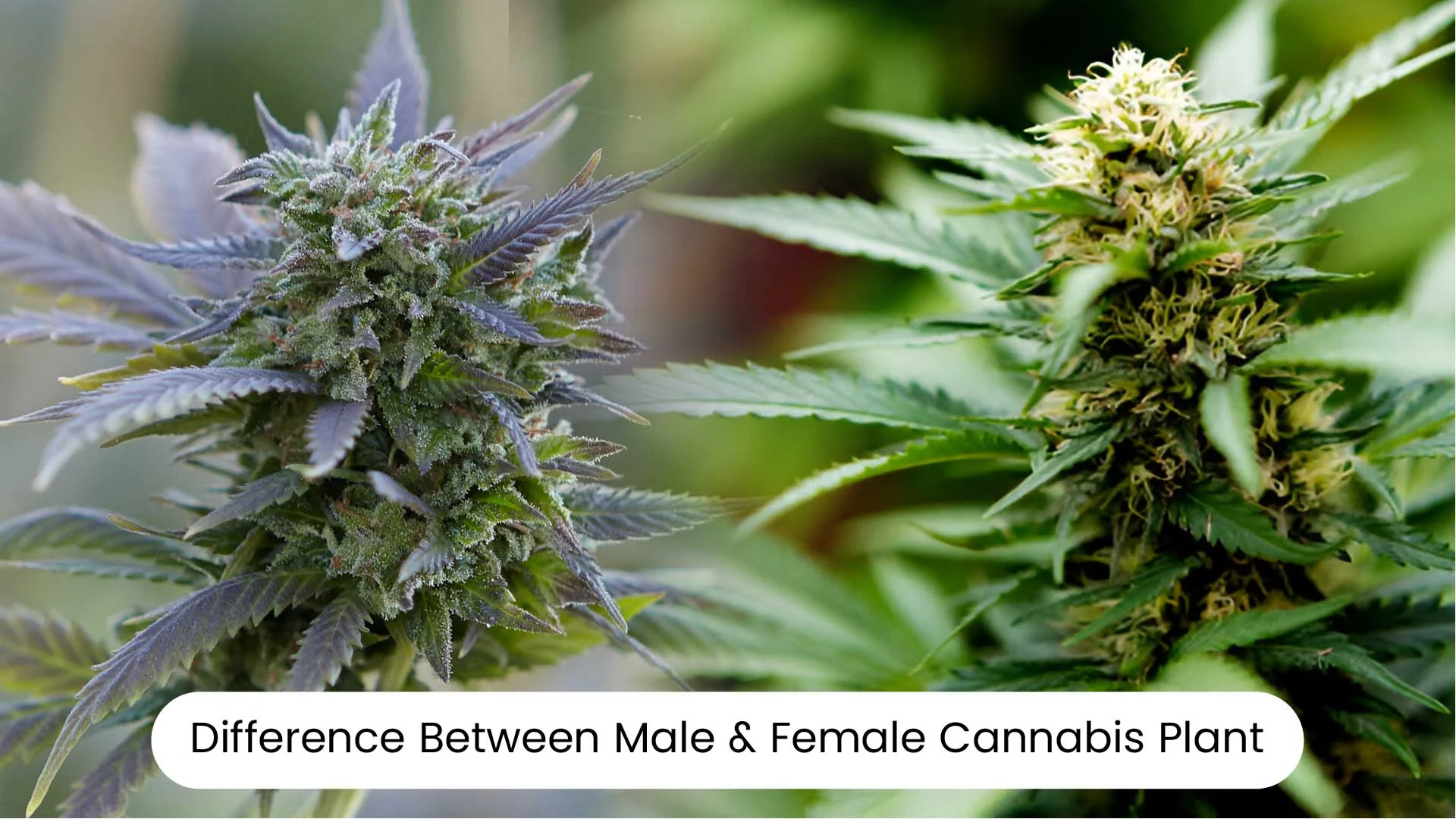
Regular seeds grow into male or female plants. Males pollinate females, producing seeds but less bud. Growers often remove males to focus on flowering females. These seeds are natural and cost less. Regular seeds suit growers who want to breed or experiment.
Feminized Seeds
Feminized seeds produce only female plants. Female plants create the valuable buds used for consumption. These seeds reduce the need to identify and remove males. They help save time and space. Feminized seeds are ideal for growers wanting more bud and less hassle.
Autoflower Seeds
Autoflower seeds grow and flower quickly. They switch from vegetative to flowering stage automatically. Autoflowers do well in Florida’s warm climate and changing light. These seeds are good for beginners or those with limited space. They allow multiple harvests in one year.
Planting Techniques For Florida
Florida’s warm climate offers unique chances for growing marijuana. Knowing the right planting techniques improves growth and yield. Careful planning protects plants from heat stress and pests. This section covers essential methods to grow marijuana successfully in Florida.
Starting Seeds Indoors
Begin seeds indoors to control temperature and light. Use seedling trays with moist soil or peat pellets. Keep the area warm, around 70-75°F, for best germination. Provide 18 hours of light daily using LED or fluorescent bulbs. Transplant seedlings outdoors when they reach 3-4 inches tall. Starting indoors helps young plants avoid Florida’s intense sun.
Transplanting Outdoors
Move seedlings outside after the last frost, usually in early March. Choose a location with at least 6 hours of direct sunlight. Space plants 3-5 feet apart to allow air circulation. Water plants deeply in the morning to reduce evaporation. Protect young plants from strong winds and pests. Transplanting carefully prevents shock and supports healthy growth.
Soil And Nutrient Considerations
Use well-draining soil with organic matter for best results. Sandy loam soil suits Florida’s climate. Test soil pH; ideal range is 6.0 to 7.0 for marijuana. Add compost or worm castings to boost nutrients naturally. Avoid heavy fertilizers that can burn roots in warm weather. Feed plants with balanced nutrients during vegetative and flowering stages.
Credit: www.flawildflowers.org
Legal Guidelines In Florida
Understanding the legal guidelines for planting marijuana in Florida is crucial for any grower. Florida has specific laws that regulate medical marijuana cultivation. These laws set clear limits and define penalties for illegal growing. Staying informed helps avoid legal trouble. It also ensures safe and responsible cultivation. Below, key legal points are explained in detail.
Medical Marijuana Plant Limits
Florida law allows medical marijuana patients to grow their own plants. The limit is up to six plants per patient. Plants must be mature and flowering. This rule is only for registered medical users. Recreational growing remains illegal in Florida. Exceeding the plant limit can lead to serious consequences.
Penalties For Illegal Cultivation
Growing marijuana without proper authorization is a criminal offense. Penalties vary based on the number of plants and intent. Small amounts may result in fines or misdemeanor charges. Larger grows can lead to felony charges. Felony convictions carry heavy fines and possible jail time. Law enforcement actively enforces these rules.
Compliance Tips
Register with Florida’s medical marijuana program before planting. Keep your plant count within legal limits at all times. Maintain clear records and identification for your plants. Avoid public visibility to reduce attention. Use secure locations to prevent theft or misuse. Stay updated on any changes in state laws. These steps help maintain legal compliance and peace of mind.
Managing Heat Stress
Managing heat stress is crucial when planting marijuana in Florida. The state’s warm climate can cause plants to suffer from excessive heat. This stress affects growth and yield. Recognizing and addressing heat stress early helps keep your plants healthy and productive.
Identifying Heat Stress Symptoms
Heat stress shows in several ways. Leaves may curl up or become dry and brittle. You might see yellow or brown spots on leaves. Plants can droop or wilt even after watering. Slow growth and weak stems also signal heat stress. Early detection prevents permanent damage.
Cooling Strategies
Shade cloths reduce direct sun exposure on plants. Placing plants in partial shade during the hottest hours helps. Using fans outdoors improves air circulation. Setting up a greenhouse with ventilation controls temperature well. Avoid planting in full sun during peak afternoon heat.
Watering And Humidity Control
Water plants deeply but avoid overwatering. Early morning watering cools roots and reduces evaporation. Maintain moderate humidity levels to help plants breathe. Use mulch to keep soil moist and cool. Monitor soil moisture daily during hot spells for best results.
Harvest Timing And Techniques
Knowing the right time to harvest marijuana in Florida improves both quality and yield. Harvest timing depends on plant maturity and local climate. Proper techniques protect the potency and flavor of your buds. Timing the harvest after fall growth allows you to take advantage of Florida’s seasonal changes. Careful observation and correct processing after harvest ensure the best final product.
Harvesting After Fall Growth
Florida’s warm climate lets plants grow well into fall. Harvesting after fall growth means waiting until plants reach full maturity. Cooler fall nights help develop stronger flavors and higher resin content. Monitor your plants closely as days get shorter. Harvest too early, and buds may be weak. Harvest too late, and potency can drop. Plan harvest dates around local frost risks and weather patterns.
Signs Of Plant Maturity
Look for clear signs before harvesting. Pistils change from white to orange or brown. Trichomes turn from clear to milky or amber under a magnifier. Milky trichomes mean peak THC levels. Amber trichomes show THC is breaking down into CBN, causing a more relaxed effect. Leaves may yellow as the plant finishes its cycle. Use these signs to pick the perfect harvest time.
Post-harvest Processing
Proper drying and curing improve taste and smoothness. Hang buds upside down in a dark, ventilated room. Keep temperature around 60-70°F and humidity near 50%. Drying usually takes 7-14 days. After drying, cure buds in airtight jars for several weeks. Open jars daily to release moisture and prevent mold. Well-cured marijuana stores longer and burns better.
Credit: americanaddictioncenters.org
Frequently Asked Questions
When To Plant Marijuana In Florida?
Plant marijuana in Florida after the last frost, typically late February to early March. Spring and early fall offer ideal growing conditions. Starting seeds indoors helps avoid heat stress before transplanting outdoors.
When Should I Start My Marijuana Plants?
Start marijuana plants outdoors in Florida after the last frost, typically late February to early March. Indoor growing allows year-round cultivation.
What Is The Penalty For Growing One Marijuana Plant In Florida?
Growing one marijuana plant in Florida without a medical card is a first-degree misdemeanor. Penalties include up to one year in jail and a $1,000 fine. Medical marijuana patients may legally grow up to nine plants under state law.
How Many Plants Can You Grow In Florida With A Marijuana Card?
Florida medical marijuana cardholders can legally grow up to nine mature flowering plants at home.
Conclusion
Spring and early fall offer the best planting windows in Florida. Starting seeds indoors protects them from heat and pests. Transplant seedlings once temperatures are stable and warm. Avoid planting during the hottest months to reduce stress on plants. Using a greenhouse can improve growth by controlling humidity and temperature.
Choose seed types that suit Florida’s climate for better results. Planning your planting time carefully helps ensure a healthy harvest. Growing marijuana in Florida takes patience and attention to local conditions. Follow these tips to enjoy a successful and rewarding cultivation experience.