Are you struggling to find the perfect plants that thrive in Florida’s shady spots? Whether you have a cozy patio, a dense garden corner, or just some areas under tall trees, choosing the right shade plants can transform those dark spaces into vibrant, lush retreats.
But with so many options, how do you know which plants will truly flourish in Florida’s unique climate? You’ll discover the best shade-loving plants that not only survive but shine in Florida’s heat and humidity. From colorful flowering shrubs to easy-care groundcovers and tropical palms, these picks will help you create a beautiful, refreshing green space that makes your yard the envy of the neighborhood.
Keep reading to find the perfect shade plants that suit your garden and lifestyle!
Credit: jmclandscapingfl.com
Flowering And Foliage Plants
Flowering and foliage plants bring vibrant color and texture to Florida’s shaded gardens. These plants thrive without direct sunlight, adding life to darker spaces. Their varied shapes and hues make shady areas visually appealing and lively.
Choosing the right plants enhances garden beauty and supports local climate needs. Many flowering and foliage plants suit Florida’s humidity and shade perfectly. They also attract pollinators and create a healthy garden environment.
Azaleas
Azaleas are a classic choice for shaded gardens in Florida. They bloom in spring with bright, colorful flowers. Their leaves stay green all year, adding interest even when not blooming. Azaleas prefer well-drained soil and some protection from wind.
Begonias
Begonias offer colorful flowers and striking leaves. They grow well in shade and tolerate Florida’s warm, humid climate. Begonias bloom in different colors like pink, red, and white. Their foliage ranges from green to deep red, making them eye-catching.
Caladiums
Caladiums thrive in shady spots with moist soil. Their leaves show bright colors like red, pink, white, and green. These plants add a tropical feel to shaded garden beds or containers. Caladiums grow well in Florida’s warm climate and need regular watering.
Bromeliads
Bromeliads are tropical plants with unique shapes and bright colors. They tolerate shade and dry spells well. These plants add texture and color to shady corners or hanging baskets. Bromeliads also attract butterflies and birds, enhancing garden life.
Coleus
Coleus is popular for its colorful and patterned leaves. It grows quickly in shade and tolerates Florida’s heat. Coleus plants come in many colors, from bright yellow to deep purple. They brighten shady spots and blend well with other plants.

Credit: ethoslandscapes.com
Palms And Tropical Plants
Palms and tropical plants bring a lush, green vibe to shady areas in Florida gardens. They thrive in warm, humid climates and offer unique textures and shapes. These plants not only add beauty but also create natural shade. Their ability to grow well in low light makes them ideal for Florida’s shaded spots.
Areca Palm
The Areca Palm grows quickly and adds a tropical feel. It has feathery, arching fronds that create a soft screen. This palm prefers partial shade and moist soil. It works well indoors or in shaded garden corners. Its bright green leaves brighten darker areas.
Florida Thatch Palm
The Florida Thatch Palm is smaller and perfect for patios. It tolerates shade and dry soil better than some palms. This palm has fan-shaped leaves that look elegant. It adds a classic Florida look without needing full sun. It fits well in shady garden beds.
Foxtail Fern
The Foxtail Fern is not a true fern but a palm relative. Its bushy, soft fronds resemble a fox’s tail. This plant grows well in sun or shade. It requires little care and adapts to many soils. The Foxtail Fern adds a tropical, soft texture to shade gardens.
Schefflera
Schefflera, also called the umbrella plant, brightens shady spots. It has shiny, green leaves arranged like umbrella spokes. This shrub grows fast and can be pruned to shape. It thrives in filtered light and moist soil. Schefflera’s bold leaves stand out in dim areas.
Groundcovers And Vines
Groundcovers and vines play a vital role in Florida’s shaded gardens. They cover bare soil, reduce weeds, and add texture and color. Many thrive in low light and bring life to shady spots. These plants also prevent erosion and keep the garden looking neat year-round.
Mondo Grass
Mondo grass is a popular groundcover in Florida shade gardens. It forms dense clumps of dark green, grass-like leaves. This plant stays low, usually under 12 inches tall. It spreads slowly, making it easy to control. Mondo grass grows well in moist, well-drained soil. It tolerates heat and humidity, perfect for Florida’s climate.
Asiatic Jasmine
Asiatic jasmine is a fast-growing vine that works well as groundcover. It creates a thick carpet of small, glossy leaves. This plant quickly covers large areas, making it ideal for shady spots. Asiatic jasmine is drought-tolerant and requires little care once established. It also helps prevent soil erosion on slopes or hills.
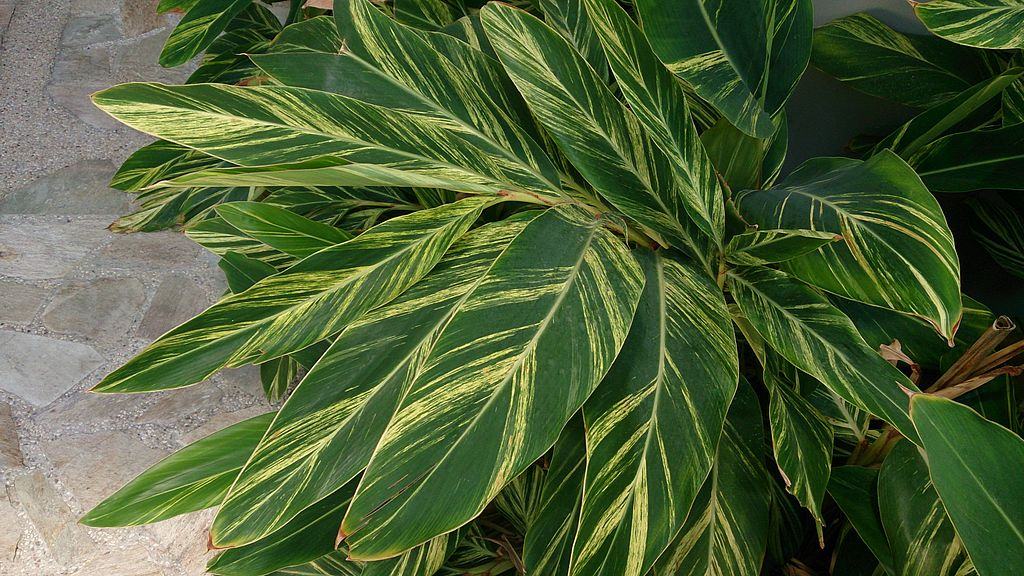
Variegated Shell Ginger
Variegated shell ginger adds bold color to shade gardens. Its large leaves have striking stripes of green, cream, and yellow. This plant can spread wide, creating a lush, tropical look. It prefers rich, moist soil and partial to full shade. Variegated shell ginger also produces fragrant flowers in warm months.
Native And Unique Choices
Native and unique shade plants add charm and resilience to Florida gardens. These plants thrive naturally in Florida’s climate. They bring color, texture, and life to shaded areas. Their natural adaptation means less care and better growth.
Choosing native plants supports local wildlife and preserves natural beauty. Each plant has its own special traits. They fit well in shady spots and make your garden stand out.
Firebush
Firebush is a vibrant native shrub with red-orange flowers. It attracts hummingbirds and butterflies. The plant tolerates partial shade well. Firebush adds bright color to darker garden corners. It grows quickly and needs little water once established.
Butterfly Iris
Butterfly Iris is a lovely perennial with delicate blooms. It thrives in shady or partially shaded spots. The flowers have soft pastel colors that brighten shady gardens. This plant is low-maintenance and deer-resistant. It fits perfectly into native plant gardens.
Cast Iron Plant
The Cast Iron Plant is famous for its toughness. It grows well in deep shade and poor soil. Dark green leaves add rich color and texture. This plant requires very little care. It is ideal for low-light spots in Florida gardens.
Swamp Lily
Swamp Lily, or Crinum americanum, is a native wetland plant. It loves moist, shady areas and can handle occasional flooding. The large white flowers have a sweet fragrance. Swamp Lily supports local pollinators. It is a unique choice for shady, wet spots in Florida.
Tips For Thriving Shade Gardens
Creating a thriving shade garden in Florida requires careful attention to key factors. Shade plants often need different care than those in full sun. Understanding soil, water, pests, and seasonal changes helps these plants grow strong and healthy. Follow these tips to maintain a lush and vibrant shade garden.
Soil Preparation
Start with well-draining soil rich in organic matter. Shade plants prefer soil that holds moisture but does not stay soggy. Mix compost or aged mulch into the soil before planting. This improves fertility and texture. Test soil pH to ensure it suits your chosen plants. Most shade plants thrive in slightly acidic to neutral soil.
Watering Needs
Shade gardens often need less water than sunny areas. Water deeply but less frequently to encourage strong roots. Check soil moisture regularly to avoid overwatering. Use mulch to retain soil moisture and reduce evaporation. Morning watering is best to prevent fungal diseases. Adjust watering based on rainfall and temperature changes.
Pest Management
Shade gardens can attract pests like slugs, snails, and aphids. Inspect plants regularly for signs of damage or insects. Remove pests by hand or use natural remedies such as neem oil or insecticidal soap. Encourage beneficial insects like ladybugs to control harmful pests. Keep the garden clean and remove dead leaves to reduce hiding spots for pests.
Seasonal Care
Shade plants in Florida benefit from seasonal attention. Prune dead or damaged branches to promote new growth. Fertilize lightly in spring and summer with a balanced, slow-release fertilizer. Protect plants from cold snaps by covering or moving container plants indoors. Monitor for disease signs more closely during wet seasons. Adjust care routines as plants enter dormancy in cooler months.
Credit: www.groundsource.pro
Design Ideas For Shady Spaces
Designing shady spaces in Florida offers a chance to create lush, cool, and inviting gardens. These areas can be challenging due to limited sunlight. Choosing the right plants and arranging them thoughtfully can transform shade into a beautiful feature. Below are some ideas to enhance your shady garden with the best shade plants.
Layering Plants
Layering plants adds depth and interest to shady areas. Start with taller palms or shrubs at the back. Place medium-height plants like caladiums or bromeliads in the middle. Use groundcovers such as Asiatic jasmine or mondo grass in front. This creates a natural flow and fills empty spaces. Layering also helps different plants get the right light levels.
Using Color And Texture
Color and texture bring life to shade gardens. Bright leaves of coleus and begonias stand out in low light. Variegated shell ginger adds bold stripes and patterns. Mixing soft, feathery leaves like foxtail fern with large, smooth leaves creates contrast. Play with greens, reds, and yellows for visual appeal. Colorful foliage often lasts longer than flowers in shade.
Creating Focal Points
Focal points give shady gardens a center of attention. Use a tall Areca palm or a blooming firebush as a highlight. A unique plant like the cast iron plant draws the eye. Place garden art or a small bench near these plants. This encourages guests to explore shady corners. Focal points make shady spaces feel special and inviting.
Frequently Asked Questions
What Plants Do Well In Shade In Florida?
Azaleas, begonias, caladiums, bromeliads, Areca and Florida Thatch palms thrive in Florida’s shade. Foxtail fern, Asiatic jasmine, and variegated shell ginger also perform well. Native options include firebush, butterfly iris, cast iron plant, and swamp lily for shaded, moist areas.
What Plants Do Well In Shade Only?
Azaleas, begonias, caladiums, bromeliads, coleus, Areca and Florida Thatch palms thrive in shade. Foxtail fern, Schefflera, mondo grass, Asiatic jasmine, and cast iron plant also do well. These plants add color and texture to shady Florida gardens.
What Is The Best Low Maintenance Landscape In Florida?
The best low maintenance landscape in Florida features native palms, firebush, Asiatic jasmine, caladiums, and cast iron plants. These plants thrive in heat, resist pests, and require minimal watering and care. They create a vibrant, drought-tolerant garden ideal for Florida’s climate.
What Is The Best Ground Cover For Shady Areas In Florida?
The best ground covers for shady Florida areas include Asiatic jasmine, Mondo grass, and variegated shell ginger. These plants thrive in low light and handle Florida’s climate well. They provide lush, green coverage while requiring minimal maintenance, making them ideal for shady garden spots.
Conclusion
Choosing the right shade plants makes your Florida garden lively and cool. Plants like azaleas, begonias, and caladiums bring color to shaded spots. Palms such as Areca and Florida Thatch add tropical charm. Groundcovers like Mondo grass and Asiatic jasmine fill empty spaces nicely.
Native plants like firebush and cast iron plant offer easy care and natural beauty. These options suit Florida’s climate and shady areas well. Enjoy creating a green, inviting garden with these best shade plants. Your shaded garden will thrive and brighten up any corner.