If you’re looking to add a tree to your Florida Panhandle yard, choosing the right one can make all the difference. The climate here is unique, and picking a tree that thrives in this environment will save you time, money, and frustration.
You want a tree that not only looks beautiful but also stands strong against wind, heat, and occasional storms. Whether you’re aiming for shade, privacy, or curb appeal, knowing which tree fits your needs and landscape is key. Keep reading, and you’ll discover the best trees to plant in the Florida Panhandle that will grow healthy and enhance your outdoor space for years to come.
Top Trees For Florida Panhandle
The Florida Panhandle offers a unique climate and soil type that supports a wide range of tree species. Choosing the right tree is essential for healthy growth and beauty. The best trees for this region balance durability, appearance, and environmental benefits.
Trees native to the Panhandle naturally adapt well to local conditions. Evergreen trees provide color throughout the year. Fast-growing shade trees offer quick relief from the sun. Understanding these categories helps select the ideal tree for your property.
Native Trees That Thrive
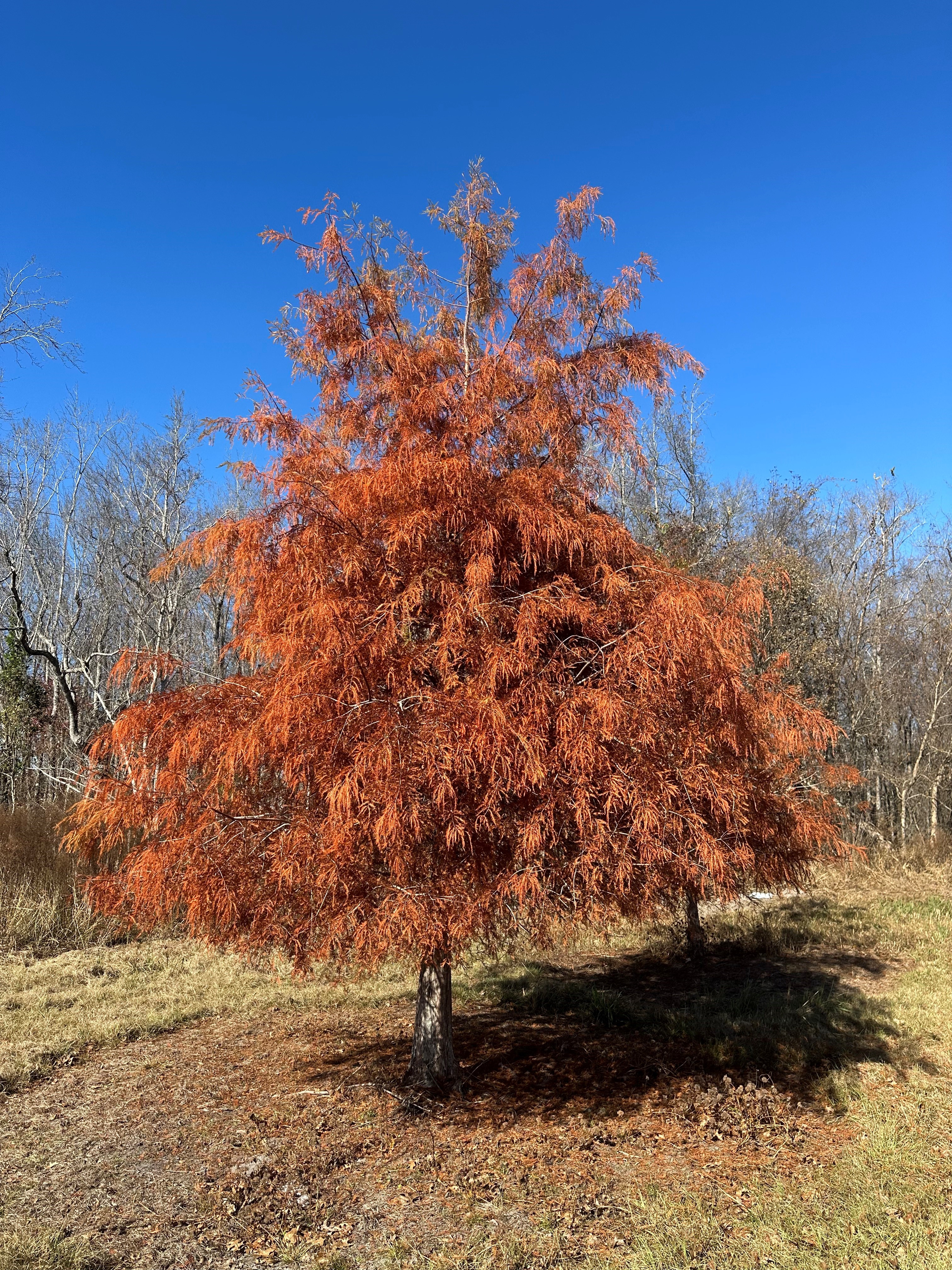
Native trees grow well without much extra care. Southern Magnolia is a classic choice with glossy leaves and large flowers. Live Oak is another favorite. It offers strong branches and wide shade. Bald Cypress adds unique beauty with its soft, feathery foliage. These trees support local wildlife and resist local pests.
Evergreens For Year-round Color
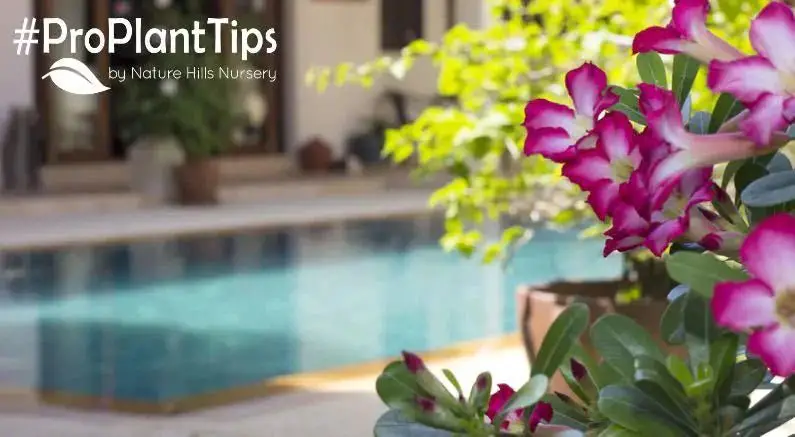
Evergreens keep your landscape lively all year. The Geiger Tree stands out with bright orange flowers and dense leaves. Pine trees such as Loblolly Pine maintain a fresh green look through all seasons. These trees add privacy and wind protection while brightening your yard.
Fast-growing Shade Trees
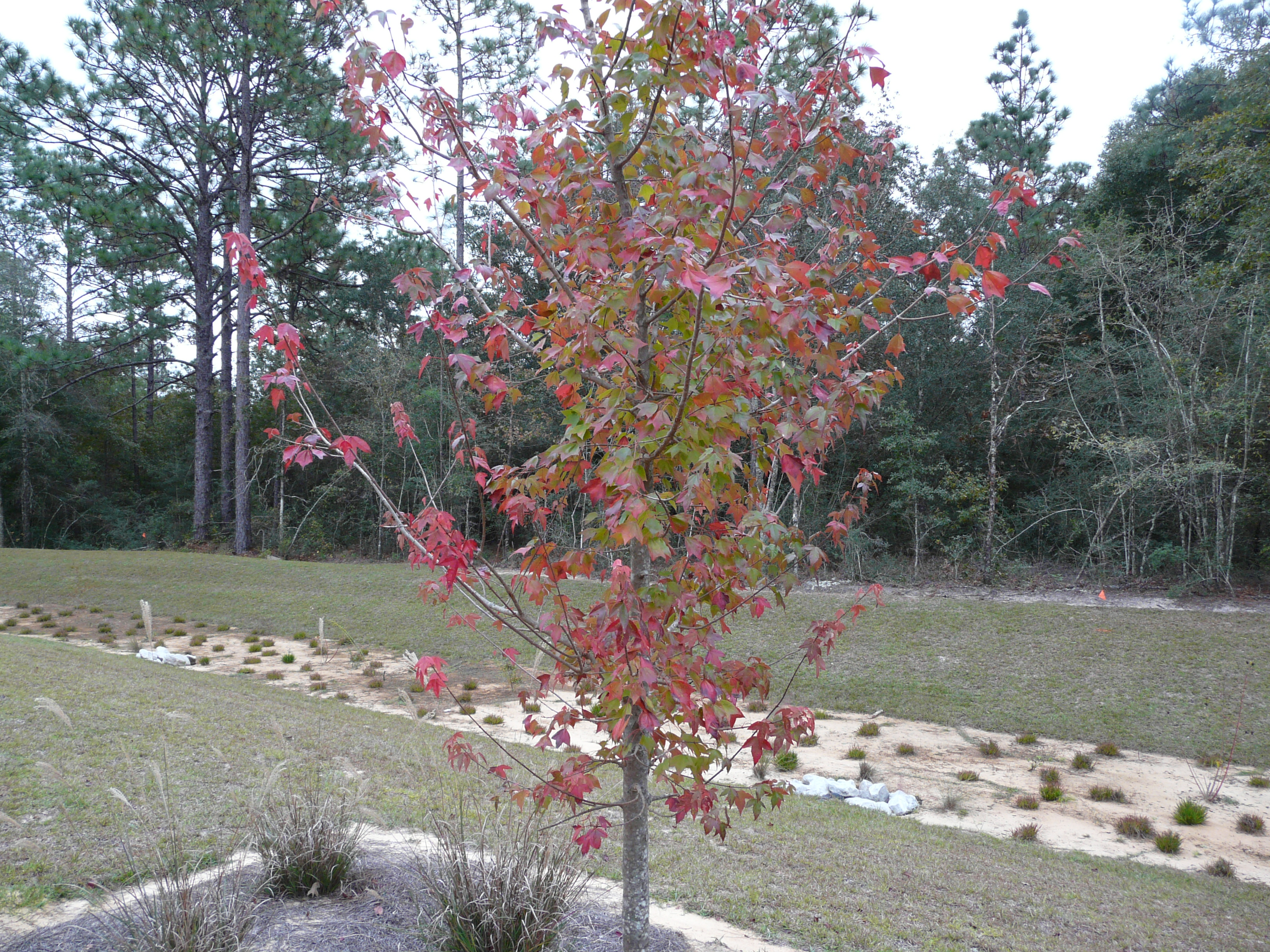
Quick shade is a top priority for many homeowners. The Red Maple grows rapidly and turns brilliant red in fall. Crape Myrtle offers colorful blooms and can shade large areas quickly. Tulip Poplar grows tall fast and produces lovely tulip-shaped flowers. These trees help cool your home and yard fast.
Trees For Privacy And Screening
Privacy and screening trees create natural shields around homes and yards. They block views and reduce noise. Choosing the right trees for the Florida Panhandle is key. The climate and soil affect which species thrive here. Native and adapted trees offer the best results. They grow well and need less care. These trees also support local wildlife and add beauty to your landscape.
Dense Foliage Options
Dense foliage trees provide thick, year-round cover. Southern magnolia is a top choice with large, glossy leaves. It stays green through winter and grows fast. Another option is the Geiger tree. This native tree has rounded, evergreen leaves that form a solid screen. Wax myrtle grows quickly and fills gaps well. It also tolerates salt spray and poor soil. These trees block views and create private spaces effectively.
Tall Trees For Natural Barriers
Tall trees make strong, natural barriers against wind and noise. Live oak grows tall and spreads wide, forming a grand shield. Slash pine is another tall tree that adapts well to sandy soils. It grows fast and holds needles year-round. Bald cypress thrives in wetter areas and can reach great heights. These tall trees protect your property and add shade. Their height deters noise and creates a peaceful zone.
Low-maintenance Privacy Trees
Low-maintenance trees save time and effort. Crape myrtle offers colorful blooms and requires little care. It handles heat and drought well. Red maple adds fall color and grows easily in many soils. River birch is hardy and resists pests and diseases. These trees grow steadily without much pruning or watering. They suit busy homeowners who want privacy without hassle.
Flowering And Ornamental Trees
Flowering and ornamental trees bring color and charm to Florida Panhandle landscapes. These trees not only beautify yards but also add texture and seasonal changes. Choosing the right tree enhances curb appeal and creates a welcoming atmosphere. Many of these trees thrive in the region’s warm climate and sandy soils. They provide year-round interest with their blooms, leaves, and shapes.
Showy Blossoms For Curb Appeal
Trees with vibrant flowers catch the eye and brighten any space. Crape myrtle is a popular choice with its long-lasting pink, red, or white blooms. Eastern redbud offers early spring color with heart-shaped leaves and rosy flowers. The southern magnolia produces large, fragrant white blossoms that attract attention. These trees create stunning focal points that improve your home’s exterior instantly.
Trees With Seasonal Interest
Some trees change color or bloom at different times, adding variety through the year. Dogwoods bloom in spring with delicate white or pink flowers. The goldenrain tree displays bright yellow flowers in summer. Sweetbay magnolia has creamy white blooms and glossy leaves that smell sweet. These trees keep your yard lively and beautiful in every season.
Attracting Wildlife With Flowers
Flowering trees also help local wildlife by providing food and shelter. The geiger tree attracts hummingbirds with its bright orange blossoms. The red buckeye’s flowers draw butterflies and bees. Tulip poplar flowers supply nectar for many pollinators. Planting these trees supports a healthy ecosystem and brings nature closer to home.
Fruit-bearing Trees
Fruit-bearing trees bring beauty and bounty to the Florida Panhandle. These trees not only enhance your landscape but also provide fresh, homegrown fruits. Planting the right fruit trees can offer delicious rewards and add value to your garden. Choose trees suited to the Panhandle’s climate for best results.
Citrus Trees Suitable For The Panhandle
Citrus trees thrive in the Florida Panhandle’s warm climate. Varieties like satsuma mandarins, kumquats, and certain types of oranges do well here. These trees resist cold better than other citrus types. They produce juicy, sweet fruits perfect for fresh eating or juicing. Plant them in well-drained soil with plenty of sunlight.
Other Edible Trees To Consider
Besides citrus, several other fruit trees grow well in this region. Fig trees are hardy and produce sweet fruits in summer. Pecan trees offer nuts that add flavor to many dishes. Persimmons grow well and yield bright orange fruits in fall. Pawpaw trees provide tropical-tasting fruits unique to the area. Choose trees that match your space and taste preferences.
Care Tips For Fruit Trees
Proper care ensures healthy fruit trees and bountiful harvests. Water young trees regularly, especially during dry spells. Mulch around the base to keep soil moist and cool. Prune trees each year to remove dead branches and improve air flow. Fertilize with balanced nutrients in early spring. Watch for pests and diseases to protect your crop early.
Planting Tips For Success
Planting trees in the Florida Panhandle requires care and planning. Success depends on the right timing, location, and soil conditions. Follow these tips to help your tree grow strong and healthy.
Proper preparation ensures your tree adapts well to the environment. Healthy roots and good soil lead to faster growth and better survival.
Best Planting Seasons
Winter and early spring are ideal for planting trees in the Panhandle. Cooler temperatures reduce stress on young trees. Avoid planting during the hot summer months. Fall planting also works well, giving roots time to settle before winter.
Choosing The Right Location
Select a spot with enough space for your tree to grow. Keep trees away from power lines and buildings. Check sunlight needs—some trees prefer full sun, others do better in partial shade. Good airflow prevents disease and pest problems.
Soil Preparation And Mulching
Test the soil to check for nutrients and pH levels. Amend soil with organic matter if needed. Dig a hole twice as wide as the root ball but only as deep. Apply a 2 to 3-inch layer of mulch around the base. Mulch keeps soil moist and cool, reducing weeds.

Credit: floridahikes.com
Maintenance And Care
Proper maintenance and care keep your tree healthy and beautiful. Trees in the Florida Panhandle face unique challenges like heat, humidity, and storms. Regular attention helps your tree grow strong and last longer. Follow these simple care tips to ensure your tree thrives in this region.
Watering Guidelines
Newly planted trees need frequent watering. Water deeply twice a week during the first three months. Mature trees require less water but benefit from deep watering every two weeks. Avoid shallow watering; it weakens roots and stresses the tree. Use mulch around the base to keep soil moist and cool.
Pruning For Health And Shape
Prune trees during late winter or early spring. Remove dead, damaged, or crossing branches to improve air flow. Shape the tree carefully to maintain its natural form. Avoid heavy pruning that can harm the tree. Use clean, sharp tools to make smooth cuts that heal faster.
Pest And Disease Management
Inspect your tree regularly for signs of pests or diseases. Look for discolored leaves, holes, or sticky residue. Treat minor infestations with insecticidal soap or neem oil. Remove infected leaves or branches promptly. Consult a local expert if problems persist or worsen.
Avoiding Common Planting Mistakes
Avoiding common planting mistakes helps your trees thrive in the Florida Panhandle. Many trees fail due to simple errors in placement and care. Knowing what to avoid can save time, money, and effort. This section covers key points to ensure healthy growth and long life for your trees.
Spacing And Growth Considerations
Plant trees with enough space to grow wide and tall. Crowded trees compete for sunlight and nutrients. Roots need room to spread without damaging sidewalks or foundations. Check the tree’s mature size before planting. Planting too close can stunt growth and cause future problems.
Avoiding Power Lines And Structures
Keep trees away from power lines and buildings. Branches near power lines risk outages and safety hazards. Trees too close to structures can damage roofs and walls. Choose planting spots where trees have room to grow safely. This reduces pruning needs and protects your property.
Selecting Trees With Wind Resistance
Choose trees that withstand strong winds common in the Panhandle. Trees with deep roots and flexible branches resist storm damage. Avoid shallow-rooted or brittle species. Wind-resistant trees reduce the chance of falling limbs and property damage. This choice keeps your landscape safe and stable.
Credit: nwdistrict.ifas.ufl.edu
Credit: nwdistrict.ifas.ufl.edu
Frequently Asked Questions
What Is The Easiest Tree To Grow In Florida?
The easiest tree to grow in Florida is the Southern Magnolia. It thrives in heat, humidity, and poor soil. It requires minimal care and offers year-round beauty.
What Is The Best Landscaping Tree From The Front Of A House?
The best landscaping tree for a house front is the Southern Magnolia. It offers year-round greenery and fragrant blooms. It thrives in various soils and provides shade without overpowering the space.
When’s The Best Time To Plant A Tree In Florida?
The best time to plant a tree in Florida is during the cooler winter months. This helps roots establish before summer heat. Choose tree species suited to your location for healthy growth year-round.
What Is The Most Low Maintenance Tree?
The most low maintenance tree is the Southern Magnolia. It thrives in warm climates, resists pests, and requires minimal watering.
Conclusion
Choosing the right tree helps your Florida Panhandle garden thrive. Trees like Southern Magnolia and Live Oak grow well here. They offer shade, beauty, and fit the climate perfectly. Plant trees away from buildings and power lines. This ensures healthy growth and safety.
Regular care keeps trees strong through storms and heat. A good tree adds value and comfort to your home. Start planting today for a greener, cooler yard tomorrow.