Choosing the best type of grass for your Florida lawn can feel overwhelming. You want a lush, green yard that stands up to the state’s intense heat, humidity, and occasional drought.
But not all grasses thrive in Florida’s unique climate, and picking the wrong one could mean extra work and expense for you. What if you could find a grass that not only looks great but also saves you time, water, and money?
You’ll discover the top grass varieties perfectly suited for Florida’s conditions. Keep reading to learn which grass will make your lawn the envy of the neighborhood and fit your lifestyle perfectly.
Credit: www.lawnstarter.com
Top Grass Types For Florida
Choosing the right grass type matters for a healthy lawn in Florida. The climate is warm and humid, with sandy soil and occasional droughts. Grass must handle heat, humidity, and pests well. Some types grow faster, while others need less water or mowing. Here are the top grass types that thrive in Florida’s conditions.
Bahia Grass
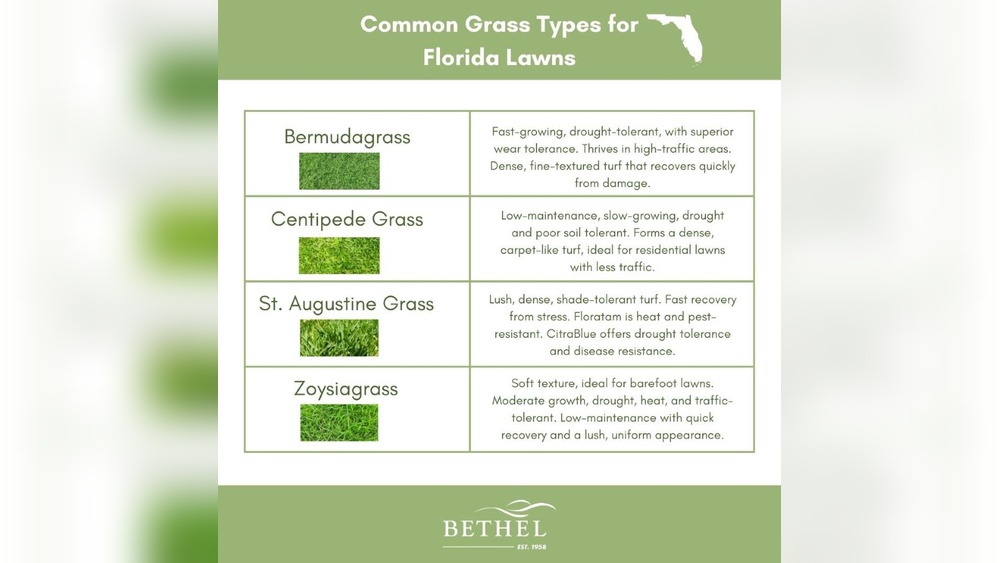
Bahia grass is tough and grows well in sandy soil. It handles heat and drought very well. This grass needs little care and resists pests. Its coarse texture suits large yards and natural areas.
St. Augustine Grass
St. Augustine grass is popular for Florida lawns. It grows thick and shades the soil, which keeps roots cool. This grass prefers moist soil and partial shade. It needs regular watering and mowing to stay healthy.
Bermuda Grass
Bermuda grass grows quickly and forms a dense lawn. It tolerates heat and recovers fast from damage. This grass needs full sun and moderate watering. It works well on sports fields and busy yards.
Zoysia Grass
Zoysia grass is slow-growing but very durable. It handles heat, drought, and foot traffic well. This grass forms a thick carpet that chokes out weeds. It needs less mowing and watering than some types.
Centipede Grass
Centipede grass is low maintenance and grows slowly. It prefers acidic, sandy soils common in Florida. This grass needs moderate watering and fertilizing. It creates a soft, light green lawn that looks great.
Perennial Ryegrass
Perennial ryegrass grows fast and stays green in cool weather. It is often used to overseed warm-season grasses in winter. This grass needs regular watering and sunlight. It adds color and texture during the cooler months.
Climate And Soil Factors
Choosing the best grass for Florida depends heavily on climate and soil conditions. Florida’s warm weather and diverse soils affect grass growth and health. Understanding these factors helps pick grass that thrives with less care.
Florida has hot summers with frequent droughts. The soil ranges from sandy to clay, affecting water retention and nutrients. Sunlight exposure varies across the state, influencing grass type suitability.
Heat And Drought Tolerance
Florida’s summer heat demands grass that resists high temperatures. Grass with strong heat tolerance stays green longer. Drought tolerance is vital because water can be scarce. Bermuda and St. Augustine grass handle heat and dry spells well. These types reduce watering needs and stay healthy.
Soil Compatibility
Florida soils differ greatly. Sandy soils drain quickly but lose nutrients fast. Clay soils hold water but can become compacted. Zoysia grass grows well in sandy and clay soils. Centipede grass prefers acidic, sandy soils common in Florida. Testing soil pH helps match grass type for best growth.
Shade And Sunlight Needs
Sunlight affects grass survival and color. Some grasses need full sun to grow thick. Others tolerate partial shade near trees or buildings. St. Augustine grass thrives in shaded areas. Bermuda grass requires full sun for best results. Choose grass based on how much sunlight your lawn receives daily.
Maintenance And Care
Maintaining grass in Florida requires attention to water, nutrients, and protection. Proper care helps your lawn stay green and healthy despite the hot climate. Regular upkeep prevents common problems like weeds and pests. Here are key points for easy lawn care in Florida.
Watering Requirements
Florida grass needs consistent watering to stay lush. Water early in the morning to reduce evaporation. Lawns usually require about one inch of water per week. Avoid overwatering; it can cause root rot and disease. During dry spells, increase watering frequency but keep it moderate. Use a sprinkler system for even coverage.
Fertilizing Tips
Fertilize your grass every 6 to 8 weeks during the growing season. Use a fertilizer with nitrogen, phosphorus, and potassium. Choose slow-release formulas for steady nutrient supply. Avoid over-fertilizing; it can burn your grass. Always follow the product instructions carefully. Applying fertilizer after watering helps nutrients soak into the soil.
Weed And Pest Control
Weeds compete with your grass for nutrients and water. Remove weeds by hand or use a selective herbicide. Apply weed control products in early spring or fall for best results. Check your lawn regularly for pests like grubs and chinch bugs. Use natural predators or insecticides to control pest populations. Healthy grass resists weeds and pests better.
Credit: www.lawnstarter.com
Choosing Grass For Different Uses
Choosing the right grass depends on how you will use the space. Different areas need different types of grass. This choice affects durability, appearance, and maintenance.
Consider the foot traffic, climate, and purpose of the area. The right grass makes the lawn look good and last longer.
Residential Lawns
For home lawns, pick grass that is soft and green. Bahia and St. Augustine grass work well in Florida homes. They handle heat and humidity. These grasses need moderate care and provide a lush look. They also resist pests and diseases common in Florida.
Commercial Spaces
Commercial areas need tough grass that can handle heavy use. Bermuda grass is perfect for such spaces. It grows quickly and recovers fast from damage. Zoysia grass is another good choice. It stays dense and tolerates heat and drought. Both types keep commercial areas neat and professional.
Sports And Play Areas
Sports fields need grass that withstands heavy traffic and rough use. Bermuda grass is ideal for sports because it is tough and recovers quickly. It offers a smooth surface for play. For shaded play areas, consider Zoysia grass. It grows well in less sunlight and holds up under pressure.
Cost And Availability
Choosing the right grass for your Florida lawn depends heavily on cost and availability. These factors affect your budget and the ease of maintaining a healthy yard. Understanding the price differences and local options helps make smart decisions. Also, consider the long-term value of your investment in grass.
Seed Vs Sod Prices
Grass seed usually costs less than sod upfront. Seeds range from $10 to $80 per bag, depending on grass type. Sod costs more, often $0.30 to $0.80 per square foot. Sod offers instant green lawns but requires more initial spending. Seeds take time to grow but are budget-friendly. Choosing depends on your timeline and budget.
Local Suppliers
Florida has many local suppliers for grass seed and sod. Home improvement stores like Home Depot and Lowe’s stock popular grass types. Local nurseries often provide expert advice and quality products. Buying nearby reduces delivery costs and helps get fresh supplies. Check stock availability before planning your purchase.
Long-term Investment
Investing in the right grass affects lawn health and maintenance costs. Some grasses need more water and fertilizer, raising expenses. Others are drought-tolerant and save money over time. Durable grass types resist pests and reduce repair costs. Consider grass longevity to avoid frequent replacements and extra spending.
Common Challenges
Growing grass in Florida offers many rewards, but it also brings some common challenges. The state’s climate and soil conditions require special care and attention. Understanding these challenges helps you maintain a healthy, green lawn all year round.
Dealing With Seed Heads
Seed heads can appear quickly on many grass types. They make the lawn look messy and can reduce the grass’s health. Regular mowing is essential to control seed heads. Cutting the grass before seeds form keeps the lawn neat. Some grass types produce more seed heads than others. Choose varieties that suit your maintenance routine for easier care.
Managing Soil Drainage
Florida soil often has drainage issues. Poor drainage causes water to pool, damaging grass roots. Sandy soils drain too fast, leading to dry patches. Clay soils hold water, causing soggy spots. Improving soil with organic matter helps balance drainage. Installing proper irrigation and drainage systems supports grass health. Selecting grass that tolerates wet or dry conditions reduces problems.
Handling Seasonal Changes
Florida’s seasons affect grass growth differently. Hot summers stress many grass types. Some grasses go dormant in cooler months, turning brown. Preparing your lawn for seasonal shifts keeps it healthy. Use fertilizers at the right time to support growth. Water consistently, adjusting for rain and heat. Choose grass varieties adapted to Florida’s climate for better year-round color.
Tips For A Lush Lawn
A healthy, green lawn needs more than good grass seed. It requires care and smart habits. Follow these tips to keep your Florida lawn lush and strong. Proper mowing, soil care, and water use can make a big difference.
These simple steps help your grass grow deep roots and resist heat and pests. Your lawn will stay green and beautiful all year.
Proper Mowing Techniques
Cut your grass at the right height. Most Florida grasses do well at 2 to 3 inches tall. Avoid cutting more than one-third of the blade at once. Use a sharp mower blade for clean cuts. Mowing too short or too often stresses the grass. Let clippings stay on the lawn to add nutrients back to the soil.
Aeration And Soil Health
Florida soils can become compacted and hard. Aerate your lawn once or twice a year. This allows air, water, and nutrients to reach the roots. Use a core aerator for best results. Add organic matter like compost to improve soil health. Healthy soil supports strong grass growth and helps fight drought.
Water Conservation Strategies
Water your lawn early in the morning to reduce evaporation. Deep, infrequent watering encourages deep roots. Avoid watering every day. Use a rain sensor or timer to control watering. Collect rainwater for irrigation if possible. Healthy grass uses less water and stays green longer during dry spells.

Credit: www.bestpickreports.com
Frequently Asked Questions
What Is The Easiest Grass To Grow In Florida?
Bahia grass is the easiest to grow in Florida due to its drought and heat tolerance. St. Augustine grass also grows well with low maintenance. Both adapt to various soils and need minimal watering.
What Is The Best Month To Plant Grass In Florida?
The best month to plant grass in Florida is March through May. Warm soil and mild temperatures boost seed germination and growth.
Can You Just Throw Grass Seed On The Ground And It Will Grow?
Simply throwing grass seed on the ground rarely works well. Proper soil preparation, watering, and seeding depth ensure better growth.
What Is The Downside Of St. Augustine Grass?
St. Augustine grass requires high water and fertilizer, is prone to pests, and struggles in cold or shaded areas.
Conclusion
Choosing the right grass helps your Florida lawn stay green and healthy. Bahia grass suits hot, dry areas well with little care. St. Augustine grass works great in shady spots and handles humidity. Bermudagrass grows fast and resists heavy foot traffic.
Consider your yard’s sun, soil, and water needs before planting. This makes maintaining your lawn easier and saves time. A good grass type keeps your outdoor space beautiful year-round. Start with the best grass to enjoy a lush Florida lawn.