Looking to transform your outdoor space into a vibrant, inviting haven? Choosing the right plants is the first step to creating a stunning Florida landscape that thrives year-round.
Whether you want lush greenery, colorful blooms, or low-maintenance options, knowing which plants suit Florida’s unique climate can save you time, effort, and money. In this guide, you’ll discover the best Florida plants for landscaping that not only look beautiful but also stand strong against heat, humidity, and occasional drought.
Ready to make your garden the envy of the neighborhood? Keep reading to find the perfect plants that will bring your outdoor vision to life.
Florida-friendly Plant Choices
Choosing Florida-friendly plants is key to a vibrant and sustainable garden. These plants thrive in Florida’s unique climate and soil, requiring less water and care. They support local wildlife and reduce the need for chemicals. Selecting the right plants helps save time, money, and resources while creating a beautiful landscape.
Native Plants For Florida Gardens
Native plants grow naturally in Florida and adapt well to local conditions. They attract bees, butterflies, and birds, boosting biodiversity. Examples include coontie, beautyberry, and firebush. These plants need little extra water once established. They resist pests and diseases better than non-natives. Planting natives helps preserve Florida’s natural beauty.
Drought-tolerant Species
Drought-tolerant plants survive with minimal water, perfect for dry spells. They reduce irrigation needs and save water. Some popular types are muhly grass, black-eyed Susan, and rosemary. These plants have deep roots to reach underground moisture. They keep landscapes green and healthy during droughts. Using drought-resistant species supports eco-friendly gardening.
Salt-tolerant Options For Coastal Areas
Coastal gardens face salty air and soil, which can harm many plants. Salt-tolerant species withstand these harsh conditions. Examples include sea oats, yaupon holly, and wax myrtle. These plants prevent erosion and protect shorelines. They add texture and color to beachside landscapes. Choosing salt-tolerant plants ensures a strong, beautiful coastal garden.
Credit: www.finegardening.com
Low-maintenance Flowering Plants
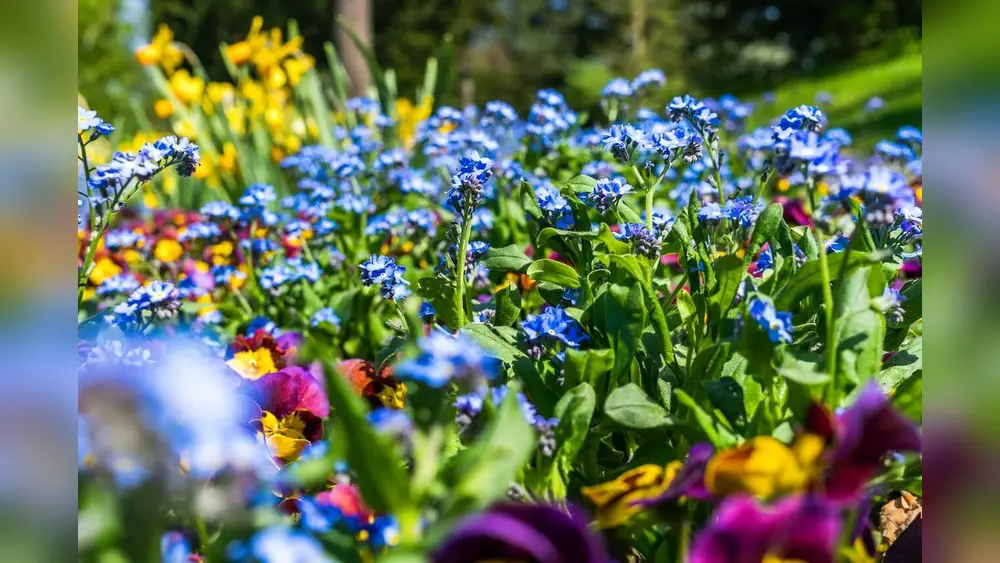
Low-maintenance flowering plants make Florida landscaping simple and beautiful. These plants need less water, fertilizer, and care. They survive Florida’s heat and humidity well. Choosing the right flowers saves time and effort. Plus, they keep your garden colorful through many seasons.
Perennials That Thrive In Florida
Perennials return every year without replanting. They handle Florida’s sun and rain easily. Some popular choices include Blanket Flower, Firebush, and Society Garlic. These plants bloom for months and need little care. Their roots grow deep, helping them stay strong during dry spells.
Colorful Annuals For Year-round Blooms
Annuals bloom all season but last one year. They add bright colors and fill empty spaces fast. Marigolds, Zinnias, and Pentas work great in Florida gardens. These plants enjoy full sun and regular watering. They help keep your landscape lively and fresh.
Attracting Pollinators With Florida Flowers
Flowers that attract bees, butterflies, and hummingbirds support nature. Plants like Lantana, Milkweed, and Salvias bring pollinators to your yard. Pollinators help flowers grow and fruit to develop. Choosing these plants creates a healthy and lively garden environment.
Trees And Shrubs For Florida Landscapes
Florida’s climate supports a wide variety of trees and shrubs that thrive with minimal effort. Choosing the right trees and shrubs enhances your landscape’s beauty and functionality. These plants suit Florida’s heat, humidity, and occasional droughts.
Trees provide shade and structure, while shrubs add texture and color year-round. Selecting low-maintenance options saves time and keeps your garden healthy. Native and adapted species perform best in Florida’s unique environment.
Shade Trees With Minimal Care
Live Oak is a popular shade tree with broad, spreading branches. It grows well in sandy or clay soils and resists drought. Southern Magnolia offers glossy leaves and fragrant white flowers. It stays green most of the year and needs little pruning. Bald Cypress thrives in wet or dry areas. It adds a unique look with feathery foliage that turns rust in fall.
Ornamental Shrubs For Structure
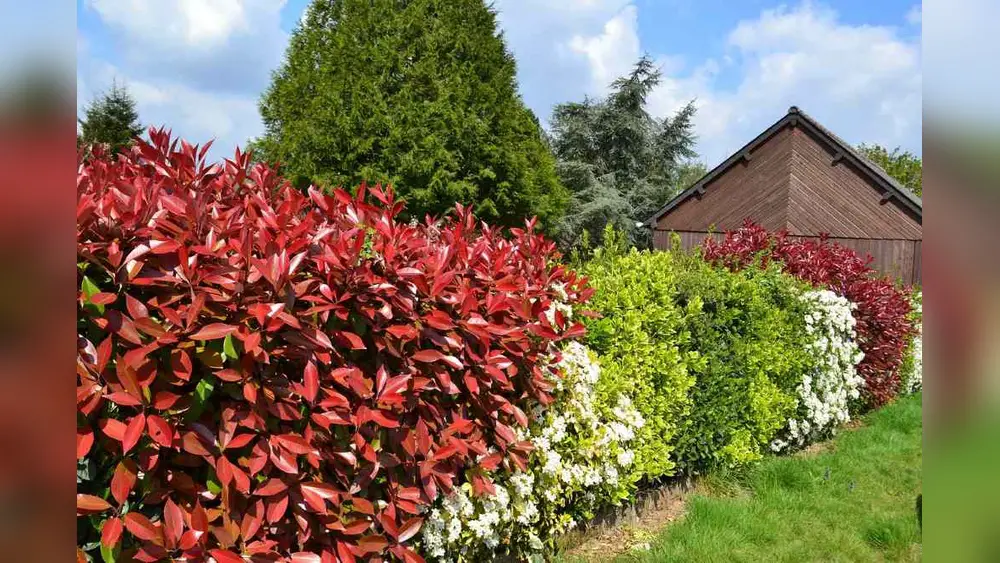
Oleander is a sturdy shrub with colorful blooms in pink, white, or red. It tolerates heat and salt spray, perfect for coastal areas. Hibiscus shows large, bright flowers that attract pollinators. It adds a tropical feel with moderate care. Viburnum is versatile with dense foliage and clusters of white flowers. It creates natural privacy screens and withstands Florida’s weather well.
Evergreens That Stay Vibrant
Podocarpus is a tall evergreen with dark green leaves that form dense hedges. It adapts well to pruning and shapes easily. Juniper is another evergreen that handles dry conditions and poor soil. It stays green all year and adds texture with needle-like leaves. Holly offers glossy leaves and bright red berries, adding color in winter. It suits both sun and shade areas.

Credit: millerstreecare.com
Grasses And Groundcovers
Grasses and groundcovers play a vital role in Florida landscaping. They provide texture, fill empty spaces, and help with soil health. Choosing the right types can save water and reduce maintenance. These plants thrive in Florida’s climate and support local ecosystems.
Low-water Grasses
Low-water grasses suit Florida’s dry spells well. They need less irrigation than traditional lawns. Examples include Bermuda grass and Zoysia grass. These grasses stay green with minimal watering. They also handle heat and foot traffic. Using low-water grasses cuts water bills and keeps yards healthy.
Erosion-control Groundcovers
Erosion-control groundcovers protect soil on slopes and hills. They hold soil in place during rainstorms. Plants like Asiatic jasmine and creeping rosemary work well. These groundcovers spread quickly and form dense mats. This helps prevent soil loss and keeps landscapes stable. They also add green color and reduce weeds.
Combining Texture And Color
Mixing grasses and groundcovers creates visual interest. Use different leaf shapes and colors together. Muhly grass adds soft pink plumes in fall. Blue fescue offers cool blue tones. Adding flowering groundcovers like lantana adds bursts of color. This mix brings life and depth to Florida gardens.
Design Tips Using The Rule Of Three
The rule of three is a simple design trick that makes landscaping look natural and balanced. It means using groups of three in plants, colors, and hardscape elements. Odd numbers, like three, create more interest than even numbers. This rule helps guide the eye smoothly through the garden. It gives your Florida landscape a fresh and inviting feel.
Plant Groupings For Visual Appeal
Group Florida plants in threes for a natural look. Use three of the same plant or three different plants with similar heights. This creates a fuller, more textured area. Avoid planting in straight lines. Instead, cluster plants in groups of three to add depth and movement. This technique works well with palms, ferns, and flowering shrubs.
Hardscape Elements In Threes
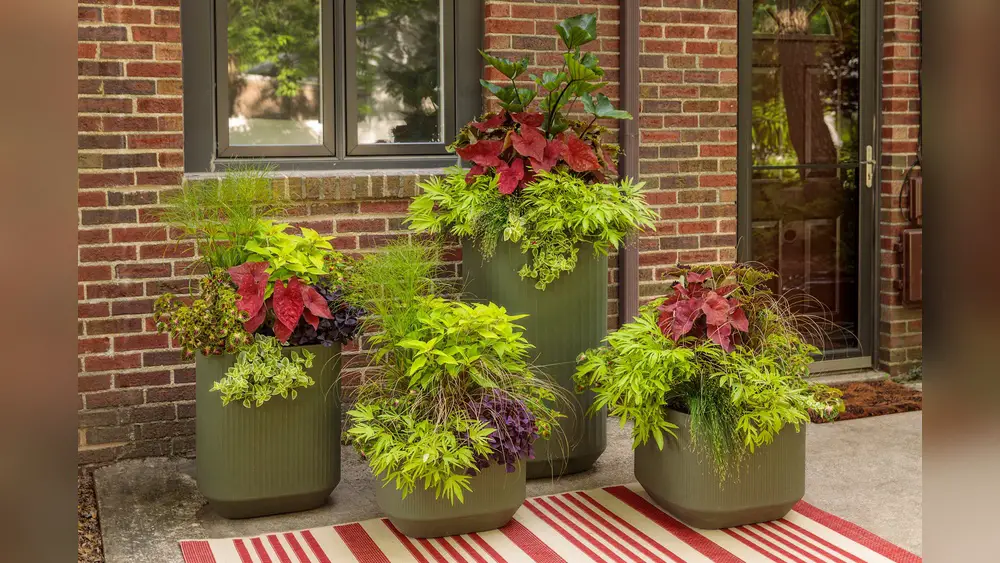
Place hardscape features like rocks, pots, or garden statues in sets of three. This creates balance and prevents clutter. Three stepping stones or three small boulders can draw attention without overwhelming the space. Using three elements also helps connect different parts of the landscape, making it feel more cohesive and inviting.
Color Schemes With Three Tones
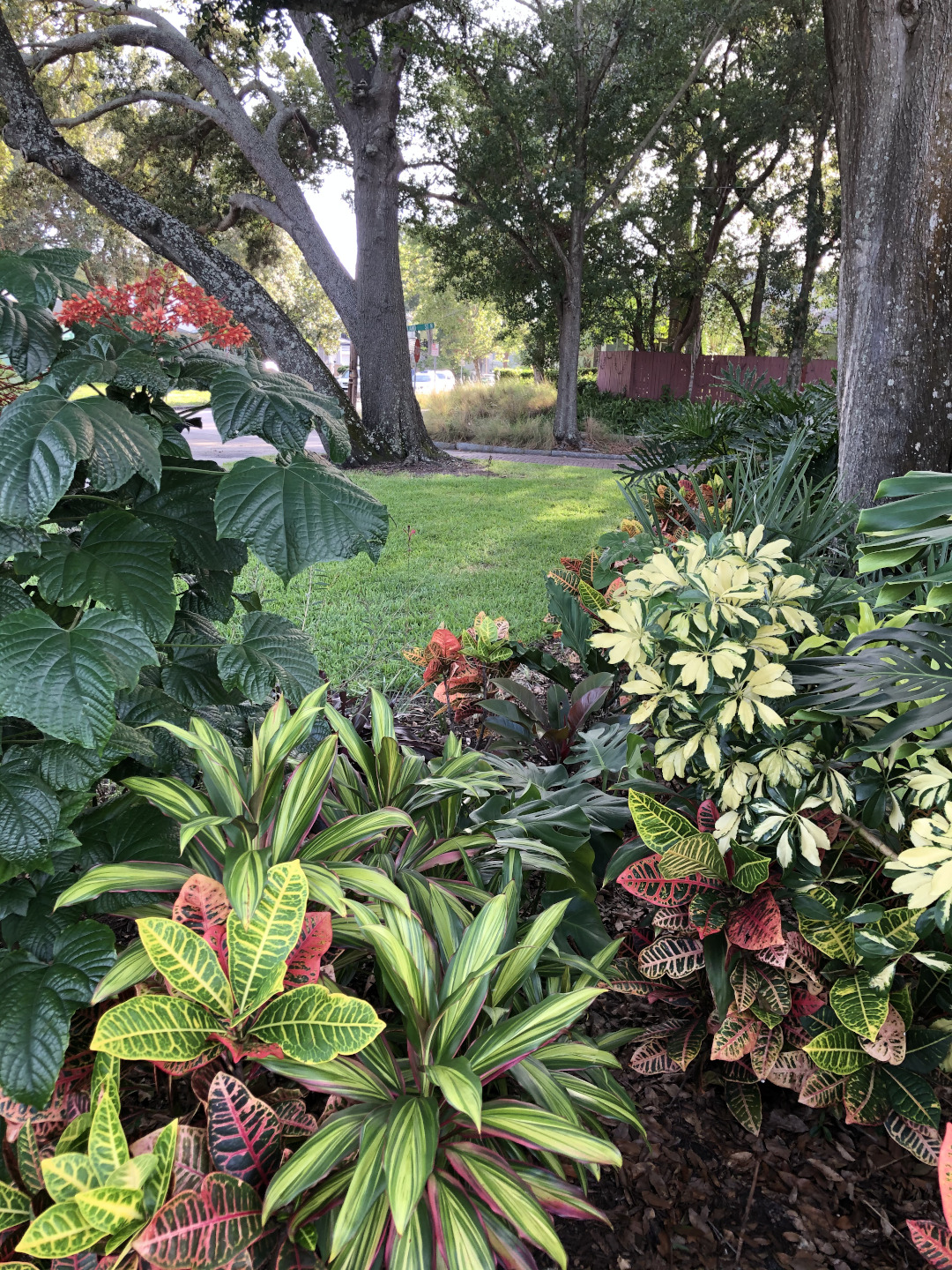
Choose three main colors for your landscape palette. Use one dominant color and two accent colors. This keeps the garden vibrant without being too busy. For Florida gardens, combine green foliage with bright blooms in yellows, oranges, or reds. Three colors create harmony and make your plants stand out beautifully.
Creating Dynamic Focal Points
Design focal points using three key plants or features together. A trio of tall palms, a bench flanked by two flowering shrubs, or three pots with colorful plants grab attention. This draws the eye naturally and adds interest. Grouping focal points in threes also balances the space, making your Florida landscape feel lively and well planned.
Rain Gardens And Water-wise Landscaping
Rain gardens and water-wise landscaping offer smart solutions for Florida’s unique climate. They help manage water naturally, reduce runoff, and support local ecosystems. These gardens use plants suited for moist areas that thrive with less water.
Designing a rain garden improves your landscape’s beauty and function. It controls excess rainwater, preventing erosion and pollution. Choosing the right plants is key to success in these wet environments.
Selecting Plants For Moist Areas
Plants in rain gardens must tolerate wet soil for short periods. Look for species that handle both wet and dry conditions. Native plants are ideal because they adapt well to Florida’s weather and soil.
Choose plants with deep roots to help absorb water. They improve soil structure and reduce standing water. Avoid plants that need constant dryness or flood protection.
Controlling Water Naturally
Rain gardens catch rainwater from roofs and driveways. This water slowly filters into the ground, recharging groundwater supplies. Plants use this water, reducing the need for extra irrigation.
This method lowers water waste and prevents stormwater from flooding streets or pools. It creates a balanced, natural flow of water in your yard. The garden becomes a mini wetland supporting wildlife.
Examples Of Rain Garden Plants
Florida has many native plants perfect for rain gardens. Swamp sunflower adds bright color and attracts butterflies. Goldenrod is hardy and blooms in late summer.
Muhly grass creates soft texture with pinkish clouds of flowers. Milkweed supports pollinators like monarch butterflies and grows well in moist areas.
Other good choices include pickerelweed, blue flag iris, and cardinal flower. These plants thrive in wet conditions and need little care.
Seasonal Care For Florida Plants
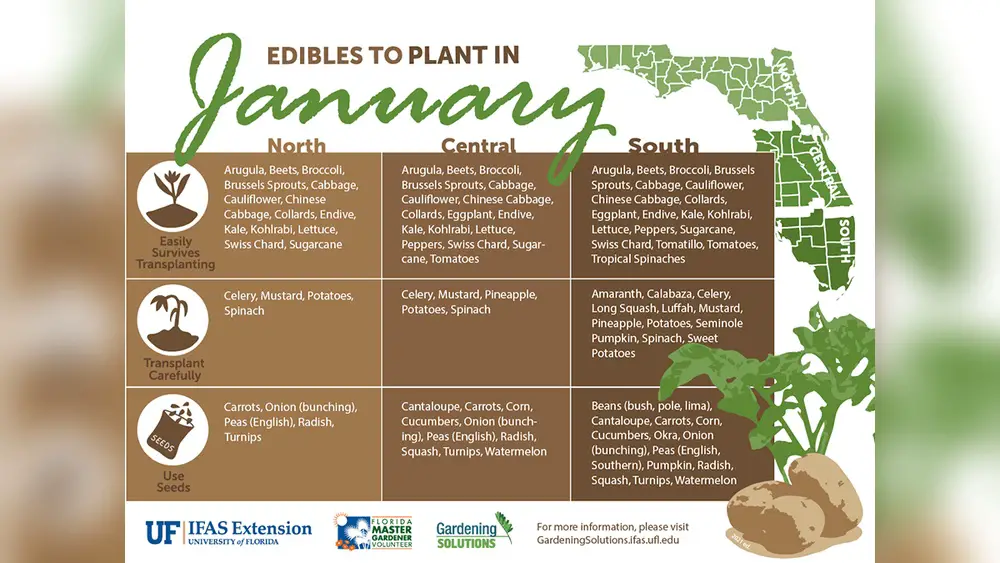
Seasonal care is essential for healthy Florida plants. Each season brings unique challenges. Proper attention helps plants thrive year-round. Adjust care routines for summer heat and winter coolness. Watch plants closely for signs of stress or pests. This guide covers key tasks to keep your Florida landscape vibrant.
Summer Maintenance Tips
Summer in Florida means high heat and humidity. Water plants deeply early in the morning. Mulch around plants to keep soil moist and cool. Prune dead or damaged branches to improve airflow. Avoid fertilizing in the heat; wait until fall. Check plants daily for signs of wilting or sunburn. Use shade cloth for sensitive plants during extreme heat.
Preparing Plants For Winter
Winter in Florida can bring cooler temperatures and occasional frost. Move potted plants indoors or to sheltered spots. Cover tender plants with frost cloth on cold nights. Reduce watering as plants enter dormancy. Remove fallen leaves and debris to prevent disease. Apply a slow-release fertilizer in late fall. Prune lightly to shape plants before dormancy.
Managing Pests And Diseases
Pests and diseases can damage Florida plants any time. Inspect plants regularly for insects and spots. Use insecticidal soap or natural predators to control bugs. Remove infected leaves and dispose of them properly. Avoid overwatering, which can cause root rot. Keep garden clean to reduce pests’ hiding spots. Rotate plants yearly to prevent disease buildup.

Credit: plantologyusa.com
Frequently Asked Questions
What Is The Best Low-maintenance Landscape In Florida?
The best low-maintenance landscape in Florida uses native plants like goldenrod, swamp sunflower, muhly grass, and milkweed. Rain gardens control water naturally and reduce upkeep. Grouping plants in odd numbers, such as threes, enhances balance and visual appeal while requiring minimal care.
What Is The Rule Of 3 In Landscaping?
The rule of 3 in landscaping groups elements in threes to create balance and natural flow. It enhances visual appeal and cohesion.
What Is Considered Florida Friendly Landscaping?
Florida friendly landscaping uses native, drought-tolerant plants and efficient irrigation to conserve water and support local ecosystems. It reduces maintenance and protects the environment.
What Outdoor Plants Are Good For Florida?
Florida outdoor plants thrive with natives like saw palmetto, coontie, firebush, and muhly grass. Tropical favorites include hibiscus, bougainvillea, and croton. These plants handle heat, humidity, and occasional drought well, making them ideal for Florida gardens and landscapes.
Conclusion
Choosing the best Florida plants enhances your garden’s beauty and health. Native plants thrive in Florida’s climate with less water and care. Group plants in odd numbers for natural balance and visual appeal. Select low-maintenance species to save time and effort in upkeep.
With the right plants, your landscape stays vibrant year-round. Enjoy a colorful, sustainable, and inviting outdoor space easily.