Choosing the right grass for your lawn in Central Florida can feel overwhelming. You want a lawn that looks great, stays green, and handles the heat and humidity without constant upkeep.
But with so many grass types available, how do you know which one suits your yard best? You’ll discover the top grasses that thrive in Central Florida’s unique climate. By the end, you’ll be ready to pick the perfect grass that keeps your lawn healthy, lush, and beautiful year-round.
Keep reading to find out which grass will work best for your home and lifestyle.
Central Florida Climate
Central Florida has a unique climate that shapes the best grass choices. The weather is warm most of the year with distinct wet and dry seasons. Understanding the climate helps in picking grass that thrives well in this region.
Knowing the temperature trends, rainfall, soil types, and common lawn issues gives a clear picture. This knowledge guides homeowners to maintain healthy and green lawns year-round.
Temperature And Rainfall Patterns
Central Florida experiences hot summers and mild winters. Daytime temperatures often reach above 90°F in summer. Winters are cooler but rarely drop below 40°F. Rainfall is heavy during the summer months, especially from June to September. The wet season provides plenty of moisture, while winters tend to be dry. This pattern influences grass growth and water needs.
Soil Types And Conditions
The soil in Central Florida is mostly sandy with low organic matter. It drains water quickly, which can be good for some grasses but tough for others. The soil tends to be acidic, requiring occasional amendments for optimal grass health. Knowing soil conditions helps select grasses that adapt well to these factors and survive droughts.
Common Lawn Challenges
Central Florida lawns face challenges like heat stress and insect pests. The hot summers can cause grass to wilt without enough water. Insects such as chinch bugs and grubs often damage lawns. Weeds also grow fast during the rainy season, competing with grass for nutrients. Choosing the right grass can reduce these problems and keep lawns strong.
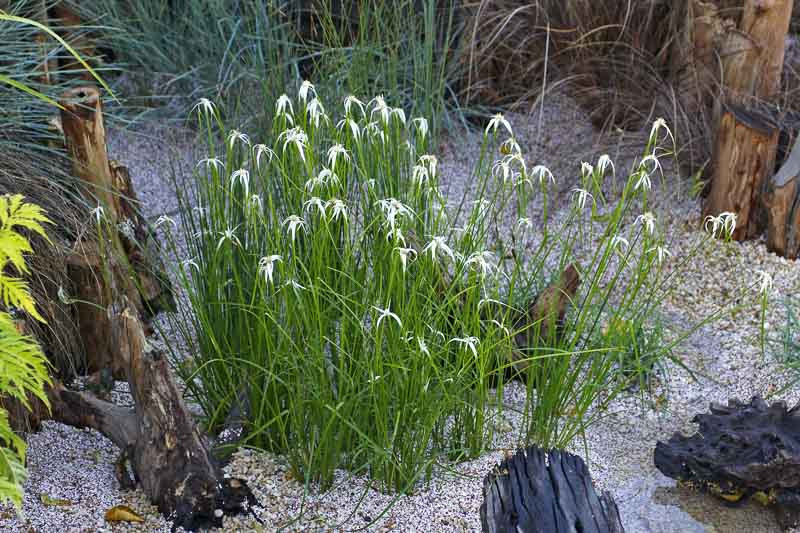
Credit: www.gardenia.net
Top Grass Varieties
Choosing the right grass type is key for a healthy lawn in Central Florida. The climate here is warm, humid, and often wet. Some grasses handle heat and drought better than others. The soil type and sun exposure also matter. Below are the top grass varieties that thrive in Central Florida.
These grasses offer different textures, colors, and care needs. Some grow fast and tolerate heavy use. Others resist pests and diseases better. Understanding each type helps you pick the best fit for your yard.
Bermuda Grass
Bermuda grass is very popular in Central Florida. It grows quickly and recovers well from damage. This grass prefers full sun and well-drained soil. It handles heat and drought better than many other types. Bermuda grass needs regular mowing to stay neat. It is ideal for lawns that get a lot of foot traffic.
Zoysia Grass
Zoysia grass has a dense, carpet-like appearance. It grows slower than Bermuda but needs less mowing. This grass tolerates heat and moderate shade well. Zoysia handles drought but prefers moist soil. It forms a thick lawn that resists weeds. This variety is great for homeowners wanting a lush, low-maintenance yard.
St. Augustine Grass
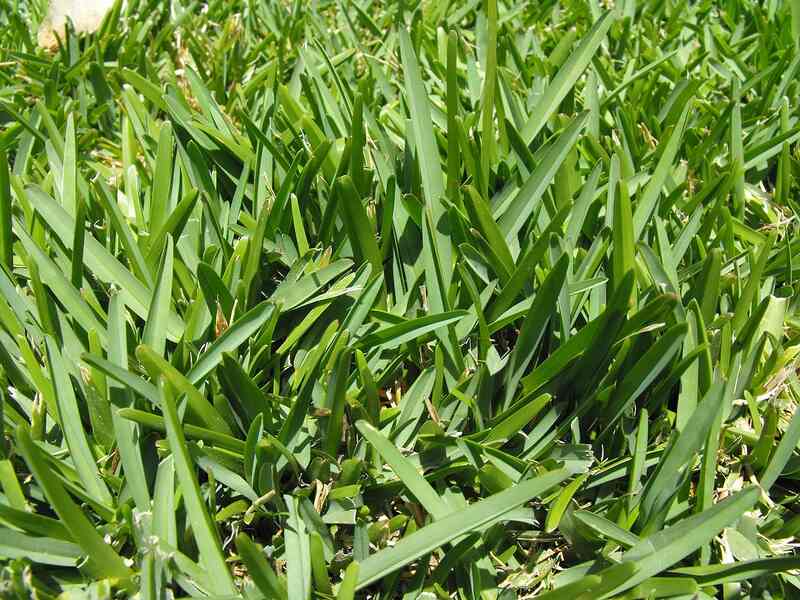
St. Augustine grass is common in Florida lawns. It thrives in warm, humid climates and tolerates shade. This grass has broad, flat blades and a rich green color. It grows best in well-watered, fertile soil. St. Augustine can handle salt spray near coastal areas. It needs regular watering and fertilizing for best results.
Centipede Grass
Centipede grass is a low-maintenance option for Central Florida. It grows slowly and requires less fertilizer. This grass prefers acidic, sandy soils and partial sun. Centipede grass is heat-tolerant but less drought-resistant. It has a coarse texture and light green color. This grass suits homeowners wanting easy care lawns.
Bahia Grass
Bahia grass is tough and drought-resistant. It grows well in sandy, poor soils. This grass has wide blades and a coarse texture. Bahia requires less water and fertilizer than most grasses. It tolerates heat and heavy foot traffic. Bahia grass is a good choice for large yards and pastures.
Bermuda Grass Features
Bermuda grass is a popular choice for Central Florida lawns. It thrives in warm climates and offers many benefits. This grass type is known for its resilience and fast growth. It creates a dense, green carpet that many homeowners prefer. Understanding its features helps decide if it suits your lawn needs.
The following sections explain Bermuda grass’s key traits. These include how it handles heat and drought, its growth habits, and best lawn uses.
Heat And Drought Tolerance
Bermuda grass handles heat very well. It stays green and healthy under strong sunlight. This grass also tolerates dry conditions better than many others. It can survive short droughts without damage. Its deep root system helps absorb water efficiently. This makes Bermuda grass ideal for Central Florida’s hot summers.
Growth And Maintenance
Bermuda grass grows quickly and spreads easily. It fills bare spots fast, creating a lush lawn. Regular mowing keeps its height in check. It needs about one to two inches of water weekly. Fertilizing during the growing season improves its color and strength. This grass requires moderate care but rewards with a thick, green lawn.
Best Uses In Lawns
Bermuda grass suits many lawn types. It works well in yards with lots of sun. Sports fields and golf courses often use it for durability. It handles heavy foot traffic without damage. This grass also fits well in residential areas needing a strong, attractive lawn. Its ability to recover quickly from wear is a major benefit.
Zoysia Grass Benefits
Zoysia grass is a popular choice for Central Florida lawns. It offers many benefits that suit the region’s climate. This grass is durable, attractive, and adapts well to different conditions. Homeowners appreciate its ability to stay green and healthy with less effort. Understanding its key advantages helps you decide if Zoysia is right for your yard.
Shade Tolerance
Zoysia grass grows well in partial shade. It handles sun and shade better than many other grasses. This makes it ideal for yards with trees or buildings that block sunlight. It stays green and thick in shaded areas. This quality helps maintain a beautiful lawn even with uneven light.
Texture And Appearance
Zoysia grass has a fine to medium texture. Its blades are soft and dense. This creates a lush and carpet-like lawn. The color is a rich green that looks healthy year-round. It also forms a smooth surface, perfect for walking or playing. Many homeowners enjoy its neat and tidy look.
Water Requirements
Zoysia grass needs less water than other warm-season grasses. It can survive dry spells better. This helps save water and reduce your utility bills. It also means less lawn care during hot summers. Regular watering keeps it green, but it tolerates drought well.
St. Augustine Grass Traits
St. Augustine grass is a popular choice for Central Florida lawns. It thrives in warm climates and offers a lush, green appearance. This grass type has unique traits that make it ideal for the region’s conditions.
Understanding these traits helps homeowners maintain a healthy and attractive lawn year-round.
Shade Adaptability
St. Augustine grass grows well in shaded areas. It tolerates partial shade better than many other grass types. This makes it perfect for lawns with trees or buildings nearby. It needs some sunlight but can survive under moderate shade.
Pest Resistance
This grass is fairly resistant to pests common in Central Florida. It can handle attacks from chinch bugs and sod webworms better than other grasses. Still, occasional pest control may be necessary to keep it healthy.
Maintenance Needs
St. Augustine grass requires moderate maintenance. It grows quickly and needs regular mowing. Watering is important, especially in dry periods. Fertilizing a few times a year helps it stay green and strong. Proper care ensures a thick and beautiful lawn.
Centipede Grass Pros And Cons
Centipede grass is a popular choice for lawns in Central Florida. It offers a unique set of benefits and drawbacks. Understanding these pros and cons helps in choosing the right grass for your yard. This section breaks down the main points about centipede grass.
Low Maintenance
Centipede grass requires less mowing than other grasses. It grows slowly, so it stays neat longer. It needs fewer fertilizers, saving you time and money. This grass resists many common lawn weeds. It handles heat well, making it ideal for Florida’s hot climate.
Soil Preferences
This grass thrives best in acidic, sandy soils. It does not do well in heavy clay or alkaline soils. Proper soil pH is important for its growth. Adding organic matter can improve poor soil conditions. Well-drained soil helps prevent root diseases.
Growth Rate
Centipede grass grows slowly compared to other warm-season grasses. It spreads steadily but takes time to fill bare spots. This slow growth means less frequent lawn care. It can handle light foot traffic but recovers slowly from damage. Patience is key when establishing a centipede lawn.
Bahia Grass Characteristics
Bahia grass is a popular choice for Central Florida lawns. It thrives in warm climates and handles tough conditions well. This grass type has unique features that suit the Florida environment perfectly. Understanding its characteristics helps you decide if it fits your lawn needs.
Drought Resistance
Bahia grass is very drought resistant. It survives long dry spells without much water. This makes it perfect for Central Florida’s hot and dry seasons. It uses water efficiently and stays green longer than many grasses.
Coarse Texture
The texture of Bahia grass is coarse and thick. Its blades are wider and rougher than some other grasses. This gives your lawn a rugged look. It may not feel as soft underfoot but is very durable.
Ideal Locations
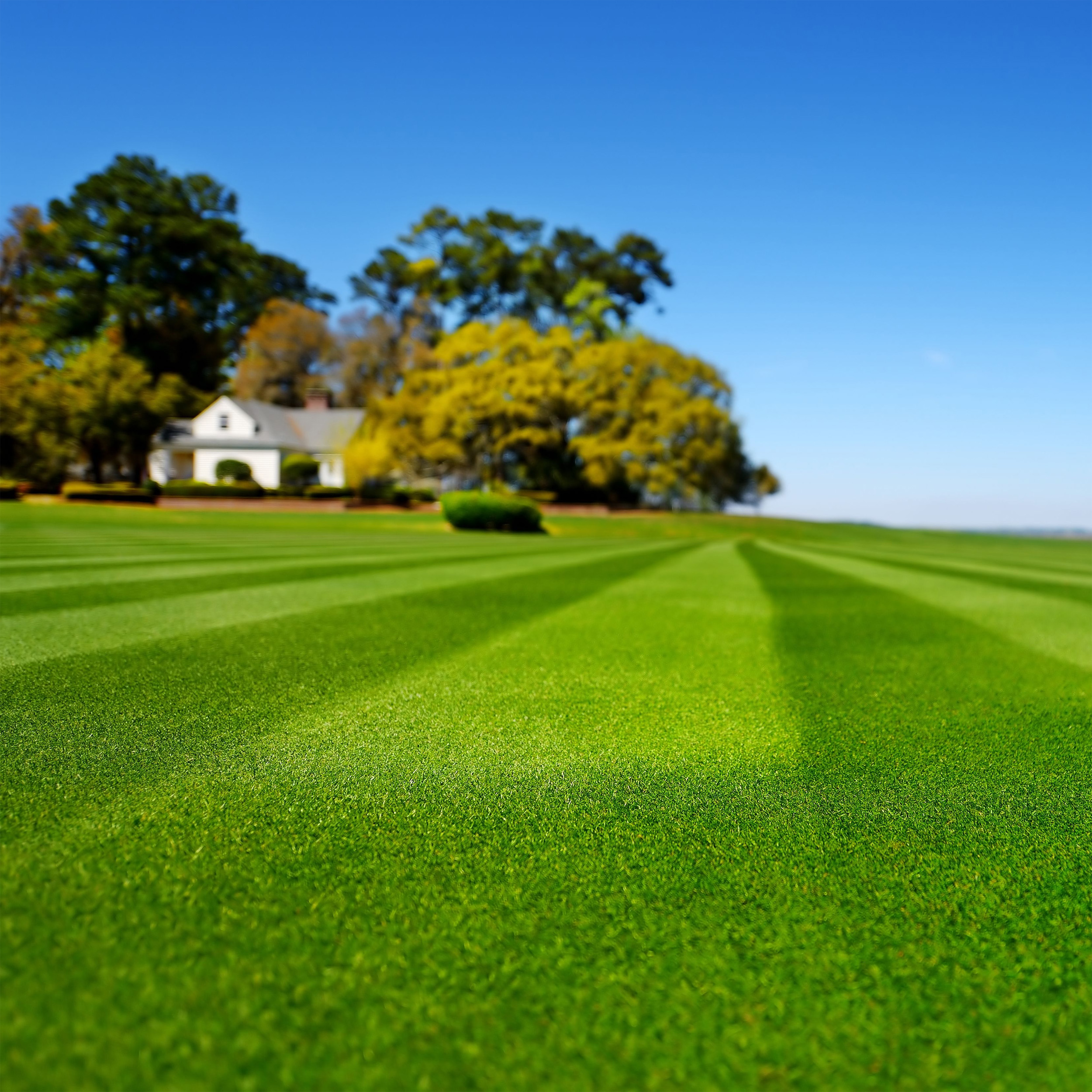
Bahia grass grows well in sandy and poor soils. It works best in open areas with full sunlight. It tolerates heat and heavy foot traffic. This grass is great for lawns, parks, and roadsides in Central Florida.
Credit: www.outsidepride.com
Seeding And Sodding Tips
Planting grass in Central Florida requires careful seeding and sodding techniques. Proper steps ensure a healthy, green lawn that withstands heat and humidity. Follow these simple tips to give your grass the best start.
Best Time To Plant
Plant grass during warm months for better growth. Late spring through summer is ideal. Soil temperature should be above 65°F. This helps seeds germinate and sod roots to grow fast.
Soil Preparation
Clear the area of debris and weeds first. Loosen soil to a depth of 4 to 6 inches. Add organic matter or compost to improve soil quality. Level the soil to avoid water pooling. Good soil helps roots spread easily.
Watering Practices
Keep soil moist but not soggy after planting. Water lightly two to three times daily for seeds. For sod, water deeply once or twice a day. Gradually reduce watering as grass grows. Proper watering avoids drying out and helps strong root growth.
Lawn Care Essentials
Maintaining a healthy lawn in Central Florida requires understanding basic lawn care essentials. Proper care helps grass grow thick and green. It also prevents common problems like pests and weeds. Regular attention to fertilizing, mowing, and pest control keeps your lawn looking great year-round.
Fertilizing Schedules
Fertilize your lawn 3 to 4 times a year for best results. Start in early spring to support new growth. Use a fertilizer with nitrogen, phosphorus, and potassium. Follow package instructions for amounts and timing. Avoid over-fertilizing to prevent damage to grass and soil.
Mowing Guidelines
Mow your lawn regularly to keep grass healthy and neat. Set mower blades to 2 to 3 inches high. Cutting too short stresses the grass and invites weeds. Leave grass clippings on the lawn to return nutrients to the soil. Mow more often during the growing season and less in cooler months.
Pest And Weed Control
Control pests by inspecting your lawn weekly for signs of damage. Use natural or chemical treatments as needed. Apply pre-emergent weed control in early spring to stop weed seeds from growing. Pull out any visible weeds promptly to stop spreading. Healthy grass is the best defense against pests and weeds.
Choosing The Right Grass
Choosing the right grass for your Central Florida lawn is key to a healthy, green yard. The region’s warm climate and sandy soil need a grass type that can handle heat and occasional drought. Selecting the best grass involves looking at your lawn’s conditions, budget, and how much time you want to spend on care. This guide helps you make the best choice for a beautiful lawn that lasts.
Evaluating Lawn Conditions
First, check your soil type. Central Florida often has sandy soil that drains fast. Some grasses need more water than others. Also, notice your lawn’s sun exposure. Some grasses grow well in full sun. Others do better in shade. Consider how much traffic the lawn gets. High-traffic areas need tough, durable grass. Understanding these factors helps you pick grass suited for your yard.
Budget Considerations
Grass types vary in price. Some seeds cost more but last longer. Others are cheaper but need more care. Think about initial costs and long-term expenses. Buying expensive grass may save money on watering and fertilizer. Cheaper grass might need more products and time. Balance your budget with your lawn goals for the best result.
Long-term Maintenance
Maintenance includes watering, mowing, and fertilizing. Warm-season grasses like Bermuda and Zoysia thrive in Central Florida. They need less water and tolerate heat well. Some grasses require frequent mowing. Others grow slower and need less work. Choose grass that fits your time for upkeep. Lower maintenance means more free time and a healthy lawn.
Credit: www.lawnstarter.com
Frequently Asked Questions
What Is The Easiest Grass Seed To Grow In Central Florida?
Bermudagrass is the easiest grass seed to grow in Central Florida. It thrives in heat and drought, establishing quickly.
What Is The Lowest Maintenance Grass In Florida?
Bermuda grass is the lowest maintenance grass in Florida. It tolerates heat, drought, and recovers quickly from wear.
What Is The Best Time To Plant Grass In Central Florida?
The best time to plant grass in central Florida is late spring to early summer. Warm soil boosts seed germination. Plant during this period for healthy growth.
Can You Just Throw Grass Seed On The Ground And It Will Grow?
Simply throwing grass seed on the ground rarely works well. Prepare soil, spread seed evenly, water regularly, and protect from birds for best growth.
Conclusion
Choosing the right grass helps your lawn stay green and healthy. Bermudagrass suits sunny areas and handles heat well. Zoysia grass grows slowly but resists drought and foot traffic. St. Augustine grass thrives in shade and humid climates. Consider your lawn’s sunlight, soil, and water needs.
Planting the best grass means less work and more beauty. A strong lawn adds value and enjoyment to your home. Start planting today for a vibrant, lasting yard.