If you’re ready to grow a thriving vegetable garden in California, choosing the right seeds is the first step to success. The climate and soil in California offer great opportunities, but not all seeds perform equally well here.
You want seeds that can handle the local weather, resist pests, and produce a bountiful harvest. You’ll discover the best vegetable seeds perfectly suited for California gardens, whether you’re planting in your backyard, a community garden, or even containers on a balcony.
Keep reading to find out which seeds will give your garden the best chance to flourish and make your growing experience truly rewarding.
Credit: victoryseeds.com
Top Seeds For California Gardens
California’s diverse climate zones make seed selection vital for garden success. Choosing the right vegetable seeds ensures healthy growth and good harvests. This guide highlights top seeds that thrive in different parts of California. Whether you garden near the coast or inland, find seeds suited to your region.
Best Seeds For Warm Climates
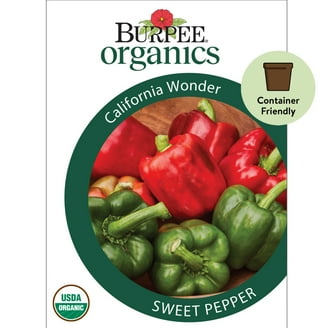
Warm regions in California favor heat-loving vegetables. Tomatoes, peppers, and eggplants grow well in these areas. Varieties like Early Girl tomato and California Wonder pepper perform strongly. Beans and okra also thrive in warm soil and sun. Choose seeds that resist heat stress and pests common in warm zones.
Varieties Suited To Coastal Areas
Coastal gardens enjoy mild temperatures and foggy mornings. Lettuce, kale, and broccoli flourish in these cooler, moist conditions. Seeds like Buttercrunch lettuce and De Cicco kale suit coastal climates. Root vegetables such as carrots and radishes also do well near the coast. Look for varieties tolerant of cooler soil and occasional wind.
Seeds For Inland Regions
Inland California faces hotter summers and colder winters. Heat-tolerant varieties like Zucchini and Cherry Belle radish work best here. Peas and spinach grow well during cooler months. Choose seeds that handle temperature swings and dry air. Consider drought-resistant types to save water in your inland garden.
Credit: m.yelp.com
Popular Vegetable Choices
California’s climate allows gardeners to grow many vegetables with ease. Choosing the right seeds ensures a healthy and productive garden. Popular vegetable choices suit the warm days and cool nights of the region. These vegetables grow well and give good yields.
Tomatoes That Thrive
Tomatoes are a favorite for many California gardeners. Varieties like Early Girl and Celebrity do well here. They handle heat and produce fruit quickly. Heirloom types also grow well in local gardens. Tomatoes need full sun and regular watering.
Peppers And Their Varieties
Peppers love California’s sunny weather. Bell peppers such as California Wonder are popular. Hot peppers like jalapeños also thrive. These plants grow best with good soil and plenty of sunlight. Peppers add color and flavor to meals.
Leafy Greens And Herbs
Leafy greens like spinach and lettuce grow fast in California. Kale and Swiss chard are also great choices. Herbs such as basil, cilantro, and parsley flourish in this climate. They prefer well-drained soil and partial shade in hot months. Fresh greens and herbs improve any dish.
Heirloom Vs Hybrid Seeds
Choosing between heirloom and hybrid seeds affects your vegetable garden in California. Both seed types offer unique qualities for growing healthy plants. Understanding their differences helps pick the best seeds for your needs.
Benefits Of Heirloom Seeds
Heirloom seeds come from plants passed down for generations. They keep their original traits and flavors. These seeds often produce vegetables with rich taste and unique shapes. Gardeners enjoy saving heirloom seeds for future planting. They support biodiversity and preserve plant history. Heirloom plants adapt well to local climates over time. This makes them a good choice for California gardens. They usually need fewer chemicals and fertilizers. Heirloom seeds provide a natural and organic gardening experience.
Advantages Of Hybrid Seeds
Hybrid seeds result from crossing two different plants. This process creates stronger plants with better yields. Hybrid seeds often resist pests and diseases effectively. They grow faster and produce uniform vegetables. Gardeners find hybrids reliable for consistent harvests. These seeds can handle California’s diverse weather well. Hybrids may require more care and specific conditions. They help maximize space and productivity in small gardens. Using hybrid seeds can improve garden success for beginners. They offer a practical option for steady vegetable production.
Credit: www.walmart.com
Where To Buy Quality Seeds
Finding quality vegetable seeds is key to a healthy garden in California. The right seeds grow strong plants and tasty vegetables. Seed quality affects germination rates and plant health.
Choose seeds suited to California’s climate for best results. Buying from trusted sources ensures you get fresh, viable seeds. Several options exist for buying seeds locally and online.
Local Seed Suppliers
Local seed suppliers offer seeds adapted to California’s climate. They often provide expert advice on which varieties grow best. Stores in cities like San Diego and Petaluma carry popular seed brands. Visiting these suppliers lets you inspect seeds before buying. Support local businesses and get seeds fast.
Online Seed Stores
Online stores give access to a wide seed selection. Many specialize in heirloom and organic vegetable seeds. Websites offer detailed descriptions and growing tips. Some top online stores ship seeds directly to California gardeners. Buying online saves time and allows comparing prices easily.
Farmers Markets And Specialty Shops
Farmers markets often have vendors selling quality vegetable seeds. These seeds are usually chosen by local farmers for success in the area. Specialty shops may carry rare or heirloom varieties not found elsewhere. Buying at markets supports small farmers and adds variety to your garden.
Growing Tips For California Gardens
Growing vegetables in California offers unique challenges and rewards. The climate varies from coastal coolness to inland heat. This affects how plants grow and what they need to thrive. Understanding local conditions helps gardeners choose the right methods. The following tips focus on soil, water, and pest control. These practices boost your garden’s health and yield.
Soil Preparation And Fertilizing
Start with loose, well-drained soil rich in organic matter. Mix compost or aged manure into the soil before planting. This improves texture and adds nutrients. Test soil pH to keep it between 6.0 and 7.0 for most vegetables. Use balanced fertilizers to supply nitrogen, phosphorus, and potassium. Apply fertilizer according to package instructions to avoid overfeeding. Mulching helps retain moisture and reduces weed growth.
Watering Practices
Water deeply but less frequently to encourage strong roots. Early morning watering reduces evaporation and fungal risks. Avoid overhead watering to keep leaves dry. Drip irrigation or soaker hoses deliver water efficiently. Adjust watering based on weather and soil moisture levels. Overwatering can cause root rot and nutrient loss. Mulch also helps maintain consistent soil moisture.
Pest And Disease Management
Inspect plants regularly for signs of pests and diseases. Use natural predators like ladybugs to control harmful insects. Remove affected leaves or plants promptly to stop spread. Rotate crops yearly to reduce soil-borne diseases. Choose disease-resistant seed varieties suited for California’s climate. Avoid chemical pesticides when possible to protect beneficial insects.
Seasonal Planting Guide
Understanding the best time to plant vegetable seeds is key to a successful garden in California. The state’s unique climate allows for multiple growing seasons. This seasonal planting guide helps you choose the right seeds for each period. Follow this plan to enjoy fresh vegetables year-round.
Spring Planting
Spring is perfect for cool-weather crops. Start with lettuce, spinach, and peas. These vegetables thrive in mild temperatures. Plant seeds after the last frost date. Radishes and carrots also grow well in spring. Keep soil moist for faster germination.
Summer Crops
Summer brings heat, ideal for warm-season vegetables. Tomatoes, peppers, and cucumbers do best now. Choose varieties that tolerate heat and sun. Beans and squash also flourish in summer. Water deeply and mulch to retain moisture.
Fall And Winter Options
Fall is great for planting hardy vegetables. Broccoli, cauliflower, and kale grow well in cooler weather. Spinach and Swiss chard can survive winter in many areas. Use row covers to protect crops from frost. Plan your garden to extend harvest into winter.
Easy Vegetables For Beginners
Starting a vegetable garden in California is simple with the right seeds. Beginners need easy vegetables that grow well in local climates. These plants offer quick success and build confidence. They require less care but still produce tasty vegetables. Choosing beginner-friendly seeds helps avoid frustration and keeps gardening fun.
Quick Growing Options
Some vegetables sprout and mature fast. Radishes are one of the fastest, ready to harvest in about 30 days. Lettuce grows quickly too, perfect for fresh salads in just a few weeks. Spinach also grows fast and thrives in cool weather. These quick growers give beginners a fast reward for their efforts.
Low Maintenance Choices
Low maintenance vegetables need little care. Green beans are easy and grow well in California’s warm weather. Zucchini plants produce a lot with minimal attention. Peas are hardy and do not require much watering. These vegetables suit beginners who want a simple, low-effort garden.
Saving Seeds For Future Gardens
Saving seeds from your vegetable garden helps you grow plants year after year. It reduces costs and ensures seeds adapt well to California’s climate. Seed saving also preserves plant varieties that do well in your local area. This practice connects gardeners with nature and gardening traditions.
Collecting and storing seeds properly ensures good germination rates. It allows you to grow strong, healthy plants in future seasons. Seed saving is simple and rewarding. You only need to know a few basics and choose the right vegetables.
Seed Saving Basics
Harvest seeds from healthy, mature vegetables. Let seeds fully ripen on the plant before collecting. Dry seeds in a cool, dry place for several days. Remove any pulp or debris from seeds before storage. Store seeds in airtight containers away from heat and light. Label containers with the seed type and harvest date. Use seeds within one to three years for best results. Keep seeds dry to avoid mold and loss of viability.
Best Vegetables For Seed Saving
Some vegetables produce seeds more easily than others. Tomatoes, peppers, beans, and peas are great for beginners. These seeds store well and germinate reliably. Leafy greens like lettuce and kale can also be saved, but seeds need full maturity. Root vegetables like carrots and beets require more care to collect seeds. Choose open-pollinated or heirloom varieties, not hybrids, for true seed saving. These plants pass on their traits accurately to new plants.
Frequently Asked Questions
What Is The Easiest Vegetable To Grow In California?
Lettuce, spinach, and radishes grow easily in California’s climate. They require minimal care and thrive in various soils. These vegetables suit beginner gardeners and offer quick harvests.
What Is The Best Crop To Grow In California?
Almonds, grapes, and strawberries rank as the best crops to grow in California due to ideal climate and soil conditions.
What Month Do You Plant Vegetables In California?
Plant vegetables in California from February to May for spring crops and August to October for fall crops. Coastal areas allow earlier planting.
What Are The Most Heat Tolerant Vegetables?
Heat-tolerant vegetables include okra, sweet potatoes, eggplants, peppers, and cowpeas. These thrive in high temperatures and strong sunlight.
Conclusion
Choosing the right vegetable seeds makes gardening in California easier. Seeds like kale, peppers, and cucumbers grow well here. These vegetables suit the climate and soil perfectly. Growing your own vegetables saves money and boosts health. Start small, watch your garden grow day by day.
Enjoy fresh, homegrown veggies right from your backyard. Gardening brings joy and connects you to nature. Try different seeds to find your garden’s best fit. Happy planting and enjoy your California garden!