
Are you ready to transform your outdoor space into a stunning California-inspired garden? Choosing the right plants can make all the difference in creating a beautiful, thriving landscape that suits your climate and style.
Whether you want vibrant colors, low maintenance, or drought-tolerant options, the best California plants for landscaping offer you all that and more. You’ll discover top plant choices that not only look amazing but also save you time and water. Keep reading to find out how to make your garden stand out with the perfect California native and adapted plants that will thrive year-round in your yard.
Top Native Plants
Native plants thrive in California’s unique climate. They need less water and care. These plants support local wildlife like bees and birds. Choosing native plants helps keep your garden healthy and sustainable.
Drought-tolerant Shrubs
Shrubs like Toyon and California lilac survive with little water. These shrubs add structure and green color year-round. They grow well in poor soil and full sun. Their deep roots help prevent soil erosion. These shrubs also produce berries or flowers that attract wildlife.
Colorful Perennials
Perennials such as California poppy and lupine bring bright colors to gardens. They bloom in spring and summer, lasting through the seasons. These plants return each year without replanting. They are low-maintenance and fit well in rock gardens or borders. Their vibrant flowers attract pollinators like butterflies.
Evergreen Choices
Evergreen plants like Manzanita and Ceanothus keep gardens green all year. They provide privacy and wind protection. Their leaves stay fresh in both hot summers and mild winters. These plants are hardy and require little trimming. Evergreen natives create a stable and attractive landscape backdrop.
Low-maintenance Succulents
Low-maintenance succulents are perfect for California landscaping. They thrive in dry climates and need little water. These plants store water in their leaves, making them drought-tolerant. Succulents add texture and color to any garden with minimal effort. They suit busy gardeners and those new to planting. Their unique shapes bring life to rocks, soil, and containers. Succulents also resist pests and diseases, reducing the need for chemicals.
Popular Succulent Varieties
Agave is a standout succulent with sharp leaves and bold shapes. Aloe vera offers healing properties and attractive, spiky leaves. Echeveria features rosette-shaped leaves in soft colors like green and pink. Sedum, also called stonecrop, spreads easily and blooms with small flowers. Crassula, including the jade plant, has thick, glossy leaves and grows well in pots. These varieties suit many garden styles and climates.
Care Tips For Succulents
Plant succulents in well-draining soil to avoid root rot. Water deeply but infrequently, allowing soil to dry out between watering. Place succulents in areas with plenty of sunlight, ideally six hours daily. Remove dead leaves and flowers to keep plants healthy. Fertilize lightly during the growing season with a balanced, diluted fertilizer. Protect succulents from frost or extreme cold.
Combining Succulents In Landscapes
Mix different shapes and colors for a dynamic landscape. Pair tall agave with low-growing sedum for contrast. Use rosette-forming echeveria near stones to mimic natural patterns. Grouping succulents in odd numbers creates visual interest. Combine succulents with drought-tolerant grasses for texture variety. These combinations create eye-catching, easy-care garden beds. They also reduce water use and maintenance time.
Flowering Plants For Year-round Color
Flowering plants bring vibrant color to California landscapes all year. Choosing the right plants ensures your garden stays lively through every season. Many varieties thrive in California’s climate, offering blooms from spring to winter. These plants add beauty and charm, making your outdoor space inviting and cheerful.
Seasonal Bloomers
Seasonal bloomers shine during specific times of the year. California poppies show bright orange flowers in spring. Nasturtiums bloom in late spring and summer with warm colors. Sweet peas add soft pastel shades in early spring. These plants refresh the garden’s look as seasons change. Planting different bloomers ensures color throughout the year.
Long-blooming Varieties
Long-blooming plants keep your garden colorful for many months. California lilac offers blue flowers from spring into fall. Geraniums bloom almost year-round in mild climates. Lantanas produce small flowers in vibrant hues for months. These plants require little care but provide lasting beauty. Use them to maintain steady color in your landscape.
Attracting Pollinators
Flowering plants attract bees, butterflies, and hummingbirds. Milkweed supports monarch butterflies with its nectar and leaves. Salvia plants draw hummingbirds with their tubular flowers. Lavender invites many pollinators with its strong scent. Adding these plants helps local wildlife thrive. Pollinators also improve your garden’s health and productivity.
Design Principles With Plants
Designing a beautiful landscape with California plants requires understanding key design principles. These principles help create gardens that feel natural, balanced, and inviting. Using simple guidelines can turn any space into a vibrant outdoor area.
Plants play a big role in shaping the look and feel of your garden. Thoughtful placement and combinations enhance the visual appeal. The right design techniques make your landscape stand out throughout the year.
Using The Rule Of Three
The rule of three is a popular design method in landscaping. Grouping plants in sets of three or other odd numbers creates natural harmony. Odd numbers avoid symmetry, making the garden appear more relaxed and organic.
For example, plant three California lilacs together for a fuller look. This grouping draws attention and adds depth. Mixing three different species also adds variety and interest without clutter.
Creating Focal Points
Focal points grab the eye and give the garden a clear center. Use tall or colorful plants like red-flowering toyon or bright California poppies. Place these plants where they can be seen easily.
A single striking plant or a small cluster can act as a focal point. It helps guide visitors through the garden and adds excitement. Focal points break up large spaces and add charm.
Balancing Height And Texture
Varying plant height and texture creates balance and visual interest. Combine tall shrubs with low groundcovers for layers. For instance, pair towering manzanita with soft, spreading native grasses.
Texture differences, such as smooth leaves with rough bark, keep the garden dynamic. Balance heavy, dense plants with light, airy ones. This mix prevents any area from feeling too plain or crowded.
Water-wise Gardening Tips
Water-wise gardening is essential for California’s dry climate. It helps save water and keeps plants healthy. Using smart techniques makes your garden thrive without wasting water. These tips suit any garden size and type.
Efficient Irrigation Methods
Drip irrigation delivers water directly to plant roots. This reduces evaporation and runoff. Soaker hoses are another good choice for slow, steady watering. Water early in the morning or late at night. This cuts water loss from heat and wind. Avoid overhead watering to prevent leaf diseases and waste.
Soil Preparation For California
Healthy soil holds water longer and feeds plants well. Add organic matter like compost to improve soil texture. Clay soils benefit from sand and organic mix for better drainage. Sandy soils need more compost to retain moisture. Test soil pH and adjust with lime or sulfur if needed. Proper soil prep helps plants use water efficiently.
Mulching Strategies
Mulch reduces evaporation and keeps soil cool. Use organic mulch like bark, wood chips, or straw. Spread a 2-3 inch layer around plants but keep it away from stems. Mulch also prevents weeds that compete for water. Refresh mulch yearly to maintain its benefits. Mulching saves water and improves garden health.

Credit: www.cnps.org
Combining Plants For Impact
Combining plants for landscaping creates a vibrant and inviting outdoor space. Thoughtful combinations bring out the best features of each plant. They make gardens more interesting and beautiful. Choosing the right plants together enhances color, texture, and form. It also helps create a natural flow in the garden. This section explores ways to combine plants for great visual impact.
Grouping By Color
Color grouping helps create striking garden visuals. Choose plants with similar or contrasting colors for effect. For example, pair bright yellows with deep purples to catch the eye. Using shades of green adds calm and balance. Color grouping guides visitors through the landscape. It also highlights seasonal blooms and changes.
Mixing Textures And Forms
Mixing textures adds richness to any garden design. Combine smooth leaves with rough or spiky ones for contrast. Round shapes look soft next to tall, narrow plants. This mix creates visual interest and avoids monotony. Using different forms also supports wildlife diversity. Birds and insects enjoy varied habitats in textured gardens.
Layering For Depth
Layering plants creates a sense of depth and fullness. Plant taller species at the back or center. Use medium height plants in the middle. Place low-growing plants or groundcovers in front. This arrangement draws the eye inward and upward. It helps small spaces feel larger and more lush. Layering also protects soil and retains moisture better.
Plant Care And Maintenance
Proper plant care and maintenance ensure your California landscape thrives all year. Healthy plants grow stronger, resist pests, and bloom beautifully. Regular attention keeps your garden vibrant and inviting.
Simple steps in pruning, pest control, and seasonal care make a big difference. These practices help plants adapt to California’s diverse climate. They also save water and reduce the need for chemicals.
Pruning Tips
Pruning helps shape plants and remove dead growth. Use sharp tools to make clean cuts. Cut back after flowering to encourage new blooms. Avoid heavy pruning in hot summer months. Thin crowded branches to improve air flow. Always prune early in the morning or late afternoon.
Pest And Disease Management
Check plants regularly for pests like aphids and mites. Remove damaged leaves to stop disease spread. Use natural remedies such as neem oil or insecticidal soap. Encourage beneficial insects like ladybugs to control pests. Avoid overwatering to prevent root rot and fungal problems. Keep the garden clean of fallen debris.
Seasonal Care Routines
Adjust watering based on the season and rainfall. Mulch plants to retain moisture and control weeds. Fertilize in spring and fall with a balanced formula. Protect sensitive plants from frost during winter. Monitor growth and adjust pruning or pest control as needed. Prepare your garden for summer heat with extra shade or watering.
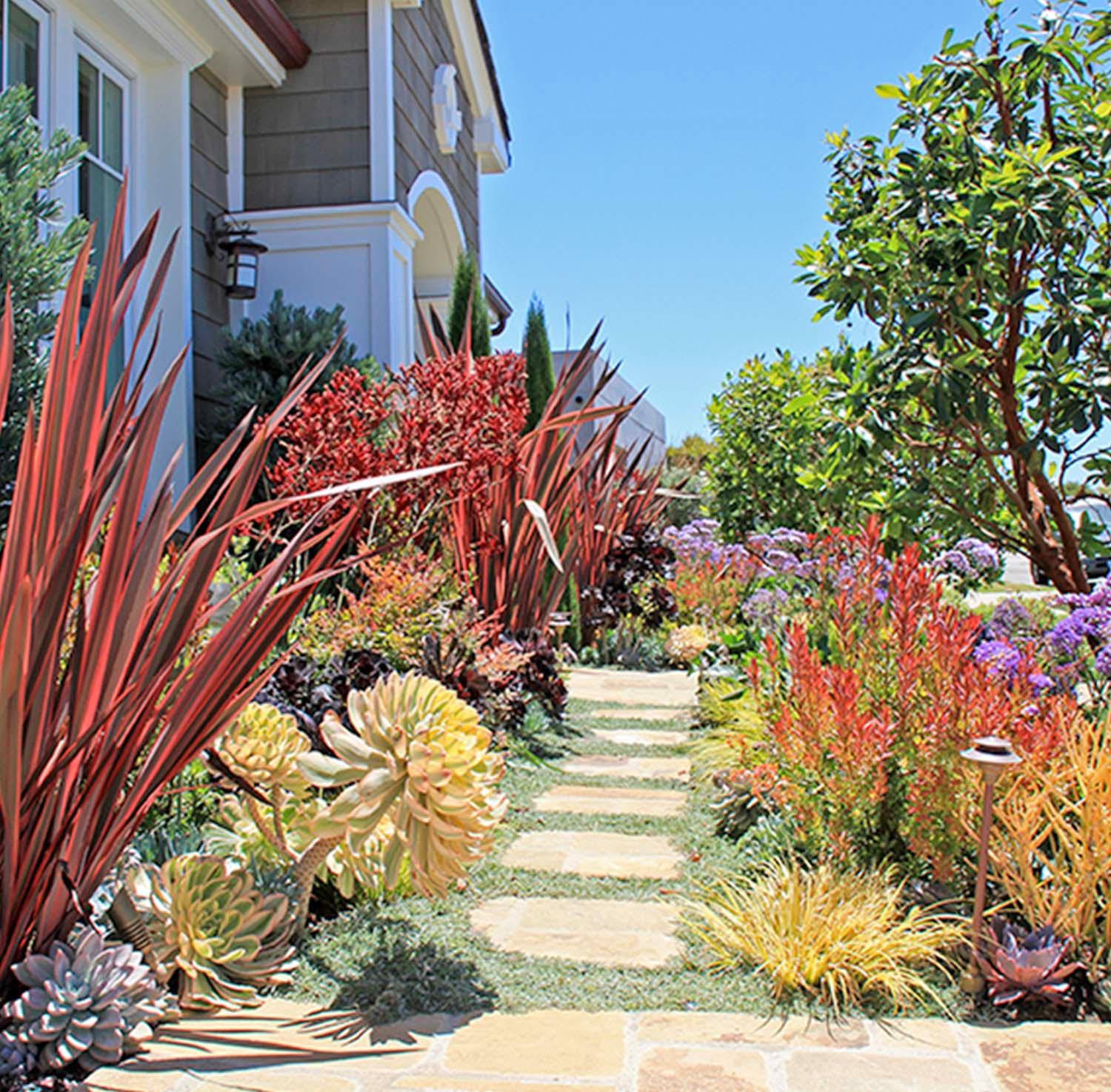
Credit: www.rogersgardens.com
Where To Buy California Plants
Finding the right place to buy California plants ensures a healthy and vibrant garden. Quality plants adapt better to the local climate and require less water. Selecting good sources helps your landscaping thrive throughout the seasons.
Local Nurseries
Local nurseries offer plants grown specifically for California’s climate. They often stock native and drought-tolerant species. Visiting in person lets you inspect plants for health and vigor. Staff can provide advice on care and planting. Supporting local businesses also benefits the community.
Online Plant Stores
Online stores provide a wide variety of California plants. They deliver directly to your doorstep, saving time and effort. Many specialize in native and sustainable plants. Check for customer reviews and detailed plant descriptions. Look for stores with good return policies.
Choosing Healthy Plants
Pick plants with strong stems and green, full leaves. Avoid any with brown spots, wilting, or pests. Check roots for firmness and white color, not mushy or dark. Healthy plants establish faster and resist disease better. Proper selection leads to a successful landscape.

Credit: www.rogersgardens.com
Frequently Asked Questions
What Is The 70/30 Rule In Gardening?
The 70/30 rule in gardening means planting 70% edible plants and 30% decorative plants for balance and productivity.
What Is The Easiest Flower To Grow In California?
Dianthus is the easiest flower to grow in California. It thrives in various climates and blooms from spring to autumn. Its small, rose-like pink flowers add beauty and require minimal care, making it perfect for beginners and drought-tolerant gardens.
What Is The Rule Of 3 In Gardening?
The rule of 3 in gardening groups plants or elements in threes to create balance, visual interest, and natural harmony. It enhances focal points and guides the eye through the garden.
What Is The Most Low-maintenance Outdoor Plant?
Succulents, like agave and sedum, are the most low-maintenance outdoor plants. They need minimal water and thrive in various soils.
Conclusion
Choosing the best California plants enhances any landscaping project. These plants thrive in dry, sunny environments. They save water and reduce maintenance needs. Native species attract local birds and pollinators. Mixing different plant types creates balance and color. Small shrubs, tall grasses, and flowering plants work well together.
Planting with care ensures your garden stays healthy and vibrant. Start with these options for a beautiful, eco-friendly yard. Your outdoor space will look natural and inviting all year.


Agaves are a great one! I’m surprised you didn’t mention any cactus types though. Different prickly pear cactus and others are also great for California!