
If you’re planting flowers in California, you want blooms that thrive under the Golden State’s unique climate. Whether you live near the coast, in the desert, or up in the mountains, choosing the right flowers can transform your garden into a vibrant oasis.
Imagine stepping outside to bright colors and fresh scents, all year round. In this guide, you’ll discover the best flowers to plant in California—easy to grow, stunning to look at, and perfectly suited to your local weather. Ready to make your garden the envy of the neighborhood?
Keep reading and let’s get your flower beds flourishing!
California Garden Zones
California’s diverse landscape creates unique garden zones. Understanding these zones helps select the best flowers for each area. Each zone has distinct climates and soil types. Choosing plants suited to these zones ensures healthy growth and vibrant blooms.
Coastal Areas
Coastal zones have mild temperatures and high humidity. Plants here enjoy cool summers and wet winters. Flowers like California poppies, lupines, and seaside daisies thrive. These flowers tolerate salt air and sandy soil well. They add color and beauty to coastal gardens.
Inland Valleys
Inland valleys experience hot, dry summers and cool winters. Drought-tolerant plants work best in this zone. Consider planting lavender, penstemon, and coreopsis. These flowers handle heat and need less water. They brighten gardens with minimal care.
Mountain Regions
Mountain zones have cooler temperatures and shorter growing seasons. Choose hardy flowers that survive frost and snow. Columbine, Indian paintbrush, and wild geraniums do well here. They bring vibrant color even in harsher conditions. Mountain gardens benefit from native, resilient plants.
Desert Climates
Desert areas are hot and dry with very little rainfall. Succulents and cacti bloom beautifully in this zone. Desert marigold, desert lily, and penstemon thrive. These flowers need little water and full sun. They create striking landscapes in arid conditions.
Native Flowers For California
Native flowers thrive naturally in California’s diverse climate. They require less water and care than many non-native plants. These flowers support local wildlife and add natural beauty to gardens. Planting native flowers helps conserve water and preserves the environment.
California Poppy
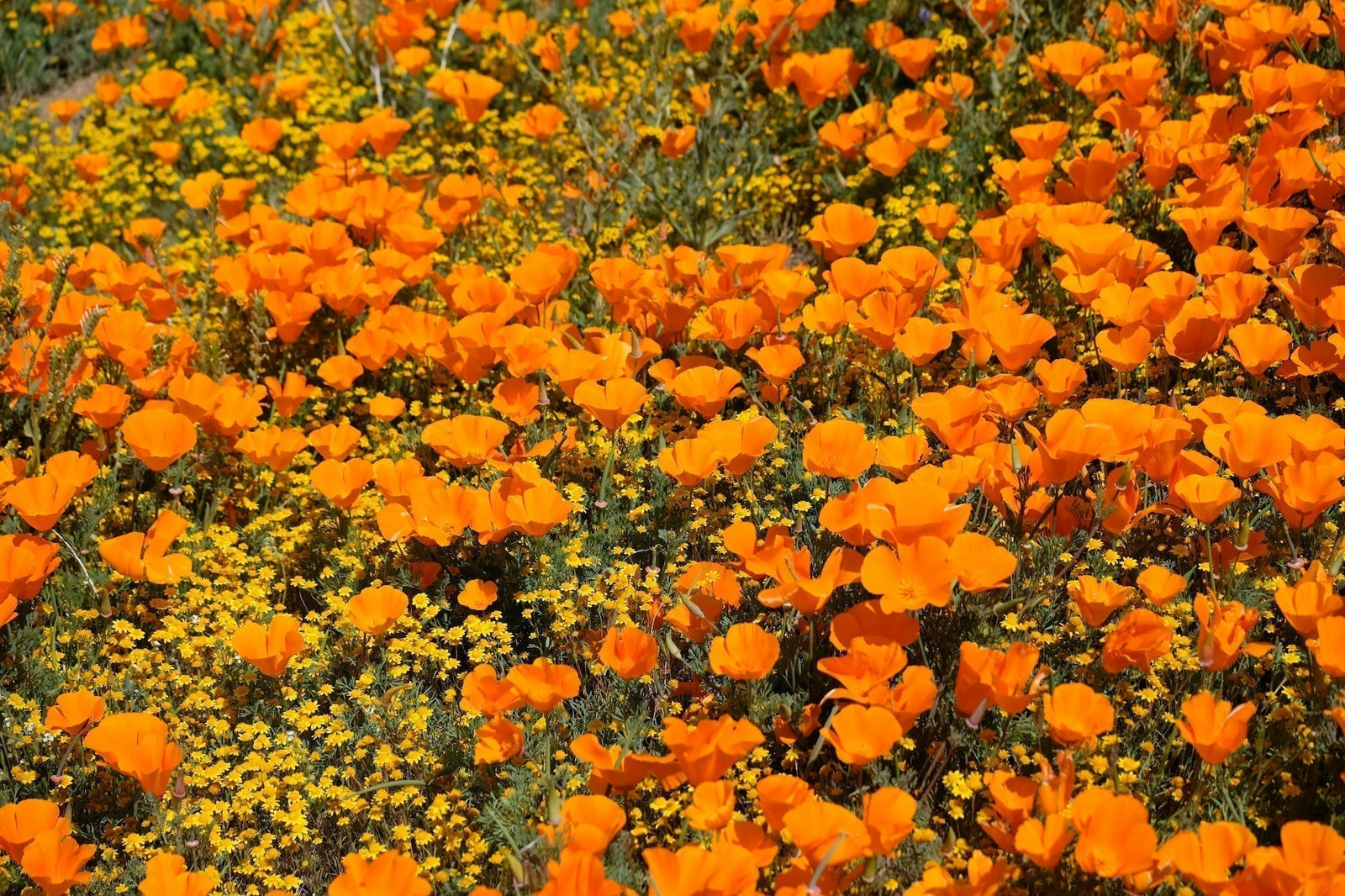
The California Poppy is the state flower. It brightens gardens with vibrant orange petals. This flower blooms from spring to early summer. It grows well in sunny, dry areas. The poppy attracts bees and butterflies. It needs little water once established. A perfect choice for low-maintenance gardens.
Lupine
Lupine offers tall spikes covered in colorful flowers. Shades range from blue to purple and pink. It blooms in spring and early summer. Lupine improves soil by fixing nitrogen naturally. It prefers well-drained soil and full sun. Bees and hummingbirds often visit lupine flowers. Lupine adds height and color to any garden.
Monkey Flower
The Monkey Flower has bright, trumpet-shaped blooms. Its colors include red, yellow, and orange. This flower grows well in moist to dry soils. It blooms from spring to fall, attracting hummingbirds. The plant adapts to many garden styles. It is drought-tolerant once established. A cheerful addition to California landscapes.
Sticky Monkey Flower
Sticky Monkey Flower is a hardy native with sticky leaves. Its flowers are usually orange or red with spots. This plant grows best in full sun and dry soils. It blooms mainly in spring and summer. The sticky leaves help protect it from insects. It attracts pollinators like bees and hummingbirds. Ideal for natural and wild garden settings.
Year-round Bloomers
Year-round bloomers bring constant color and life to California gardens. These flowers thrive in mild climates and offer blooms through many seasons. They brighten patios, balconies, and garden beds with ease. Their steady blossoms reduce the need for frequent replanting. Choose plants that suit local conditions for best results.
African Violets
African violets are small houseplants with soft, fuzzy leaves. They bloom continuously with proper care and bright, indirect light. These flowers show vibrant purple, pink, and white colors. African violets prefer warm indoor temperatures and regular watering. They add charm to indoor spaces all year.
Begonias
Begonias, especially wax and Rieger types, bloom almost nonstop. They grow well indoors and in shaded garden spots. Their flowers come in red, pink, white, and orange shades. Begonias like moist soil but avoid overwatering. These plants brighten shady areas with vivid colors.
Lantana
Lantana is a tough plant that blooms in clusters of bright colors. It thrives in warm, sunny spots with well-drained soil. Lantana flowers attract butterflies and hummingbirds. This plant needs little care once established. It blooms from spring through fall and often longer in mild winters.
Dianthus
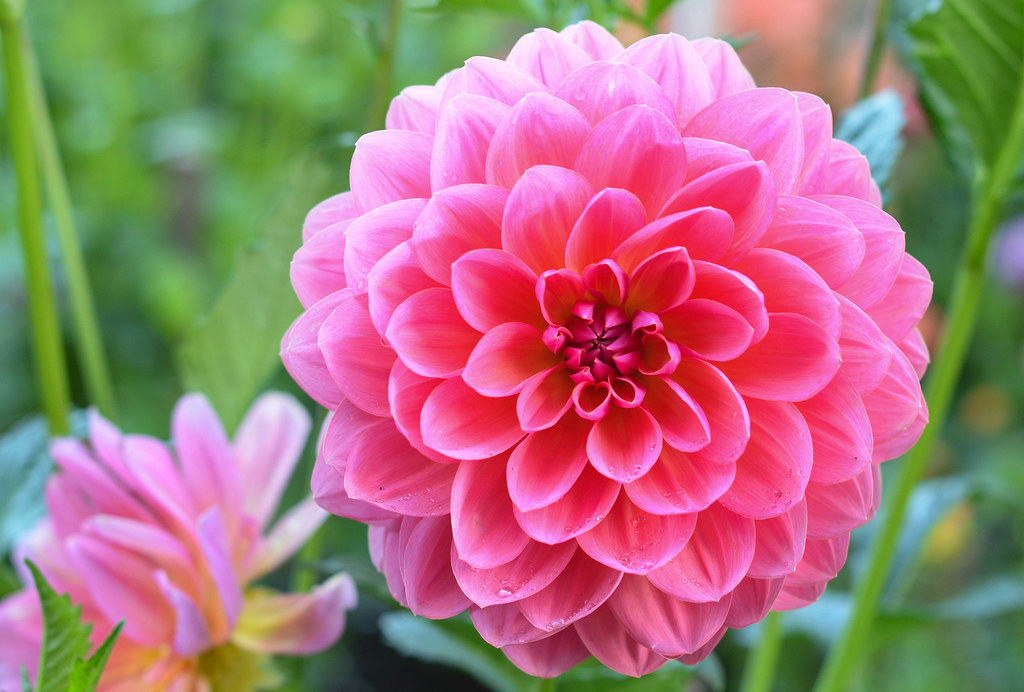
Dianthus flowers resemble small roses and bloom for many months. They prefer full sun and well-drained soil. Dianthus can flower from spring into autumn in California. These plants tolerate dry conditions and need little water. Their sweet fragrance adds another layer of appeal.
Credit: www.installitdirect.com
Long-blooming Perennials
Long-blooming perennials bring lasting beauty to California gardens. These plants bloom over many months, providing color and life. They thrive in the state’s varied climate. Choosing perennials that bloom long saves effort and keeps gardens vibrant. Here are some top picks that perform well in California.
Salvia
Salvia is a hardy perennial with bright, colorful spikes. It blooms from spring to fall. The plant attracts bees and hummingbirds. Salvia prefers full sun and well-drained soil. It is drought-tolerant, perfect for dry California summers. Different varieties offer blue, purple, red, or pink flowers. Salvia adds vertical interest and long-lasting color to gardens.
Verbena
Verbena produces clusters of small, vivid flowers. It blooms continuously through warm months. This low-maintenance plant thrives in sunny spots with good drainage. Verbena attracts butterflies and pollinators. It grows well in containers or garden beds. The flowers come in many colors, including purple, red, and white. Verbena’s long blooming period makes it a favorite in California gardens.
Hibiscus
Hibiscus offers large, tropical-looking blooms. It can flower almost year-round in warm areas. The plant prefers full sun and regular watering. Hibiscus adds a lush, exotic feel to any garden. Colors range from bright red to soft pink and yellow. It attracts hummingbirds and butterflies. Hibiscus is ideal for sunny California patios and borders.
Roses
Roses are classic perennials with long blooming seasons. Some varieties bloom from spring to fall. They prefer full sun and rich, well-drained soil. Roses offer a wide range of colors and fragrances. They require regular care to promote continuous blooms. Many types adapt well to California’s climate. Roses add elegance and charm to any garden space.
Low Maintenance Flowers
Choosing low maintenance flowers is ideal for California gardens. These plants save time and water. They thrive with minimal care yet still add color and beauty. Perfect for busy gardeners or beginners. Here are some excellent options that fit California’s climate and soil.
Succulents With Flowers
Succulents are popular for their thick, water-storing leaves. Many types produce stunning flowers in bright colors. They need little water and can handle California’s dry summers. Examples include aloe, echeveria, and kalanchoe. These plants require well-drained soil and plenty of sunlight. Succulents bloom in spring or summer, attracting attention without extra effort.
Drought-tolerant Choices
California often faces drought conditions. Planting drought-tolerant flowers helps conserve water. These plants survive with limited moisture and still look vibrant. California poppies and lantana are excellent drought-resistant flowers. They grow well in poor soil and full sun. Their bright blooms add life to gardens while needing very little watering.
Pollinator-friendly Plants
Planting flowers that attract bees and butterflies supports local ecosystems. These pollinator-friendly plants often require less care and adapt well to California’s environment. Lavender, salvia, and California fuchsia are great choices. They bloom for long periods and resist pests naturally. These flowers help pollinators thrive and keep your garden healthy.
Credit: grangettos.com
Seasonal Flowering Tips
Seasonal flowering brings color and life to California gardens throughout the year. Understanding how to care for flowers in each season helps you enjoy blooms longer. Simple steps like planting at the right time and giving proper care make a big difference. This section shares easy tips to keep your flowers healthy and vibrant all year.
Timing Your Planting
Plant flowers according to the season for best results. Spring flowers thrive when planted after the last frost. Summer flowers do well in warm soil. Fall is ideal for cool-weather blooms. Plan your garden calendar to match each flower’s natural cycle.
Soil Preparation
Healthy soil supports strong flowers. Loosen the soil before planting to improve root growth. Mix in organic compost to add nutrients. Check soil pH; most flowers prefer slightly acidic to neutral soil. Good soil drains well but holds enough moisture.
Watering Guidelines
Water flowers deeply but less often to encourage roots to grow down. Early morning watering reduces evaporation. Adjust watering based on weather; less in cooler months and more during hot, dry spells. Avoid water on leaves to prevent disease.
Light Requirements
Flowers need the right amount of sunlight to bloom well. Most California flowers prefer full sun, at least six hours a day. Some thrive in partial shade, especially in hot afternoon sun. Observe your garden’s light patterns to place flowers where they will flourish.
Designing With Color
Designing with color transforms any garden into a vibrant, inviting space. Choosing the right flowers enhances California landscapes beautifully. Color plays a key role in garden design. It sets the mood and guides the eye. Thoughtful color choices create harmony and interest.
Bright hues can energize a space. Soft pastels bring calm and peace. Mixing colors with care helps your garden shine all year. Let’s explore ways to use color effectively in your flower garden.
Complementary Color Schemes
Complementary colors sit opposite on the color wheel. Pairing flowers in these colors creates strong contrast. This contrast makes each color pop vividly. For example, planting purple lavender near yellow poppies brightens both. Red and green combinations also catch attention. Using complementary schemes adds excitement and balance to your garden.
Using Foliage For Contrast
Foliage offers texture and color that enhances flower displays. Dark green leaves make bright blooms stand out more. Silver or gray leaves add a soft, subtle contrast. Plants like lamb’s ear or dusty miller provide this effect. Variegated leaves with white or yellow edges add interest too. Foliage helps break up color blocks and keeps designs fresh.
Creating Focal Points
A focal point draws the eye to a special garden area. Use bold or unusual flower colors for this. Bright red, deep blue, or vibrant orange flowers work well. Group these flowers together for greater impact. You can also combine color with height or shape for focus. Focal points guide visitors and add drama to your garden.

Credit: wildbloomlandscapes.com
Pest And Disease Management
Managing pests and diseases is vital for a healthy flower garden in California. Many common pests and diseases can harm your plants, reducing their beauty and growth. Early detection and proper care help keep your flowers thriving and vibrant. Using natural methods protects your garden without harmful chemicals.
Common Garden Pests
Aphids are small insects that suck plant sap and weaken flowers. Spider mites cause tiny yellow spots and fine webs on leaves. Whiteflies spread quickly and feed on plant juices. Slugs and snails chew holes in leaves and petals. Caterpillars can eat large parts of flowers and leaves. Knowing these pests helps in spotting them early.
Organic Control Methods
Neem oil works well to repel many insects and fungi. Insecticidal soap kills soft-bodied pests like aphids and whiteflies. Introducing ladybugs and lacewings controls aphids naturally. Handpicking slugs and caterpillars reduces damage. Use garlic or chili sprays to discourage pests. These methods keep your garden safe and healthy.
Preventive Care
Plant flowers with good air circulation to reduce mold and mildew. Water early in the day to avoid damp leaves overnight. Remove dead or diseased plant parts promptly. Rotate flower beds to prevent soil pests and diseases. Use mulch to keep soil moisture steady and block weeds. Healthy plants resist pests better and grow stronger.
Frequently Asked Questions
What Is The Easiest Flower To Grow In California?
Dianthus ranks as the easiest flower to grow in California. It thrives in spring and summer, often blooming into autumn. This hardy plant produces beautiful pink rose-like blooms and adapts well to Southern California’s climate, requiring minimal care and consistent sunlight.
What Is The 70/30 Rule In Gardening?
The 70/30 rule in gardening means planting 70% of your garden with easy-care plants and 30% with challenging, high-maintenance varieties. This balance ensures a thriving garden with less effort and more visual interest.
What Flowers Bloom All Year Round?
African violets, begonias, and lantana bloom year-round in warm, bright conditions. Roses, verbena, salvia, hibiscus, and dianthus also bloom nearly all year in suitable climates.
What Flowers Can Survive In The Hot Sun?
Sun-loving flowers include marigolds, zinnias, lantana, hibiscus, and succulents. These thrive in hot, direct sunlight with minimal water.
Conclusion
Choosing the best flowers for California gardens brings beauty and joy. Native and well-adapted plants thrive with less water and care. Flowers like dianthus, lantana, and hibiscus offer long blooming seasons. Remember to match flowers with your local climate for best results.
Regular watering and sunlight help your garden stay healthy and bright. Planting the right flowers creates a colorful, inviting outdoor space all year. Enjoy the simple pleasure of watching your California garden grow and bloom.