
If you’re gardening in Florida and wondering what vegetables you can still plant in August, you’re in the right place. August might seem late to start, but it’s actually a perfect time to grow certain veggies that thrive in Florida’s warm climate.
By choosing the right vegetables now, you can enjoy fresh, homegrown produce well into the fall. Keep reading to discover the best vegetables to grow in Florida this August and how to make your garden flourish despite the heat and humidity.
Your garden’s next successful harvest starts here!
Ideal August Vegetables
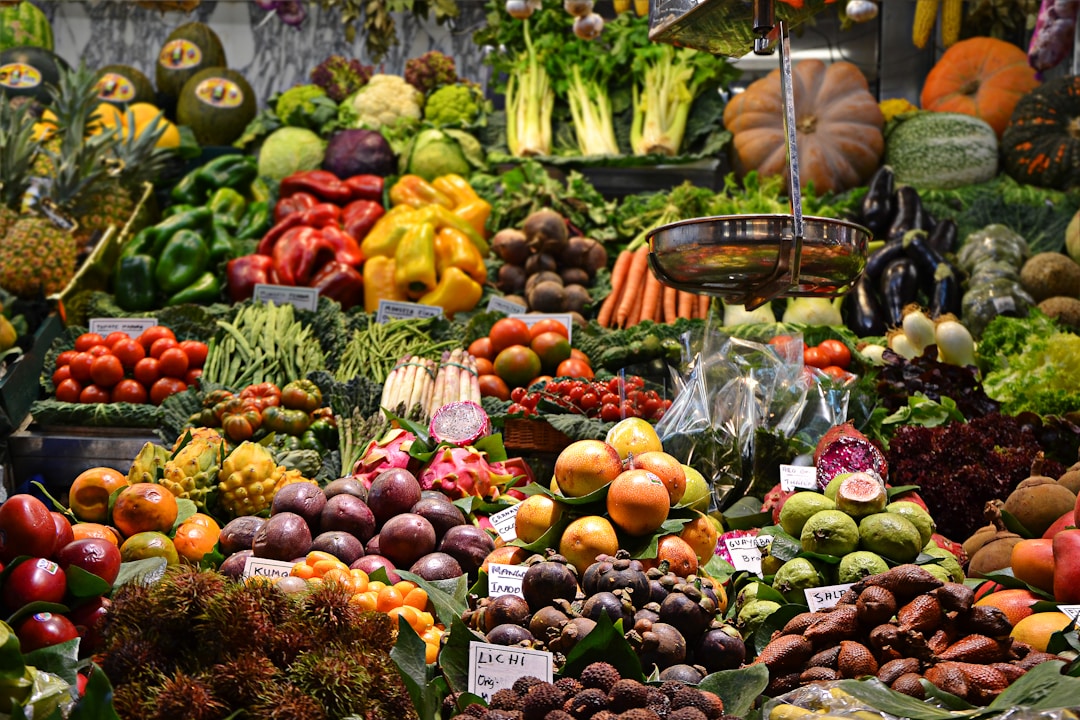
August in Florida offers warm temperatures and ample sunlight perfect for growing several vegetables. Choosing the right crops ensures a healthy, productive garden despite the summer heat. Focus on plants that thrive in warmth and humidity for the best results. These vegetables handle Florida’s August climate well and provide fresh, tasty harvests.
Eggplants And Peppers
Eggplants grow well in Florida’s hot August weather. They need full sun and regular watering. Choose heat-tolerant varieties for better yields. Peppers also thrive in warm conditions. They prefer well-drained soil and consistent moisture. Both vegetables add color and flavor to your garden and kitchen.
Okra And Beans
Okra loves hot weather and grows fast in August. It requires little care and resists pests well. Beans, including bush and pole types, do well in Florida’s summer heat. Plant them in fertile soil and keep soil moist for best growth. These crops provide fresh pods to enjoy in many dishes.
Tomatoes And Tomatillos
Tomatoes need warm temperatures and plenty of sunlight. August is suitable for heat-tolerant tomato varieties in Florida. Tomatillos also flourish in hot weather and produce abundant fruit. Both crops prefer rich soil and consistent watering. They add zest to salads, sauces, and salsas.
Tropical Spinaches And Greens
Tropical spinaches grow quickly and tolerate Florida’s heat well. These greens provide fresh leaves for salads and cooking. They prefer partial shade and moist soil to prevent wilting. Planting these greens in August ensures a steady supply of nutritious, tender leaves during late summer.
Regional Planting Tips
Planting vegetables in Florida during August requires special attention to regional conditions. Different parts of the state have unique climates and soil types. Choosing the right vegetables and planting methods improves growth and harvest success. The following tips help gardeners select and care for vegetables suited to their region.
Central Florida Choices
Central Florida gardeners benefit from warm days and cooler nights in August. Plant beans like bush and pole types. Carrots and bunching onions grow well here. Okra and southern peas thrive in this area. Squashes and eggplants also do well. Use seeds or young plants for best results.
South Florida Varieties
South Florida’s hot and humid climate suits tropical vegetables. Try growing eggplants and peppers. Sugarcane and tomatillos adapt well to this region. Tropical spinaches resist heat and pests. Okra and pumpkins can also be planted. Use well-drained soil and keep plants watered.
Adapting To Local Climate
Adjust planting times based on local weather patterns. Use mulch to keep soil moist and cool. Provide shade during intense afternoon sun. Choose heat-tolerant vegetable varieties. Monitor plants for pests common in Florida’s warm climate. Water deeply but avoid waterlogging roots for healthy growth.
Seed Starting And Transplanting
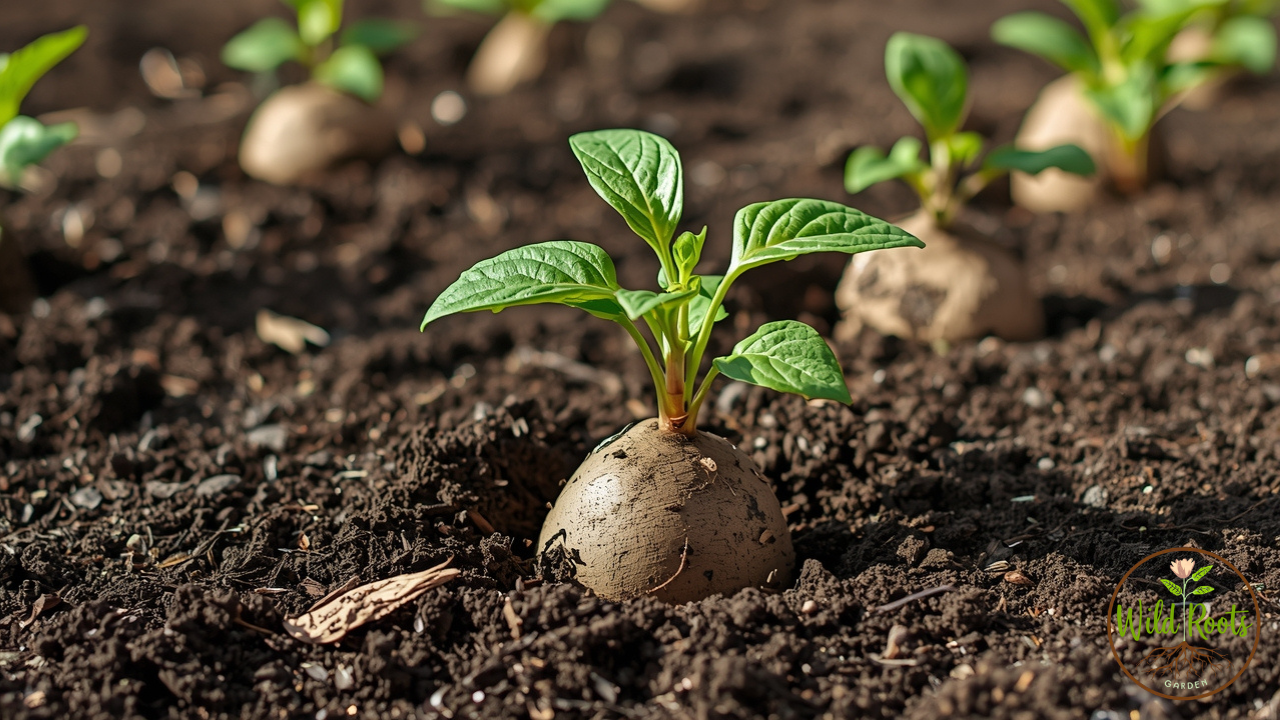
Starting seeds and transplanting seedlings are key steps for a healthy vegetable garden in Florida during August. This period offers warm soil and longer daylight, ideal for many vegetables. Proper seed starting and transplanting set the stage for strong growth and better yields.
Knowing which seeds to start and how to move young plants to the garden helps avoid stress. Careful timing ensures plants develop well before the cooler months arrive. Follow simple techniques to boost your garden success.
Best Seeds For August
Choose seeds that thrive in Florida’s late summer heat. Okra, Southern peas, and bush beans grow well from seed now. Squash and carrots also do well when started this month. These vegetables tolerate warm soil and heavy rains common in August. Select fresh, high-quality seeds for best results.
Transplanting Techniques
Start seedlings indoors or in shade before moving them outside. Water young plants well before transplanting to reduce shock. Dig holes slightly larger than the root ball. Handle roots gently and plant at the same soil depth as before. Water immediately after transplanting to help roots settle. Shade transplants for a few days if the sun is strong.
Timing For Optimal Growth
Plant seeds early in the month for enough warm days to grow. Transplant seedlings when they have 3-4 true leaves and are strong enough. Avoid planting during heavy rain or extreme heat. Check weather forecasts and soil moisture before transplanting. Proper timing helps plants establish quickly and resist pests.

Credit: mylittlegreengarden.com
Soil And Water Management
Managing soil and water properly boosts vegetable growth in Florida’s hot August. Healthy soil holds nutrients and water well. Proper watering keeps plants hydrated without wasting water. Both factors help vegetables resist heat and pests. Good practices improve yield and plant health.
Preparing Florida Soil
Florida soil is sandy and drains quickly. Add organic matter like compost or aged manure. This improves moisture retention and nutrient content. Mix it well into the top 6 to 8 inches of soil. Test soil pH; most vegetables prefer 6.0 to 6.5. Adjust pH with lime for acidity or sulfur for alkalinity. Proper soil prep creates a strong foundation for plants.
Irrigation Strategies
Water deeply and less often to encourage strong roots. Early morning watering reduces evaporation and fungal risk. Use drip irrigation or soaker hoses to deliver water directly to roots. Avoid overhead watering to keep leaves dry. Check soil moisture regularly; it should be moist, not soggy. Correct watering prevents stress and promotes steady growth.
Mulching Benefits
Mulch keeps soil cool and retains moisture during hot days. Organic mulches like straw, leaves, or wood chips break down and add nutrients. Spread 2 to 3 inches around plants but keep mulch away from stems. Mulching reduces weed growth and soil erosion. It creates a better environment for roots and improves vegetable quality.
Pest And Disease Control
Pest and disease control is vital for growing vegetables in Florida during August. Warm and humid weather creates a perfect environment for pests and diseases. Protecting your plants helps ensure a healthy and productive garden. Knowing common pests and using organic solutions can keep your crops safe.
Common August Pests
Florida gardens face many pests in August. Aphids, whiteflies, and spider mites are frequent threats. Caterpillars and beetles also damage leaves and stems. These pests can stunt growth and reduce vegetable yields. Early detection helps stop infestations before they spread.
Organic Pest Solutions
Natural methods work well to control pests in your garden. Neem oil and insecticidal soaps kill many harmful insects safely. Introducing ladybugs and lacewings helps control aphids and mites. Handpicking larger pests like caterpillars reduces damage. Keeping plants healthy boosts their ability to resist pests.
Preventing Diseases
Diseases thrive in Florida’s warm, moist August climate. Rotate crops yearly to lower disease risks. Water plants early in the day to reduce leaf wetness. Remove dead or infected plant parts promptly. Proper spacing improves air circulation and prevents fungal growth. Use disease-resistant vegetable varieties for better results.
Harvesting And Maintenance
Harvesting and maintenance are crucial for a healthy vegetable garden in Florida during August. Proper care ensures plants remain productive and vegetables taste their best. Regular attention helps catch problems early and keeps your garden thriving.
Signs Of Readiness
Watch the size and color of your vegetables closely. Many vegetables show clear signs when they are ready to harvest. For example, tomatoes turn fully red or orange, and beans snap easily when picked. Leafy greens should be crisp and vibrant. Avoid leaving vegetables on the plant too long, as they can become tough or bitter.
Regular Garden Care
Water your plants deeply but not too often to prevent root rot. Mulch around plants to keep soil moist and reduce weeds. Check for pests daily and remove any damaged leaves. Fertilize lightly every few weeks with a balanced fertilizer to support growth. Prune plants like tomatoes to improve air flow and reduce disease risk.
Extending The Growing Season
Use shade cloths to protect plants from extreme heat in late summer. Plant quick-growing vegetables to harvest before cooler weather arrives. Keep the soil healthy by adding compost regularly. Consider growing vegetables in containers to move them as needed. This helps you enjoy fresh produce longer into the fall months.
Companion Planting Ideas
Companion planting helps vegetables grow better and stay healthy. It means planting certain plants close together for support. These plants can improve soil, keep pests away, and attract helpful insects. In Florida’s warm August, good companion planting can boost your garden’s success.
Vegetable Pairings
Tomatoes and basil grow well side by side. Basil improves tomato flavor and repels bugs. Beans and corn also make a good pair. Beans fix nitrogen in the soil, helping corn grow strong. Carrots and onions protect each other from pests. Plant these pairs to get better yields and healthier plants.
Pollinator-friendly Plants
Pollinators like bees and butterflies help vegetables produce fruit. Marigolds, sunflowers, and zinnias attract these insects. Plant them near your vegetables to increase pollination. More pollination means more vegetables. These flowers also add color and beauty to your garden.
Beneficial Herbs
Herbs such as rosemary, thyme, and dill support vegetable growth. Rosemary repels harmful insects like cabbage moths. Thyme attracts tiny wasps that eat garden pests. Dill helps improve the flavor of nearby vegetables. Plant herbs among your vegetables for natural pest control and better taste.

Credit: www.revivalgardening.com
Conclusion
Growing vegetables in Florida during August can be rewarding and fun. Choose heat-tolerant plants like okra, peppers, and eggplants. These vegetables handle the warm weather well and grow quickly. Water regularly and give them plenty of sunlight. Using the right soil helps your garden thrive.
Keep pests away by checking plants often. Harvest your crops when they are fresh and full of flavor. With simple care, your August garden will bring tasty, healthy food. Start planting today and enjoy homegrown vegetables all season long.