Growing vegetables in Florida during the summer can feel like a challenge. The heat, humidity, and intense sun make many plants struggle.
But what if you knew exactly which vegetables thrive in these conditions? Imagine harvesting fresh, homegrown produce all summer long without the frustration of wilted leaves or failed crops. You’ll discover the best vegetables to grow in Florida’s summer heat—easy-to-grow, heat-tolerant varieties that will turn your garden into a vibrant, productive oasis.
Ready to make your summer garden a success? Keep reading to find out how!
Credit: www.foodgardenlife.com
Summer Veggies For Florida
Summer in Florida brings intense heat and humidity. Growing vegetables during this season requires selecting varieties that thrive under such conditions. Choosing the right summer veggies ensures a healthy and productive garden. Here are some top picks for Florida gardeners to consider.
Heat-tolerant Choices
Some vegetables stand strong in Florida’s summer heat. Okra is one of the best, as it loves hot weather and produces pods quickly. Southern peas, like black-eyed peas, also do well and fix nitrogen in the soil. Sweet potatoes grow vigorously and handle heat and drought. These crops need full sun and well-drained soil for the best results.
Popular Easy Growers
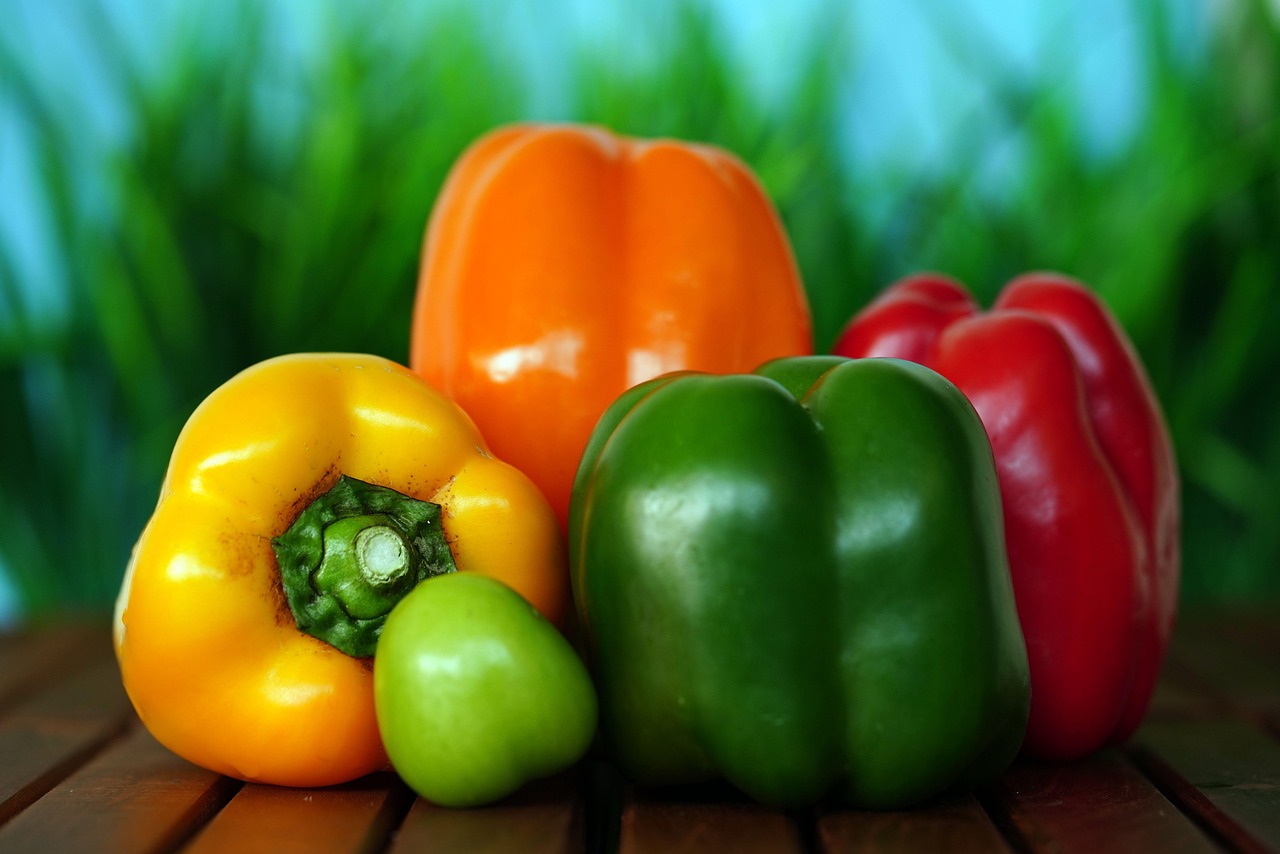
Tomatoes, especially heat-tolerant varieties, are favorites among Florida gardeners. Cherry tomatoes produce fruit faster and resist some diseases. Peppers, including bell and hot types, enjoy the warm climate. Cucumbers grow well if given plenty of water and shade during peak heat. These vegetables are beginner-friendly and reward gardeners with fresh, tasty harvests.
Tropical Varieties
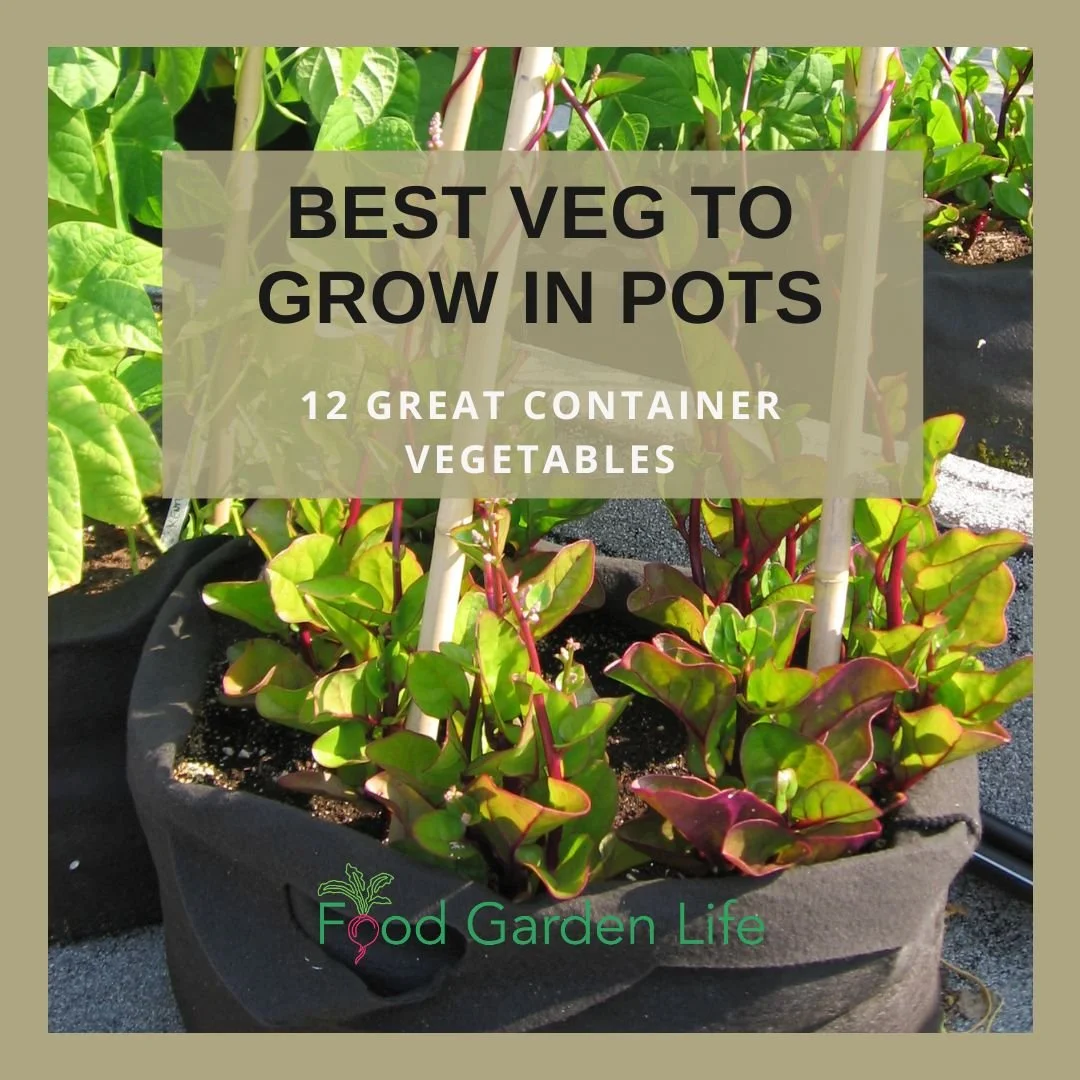
Florida’s climate suits tropical vegetables perfectly. Malabar spinach is a leafy green that loves heat and provides a unique taste. Yardlong beans climb quickly and produce long pods throughout summer. Chayote squash thrives in warm weather and offers a mild flavor. These tropical plants add variety and nutrition to the summer garden.

Credit: www.revivalgardening.com
Top Picks For Success
Choosing the right vegetables for Florida’s summer gardens ensures a fruitful harvest. The heat and humidity challenge many plants, but some thrive under these conditions. These top picks grow well and resist pests and diseases common in summer. They offer fresh, nutritious produce that fits Florida’s climate perfectly.
Okra And Its Benefits
Okra loves hot weather and grows fast in Florida summers. It produces tall plants with edible seed pods. Okra pods are rich in fiber, vitamins, and antioxidants. This vegetable supports digestion and boosts the immune system. Okra also helps improve soil by adding organic matter when leaves drop. It requires full sun and well-drained soil to thrive.
Growing Sweet Potatoes
Sweet potatoes are heat-tolerant and ideal for Florida gardens. They grow best in loose, sandy soil with good drainage. Sweet potatoes need long, warm growing seasons and plenty of water. Their tubers are packed with vitamin A and provide lasting energy. Growing sweet potatoes also helps control weeds because their vines cover the soil quickly. Harvest them before the first frost for best taste.
Tomatoes And Peppers
Tomatoes and peppers are summer favorites in Florida gardens. Choose heat-resistant tomato varieties to avoid blossom drop. Peppers thrive in warm weather and come in many spicy and sweet types. Both plants need regular watering and fertilizer for strong growth. They offer vitamins C and A and add flavor to meals. Plant them in areas with full sun and good air flow.
Cucumbers And Beans
Cucumbers grow well in Florida’s summer heat with proper care. They require trellises or space to spread. Beans, especially pole beans, are good companions as they fix nitrogen in the soil. Both vegetables provide fresh, crunchy produce rich in nutrients. Regular watering and mulch help keep the soil moist and reduce weeds. Pick cucumbers and beans often to encourage more harvest.
Planting Tips
Growing vegetables in Florida during the summer requires smart planting practices. The heat and humidity can be challenging for many plants. Preparing the soil well, watering correctly, and controlling pests keep your garden healthy and productive. Follow these tips to enjoy a bountiful summer vegetable harvest.
Soil Preparation
Start with rich, well-draining soil. Remove weeds and loosen the soil to a depth of at least 12 inches. Mix in organic compost or aged manure to add nutrients. Test the soil pH; most vegetables prefer a pH between 6.0 and 6.8. Adjust the pH with lime or sulfur if needed. Good soil helps roots grow strong and absorb water and nutrients.
Watering Techniques
Water deeply but less often to encourage strong roots. Early morning watering reduces evaporation and leaf diseases. Use drip irrigation or soaker hoses to deliver water directly to roots. Avoid wetting leaves to prevent fungal growth. Mulch around plants to keep soil moist and cool. Check soil moisture regularly to avoid overwatering or drought stress.
Pest And Disease Control
Inspect plants regularly for pests like aphids, whiteflies, and caterpillars. Handpick large pests or spray with insecticidal soap. Use row covers to protect young plants. Remove diseased leaves and dispose of them away from the garden. Rotate crops each year to prevent soil-borne diseases. Healthy plants resist pests and diseases better.

Credit: floridafarmfamily.com
Timing Your Garden
Timing your garden is key to growing vegetables successfully in Florida’s summer heat. Planting at the right time helps plants avoid extreme temperatures and thrive. Planning your garden calendar ensures steady harvests and healthy crops.
Best Months To Plant
Plant summer vegetables in Florida from late February to early April. This window gives plants time to grow before the hottest months arrive. Crops like tomatoes, peppers, and beans do well when planted early. Avoid planting too late to prevent heat stress on young plants.
Seasonal Considerations
Florida’s climate changes quickly from spring to summer. High heat and humidity can affect plant growth and pest problems. Water your garden deeply and often during dry spells. Use mulch to keep soil moist and cool. Watch for signs of heat stress and adjust care as needed.
Using Fall For Cool Crops
Fall is great for growing cooler-season vegetables in Florida. Plant leafy greens, broccoli, and carrots in September or October. These crops handle mild winters and produce well as temperatures drop. Fall gardens extend your growing season and offer fresh vegetables through winter.
Maximizing Growth
Maximizing growth for summer vegetables in Florida requires careful attention. The hot climate and strong sun can challenge plants. Providing the right conditions helps vegetables thrive. Focus on sunlight, fertilizing, and space to boost growth and yield.
Sunlight Needs
Most summer vegetables need full sun to grow well. They require at least six to eight hours of direct sunlight daily. Place your garden where it can get this light. Avoid shaded areas under trees or buildings. Sunlight helps plants produce energy and grow faster. Monitor your garden to ensure plants get enough light.
Fertilizing Tips
Use balanced fertilizer to give plants essential nutrients. Nitrogen, phosphorus, and potassium support leaf, root, and flower growth. Apply fertilizer before planting to enrich the soil. During growth, feed plants every few weeks for steady nutrition. Organic options like compost or fish emulsion work well. Avoid over-fertilizing, which can harm plants and reduce yield.
Space And Support
Give each vegetable enough space to grow healthy roots and leaves. Crowded plants compete for water, nutrients, and sunlight. Follow seed packet spacing instructions carefully. Use stakes, cages, or trellises to support tall or vining plants. Support keeps vegetables off the ground and reduces disease risk. Proper spacing and support create better airflow around plants.
Native And Pollinator-friendly Plants
Growing native and pollinator-friendly plants in Florida’s summer gardens brings many benefits. These plants thrive in the local climate and support the environment. They attract bees, butterflies, and other pollinators essential for healthy vegetable crops. Choosing native species helps maintain the natural balance and enriches your garden’s ecosystem.
Supporting Local Wildlife
Native plants provide food and shelter for local wildlife. Bees and butterflies rely on these plants for nectar and pollen. Birds find seeds and safe nesting spots. Supporting pollinators improves vegetable yields and garden health. Creating a welcoming habitat encourages more wildlife to visit and stay.
Incorporating Native Species
Native plants are adapted to Florida’s hot summers and sandy soils. They need less water and fewer chemicals than exotic plants. Examples include coral honeysuckle, coontie, and passionflower. These species blend well with vegetables and boost pollination naturally. Including them reduces maintenance while increasing garden resilience.
Balancing Aesthetics And Function
Native plants add beauty and purpose to summer gardens. Their flowers bring vibrant colors and varied textures. They complement vegetables and create a lively garden space. Using pollinator-friendly plants balances looks with ecosystem benefits. This approach makes your garden both attractive and productive.
Conclusion
Growing vegetables in Florida’s summer heat can be rewarding. Choose plants like okra, sweet potatoes, and eggplants. These veggies handle the warmth and humidity well. Water them regularly and use mulch to keep soil moist. Watch for pests and remove them early.
With care, you can enjoy fresh, homegrown produce all summer long. Start your garden today and see how these vegetables thrive. Gardening in Florida’s summer is simple and satisfying. Give it a try!