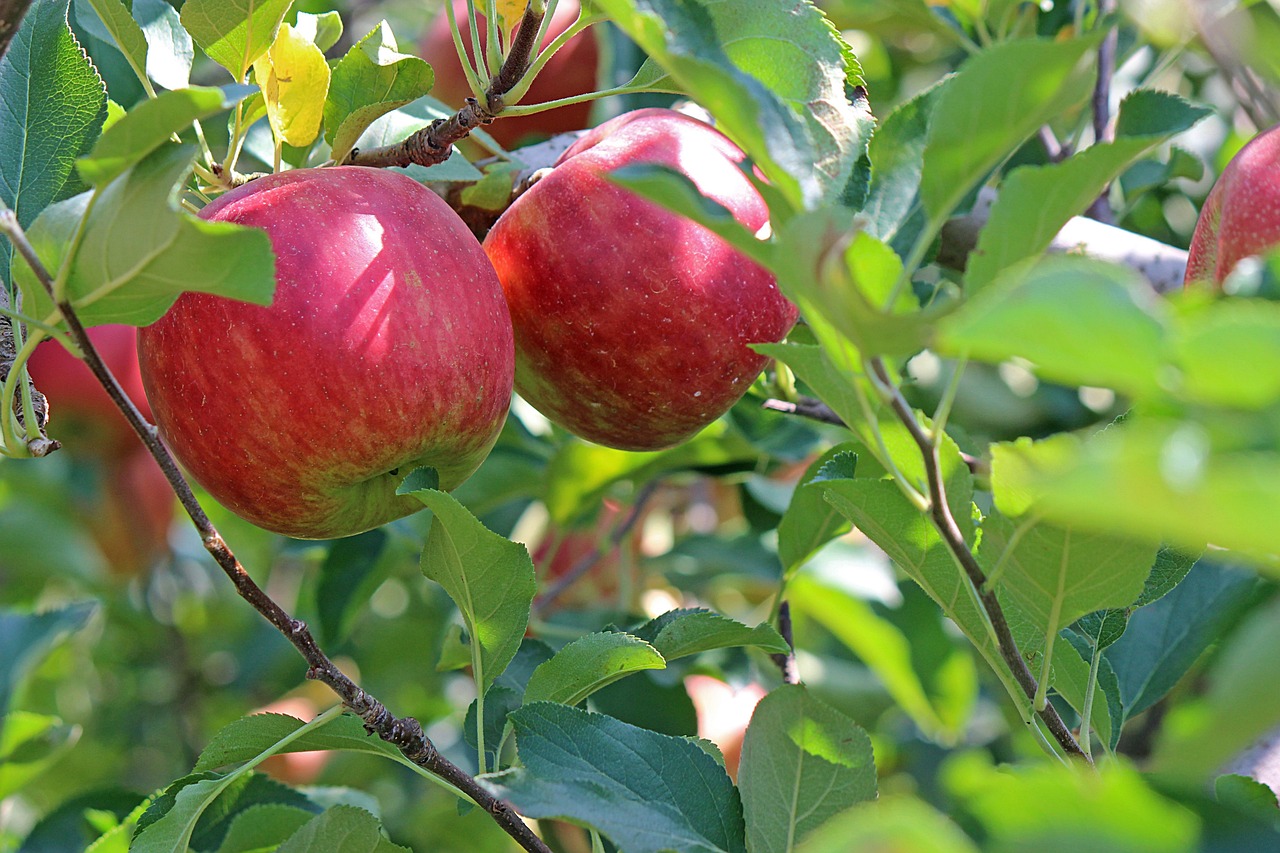
If you’ve ever dreamed of picking crisp, juicy apples right from your own backyard in Florida, you might wonder which apple tree will thrive best in the Sunshine State’s unique climate. Growing apple trees here isn’t as simple as planting the most popular variety—you need the right type that can handle Florida’s heat and humidity.
But don’t worry, you’re in the right place. You’ll discover the best apple trees suited for Florida’s weather, how to care for them, and tips to help your tree flourish. Keep reading, and you’ll be one step closer to enjoying fresh, homegrown apples no matter where you live in Florida!
Climate Challenges For Apple Trees
Growing apple trees in Florida presents special climate challenges. These trees usually need cold winters to thrive. Florida’s warm weather often lacks enough chilling hours. This affects how well apple trees bloom and produce fruit. Understanding Florida’s climate helps pick the right apple tree varieties.
Florida’s Unique Weather
Florida has a warm, humid climate. Winters are mild with few cold days. Summers are long, hot, and wet. This weather is very different from traditional apple-growing areas. The lack of cold can stop apple trees from entering dormancy. Trees may not bloom properly without enough chill hours. High humidity can also increase disease risks. These factors make growing apples tricky.
Impact On Apple Growth
Apple trees need a certain number of chilling hours below 45°F. Florida’s low chill hours reduce fruit set and quality. Trees may produce small or misshapen apples. Flowering can be uneven and late. The heat stresses trees during summer, lowering fruit yield. Pests and diseases thrive in warm, humid conditions. Choosing low-chill apple varieties can improve success. Proper care and site selection also help apple trees grow well in Florida.
Top Apple Varieties For Florida
Florida’s warm climate challenges many apple varieties. Choosing the right apple tree helps ensure healthy growth and good fruit. Some varieties need less cold weather to produce fruit. Others resist common diseases that affect apple trees in humid areas. Beginners benefit from easy-care varieties with reliable yields. Below are the top apple varieties for Florida gardeners.
Low-chill Varieties
Low-chill apple trees need fewer hours of cold weather. They suit Florida’s mild winters. ‘Anna’ is a popular choice. It produces sweet, crisp apples early in the season. ‘Dorsett Golden’ grows well and bears fruit quickly. These trees handle heat better than traditional apples. They start fruiting with as little as 200 chill hours.
Disease-resistant Types
Florida’s humidity can cause apple diseases. Choosing resistant varieties reduces problems. ‘Liberty’ stands out for its strong resistance to apple scab and fire blight. ‘Enterprise’ also fights common diseases well. These trees need fewer sprays and less care. They stay healthy and keep producing fruit for many years.
Recommended Varieties For Beginners
Some apple trees are easier to grow than others. ‘Golden Delicious’ is beginner-friendly. It adapts to different soils and climates. ‘Fuji’ offers sweet, crunchy fruit with simple care. These trees tolerate Florida’s heat and produce steady harvests. Beginners find them rewarding and less demanding.
Planting Tips For Florida Apple Trees
Growing apple trees in Florida requires special care. The warm climate and unique soil need attention. Proper planting helps trees grow strong and produce fruit well. Follow these simple tips to start your apple tree right.
Understanding when and how to plant will save time and effort. This guide covers the best planting times, soil preparation, and site selection for Florida apple trees.
Best Planting Times
Plant apple trees in Florida during their dormant period. This usually falls between January and early March. Cooler months help roots settle before heat arrives. Avoid planting in hot, dry weather to reduce stress on young trees.
Soil Preparation
Test soil pH before planting. Apple trees prefer slightly acidic soil with a pH between 6.0 and 6.5. Add organic matter like compost to improve soil texture and drainage. Clear the area of weeds and debris to prevent competition. Well-drained soil stops root rot and promotes healthy growth.
Site Selection
Choose a sunny spot with at least six hours of direct sunlight daily. Avoid low areas where water can collect and cause root damage. Good air circulation helps prevent diseases. Space trees at least 15 feet apart for proper growth and airflow.

Credit: floridafruitgeek.com
Care And Maintenance
Growing apple trees in Florida needs regular care to stay healthy and productive. Proper care helps trees handle Florida’s warm climate and unique challenges. Understanding watering, pruning, and pest control ensures strong growth and tasty fruit.
Watering Needs
Apple trees need deep watering to reach their roots. Water the tree once or twice a week during dry spells. Avoid overwatering, which can cause root rot. Mulch around the base to keep soil moist and cool. Check soil moisture regularly to adjust watering.
Pruning Techniques
Pruning helps apple trees grow well and produce more fruit. Trim dead or damaged branches in late winter. Cut back crowded branches to allow light and air inside the tree. Use sharp, clean tools to make clean cuts. Prune young trees to shape them for strong structure.
Pest And Disease Control
Keep apple trees healthy by watching for pests and diseases. Inspect leaves and fruit often for signs of bugs or spots. Use natural or chemical sprays as needed to protect trees. Remove fallen leaves and fruit to reduce disease risk. Good air flow and sunlight also prevent many problems.
Harvesting And Storage
Harvesting and storing apples grown in Florida requires careful attention. The hot and humid climate affects how apples ripen and how long they stay fresh. Proper timing and methods help keep the fruit tasty and firm. Learn the best signs to pick your apples, how to harvest them gently, and ways to store them for lasting freshness.
Signs Of Ripeness
Check apple color closely. It changes from green to a lighter shade or red, depending on variety. Feel the fruit; ripe apples are firm but not hard. Smell the apple near the stem; a sweet aroma means it is ready. Taste tests on a few apples help confirm if they are sweet enough. Watch for ease of picking—ripe apples come off the tree with a gentle twist.
Harvest Methods
Use hands, not tools, to avoid bruising apples. Twist and lift apples gently from the branch. Pick apples one by one to keep them intact. Place fruit softly in baskets or bins with padding. Avoid stacking apples too high to prevent crushing. Harvest early in the day when temperatures are cooler to keep apples fresh longer.
Storage Tips For Freshness
Store apples in a cool, dry place away from direct sunlight. Ideal temperature is between 30°F and 40°F with high humidity. Use perforated plastic bags or containers to keep moisture balanced. Keep apples away from strong-smelling foods to avoid flavor absorption. Check stored apples regularly and remove any that show signs of rot. Proper storage can extend apple freshness for several weeks.
Credit: livingcolorgardencenter.net
Common Challenges And Solutions
Growing apple trees in Florida presents unique challenges. The state’s warm climate and soil conditions differ from traditional apple-growing regions. These factors require special attention to keep trees healthy and productive. Understanding common problems helps gardeners find effective solutions. This section covers key challenges and practical ways to manage them.
Dealing With Heat Stress
Florida’s heat can stress apple trees and reduce fruit quality. High temperatures cause leaves to wilt and drop early. To protect trees, provide afternoon shade using taller plants or shade cloth. Water trees deeply and regularly to keep soil moist but not soggy. Mulching around the base helps retain moisture and cool roots. Choose heat-tolerant apple varieties to improve survival in hot weather.
Managing Pests Unique To Florida
Florida’s environment favors pests like aphids, scale insects, and fruit flies. These pests damage leaves, stems, and fruit. Inspect trees weekly for signs of infestation. Use insecticidal soaps or neem oil for safe pest control. Encourage beneficial insects like ladybugs and lacewings to keep pest numbers low. Removing fallen fruit and pruning weak branches reduce breeding sites.
Handling Soil And Nutrient Issues
Florida’s sandy soil often lacks essential nutrients for apple trees. Poor soil drains quickly and holds little water. Add organic compost to improve soil structure and fertility. Test soil every year to monitor pH and nutrient levels. Apple trees prefer slightly acidic soil with a pH around 6.0 to 6.5. Fertilize with balanced, slow-release formulas to support steady growth. Avoid over-fertilizing, which can harm roots and reduce fruit yield.
Alternative Fruit Trees For Florida Gardens
Florida’s warm climate challenges traditional apple growing. Not all apple trees thrive here. Gardeners benefit from exploring alternative fruit trees. These trees suit Florida’s heat, humidity, and soil better. They require less care and still produce tasty fruit. Planting a variety helps maintain a healthy garden. It supports local wildlife and prevents disease spread.
Other Low-maintenance Fruit Trees
Citrus trees like oranges, lemons, and limes grow well in Florida. They handle heat and humidity with little fuss. Guava trees are tough and produce fruit all year. Papaya trees grow quickly and bear sweet fruit in months. Jujube trees are drought-resistant and thrive in North Florida. Persimmon trees offer unique fruit and need little care. Mulberry and fig trees grow fast and tolerate poor soil. Loquat trees provide early spring fruit and attract pollinators. Blueberries need acidic soil but are easy to grow once established. These trees fit well in Florida gardens and offer variety.
Complementary Plants For Apple Orchards
Plant herbs like mint and thyme around apple trees. They repel pests and attract beneficial insects. Flowers such as marigolds and nasturtiums improve pollination. Cover crops like clover enrich the soil and prevent weeds. Mulching with straw or wood chips keeps roots cool and moist. Companion plants help apple trees grow stronger and healthier. They create a balanced ecosystem in the garden. This reduces the need for chemicals and extra watering.
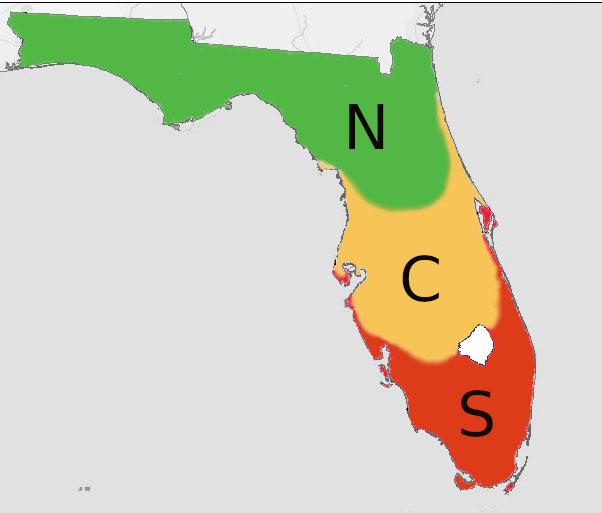
Credit: floridafruitgeek.com
Conclusion
Choosing the best apple tree for Florida depends on climate and care. Trees like Liberty and Golden Delicious suit beginners well. Plant during late winter for strong root growth. These apple trees handle heat and humidity better than others. Growing apples in Florida is rewarding with the right variety.
Enjoy fresh fruit from your own garden each season. Start small, watch your tree grow, and harvest tasty apples.