If you’re thinking about growing avocados in Florida, choosing the right variety is key to your success. Not all avocados thrive in Florida’s hot, humid climate, so picking the best type can make a huge difference in your harvest.
You want a tree that not only grows well but also produces delicious fruit suited to your taste. You’ll discover the top avocado varieties that flourish in Florida’s unique environment. Whether you’re a beginner or an experienced gardener, knowing which avocado to plant will save you time and effort while bringing fresh, homegrown avocados to your table.
Keep reading to find out which avocado variety is perfect for your Florida garden!
Florida Avocado Types
Florida avocados differ from the popular Hass avocados. They are adapted to Florida’s warm and humid climate. These avocados usually have larger fruits and smoother, bright green skin. Their flavor is milder and less oily than Hass. Several types thrive well across the state. Each type offers unique traits suited for different gardening needs.

West Indian Varieties
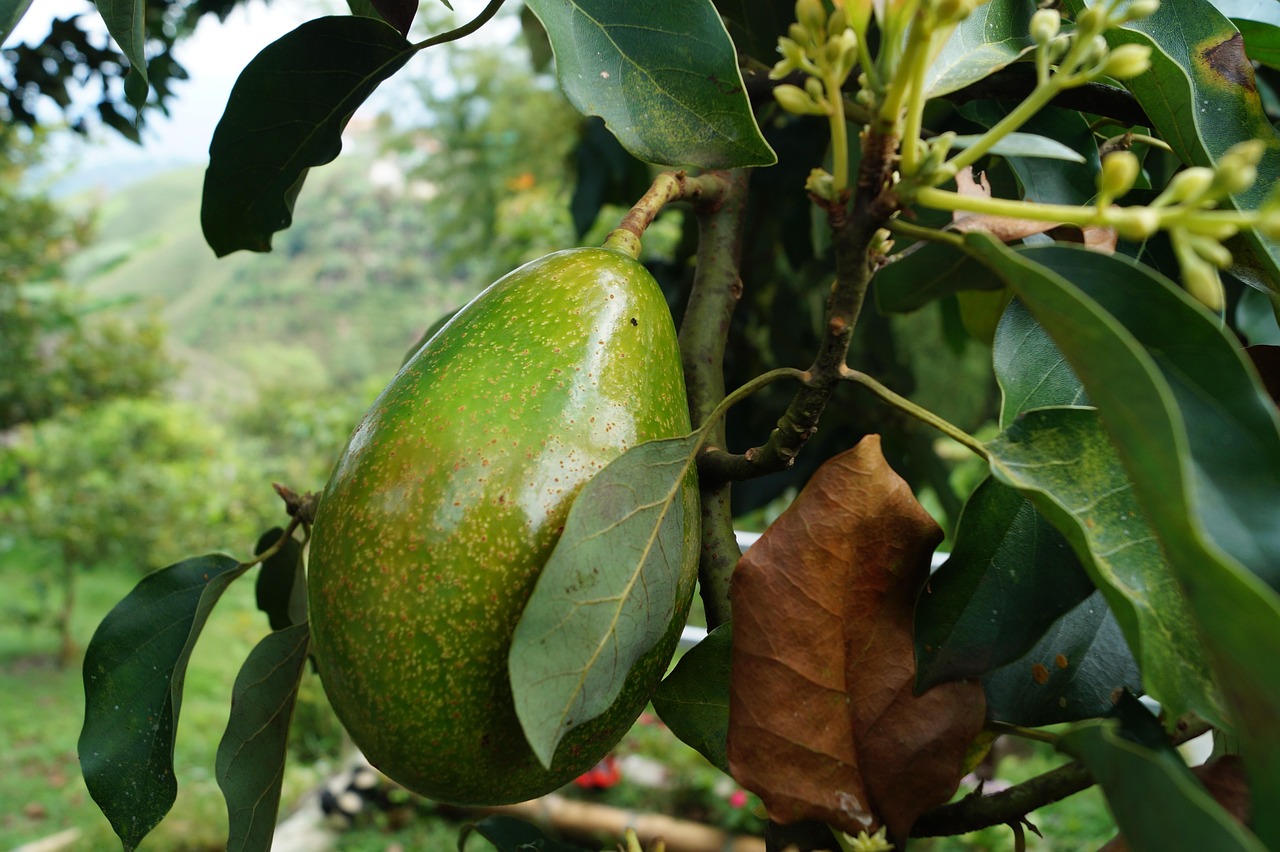
West Indian avocados are the most common in Florida. They have large fruits with smooth, glossy green skin. These varieties tolerate heat and humidity well. Their flesh is creamy but contains less oil than other types. Examples include Pollock and Lula. West Indian types are great for fresh eating and salads.
Guatemalan-west Indian Hybrids
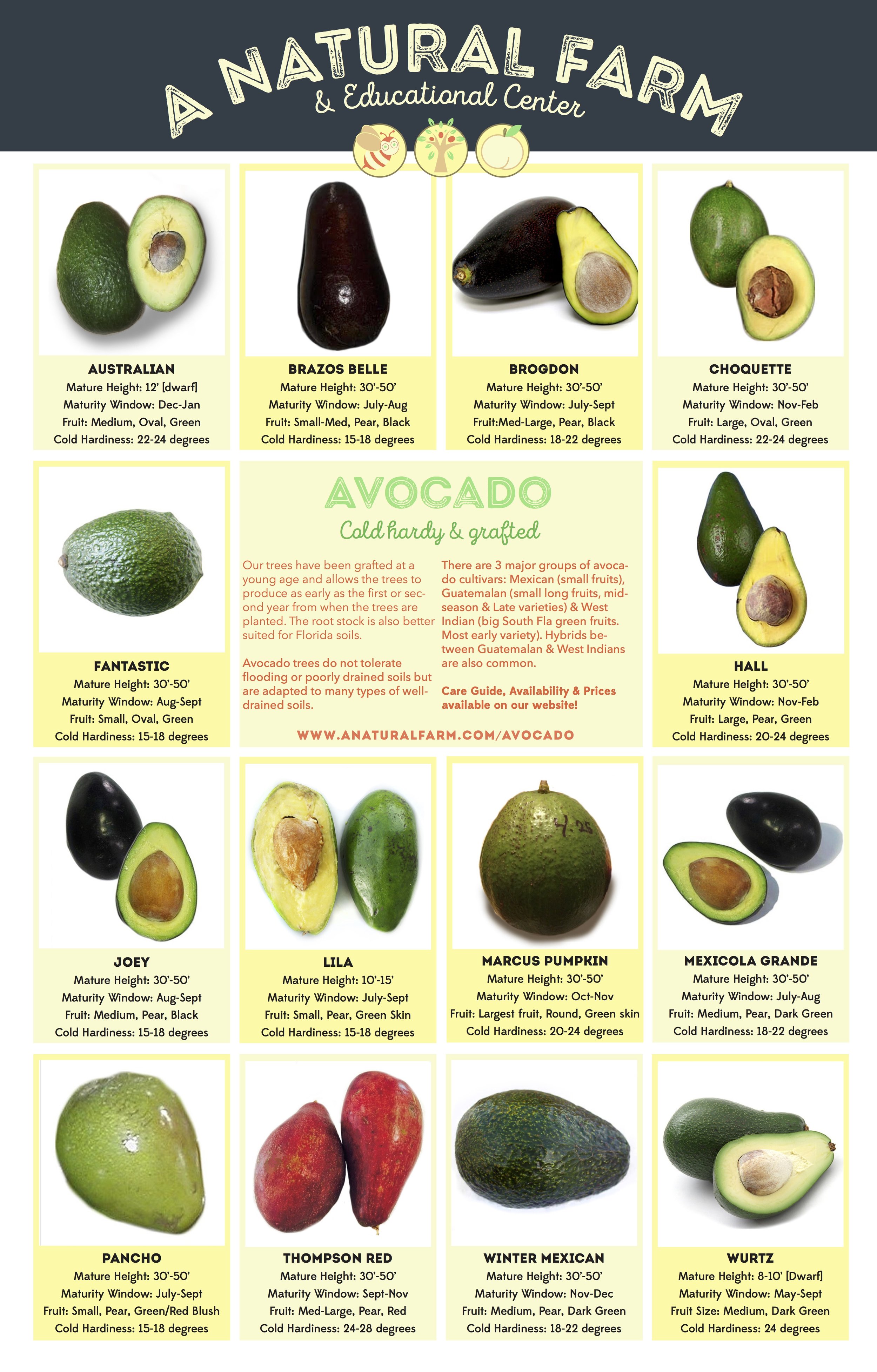
These hybrids combine traits from Guatemalan and West Indian avocados. They usually have thicker skin and richer flavor. Hybrids handle cold better than pure West Indian types. Monroe and Choquette are popular hybrids in Florida. They produce high yields and suit home gardens and small farms.
Comparison With Hass Avocados
Hass avocados have dark, rough skin that turns black when ripe. Florida types have smooth, bright green skin that stays green. Hass contains more oil, giving it a richer flavor. Florida varieties taste milder and slightly sweet. Hass trees prefer cooler, drier climates. Florida avocados thrive in warm, humid conditions. This makes Florida types better for local growers.
Top Florida Varieties
Florida’s climate shapes the best avocado varieties for local growers. These avocados differ from the popular Hass variety. They have smooth, green skin and a milder flavor. Each variety thrives in Florida’s humid and warm environment. Here are the top Florida avocado varieties to consider for your garden.
Pollock
Pollock is an early-season variety. It produces very large fruits with smooth green skin. The taste is mild and slightly nutty. This tree grows well in warm, humid areas. Pollock is a reliable choice for Florida gardeners.
Russell
Russell avocado trees bear medium to large fruit. The skin is smooth and bright green. The flavor is mild and creamy. This variety adapts well to Florida’s climate. It offers good yields for home growers.
Choquette
Choquette is highly productive with glossy green skin. The fruit is large and has a mild, nutty flavor. It resists common diseases in Florida. Choquette trees grow vigorously in humid conditions.
Monroe
Monroe is a popular commercial variety. It is known for cold hardiness and steady production. The fruit is medium-large with smooth, green skin. Monroe thrives in Florida’s subtropical climate.
Donnie
Donnie produces medium-sized fruit with bright green skin. The flavor is mild and slightly sweet. Trees grow well in warm areas with good humidity. Donnie is a good choice for backyard gardens.
Hardee
Hardee offers high production but low cold tolerance. Its fruit has a unique red tint when ripe. The skin is smooth and thin. This variety suits warmer parts of Florida best.
Dupuis
Dupuis avocado trees yield medium to large fruit. The skin is smooth and green. The flavor is creamy with a slight sweetness. Dupuis adapts well to Florida’s humid environment.
Lula
Lula is a long-standing commercial variety. It produces good-quality fruit with a slightly sweet taste. The skin is smooth and green. Lula trees have strong production in Florida’s climate.
Simmonds
Simmonds is an early-season variety with smooth green skin. It is one of the most common Florida avocados. The flavor is mild and creamy. This variety suits home growers and small farms.
Brogdon
Brogdon is sometimes called the “Hass of the South.” It has dark, black skin unlike most Florida varieties. Brogdon offers good disease and cold tolerance. The flavor is rich and buttery. It is a strong choice for Florida growers.
Climate Adaptation
Choosing the best avocado variety for Florida involves understanding how well it adapts to the state’s unique climate. Florida’s hot, humid summers and occasional cold snaps pose challenges for avocado trees. Varieties that thrive here must handle these conditions without losing fruit quality or yield. Climate adaptation includes tolerance to heat and humidity, cold hardiness, and resistance to diseases common in Florida’s environment.
Heat And Humidity Tolerance
Florida’s summers are hot and humid, which can stress many plants. Avocado varieties that grow well here handle high temperatures and moisture without wilting. Varieties like Choquette and Lula perform well because they resist heat stress. These trees keep producing fruit even during long, hot spells. Their leaves stay healthy and do not drop easily, ensuring steady growth.
Cold Hardiness
Although Florida is mostly warm, some areas face occasional cold snaps. Avocado trees must survive brief drops in temperature near freezing. Monroe and Brogdon are known for better cold tolerance. They can withstand light frosts without serious damage. Choosing cold-hardy varieties reduces the risk of losing trees during unexpected cold weather.
Disease Resistance
Florida’s humid climate encourages fungal and bacterial diseases. Avocado varieties must resist common pests and diseases to stay healthy. Brogdon is praised for its strong disease resistance. This reduces the need for chemical sprays and lowers maintenance. Disease-resistant varieties save time and protect your avocado crop from losses.
Fruit Characteristics
Understanding the fruit characteristics helps choose the best avocado variety for Florida gardens. Each variety shows unique traits in skin, size, flavor, and oil content. These features affect taste, appearance, and how well the fruit grows in Florida’s climate. Knowing these differences guides growers to pick varieties that fit their needs.
Skin Texture And Color
Florida avocados usually have smooth, bright green skin. This texture differs from the rough, pebbly skin of Hass avocados. The green skin stays vibrant even when ripe. Some varieties, like Hardee, show a reddish tint as they mature. Smooth skin makes these avocados easy to clean and handle.
Size And Shape
Florida avocado fruits tend to be larger than Hass varieties. Shapes range from round to pear-like forms. Pollock avocados can grow very big, sometimes weighing over two pounds. Smaller varieties, like Simmonds, offer more manageable sizes for home use. This size variety suits different preferences and uses.
Flavor Profiles
Florida avocados usually have a mild, slightly sweet flavor. Some varieties, such as Choquette, offer a nutty taste. The flavor is less rich than Hass but often fresher and lighter. Lula avocados have a subtle sweetness that appeals to many. These gentle flavors work well in salads and spreads.
Oil Content Differences
Florida avocados have lower oil content than California Hass types. This makes the fruit less creamy but lighter in calories. Lower oil also means a less fatty texture. Brogdon, a Florida hybrid, has higher oil content than other local types. Oil level affects taste and how the fruit reacts in cooking.
Growing Tips For Florida
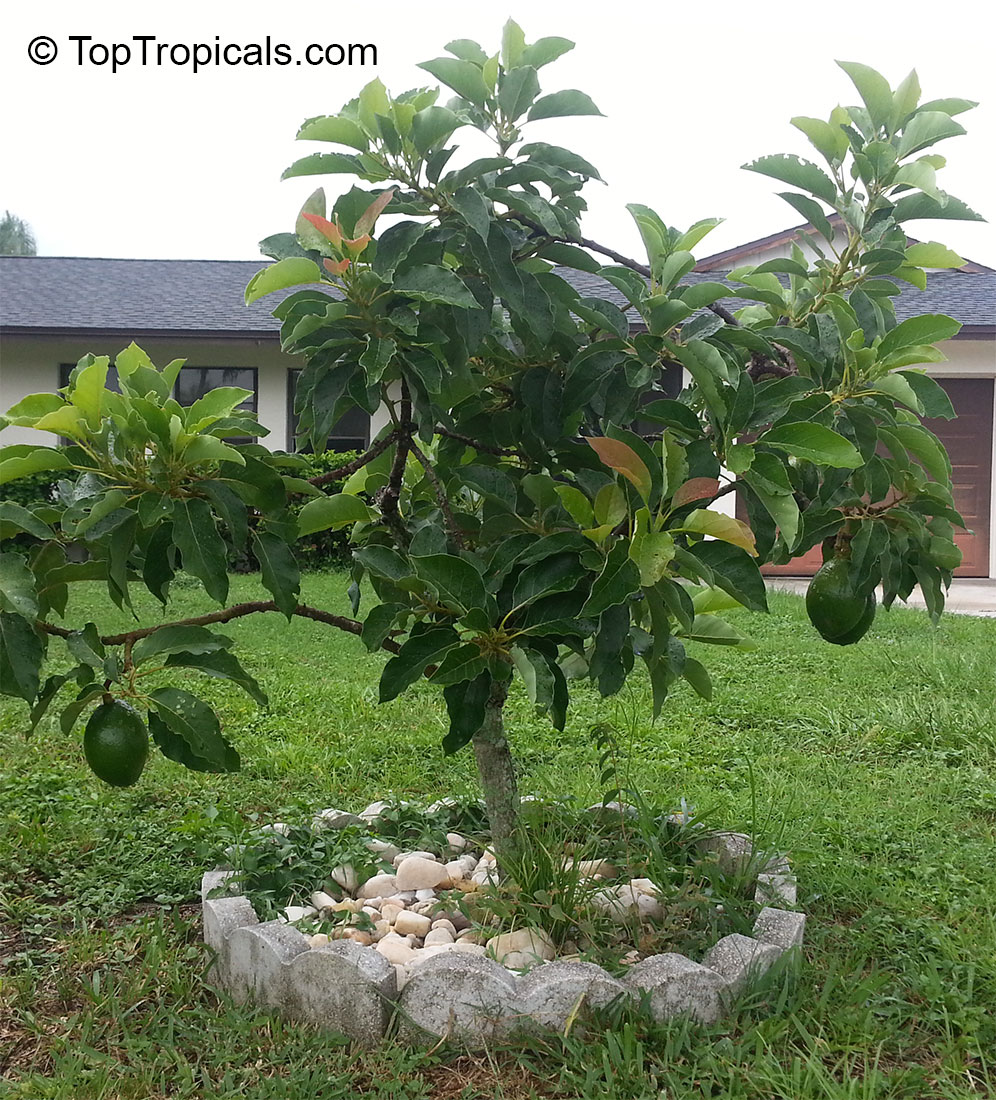
Growing avocados in Florida requires some care and attention. The state’s warm and humid climate suits certain avocado varieties best. Knowing how to plant and care for your tree helps it thrive. This section covers essential tips for growing avocados successfully in Florida.
Planting Location
Choose a sunny spot with good air flow. Avoid low areas where water can collect. Plant trees away from strong winds to prevent damage. Make sure the location has enough space for the tree to grow wide and tall.
Soil Requirements
Avocados prefer well-drained soil to prevent root rot. Sandy or loamy soils work best in Florida. Test your soil pH and keep it between 6 and 7. Add organic matter to improve soil structure and nutrients. Avoid heavy clay soils or areas that stay wet after rain.
Watering Practices
Water young trees deeply and regularly to help roots establish. Mature trees need less frequent watering but ensure soil stays moist. Avoid overwatering, which can cause root problems. Use mulch around the base to keep soil moist and cool. Adjust watering during dry or rainy seasons.
Pest And Disease Management
Inspect trees regularly for pests like mites, scales, and borers. Use natural predators or insecticidal soap to control pests safely. Watch for diseases such as root rot and anthracnose. Remove and destroy affected leaves or fruit quickly. Maintain good air flow and avoid wet foliage to reduce disease risk.
Credit: toptropicals.com
Harvesting And Storage
Harvesting and storing avocados properly ensures the best taste and longest shelf life. Florida avocado varieties require careful attention during harvest. Knowing when to pick and how to store the fruit keeps it fresh and flavorful. This section explains ripening signs, optimal harvest times, and storage techniques for Florida avocados.
Ripening Indicators
Florida avocados do not ripen well on the tree. They ripen best after picking. Look for fruit that feels firm but slightly soft when gently squeezed. The skin should be bright green and free of dark spots. A slight change in color or softness means the fruit is ready to pick or soon will be.
Best Harvest Time
Harvest avocados when they reach full size and maturity. This time varies by variety but usually falls between late summer and early winter. Pick fruit in dry weather to avoid mold. Use clippers or scissors to cut the stem, leaving a small piece attached. Avoid pulling fruit to prevent damage.
Storage Methods
Store unripe avocados at room temperature. Keep them away from direct sunlight. To speed ripening, place avocados in a paper bag with a banana or apple. Once ripe, move them to the refrigerator to slow down spoilage. Store ripe fruit in a plastic bag or airtight container. Check regularly for soft spots or mold.
Popular Uses
Florida avocados have many popular uses in kitchens and markets. Their mild flavor and creamy texture make them versatile. People enjoy these avocados fresh or in cooked dishes. Their lower oil content suits those seeking lighter options. These fruits also hold up well in warm climates, making them ideal for Florida growers.
Understanding how these avocados fit into culinary and market uses helps growers choose the best variety.
Culinary Applications
Florida avocados work well in many recipes. They are great for slicing into salads or spreading on toast. Their mild taste pairs nicely with fresh vegetables and seafood. The creamy texture blends smoothly into dips and sauces. Chefs often use them in guacamole, sandwiches, and smoothies. Cooking with Florida avocados adds richness without overpowering other flavors.
Market Preferences
Shoppers like Florida avocados for their bright green skin and mild flavor. They look fresh and appealing on grocery shelves. Buyers prefer these avocados for daily use because they taste less fatty than Hass types. The larger size of Florida avocados also attracts consumers who want more fruit per piece. Markets in Florida and nearby states often stock these varieties for local sales.
Recipe Ideas
Try a fresh avocado salad with lime and tomatoes. Mash Florida avocados with herbs for a simple dip. Add sliced avocado to grilled chicken sandwiches for extra creaminess. Blend them into smoothies with banana and spinach for a healthy treat. Bake avocado halves with eggs for a nutritious breakfast. These recipes highlight the fruit’s smooth texture and mild flavor.
Credit: www.anaturalfarm.com
Credit: gardeningsolutions.ifas.ufl.edu
Conclusion
Choosing the right avocado variety makes growing easier in Florida’s climate. Florida varieties like Choquette and Monroe thrive in heat and humidity. They produce tasty, green-skinned fruit with mild flavors. These trees resist local pests and diseases well. Growing them ensures fresh avocados at home year-round.
Start with a healthy tree and good care. Enjoy the rewards of your own avocado harvest soon.