Embark on a journey to transform your Florida landscape with the most captivating Florida Aristolochia varieties. These unique plants, often called Dutchman’s Pipe or Pipevine, are not just visually stunning; they are vital host plants for the magnificent Pipevine Swallowtail butterfly, adding dynamic beauty and ecological value to your garden.
Florida’s warm climate offers an ideal home for a range of beautiful plants, and among them, the Aristolochia genus stands out. Known for its distinctive, often pipe-shaped flowers and lush foliage, Aristolochia brings an exotic touch and significant ecological benefits to any Florida garden. Beyond their unique aesthetics, many species serve as crucial host plants for the striking Pipevine Swallowtail butterfly, turning your garden into a vibrant, living ecosystem. This guide will explore the top Aristolochia varieties perfectly suited for the Sunshine State, offering insights into their care, features, and how they can enhance your outdoor space.

Why Choose Aristolochia for Your Florida Garden?
Integrating Aristolochia into your Florida garden offers a wealth of benefits, from supporting local ecosystems to providing year-round visual interest.
A Haven for Wildlife: The Pipevine Swallowtail Connection
One of the most compelling reasons to plant Aristolochia is its role as a primary host plant for the Pipevine Swallowtail butterfly (Battus philenor). Female Pipevine Swallowtails lay their eggs exclusively on Aristolochia plants. The resulting caterpillars feed on the leaves, developing unique chemical defenses from the plant before pupating and emerging as adult butterflies. By planting these varieties, you’re directly contributing to the survival and proliferation of these stunning native pollinators.
Unique Aesthetics and Lush Foliage
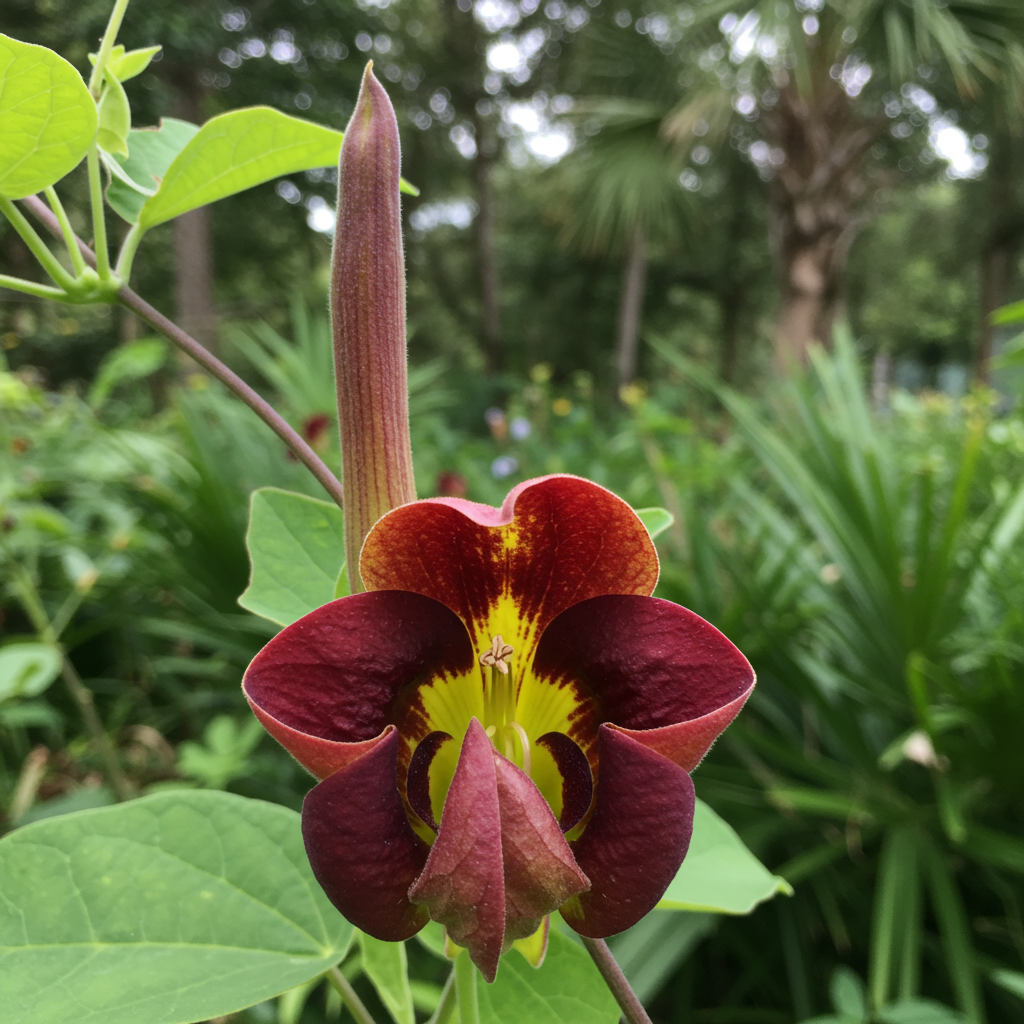
Aristolochia plants are celebrated for their distinctive and often intricate flowers, which can resemble anything from curving pipes to elaborate trumpets. Their foliage is generally heart-shaped and dark green, providing a lush backdrop. Whether you prefer a vigorous climber to adorn a trellis or a more understated groundcover, there’s an Aristolochia variety to suit your design vision.
Native and Adaptable Options for Florida
Many suitable Aristolochia varieties are native or well-adapted to Florida’s climate and soil conditions. Choosing native or well-adapted plants ensures greater success with less maintenance, as they are naturally resilient to local pests, diseases, and environmental stressors.
Top Florida Aristolochia Varieties for Your Landscape
While there are many Aristolochia species, a few truly shine in Florida gardens, offering beauty and ecological benefits without aggressive tendencies.
1. Aristolochia serpentaria (Virginia Snakeroot)
Description: Unlike its vine counterparts, Virginia Snakeroot is a smaller, herbaceous perennial that grows to about 1-2 feet tall. It has distinctive heart-shaped leaves and produces its unusual, often brownish-purple, pipe-shaped flowers near the base of the plant, often hidden beneath the foliage.
Native Status: Native to Florida and much of the eastern U.S.
Ideal for: Shaded understories, woodland gardens, or as an interesting groundcover in partial to full shade. Its subtle beauty makes it a conversation starter for those who discover its hidden blooms.
Ecological Role: A vital host plant for the Pipevine Swallowtail butterfly.
2. Aristolochia tomentosa (Woolly Pipevine)
Description: This vigorous, deciduous climbing vine is known for its large, heart-shaped leaves covered in soft, “woolly” hairs, giving it a velvety texture. It produces charming, yellow-green to brownish-purple pipe-shaped flowers that bloom in late spring to early summer. It can grow quite large, reaching 20-30 feet.
Native Status: Native to much of the southeastern U.S., including parts of Florida.
Ideal for: Covering arbors, pergolas, fences, or trellises, where its lush foliage provides excellent shade and privacy. Its robust growth makes it perfect for substantial garden structures.
Ecological Role: An excellent host plant for Pipevine Swallowtail butterfly caterpillars, providing ample foliage for their development.
3. Aristolochia reticulata (Texas Pipevine)
Description: A more moderately sized, herbaceous perennial or small vine, typically growing 1-3 feet tall. It features uniquely patterned, often netted or reticulated leaves, and produces distinctive brownish-purple, often mottled, S-shaped flowers that are quite striking up close.
Native Status: Native to the Gulf Coast region, including parts of Florida.
Ideal for: Smaller gardens, containers, or as a dense groundcover. Its unique foliage and flowers offer intricate detail in a more contained space.
Ecological Role: Another excellent host plant for the Pipevine Swallowtail butterfly.
Cultivating Success: Care Tips for Your Florida Aristolochia
To ensure your Aristolochia thrives and attracts butterflies, follow these essential care guidelines adapted for Florida’s climate.
Choosing the Right Location
Sunlight: Most Aristolochia varieties prefer partial shade, especially in the intense Florida sun. Morning sun with afternoon shade is ideal. Virginia Snakeroot (A. serpentaria) thrives in more consistent shade.
Soil: Well-draining, rich, organic soil is crucial. Amend heavy clay soils with compost and pine bark to improve drainage. Sandy soils will benefit from added organic matter to retain moisture.
Support: Climbing varieties like Woolly Pipevine (A. tomentosa) require strong support structures such as trellises, arbors, or fences.
Watering and Fertilizing
Watering: Consistent moisture is vital, particularly during dry spells and in the initial establishment phase. Water deeply when the top few inches of soil feel dry. Once established, some varieties can tolerate brief periods of drought, but consistent moisture promotes healthier growth.
Fertilizing: A balanced, slow-release granular fertilizer applied once in spring can be beneficial. Alternatively, top-dress with compost annually to enrich the soil naturally. Avoid over-fertilizing, especially with high-nitrogen formulas, which can promote foliage at the expense of flowers.
Support Structures (for climbers)
For climbing Aristolochia, install sturdy support structures at planting time. Guide young vines initially, then they will naturally begin to twine and climb on their own.
Pruning for Health and Vigor
Prune climbing Aristolochia varieties in late winter or early spring to remove dead or weak growth and to manage size and shape. You can also thin out dense growth to improve air circulation. Herbaceous types like Virginia Snakeroot generally require minimal pruning, mostly for tidiness.
Pest and Disease Management
Aristolochia species are generally robust. Watch for common garden pests like aphids or spider mites, especially during dry periods. Horticultural oil or insecticidal soap can manage infestations. Fungal issues are rare but can occur in overly wet or humid conditions; ensure good air circulation.
Butterfly Host Plants: The Pipevine Swallowtail Connection
Understanding the life cycle of the Pipevine Swallowtail and how Aristolochia supports it highlights the incredible value these plants bring to your garden.
Life Cycle of the Pipevine Swallowtail
1. Egg: Females lay small, ridged, orange eggs in clusters on Aristolochia leaves or stems.
2. Larva (Caterpillar): The hatched caterpillars are dark-colored with reddish-orange spines. They feed on the Aristolochia leaves, absorbing the plant’s defensive compounds, which makes them toxic to predators.
3. Pupa (Chrysalis): After several instars, the caterpillar forms a chrysalis, which can be green or brown depending on its surroundings, mimicking a rolled leaf.
4. Adult Butterfly: The chrysalis transforms into a stunning adult Pipevine Swallowtail, characterized by iridescent blue-green markings on its hindwings. It then seeks nectar from various flowers to fuel its flight and reproduction.
Creating a Butterfly-Friendly Habitat
Beyond host plants, a truly butterfly-friendly garden also offers nectar sources for adult butterflies, a water source, and shelter. Pair your Aristolochia with a variety of nectar-rich flowering plants to support the entire life cycle of the Pipevine Swallowtail and other pollinators.
Complementary Plants for a Thriving Florida Garden
Enhance your Aristolochia plantings with companions that boost biodiversity and visual appeal.
Nectar Sources for Butterflies
Plant a variety of flowering plants that provide nectar for adult Pipevine Swallowtails and other butterflies. Consider Florida natives such as:
Lantana camara (Native varieties): Drought-tolerant with clusters of colorful flowers.
Salvia coccinea (Scarlet Sage): Bright red flowers, attracts hummingbirds too.
Pentas lanceolata (Egyptian Starcluster): Constantly blooming, a butterfly magnet.
Florida Coontie (Zamia integrifolia): A host plant for the Atala butterfly, adding structural interest.
Structural Support and Aesthetics
For climbing Aristolochia, choose companion plants that complement its growth habit.
For Trellises/Arbors: Pair with other climbing vines like Coral Honeysuckle (Lonicera sempervirens) or Passionflower (Passiflora spp.) for a multi-layered canopy.
For Groundcover/Shade: Underplant Virginia Snakeroot with ferns, Hostas, or native gingers for a lush, shaded garden bed.
Frequently Asked Questions About Aristolochia in Florida
Q1: Are all Aristolochia species safe for Pipevine Swallowtails?
A1: While Pipevine Swallowtails lay eggs on many Aristolochia species, some non-native varieties (like Aristolochia elegans, or Dutchman’s Pipe) can be toxic to the caterpillars, even though they will lay eggs on them. It’s crucial to stick to native or proven safe varieties like A. serpentaria, A. tomentosa, and A. reticulata to ensure the caterpillars’ survival.
Q2: How fast do Aristolochia vines grow?
A2: Growth rates vary by species. Vigorous climbers like Aristolochia tomentosa can grow rapidly, adding 10-20 feet in a single season under ideal conditions, making them excellent choices for quick coverage. A. reticulata and A. serpentaria* have much more moderate growth rates.
Q3: Can Aristolochia grow in full sun in Florida?
A3: Most Aristolochia varieties prefer partial shade in Florida, especially protection from the intense afternoon sun. Full sun can lead to leaf scorch and stress the plant. Filtered light or morning sun with afternoon shade is ideal.
Q4: Do Aristolochia flowers have a scent?
A4: Some Aristolochia flowers have a strong, often musky or yeasty scent designed to attract specific pollinating insects, typically flies, which