Florida homeowners often dream of a garden bursting with color, and few plants deliver that tropical punch quite like the hibiscus. This guide explores the best vibrant hibiscus varieties for Florida gardens, ensuring you select the perfect plants to thrive in the Sunshine State’s unique climate. From show-stopping tropicals to resilient native species, discover the ideal hibiscus to transform your outdoor space into a lush paradise.
Unleash Tropical Splendor: Your Guide to Hibiscus in Florida
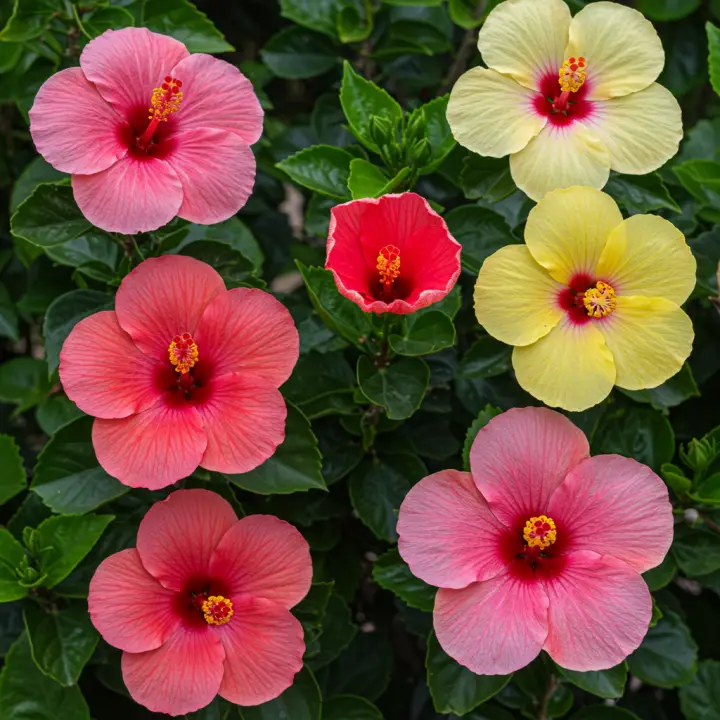
The hibiscus, with its large, showy blooms, is an iconic symbol of tropical beauty. For Florida gardeners, choosing the right varieties is key to a flourishing display. The state’s warm temperatures and abundant sunshine create an ideal environment for many hibiscus types, but understanding their specific needs and characteristics will help you cultivate healthy, vibrant plants that become the envy of the neighborhood.
Why Hibiscus Thrives in Florida’s Tropical Embrace
Florida’s climate is a hibiscus haven. The long growing seasons, ample sunlight, and warm, humid conditions mimic the natural habitats of many popular hibiscus species. Unlike colder regions, Florida rarely experiences hard freezes that can devastate cold-sensitive varieties. This allows tropical hibiscus, in particular, to truly shine, offering continuous blooms for much of the year. Furthermore, many Florida-native hibiscus are perfectly adapted to the varied soil conditions and humidity, making them incredibly low-maintenance choices.
Diving Deeper: Types of Hibiscus for Florida Gardens
When selecting hibiscus for your Florida garden, it’s crucial to understand the different types available, as their care requirements and hardiness can vary significantly.
Tropical Hibiscus (Hibiscus rosa-sinensis) – The Glamour Queens
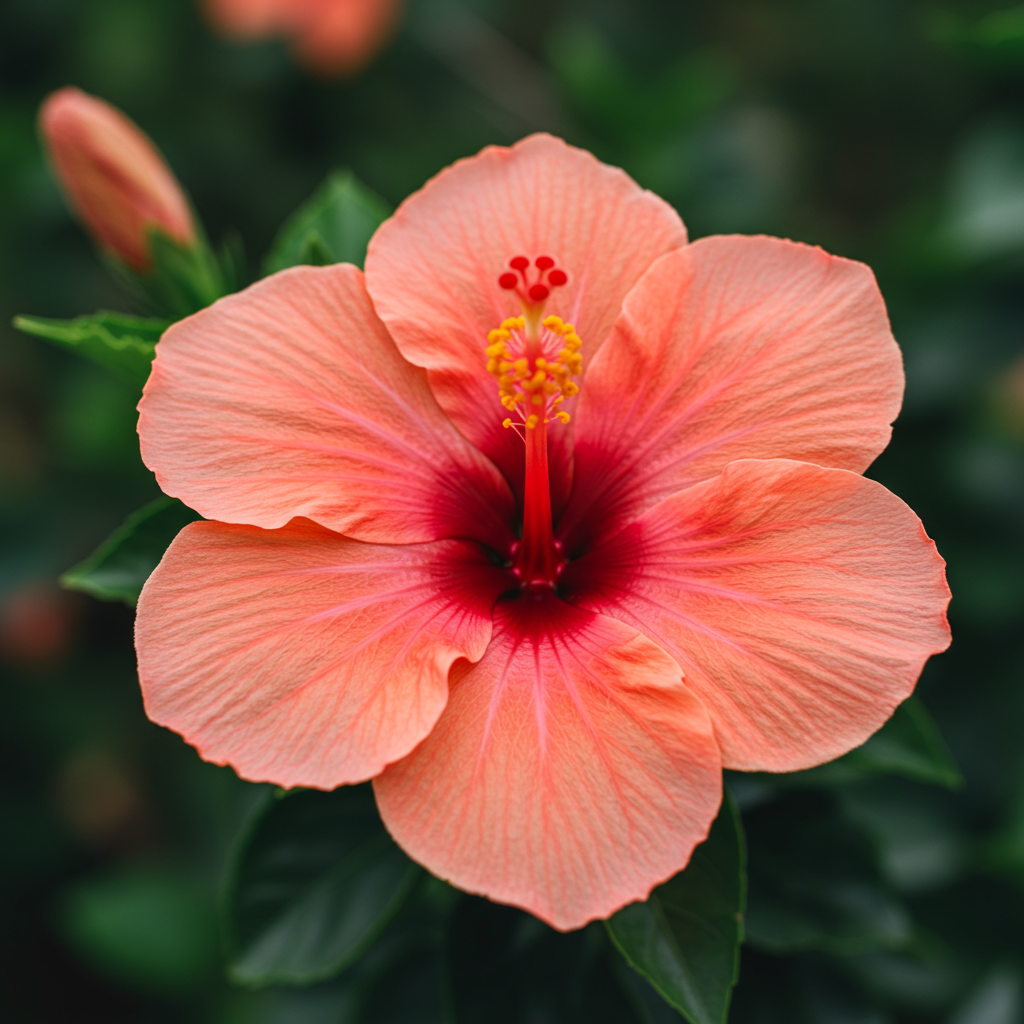
These are the quintessential “flower-in-the-hair” hibiscus, known for their enormous, often multi-colored blooms. Tropical hibiscus are evergreen perennials in Florida, blooming almost year-round in frost-free areas. They come in an astonishing array of single and double flowers, in shades of red, pink, orange, yellow, white, and even purple.
Characteristics: Large, glossy leaves; blooms can reach 6-8 inches across; generally sensitive to cold snaps below 30°F (0°C).
Popular Varieties for Florida:
‘Brilliant Red’: A classic, vibrant single red.
‘Fiji’: Known for its stunning orange and pink blend.
‘Cherie’: A beautiful soft pink with a darker eye.
‘Tequila Sunrise’: Captivating blends of yellow, orange, and red.
‘Moorea’: Offers incredible multi-layered blooms with varied color patterns.
Hardy Hibiscus (Hibiscus moscheutos/luna/coccineus) – The Resilient Beauties
Don’t let the name “hardy” fool you—these varieties are also incredibly vibrant! Hardy hibiscus are typically herbaceous perennials that die back to the ground in winter, re-emerging stronger in spring. They are much more cold-tolerant than their tropical counterparts, making them suitable for all zones of Florida, especially northern parts. Their flowers can be absolutely massive, some reaching dinner-plate size!
Characteristics: Often larger, lobed leaves; flowers can be 8-12 inches wide; highly cold-tolerant.
Popular Varieties for Florida:
‘Luna Red’/’Luna Pink Swirl’: Very compact hardy hibiscus with huge blooms.
‘Lord Baltimore’: Famous for its giant, bright red flowers.
‘Midnight Marvel’: Features dark, near-black foliage and striking red blooms.
Texas Star Hibiscus (Hibiscus coccineus): Distinctive deep red, star-shaped flowers; very popular for its unique form and resilience.
Native Hibiscus – Embracing Local Resilience
For a truly low-maintenance and ecologically beneficial choice, consider Florida’s native hibiscus. These plants are perfectly adapted to local conditions, requiring less water and fertilizer once established, and supporting native wildlife.
Characteristics: Suited to local soils and climate, often pest-resistant.
Recommended Native Varieties:
Swamp Rose Mallow (Hibiscus grandiflorus): Large white to pale pink flowers with a deep red eye; thrives in wet areas, but adaptable.
Halberd-leaf Hibiscus (Hibiscus laevis): Attractive pale pink to white flowers; grows well in a variety of moist to wet soils.
Red Turtleback (Hibiscus poeppigii): Small, bright red blooms; great for ground cover or small shrubs.
Choosing Your Vibrant Varieties: A Focus on Color and Form
When selecting your hibiscus, think about the overall aesthetic you want to achieve.
Color Palette: Do you want a burst of fiery reds and oranges, or a softer blend of pinks and yellows? Many tropical hibiscus offer multi-toned blooms, while hardy varieties often have solid, intense colors.
Bloom Size: Tropicals and hardy hibiscus offer the largest flowers, perfect for focal points. Native varieties might have slightly smaller but equally charming blooms.
* Plant Size & Shape: Some hibiscus grow into large shrubs, while others remain more compact or can be trained into standards. Consider the mature size to ensure it fits your space.
Essential Care Tips for Thriving Hibiscus in Florida
While different types have varying needs, these general care tips will help your hibiscus flourish in Florida.
Sunlight Requirements
All hibiscus varieties love sun! Aim for at least 6 hours of direct sunlight per day for the most abundant blooms. In the intense South Florida summer, tropical hibiscus might appreciate a little afternoon shade to prevent leaf scorch.
Soil Preferences
Hibiscus prefer well-draining soil rich in organic matter. While sandy Florida soils can be a challenge, incorporating compost or other organic amendments will greatly improve moisture retention and nutrient availability. A slightly acidic to neutral pH (6.0-7.0) is ideal.
Watering Wisdom
Consistent moisture is key, especially for tropical hibiscus. Water deeply when the top 1-2 inches of soil feel dry. In the peak of Florida’s dry season, this might mean daily watering. Reduce watering in cooler months or during periods of heavy rain. Hardy and native hibiscus are more forgiving once established.
Fertilization for Abundant Blooms
Hibiscus are heavy feeders. Use a balanced slow-release fertilizer or a liquid fertilizer formulated for flowering plants (often with a higher potassium content) every 2-4 weeks during the growing season. Look for formulas lower in phosphorus (the middle number) as Florida soils often have sufficient amounts. Trace elements like iron and magnesium are also beneficial.
Pruning for Shape and Health
Pruning encourages bushier growth and more flowers. For tropical hibiscus, light pruning can be done throughout the growing season to maintain shape and remove spent blooms. More extensive pruning to shape or rejuvenate the plant is best done in late winter or early spring before new growth begins. Hardy hibiscus should be cut back to just a few inches from the ground in late winter.
Pest and Disease Management
Common Florida hibiscus pests include aphids, whiteflies, mealybugs, and spider mites. Inspect your plants regularly. Most can be controlled with insecticidal soap or neem oil. Fungal issues like leaf spot can occur in humid conditions; good air circulation and proper watering can help prevent them.
Frequently Asked Questions About Hibiscus in Florida
Q1: Can hibiscus survive a Florida winter?
A: Tropical hibiscus (Hibiscus rosa-sinensis) can survive mild Florida winters, especially in Zone 10 and warmer parts of Zone 9. In colder areas, they may die back to the ground but can resprout if mulched or protected. Hardy hibiscus (Hibiscus moscheutos, coccineus) are perfectly cold-tolerant and will return in spring.
Q2: How often should I water my hibiscus in Florida?
A: During the hot, dry season, tropical hibiscus may need daily watering, especially if in containers. In-ground plants generally need watering every 2-3 days. Monitor the soil; water when the top 1-2 inches are dry. Reduce watering in cooler months or significant rainfall.
Q3: What’s the best fertilizer for hibiscus in Florida?
A: Look for a slow-release fertilizer specifically formulated for tropical flowering plants, often with a slightly higher potassium (K) number. Avoid high phosphorus (P) as Florida soils usually have enough. Fertilize every 2-4 weeks during the growing season.
Q4: Why aren’t my hibiscus blooming?
A: Common reasons include insufficient sunlight, lack of nutrients, improper watering (too much or too little), pest infestations, or cold stress. Ensure they get at least 6 hours of sun, are fertilized regularly, and have consistent moisture.
Q5: Are there any salt-tolerant hibiscus varieties?
A: Yes, some hibiscus are more tolerant of salt spray, making them suitable for coastal areas. Hibiscus tiliaceus (Mahoe or Sea Hibiscus) is particularly salt-tolerant and is often used in coastal landscaping. Some tropical hibiscus varieties also show moderate salt tolerance.
Q6: When is the best time to plant hibiscus in Florida?
A: The best time to plant hibiscus in Florida is typically in spring or fall when temperatures are mild. This allows the plants to establish their root systems before the intense summer heat or potential winter cold.
Conclusion: Bring Tropical Splendor to Your Florida Garden
Choosing the best vibrant hibiscus varieties for Florida gardens is an exciting endeavor that promises year-round beauty. Whether you’re drawn to the classic glamour of tropical hibiscus, the robust resilience of hardy types, or the ecological benefits of native species, there’s a perfect hibiscus waiting to flourish in your landscape. By understanding their needs and providing proper care, you can enjoy a garden bursting with stunning, colorful blooms that truly embody the spirit of the Sunshine State. Happy planting!