Caring for the striking Peacock Plant (Calathea Makoyana) in Central Florida can be incredibly rewarding when you understand its specific needs. This guide will reveal the best growing conditions for peacock plant in Central Florida, ensuring your foliage thrives with vibrant, distinctive patterns. From the essential light requirements to optimal humidity levels and suitable soil, we’ll cover everything you need to know for a flourishing Peacock Plant.
Introduction to Your Tropical Gem
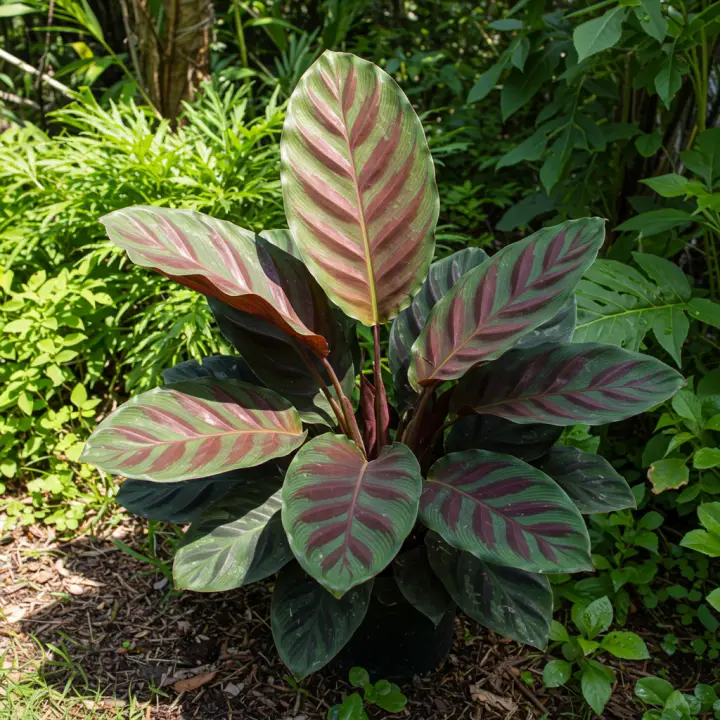
The Peacock Plant, or Calathea Makoyana, is a true showstopper. Originating from the tropical rainforests of Brazil, its leaves boast intricate patterns resembling a peacock’s feathers – dark green blotches on a lighter green background, with a rich purple underside. Like all Calatheas, it’s famous for its “prayer plant” habit, where leaves fold up at night and unfurl during the day. While Central Florida’s climate offers a warm, humid environment that can be beneficial, replicating its natural jungle habitat requires specific care.
Unlocking Success: Key Growing Conditions for Peacock Plant in Central Florida
To truly see your Peacock Plant shine, understanding and meeting its fundamental needs is crucial. Central Florida presents both unique advantages and challenges, making a tailored approach essential.
Light: Finding the Perfect Spot to Flourish
Peacock Plants thrive in environments that mimic their native rainforest understory – bright, indirect light.
- Indoors: Place your plant near an east-facing window or a few feet back from a south or west-facing window. Direct sun exposure, especially the intense Central Florida afternoon sun, will scorch its delicate leaves, causing them to fade or develop brown patches.
- Outdoors: If you choose to grow it outdoors, select a heavily shaded location. Think under a dense tree canopy or a covered patio that receives no direct sun. Even morning sun can be too much in Florida’s intensity. Protecting it from strong winds is also important, as these can dry out its leaves quickly.
Watering Wisdom: Hydration Without Drowning
Consistent moisture is vital for Peacock Plants, but they are equally susceptible to root rot from overwatering.
- Keep Soil Moist, Not Soggy: Water when the top inch or two of soil feels dry to the touch. Stick your finger into the soil to check.
- Water Quality Matters: Calatheas are sensitive to chemicals commonly found in tap water, such as chlorine and fluoride. These can cause browning leaf tips and edges. Use filtered water, distilled water, or rainwater whenever possible. If using tap water, let it sit out for 24 hours to allow chlorine to dissipate.
- Drainage is Key: Always ensure your pot has drainage holes. Never let your plant sit in standing water.
- Adjust Seasonally: In Central Florida’s humid summer months, you might water more frequently than during the slightly drier, cooler winter.
Humidity: Mimicking the Tropics
High humidity is perhaps the most critical factor for a thriving Peacock Plant, especially in Central Florida where average humidity levels are often naturally high but can fluctuate. Brown, crispy leaf edges are a classic sign of insufficient humidity.
- Embrace the Florida Humidity: While Central Florida’s general humidity is a plus, your plant may still need a boost, especially indoors with air conditioning running.
- Pebble Trays: Place the plant pot on a tray filled with pebbles and water. Ensure the bottom of the pot doesn’t sit directly in the water. As the water evaporates, it increases humidity around the plant.
- Humidifiers: A small room humidifier is an excellent way to maintain consistent high humidity levels (60-80%) for indoor plants.
- Grouping Plants: Plants release moisture through transpiration, so grouping your Peacock Plant with other humidity-loving plants can create a beneficial microclimate.
- Misting (Limited Effect): While often recommended, misting provides only a temporary boost to humidity. It’s not a long-term solution and can sometimes encourage fungal issues if leaves stay wet for too long.
Soil Story: The Right Foundation
The ideal potting mix for a Peacock Plant is well-draining yet moisture-retentive.
- Components: A good mix typically includes peat moss or coco coir (for moisture retention), perlite or orchid bark (for drainage and aeration), and a little bit of compost or worm castings for nutrients.
- Avoid Heavy Soil: Dense, heavy potting mixes will retain too much water, leading to root rot.
- pH: They prefer slightly acidic soil, around 6.0 to 6.5.
Temperature Tolerance: Staying Comfortable
Peacock Plants are tropical and prefer consistently warm temperatures.
- Ideal Range: Aim for temperatures between 65°F and 80°F (18°C-27°C).
- Avoid Extremes: Protect your plant from sudden temperature drops, cold drafts, and extreme heat. In Central Florida, while cold is less of an issue for most of the year, a winter cold snap below 50°F (10°C) can severely damage or kill the plant if it’s left outdoors. Bring outdoor plants inside or provide significant protection during these times.
- Indoor Placement: Keep them away from air conditioning vents or drafty windows.
Fertilization: Fueling Growth
Peacock Plants are not heavy feeders.
- Growing Season Only: Fertilize during the active growing season (spring and summer) every 2-4 weeks.
- Diluted Strength: Use a balanced liquid houseplant fertilizer diluted to half or even quarter strength.
- Avoid Over-Fertilizing: Too much fertilizer can burn the roots and lead to brown leaf tips. Do not fertilize in fall and winter when the plant’s growth naturally slows down.
Common Challenges & Solutions for Central Florida Growers
Even with the best intentions, you might encounter some common issues.
- Crispy/Brown Leaf Edges: Almost always a sign of low humidity or chemical sensitivity in water. Increase humidity and switch to filtered water.
- Yellowing Leaves: Usually indicates overwatering and potential root rot. Check soil moisture and adjust watering frequency. Can also be a sign of nutrient deficiency, but overwatering is more common.
- Curling Leaves: The plant is “praying” due to stress. This can be from too much direct light, too little water, or cold temperatures.
- Pests: Spider mites are a common foe, thriving in dry conditions. Check the undersides of leaves regularly. Treat with neem oil or insecticidal soap. Increased humidity helps deter them.
- Leggy Growth: Insufficient light can cause the plant to stretch for light, leading to sparse foliage. Move it to a brighter, indirect light location.
FAQs about Peacock Plant Care in Central Florida
Q1: Is the Peacock Plant toxic to pets?
A1: No, the Peacock Plant (Calathea Makoyana) is considered non-toxic to cats and dogs, making it a safe choice for pet owners.
Q2: Can I grow a Peacock Plant outdoors all year in Central Florida?
A2: While Central Florida’s climate is warm and humid, it’s generally best to grow Peacock Plants indoors or move them indoors during winter. They need protection from direct sun and temperatures below 50°F (10°C), which Florida can experience during cold snaps. If kept outdoors, choose a deeply shaded, protected spot.
Q3: Why are my Peacock Plant’s leaves curling or browning?
A3: Curling leaves often indicate stress from too much direct light, underwatering, or cold temperatures. Browning leaf tips and edges are usually a symptom of low humidity or sensitivity to chemicals in tap water (chlorine, fluoride). Address these by increasing humidity, using filtered water, and ensuring proper light and temperature.
Q4: How often should I repot my Peacock Plant?
A4: Peacock Plants generally prefer to be slightly root-bound. Repot only when necessary, typically every 1-2 years, or when you see roots growing out of the drainage holes. Choose a pot that is only one size larger than the current one. The best time to repot is in spring or early summer.
Q5: What’s the best way to increase humidity for my plant indoors?
A5: The most effective methods are using an electronic room humidifier, placing the pot on a pebble tray filled with water, or grouping your Peacock Plant with other moisture-loving plants. Misting offers only a temporary, minor increase in humidity.
Conclusion
Cultivating a thriving Peacock Plant in Central Florida is entirely achievable with a mindful approach. By providing consistent warm temperatures, indirect light, high humidity, clean water, and well-draining soil, you’ll be well on your way to showcasing this magnificent tropical beauty. Remember, consistency and observation are your best tools. Pay close attention to your plant’s signals, adjust its growing conditions as needed, and enjoy the stunning display of its vibrant, dancing foliage.