

If you’re dreaming of growing your own avocados right here in Florida, you want to make sure you pick a variety that not only thrives in our climate but also tastes amazing. After all, what’s the point of homegrown fruit if it doesn’t delight your taste buds?
You might be surprised to learn that the best-tasting avocados for Florida aren’t the same as the popular Hass variety you find in stores. Florida avocados have their own unique flavors, textures, and benefits that can transform your meals and snacks.
You’ll discover which avocado varieties are perfect for Florida’s warm weather and how to choose the tastiest ones to grow in your garden. Ready to enjoy creamy, buttery avocados fresh from your own backyard? Let’s dive in!
Credit: www.youtube.com
Florida Avocado Types
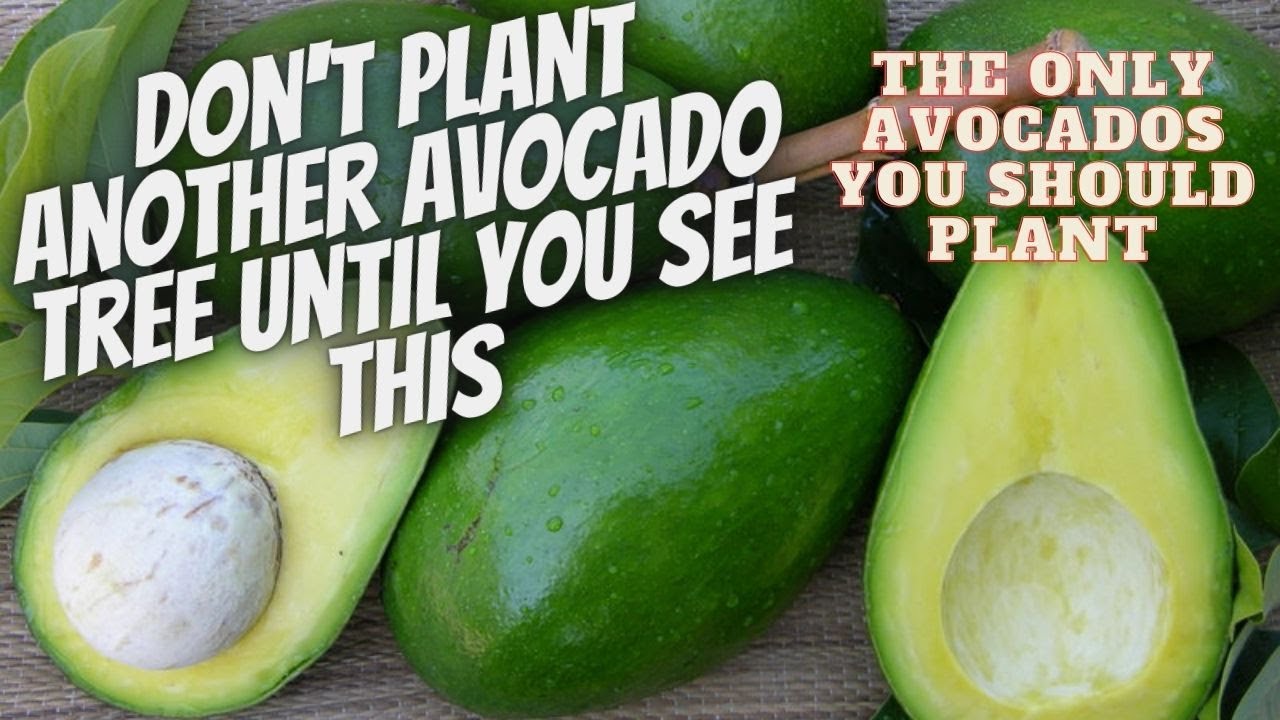
Florida avocados differ greatly from other varieties found in the U.S. They thrive in Florida’s warm climate and unique soil conditions. These avocados are known for their larger size and bright green skin. Many gardeners prefer them for their juicy, mild flavor and smooth texture. Choosing the right type can enhance your home garden and fruit harvest.
Understanding the types of Florida avocados helps growers pick the best for taste and growth. Each variety offers distinct qualities suited for Florida’s environment. This section explores how Florida avocados compare to California ones and their key characteristics.
Florida Vs California Avocados
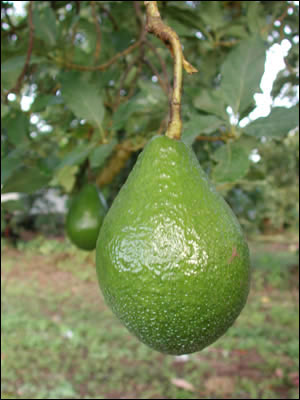
Florida avocados usually have smooth, bright green skin. California avocados, like Hass, have dark, bumpy skin. Florida types are larger and contain less fat. California avocados taste richer and creamier due to higher oil content. Florida avocados have a lighter, milder flavor. They also ripen differently and have a shorter shelf life. Climate plays a big role in these differences.
Characteristics Of Florida Varieties
Florida avocado varieties are larger and rounder. They often weigh one to five pounds. Their skin stays green even when ripe. The flesh is softer and juicier than California types. They have fewer calories because of lower fat. These avocados taste fresh and slightly sweet. Common Florida varieties include Lula, Choquette, and Monroe. Each has unique growth habits and harvest times. These traits make Florida avocados ideal for local gardens and markets.
Top Avocado Varieties For Florida
Florida’s warm climate supports many avocado varieties. Some types stand out for taste and ease of growth. Choosing the right avocado variety can boost your garden’s success. Each variety offers a unique flavor and texture. Here are the top avocados to grow in Florida for the best taste.
Hass: Rich And Buttery
Hass is the most popular avocado variety worldwide. It has a rich, buttery flavor and creamy texture. Its dark green, bumpy skin turns almost black when ripe. Hass is perfect for guacamole and spreads. It thrives in many climates, including parts of Florida.
Reed: Smooth And Mild
Reed avocados are large and round with thick skin. They offer a smooth, mild flavor that many enjoy. The flesh is creamy and less oily than Hass. Reed fruits well in Florida’s warm and humid climate. This variety is great for fresh eating and salads.
Fuerte: Pear-shaped And Nutty
Fuerte avocados have a distinctive pear shape and thin, green skin. Their flavor is delicate and nutty with a creamy texture. They stay green even when ripe, making harvest easier. Fuerte trees handle Florida weather well. They are excellent for slicing and sandwiches.
Sharwil: High Oil Content
Sharwil avocados come from Australia but grow well in Florida. They have a higher oil content than other varieties. This gives them a richer, more buttery taste. Sharwil fruit is smaller and has dark green, rough skin. It is prized by avocado lovers for its deep flavor.
Pinkerton: Creamy And Nutty
Pinkerton avocados are elongated with smooth green skin. Their creamy flesh carries a mild nutty flavor. This variety produces a high yield in Florida gardens. Pinkerton avocados are versatile for cooking and fresh dishes. They offer a great balance of taste and texture.
Flavor Profiles Compared
Comparing the flavor profiles of avocados grown in Florida helps you choose the best taste. Each variety offers unique qualities. These include texture, oil content, and how flavors change with the seasons. Understanding these differences makes your selection easier.
Texture Differences
Florida avocados range from creamy to slightly fibrous. Some varieties have a buttery texture that melts in your mouth. Others have a firmer, more fibrous feel. For example, the Reed avocado is known for its smooth, creamy texture. The Fuerte variety tends to be less creamy but still soft enough for slicing. Texture plays a big role in how you enjoy the fruit.
Oil Content And Taste
Oil content affects the richness and flavor depth of avocados. Higher oil means a richer, buttery taste. The Sharwil avocado has a higher oil content than many Florida varieties. It delivers a deep, buttery flavor that many people love. In contrast, typical Florida avocados have lower oil. This leads to a lighter, more refreshing taste. Oil content also impacts calories and how creamy the fruit feels.
Seasonal Flavor Variations
Avocado flavor can change with the seasons in Florida. Early season fruits often taste milder and less rich. As the season progresses, the oil content usually increases. This enhances the flavor and creaminess. Late season avocados tend to have the richest taste. Knowing the season helps you pick avocados with the flavor you prefer.
Growing Conditions In Florida
Growing avocados in Florida requires understanding the local conditions. The state’s unique climate and soil types influence avocado tree health and fruit quality. Knowing these factors helps you select the best avocado variety and care routines. This section covers key growing conditions in Florida.
Climate Suitability
Florida’s warm climate suits many avocado varieties. Most trees thrive in USDA zones 9 to 11. The subtropical weather offers mild winters and hot summers. Avocado trees need protection from frost and strong winds. South Florida’s humidity and temperature support steady growth. Proper location can reduce risk of cold damage. Avoid planting in low areas prone to frost pockets.
Soil Preferences
Avocado trees prefer well-drained soils. Sandy loam soil works best in Florida. Good drainage prevents root rot and other diseases. Soil pH should be slightly acidic to neutral, around 6 to 7. Adding organic matter boosts soil fertility. Heavy clay soils hold too much water and may harm roots. Raised beds or mounds improve drainage in poor soils.
Pest And Disease Considerations
Florida’s warm climate encourages pests and diseases. Common pests include mites, thrips, and borers. Regular monitoring helps catch infestations early. Diseases like root rot and anthracnose can damage trees. Proper watering and good air circulation reduce disease risks. Using resistant avocado varieties adds protection. Integrated pest management keeps trees healthy without heavy chemicals.
Selecting Avocados For Planting
Selecting the right avocado variety for planting in Florida is essential. The climate and soil conditions affect growth and fruit quality. Choosing a tree that suits your needs ensures a rewarding harvest. Consider factors like when fruit is available, tree size, and the quality and amount of fruit produced.
Each avocado type has unique traits. Understanding these helps you pick the best one for your garden or farm. Let’s explore key points to consider before planting.
Seasonal Availability
Avocado varieties differ in their harvest seasons. Some produce fruit in winter, while others in summer or fall. Choose varieties that extend your harvest period. This way, fresh avocados are available for many months. In Florida, varieties like Lula and Waldin offer winter harvests. Summer types include Choquette and Monroe. Planning for seasonal availability keeps your avocado supply steady.
Tree Size And Growth Habit
Avocado trees range from small to large sizes. Compact trees fit well in limited spaces. Larger trees need more room but may yield more fruit. Growth habit also varies. Some trees grow upright; others spread wide. Consider your garden space and maintenance ability. Smaller, slower-growing varieties work well for home gardens. Larger trees suit farms or big yards. Proper spacing improves air circulation and sunlight exposure.
Fruit Yield And Quality
High fruit yield means more avocados each season. Some varieties are more productive than others. Quality matters too. Look for creamy texture, rich flavor, and good oil content. Florida avocados tend to have lower fat but fresh taste. Popular varieties like Lula and Choquette produce flavorful fruit with good yield. Picking trees with consistent fruiting habits helps ensure a steady supply. Healthy trees with high-quality fruit bring satisfaction to growers and eaters alike.

Credit: floridafruitgeek.com
Tips For Harvesting And Ripening
Harvesting avocados at the right time ensures the best flavor and texture. Picking too early or too late can affect the taste. Proper ripening techniques help avocados reach their creamy, buttery quality. Good storage keeps the fruit fresh longer. Follow these simple tips to enjoy the best tasting avocados grown in Florida.
When To Pick
Wait until the fruit reaches full size before picking. Florida avocados do not ripen on the tree. Check for mature skin color and firmness. Gently squeeze the avocado; it should be firm but not hard. Avoid picking green, small, or soft fruits. Use pruning shears to cut the stem with some fruit attached. Handle the fruit carefully to avoid bruising.
Ripening Techniques
Place picked avocados at room temperature to ripen. Keep them away from direct sunlight. Check daily for softness by gently pressing. To speed up ripening, place avocados in a paper bag with a banana or apple. These fruits release ethylene gas, which helps ripen avocados faster. Once ripe, use the avocado immediately for the best taste.
Storage Recommendations
Store ripe avocados in the refrigerator to slow ripening. Keep them in a plastic bag or airtight container. Use ripe avocados within 2 to 3 days. Avoid storing cut avocados without protection. To prevent browning, sprinkle lemon juice on exposed flesh. Wrap cut pieces tightly with plastic wrap before refrigerating.
Credit: gardeningsolutions.ifas.ufl.edu
Frequently Asked Questions
What Are The Best Avocados For Florida?
The best avocados for Florida are bright green Florida varieties like Choquette, Lula, and Monroe. They thrive in Florida’s climate. These avocados have lower fat and a milder flavor than California’s Hass. Choose varieties suited to South Florida for optimal growth and taste.
What Is The Most Flavorful Avocado?
Hass avocados are the most flavorful, offering a rich, buttery, and nutty taste with creamy texture. Reed and Fuerte varieties also provide smooth, mild, and nutty flavors. Sharwil and Pinkerton avocados stand out for their rich, creamy taste and high oil content.
Do Avocado Trees Grow Well In Florida?
Avocado trees grow well in Florida’s warm, humid climate. Florida varieties like Lula and Choquette thrive better than Hass. Choose disease-resistant types for best results.
Why Don’t Hass Avocados Grow In Florida?
Hass avocados need a cooler, drier climate than Florida’s hot, humid conditions. Florida favors green-skinned avocado varieties that tolerate heat and moisture better.
Conclusion
Choosing the best avocado to grow in Florida depends on your taste and climate. Florida avocados offer fresh, mild flavors different from California types. Varieties like Reed, Fuerte, and Pinkerton thrive well in the region’s warm weather. They provide creamy textures and rich flavors perfect for many dishes.
Growers should consider seasonality and tree care for the best harvest. Enjoy fresh avocados from your own garden all year round. Start with these trusted varieties to experience Florida’s best-tasting avocados at home.


There are some great cultivars of avocados that can be grown in South Florida, not mentioned in the article. Talpeno, Nishakawa and Wurtz to name just 3.