If you’re dreaming of harvesting fresh, creamy avocados right in your Florida backyard, choosing the right variety is key. Not all avocados thrive under Florida’s unique hot and humid climate, so picking the best types can make all the difference between a bountiful harvest and a struggling tree.
Whether you want a fruit with a mild, nutty flavor or one that stands up to occasional cold snaps, this guide will help you find the perfect avocado trees for your garden. Keep reading to discover which avocado varieties grow best in Florida—and how you can enjoy delicious homegrown avocados all year long.
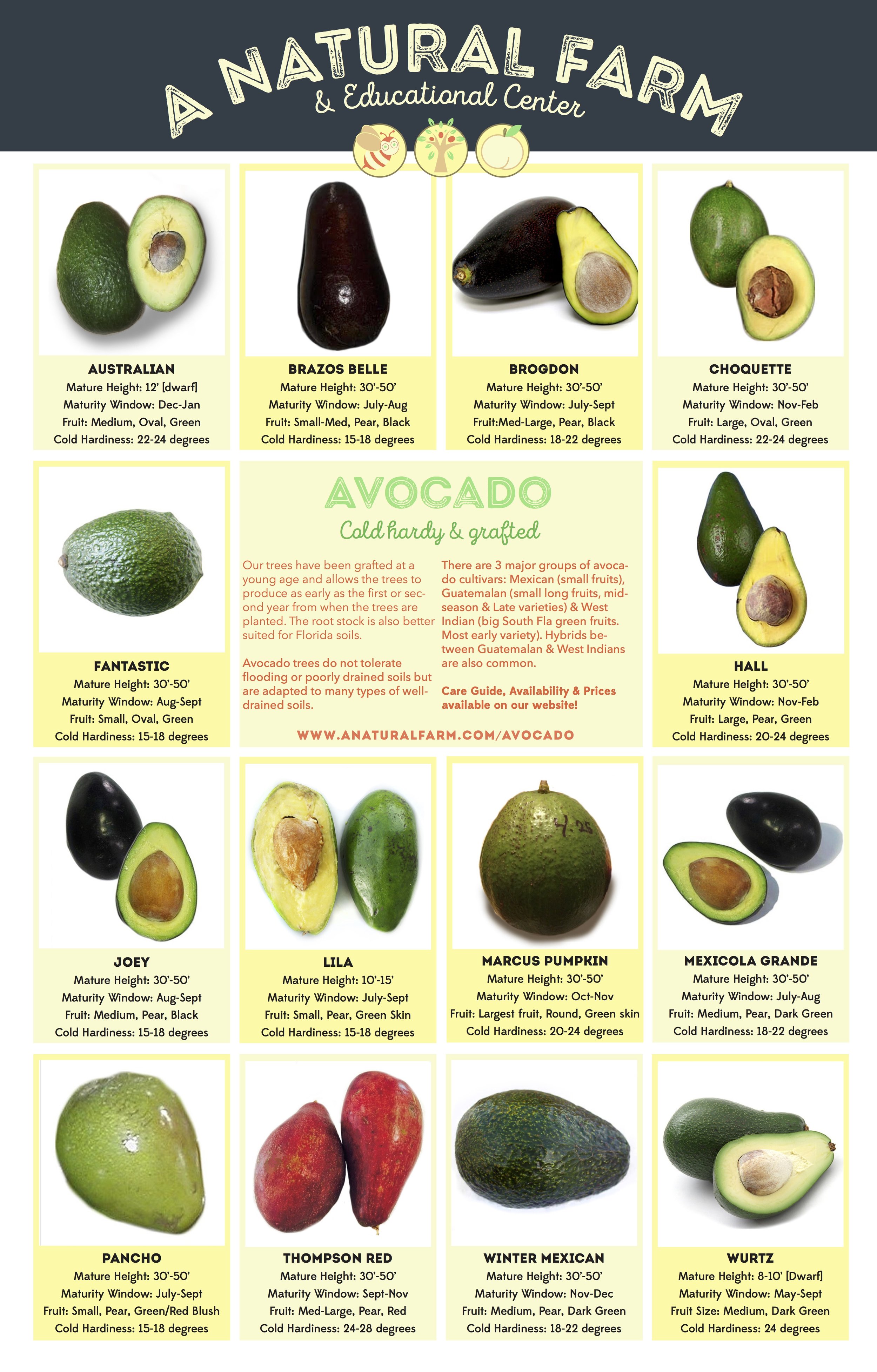
Credit: www.anaturalfarm.com
Florida Avocado Varieties
Florida avocados differ from the popular Hass variety. They have smooth, green skin and a milder taste. These avocados are larger and contain less oil. They thrive in Florida’s warm, humid climate. Several varieties suit home gardeners and commercial growers alike. Each has unique qualities in flavor, size, and harvest time.
Pollock And Russell
Pollock avocados grow well in Florida’s climate. They produce large fruits with smooth green skin. The flesh is creamy with a subtle flavor. Pollock trees are moderately cold-hardy and bloom mid-season.
Russell avocados are early producers. Their fruits are medium-sized and have a pear shape. The skin stays green even when ripe. Russell trees handle Florida’s humidity and heat well.
Choquette And Monroe
Choquette is a popular Florida variety. It yields large fruits with glossy, green skin. The taste is mild and slightly nutty. Choquette trees are vigorous and bear fruit in late season.
Monroe avocados are known for good production. They have medium to large fruits and smooth skin. The flavor is rich but not too oily. Monroe trees tolerate occasional cold snaps.
Lula And Hardee
Lula avocados produce medium to large fruits. Their skin is thick and green with a slight texture. Lula’s flavor is creamy and pleasant. These trees are reliable and grow steadily in Florida gardens.
Hardee is an older Florida variety. It has medium-sized fruits with rough green skin. The taste is mild, with less oil than Hass. Hardee trees are hardy and adapt well to local conditions.
Brogdon And Other Varieties
Brogdon avocados are newer to Florida growers. They offer medium to large fruits with smooth skin. The flavor is good and the fruit stores well after picking.
Other Florida varieties include Donnie, Dupuis, and Simmonds. Each variety has traits suited to different needs. They all handle Florida’s heat and humidity better than many imported types.
Skin And Flavor Differences
Avocado varieties grown in Florida show clear skin and flavor differences. These differences affect taste, texture, and appearance. Understanding these traits helps choose the right avocado for your garden or market. Florida avocados mainly differ in skin color and flavor profiles. They also vary in oil content, influencing richness and creaminess. Below, explore the key distinctions between popular avocado types grown in Florida.
Green Skin Vs Dark Skin
Florida avocados usually have bright green skin. This skin is smooth and thin compared to dark-skinned varieties like Hass. Green-skinned avocados stay green even when ripe. Dark-skinned avocados turn almost black as they ripen. The green skin adapts well to Florida’s humid climate. It also resists damage better during handling and transport. Dark skin types thrive in cooler, drier areas. The skin color helps identify the avocado type quickly.
Mild And Nutty Flavor Profiles
Florida avocados offer a mild, nutty taste. Their flavor is less intense than dark-skinned Hass avocados. The mildness suits those who prefer a subtle avocado flavor. Nutty notes add a pleasant richness to dishes. Dark-skinned avocados have a stronger, buttery taste. This flavor is richer and more pronounced. Both flavor types work well in salads, sandwiches, and guacamole. The choice depends on personal taste and recipe needs.
Oil Content Comparison
Oil content varies significantly between avocado types. Florida green-skinned varieties have lower oil levels. This results in a lighter, less creamy texture. Lower oil means fewer calories per serving. Dark-skinned avocados have higher oil content. This makes them creamier and richer in flavor. Higher oil content also boosts the fruit’s smooth texture. Gardeners should pick a type based on desired oil content. This affects cooking style and health benefits.
Climate Adaptation
Choosing the right avocado variety means understanding how it adapts to Florida’s unique climate. The state’s warm temperatures and high humidity challenge many plants. Avocados thrive best when they can handle these conditions. Climate adaptation ensures your tree stays healthy and produces fruit year after year.
Different avocado types respond differently to heat, humidity, and occasional cold snaps. Knowing each variety’s strengths helps you pick the best one for your garden. This section breaks down important factors that affect avocado growth in Florida’s environment.
Heat And Humidity Tolerance
Florida’s heat and humidity can stress many plants. Avocado trees that tolerate these conditions grow stronger and yield more fruit. Florida avocado varieties have adapted to thrive in warm, moist air. They resist leaf drop and disease caused by high humidity. These trees remain vigorous during hot summers. Choosing heat-tolerant types reduces the risk of damage.
Cold Hardiness Of Varieties
Although Florida is mostly warm, occasional cold snaps can harm avocado trees. Some varieties handle light frost better than others. Cold-hardy avocados survive brief temperature drops near freezing. They recover quickly and continue growing. Picking cold-tolerant types protects your investment. It prevents loss of buds and fruit from cold stress.
Suitability For Florida Conditions
Florida’s climate is unique with its mix of heat, humidity, and occasional cold. Avocado varieties suited for Florida balance these factors well. They grow steadily and produce quality fruit despite weather challenges. Many Florida varieties have larger fruit with smooth green skin. These types fit well in home gardens and commercial farms. Choosing them helps ensure success in Florida’s environment.
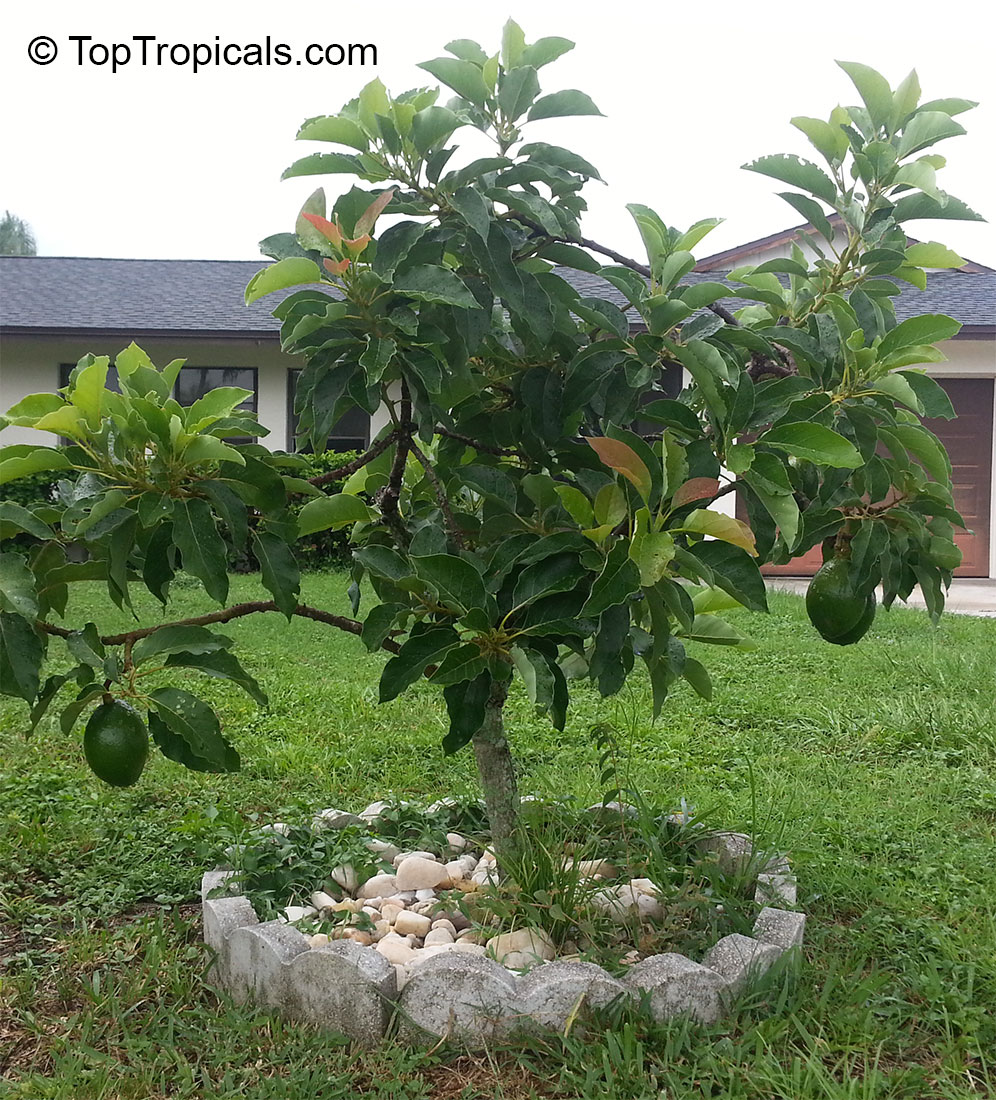
Credit: toptropicals.com
Growing Tips For Florida Avocados
Growing avocados in Florida offers a rewarding experience with the right care. To ensure healthy trees and good fruit, focus on key factors like soil, water, and pest control. These tips help you create the best environment for Florida avocado varieties.
Soil Requirements
Avocado trees need well-drained soil to thrive. Sandy or loamy soil works best in Florida’s climate. Avoid heavy clay soils that hold water and cause root rot. Test your soil pH; it should be slightly acidic to neutral, between 6 and 7. Add organic matter to improve soil texture and fertility. Raised beds or mounds can help improve drainage in wet areas.
Watering And Drainage
Keep the soil moist but not soggy. Water young trees deeply once or twice a week. Mature trees need less frequent watering but more water at each session. Avoid overwatering, which can harm roots. Good drainage prevents water from pooling around the roots. Use mulch around the tree base to retain moisture and reduce weeds. Adjust watering during rainy periods to avoid waterlogging.
Pest And Disease Management
Watch for common pests like avocado thrips, mites, and scale insects. Inspect trees regularly and remove pests by hand or with safe insect sprays. Diseases such as root rot and anthracnose can affect avocado trees. Plant disease-resistant varieties and keep trees healthy with proper care. Remove fallen leaves and fruit to reduce disease spread. Use fungicides if needed and follow recommended guidelines.
Harvesting And Yield
Harvesting avocados in Florida requires attention to the specific variety and its yield potential. Proper timing and understanding yield expectations help maximize fruit quality and quantity. Growers can enjoy a steady supply by knowing the harvest details and storage tips. Each variety offers unique traits affecting harvest seasons, fruit size, and storage life.
Harvest Seasons By Variety
Different avocado varieties mature at different times throughout the year. Simmonds typically ripens early in the season, from June to August. Choquette follows with a longer season, from July through December. Monroe tends to be a late-season variety, producing fruit from September to February. Lula offers a wide harvest window, usually from August to February. Knowing these seasons helps plan picking and sales effectively.
Fruit Size And Production
Florida avocados are larger than the popular Hass variety. Simmonds fruits can weigh up to 2 pounds each. Choquette offers high yields with fruits about 1.5 to 2 pounds. Monroe produces medium to large fruits, often around 1.5 pounds. Lula avocados are also large and tend to have consistent production. Regular pruning and care boost fruit size and overall yield.
Storage And Shelf Life
Florida avocados have a shorter shelf life than Hass avocados. After harvesting, they usually last about one to two weeks at room temperature. Refrigeration can extend shelf life by a few days. Handle fruits gently to avoid bruising, which reduces storage time. Proper storage ensures the fruit remains fresh and tasty for customers or home use.

Credit: www.youtube.com
Where To Buy Avocado Trees In Florida
Finding the right place to buy avocado trees in Florida is key for a successful garden. Choosing healthy, well-adapted trees sets a strong foundation. Many growers prefer local sources for better guidance and faster delivery. Others turn to online shops for wider variety and convenience. This section helps you explore where to get avocado trees suited for Florida’s climate and soil.
Local Nurseries
Local nurseries offer avocado trees that thrive in Florida’s conditions. They often carry Florida avocado varieties like Pollock, Choquette, and Monroe. Visiting a nursery lets you inspect the tree’s health before purchase. Staff can give advice on planting and care. Local nurseries also support the community and reduce shipping stress on trees.
Online Retailers
Online retailers provide a broad selection of avocado trees for Florida growers. You can find rare or grafted varieties not always in local stores. Many online shops deliver healthy, nursery-grown trees with clear planting instructions. Check customer reviews to ensure the seller is reliable. Ordering online saves time and offers competitive prices.
Price Ranges And Quality
Avocado tree prices vary by variety, size, and source. Local nursery trees usually cost between $30 and $100. Online trees may range from $50 to over $150, depending on the type and quality. Higher prices often mean better grafts and healthier trees. Always choose quality over cost to ensure strong growth and fruit production.
Conclusion
Choosing the right avocado variety makes all the difference in Florida gardens. Florida’s climate suits green-skinned avocados best. These trees handle heat and humidity well. Varieties like Choquette, Monroe, and Lula offer tasty, reliable fruit. Growing these avocados brings fresh, homegrown produce to your table.
Start with healthy trees and proper care for success. Enjoy the process and the delicious rewards. Your Florida avocado journey can be both fun and fruitful.