If you live in Central Florida and dream of growing your own avocados, choosing the right tree is key to success. Not all avocado varieties thrive in this climate, where occasional frost and heat swings can challenge your garden.
But don’t worry—there are avocado trees perfectly suited to your area that can bring you delicious, buttery fruit year after year. In this guide, you’ll discover the best avocado trees to plant in Central Florida, how to pick the right variety for your yard, and tips to help your tree flourish.
Ready to grow your own fresh avocados right at home? Let’s dive in and find the perfect tree for you.
Top Avocado Varieties For Central Florida
Central Florida’s climate supports many avocado varieties. Choosing the right variety ensures healthy growth and tasty fruit. Some varieties handle heat and occasional cold better. Others produce larger or more flavorful avocados. This guide covers the top avocado types for Central Florida gardens.
Super Hass
Super Hass looks and tastes like the classic Hass. The tree grows strong and adapts well to Florida. Fruits often weigh over a pound. They ripen between September and October. The flavor is rich and buttery. This variety stores well after picking.
Brogdon
Brogdon trees do well in Central Florida’s climate. They produce medium to large fruits. The skin is thin and easy to peel. Fruits have a creamy texture and mild flavor. Harvest usually occurs in late summer.
Winter Mexican
Winter Mexican avocados tolerate cooler temperatures. The fruits are large and pear-shaped. They have smooth skin and a nutty taste. This variety ripens from late fall to winter. It’s ideal for areas with mild frost risk.
Choquette
Choquette trees grow vigorously in Florida’s soil. They produce big, round avocados with thick skin. Fruits have a high oil content and a smooth texture. Harvest season lasts from late fall to early winter.
Leela
Leela is a newer variety suited for Central Florida. It produces medium-sized fruits with green skin. The flesh is creamy and rich in flavor. Leela trees bloom and fruit reliably each year.
Florida Hass
Florida Hass is a Hass cousin adapted for warm climates. Trees stay smaller, perfect for home gardens. Fruits are smaller than Hass but still flavorful. It has good disease resistance and a long growing season.
Joey
Joey avocado trees are cold-tolerant and grow well in Central Florida. Fruits are medium-sized with smooth skin. The taste is buttery and slightly nutty. This variety ripens in late fall and early winter.
Booth Varieties
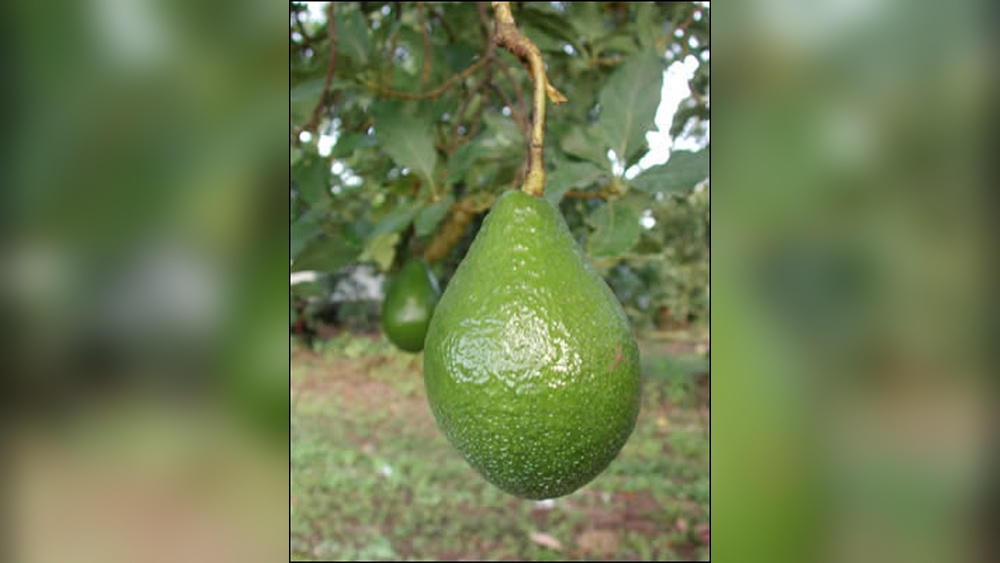
Booth avocado trees produce large, pear-shaped fruits. They handle Florida’s heat and occasional cold well. Booth avocados have thick skin and creamy flesh. These trees often bear fruit in winter months.
Credit: askthegreengenie.com
Cold Hardy Avocado Types
Growing avocados in Central Florida requires choosing types that handle cold well. Cold hardy avocado types survive cooler temperatures better. These varieties reduce the risk of frost damage. They allow you to enjoy fresh fruit even in colder months.
Understanding which avocado trees withstand cold helps you pick the best one. Some types come from Mexico and have adapted to chilly climates. Others are hybrids created for hardiness and fruit quality. Learning frost survival tips also protects your trees.
Mexican Varieties
Mexican avocado types are the most cold tolerant. Their thin skins and smaller size help them endure cold. Popular types include Mexicola, Mexicola Grande, and Winter Mexican. These trees can handle temperatures down to 26°F (-3°C).
Bacon and Duke are other Mexican varieties known for cold hardiness. They produce tasty avocados with smooth textures. These types grow well in Central Florida’s climate. Their ability to resist frost makes them a smart choice.
Hybrid Options
Hybrids combine traits from Mexican, Guatemalan, and West Indian types. They offer good cold tolerance plus larger fruits. Examples are ‘Joey’, ‘Fantastic’, and ‘Lila’. These hybrids perform well in marginal cold zones.
Hybrid avocados often have strong root systems. This improves their survival in cooler weather. They also tend to have longer fruiting seasons. Hybrids provide a balance of cold resistance and quality fruit.
Frost Survival Tips
Protect young avocado trees during cold snaps. Use frost cloths or blankets to cover them at night. Mulch around the base to keep roots warm. Avoid heavy pruning before winter to reduce stress.
Plant trees in locations with good air drainage. Avoid low spots where cold air collects. Water trees well before frost events. Moist soil holds heat better than dry soil. These steps improve your tree’s chance to survive frost.
Pollination Essentials
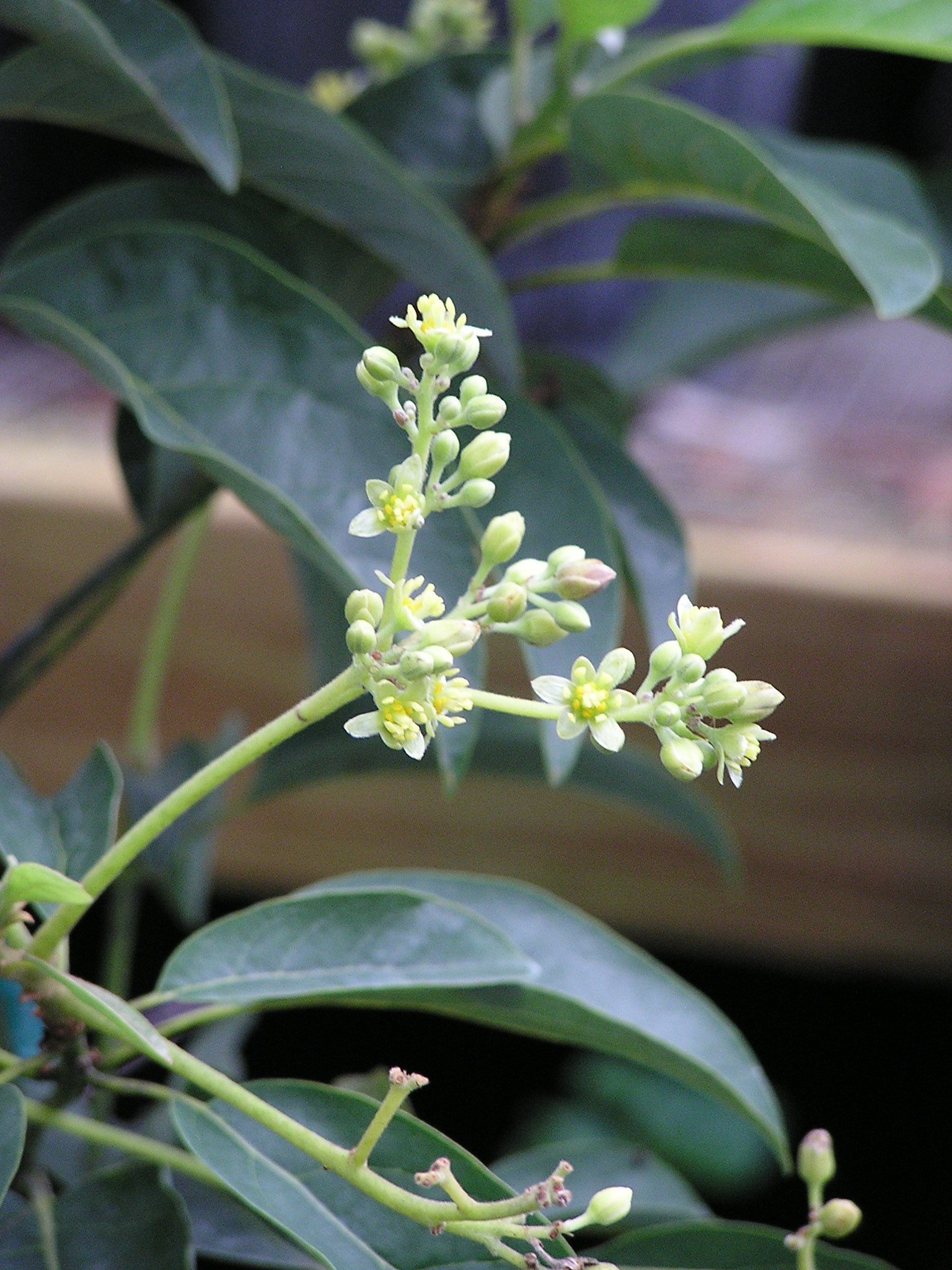
Pollination is key to a healthy avocado harvest in Central Florida. Avocado trees have a unique flowering behavior. They open their flowers twice, once as female and once as male. This means they need the right partner tree nearby for pollination. Without proper pollination, fruit production can drop significantly.
Choosing the right type of avocado tree and managing pollination can improve fruit yield. Understanding the types of trees and how to support fruit set helps gardeners grow better avocados.
Type A And Type B Trees
Avocado trees fall into two categories: Type A and Type B. These types differ in their flower opening times. Type A flowers open as females in the morning and as males in the afternoon. Type B flowers do the opposite, opening as females in the afternoon and males the next morning.
Planting both Type A and Type B trees close to each other helps cross-pollination. Bees and other pollinators transfer pollen between the different types. This process boosts the chances of fruit developing on both trees.
Improving Fruit Set
To improve fruit set, plant at least one Type A and one Type B avocado tree. Space them within 20 to 30 feet for easy pollinator access. Avoid using pesticides during flowering to protect pollinators.
Hand pollination can also help. Gently transfer pollen using a small brush between flowers of different tree types. This technique increases fruit numbers, especially in small gardens.
Credit: www.edisonfordwinterestates.org
Growing Conditions In Central Florida
Central Florida offers a unique climate for growing avocado trees. The region’s warm temperatures and seasonal rainfall create a suitable environment. Understanding the specific growing conditions helps select the best avocado tree variety. Proper care ensures healthy growth and fruitful harvests.
Sunlight Needs
Avocado trees need full sunlight to thrive. They require at least six hours of direct sun daily. Morning sun is especially important to warm the tree. Avoid planting in shaded or crowded areas. Good sunlight promotes strong branches and better fruit production.
Soil Requirements
Well-draining soil is essential for avocado trees in Central Florida. Sandy loam soils work best for root health. Avoid heavy clay soils that hold water and cause root rot. The soil should be slightly acidic to neutral, with a pH of 6 to 7. Adding organic matter improves soil structure and nutrients.
Watering Practices
Consistent watering supports young avocado trees’ growth. Deep watering helps roots grow strong and deep. Allow the soil to dry slightly between watering sessions. Overwatering can lead to root diseases and poor tree health. Mature trees need less frequent watering but still benefit from regular moisture.
Flavor And Fruit Quality
Choosing the best avocado tree for Central Florida means understanding the flavor and fruit quality. These factors make your harvest enjoyable and worthwhile. The taste, size, and how long the fruit lasts after picking affect your experience. This section covers the key points to know about avocado fruit quality in this region.
Buttery And Rich Flavors
Avocados from Central Florida often have a creamy, buttery taste. This flavor is smooth and mild, perfect for salads or spreads. Some varieties offer a nutty hint, adding depth to their profile. Richness comes from the natural fats inside the fruit. These fats give avocados their signature silky texture. A good avocado tree produces fruit with consistent, high-quality taste.
Size And Oil Content
Fruit size varies by avocado type. Larger fruits can weigh up to a pound or more. Bigger fruits usually have more oil, which enhances flavor and texture. Oil content is important because it affects creaminess and richness. Trees like Super Hass thrive in Central Florida, yielding fruit with high oil levels. This makes the avocados perfect for guacamole and other dishes.
Shelf Life
Good avocado trees also produce fruit with longer shelf life. This means the fruit stays fresh after picking. A longer shelf life reduces waste and allows more time to enjoy the fruit. Varieties such as Super Hass hold their freshness well. Proper storage after harvest can extend this even further. Choosing trees with durable fruit helps gardeners and sellers alike.

Credit: floridafruitgeek.com
Planting And Care Tips
Planting and caring for avocado trees in Central Florida requires attention to detail. The region’s climate suits certain avocado varieties well. Proper location, frost protection, and pruning ensure healthy growth and fruit production. Follow these simple tips to help your tree thrive.
Choosing The Right Location
Select a spot with full sun exposure. Avocado trees need at least 6 hours of sunlight daily. The soil should be well-draining to prevent root rot. Avoid low areas where water collects after rain. Plant your tree away from strong winds to protect delicate branches. Give enough space for the tree to grow wide and tall.
Frost Protection Strategies
Central Florida can experience occasional frost. Protect young avocado trees by covering them with frost cloths or blankets at night. Use stakes to keep the cover from touching leaves. Water the soil before frost; moist soil holds heat better. For extra protection, use outdoor-safe heaters or string lights around the tree. Remove covers during the day to allow sunlight and air circulation.
Pruning And Maintenance
Prune your avocado tree to shape it and remove dead branches. Cut back any crossing or weak limbs to improve air flow. Pruning encourages stronger growth and better fruit production. Remove suckers growing from the base to focus the tree’s energy. Check the tree regularly for pests and diseases. Water deeply but infrequently, allowing soil to dry between watering.
Conclusion
Choosing the right avocado tree makes growing easier in Central Florida. Super Hass stands out for its rich flavor and hardiness. Cold-hardy varieties like Mexicola Grande protect your tree during colder months. Plant your avocado in well-draining soil with full sun exposure.
Regular care ensures healthy growth and good fruit yield. Start your avocado journey with these tips for success. Enjoy fresh, homegrown avocados from your own garden soon.