If you’ve ever dreamed of growing your own bananas right in your Florida backyard, you’re in the right place. But did you know that not all banana varieties are a perfect fit for Florida’s unique climate?
Choosing the best banana to grow here can make all the difference between a lush, fruitful plant and a struggling one. You’ll discover which banana types thrive in Florida’s heat and humidity, how to protect them from cold snaps, and simple tips to help your banana plants flourish.
Keep reading to find out how you can enjoy fresh, homegrown bananas no matter where you live in the Sunshine State.
Banana Growth In Florida
Banana growth in Florida benefits from the state’s warm climate and rich soil. Many gardeners enjoy growing bananas for fresh fruit and tropical appeal. Understanding local conditions helps select the best banana types for success.
Bananas need heat and moisture to grow well. Florida offers these conditions in many areas, making it a suitable place to cultivate bananas.
Climate Suitability
Florida’s climate is mostly warm and humid, ideal for banana plants. Bananas grow best in temperatures between 75°F and 95°F. They do not tolerate frost or freezing weather. High humidity supports banana growth by preventing leaf drying. Consistent rainfall or irrigation helps maintain soil moisture. Dry or cold periods can slow growth or damage plants.
Geographic Regions
South Florida offers the best conditions for bananas. The long growing season and warm winters support many banana varieties. Central Florida can grow bananas too, but cold protection is needed in winter. North Florida is less suitable due to colder winters. Some cold-hardy banana types may survive there with extra care. Choosing the right location with good sun and drainage improves growth.
Frost Impact
Frost can harm banana plants by damaging leaves and stems. Severe frost may kill the above-ground parts of the plant. Fortunately, banana roots often survive and can regrow. Protecting plants during cold snaps is important. Covering plants or using mulch helps reduce frost damage. Selecting frost-tolerant varieties also reduces risk in cooler areas.
Key Growing Factors
Growing bananas in Florida requires attention to several key factors. These factors help the plants thrive and produce healthy fruit. Understanding climate, soil, sunlight, water, and wind conditions is essential. Each element plays a role in the success of banana cultivation.
Ideal Climate Conditions
Bananas prefer warm, humid climates. Florida’s southern and central regions offer the best conditions. Temperatures should stay above 50°F. Frost can harm or kill banana plants. Avoid planting where freezes happen often. Humidity helps the plants grow strong leaves and fruit.
Soil Requirements
Bananas need rich, well-drained soil. Organic matter boosts soil fertility and moisture retention. Avoid heavy clay or sandy soils that drain too fast. Slightly acidic to neutral pH (5.5 to 7) works best. Good drainage prevents root rot and disease.
Sunlight Needs
Banana plants grow best in full sun. They need at least six hours of direct sunlight daily. Some varieties tolerate partial shade but may produce less fruit. Bright light supports healthy leaf growth and sugar development in bananas.
Watering Practices
Consistent moisture is critical for banana plants. Water deeply and regularly, especially during dry spells. The soil should stay moist but not waterlogged. Mulching helps keep soil damp and cool. Avoid letting the soil dry out completely.
Wind Protection
Banana leaves are large and can tear easily in strong winds. Plant bananas in sheltered spots to reduce damage. Use windbreaks like fences or trees to protect plants. Shielding the trunk also prevents stress and breakage. Calm conditions help plants grow taller and healthier.
Regional Growing Tips
Growing bananas in Florida varies by region due to climate differences. Each area has unique conditions that affect banana growth. Understanding these helps gardeners pick the right variety and care for plants properly. Here are some tips based on Florida’s regions.
South Florida Varieties
South Florida offers warm temperatures year-round. This region supports many banana varieties. The Dwarf Namwa thrives here with its sweet taste. Other popular types include the Red Banana and Cavendish. Soil is rich and well-drained, perfect for banana roots. Regular watering and full sun boost growth. Wind protection is important to prevent leaf damage. South Florida’s long growing season means fruit often ripens twice a year.
Central Florida Challenges
Central Florida faces cooler winters and occasional frost. Bananas can grow but need extra care. Plant in spots with full sun and good drainage. Use mulch to keep roots warm and moist. Cover plants during cold snaps to prevent damage. Cold-hardy varieties like the Basjoo or Japanese fiber banana do better here. Avoid planting in low areas where cold air settles. Consistent watering helps plants recover after cold weather.
North Florida Strategies
North Florida has the coolest climate in the state. Bananas need strong protection here. Use windbreaks and plant near south-facing walls. Wrap trunks with frost cloth during winter. Choose cold-tolerant types like the Japanese fiber banana. Growing bananas in containers allows moving them indoors during freezes. Regularly check soil moisture to prevent drying. With care, bananas can survive and produce fruit in North Florida.
Top Banana Varieties
Choosing the right banana variety ensures a healthy plant and tasty fruit in Florida’s climate. The state’s warm weather suits many banana types. Some varieties stay small, perfect for limited space. Others grow tall and bring unique flavors. Here are the top banana varieties to grow in Florida gardens.
Dwarf Cavendish
Dwarf Cavendish bananas are popular and easy to grow. They stay short, usually under 6 feet tall. This makes them ideal for small yards. Their fruit is sweet and familiar to most people. These bananas ripen quickly in Florida’s warm climate.
Dwarf Namwa
Dwarf Namwa is a favorite in Florida for its delicious taste. The bananas are shorter and thicker than Cavendish. They have a creamy texture and sweet flavor. This variety does well in warm, humid areas and produces fruit year-round.
Japanese Fiber Banana
The Japanese Fiber Banana is more cold-hardy than other types. It grows tall with broad leaves. Its fruit is smaller and less sweet but useful for cooking. This banana is great for northern parts of Florida where frost is a concern.
Black Thai
Black Thai bananas have dark purple skin and a rich flavor. They are smaller and sweeter than many other bananas. This variety prefers warm, sheltered spots. Their unique color adds visual interest to any garden.
Dwarf Orinoco
Dwarf Orinoco bananas are known for their versatility. The fruit is sweet and starchy, suitable for cooking or eating raw. Plants remain compact, making them good for small spaces. They thrive in Florida’s humid and warm conditions.
Cold-hardy Banana Options
Cold-hardy banana options allow gardeners in Florida to grow bananas despite occasional cold snaps. These varieties tolerate lower temperatures better than typical tropical bananas. They provide a way to enjoy fresh bananas even in cooler parts of the state. Choosing the right cold-hardy banana helps reduce winter damage and improves survival rates.
Japanese Fiber Banana Benefits
The Japanese fiber banana is known for its strong cold tolerance. It can survive brief frosts that would harm other banana plants. This banana produces large leaves that add tropical beauty to gardens. It also has tough fibers useful for crafting and weaving. Though it does not produce large edible fruit, its resilience makes it a popular choice in Florida.
Black Thai Adaptations
Black Thai bananas adapt well to Florida’s variable climate. They handle cool temperatures better than many common banana varieties. Their fruit is small but sweet, offering a unique flavor. The plant’s sturdy structure helps it resist wind and cold damage. Gardeners appreciate Black Thai for its balance of hardiness and edible fruit.
Winter Protection Techniques
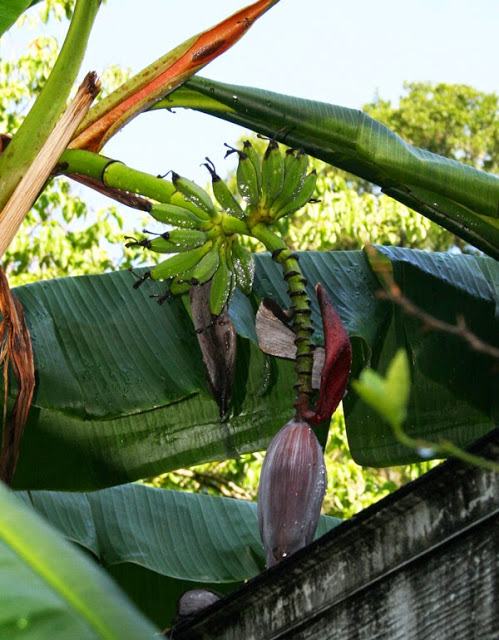
Protecting banana plants during Florida winters ensures their survival and growth. Covering the base with mulch insulates roots from cold. Wrapping the trunk in frost cloth shields it from freezing winds. Moving potted bananas indoors or to sheltered areas prevents cold damage. Regular watering before cold spells helps plants stay healthy through winter.
Credit: thesurvivalgardener.com
Planting And Care Tips
Growing bananas in Florida requires careful planting and ongoing care. Proper steps help your banana plants thrive and produce healthy fruit. Follow these simple tips to give your banana plants the best start and keep them strong.
Site Selection
Choose a sunny spot with some protection from strong winds. Bananas need at least six hours of sunlight daily. Avoid low areas where water can collect and cause root rot. A well-drained location helps keep plants healthy.
Soil Preparation
Use rich, loose soil with good drainage for planting. Mix in organic compost or aged manure to improve soil nutrients. Test soil pH and aim for 5.5 to 7.0 for best growth. Avoid heavy clay soil that holds water.
Water Management
Bananas need consistent moisture but not soggy soil. Water deeply once or twice a week depending on weather. Mulch around plants to keep soil moist and cool. Reduce watering during rainy periods to prevent overwatering.
Pruning And Maintenance
Remove dead or damaged leaves regularly to keep plants healthy. Cut off older stems after fruit harvest to encourage new growth. Thin suckers, leaving only one or two strong shoots per plant. Check for pests and treat early to avoid damage.
Harvesting And Growth Timeline
Understanding the harvesting and growth timeline is key to successfully growing bananas in Florida. The process from planting to harvest varies by variety and climate conditions. Tracking the plant’s development helps ensure the fruit is picked at peak ripeness. Proper timing also reduces the risk of damage from pests or weather.
Banana plants need care throughout their growth to produce healthy fruit. Knowing when to expect growth milestones and how to handle the fruit after harvest enhances yield and quality. This section breaks down the timeline and important steps for Florida growers.
Growth Duration
Banana plants typically take 9 to 12 months to mature. Warm, humid Florida conditions speed up growth. Some varieties, like the Dwarf Namwa, may mature faster. The plant first develops a strong stalk and large leaves. Flowering begins around 6 to 8 months after planting. Fruit starts forming soon after. Regular watering and protection from cold help maintain steady growth.
Harvest Indicators
Bananas are ready to harvest when the fruit is plump and the edges are rounded. The fingers turn from dark green to a lighter shade. The flower bract falls off as the fruit matures. The fruit should be firm but not hard. Harvest before the bananas start to yellow on the plant. Picking at this stage helps the fruit ripen evenly off the stalk.
Post-harvest Handling
Handle bananas gently to avoid bruising. Cut the whole bunch carefully from the plant. Keep the fruit in a cool, shaded place. Avoid direct sunlight, which speeds up ripening. Bananas ripen faster in warm conditions. Storing them at room temperature allows natural ripening. For longer storage, keep them slightly cool but not cold. Proper handling preserves taste and texture for eating or selling.
Credit: blogs.ifas.ufl.edu
Common Challenges
Growing bananas in Florida offers great rewards but also brings specific challenges. Understanding these issues helps growers protect their plants effectively. The warm climate suits bananas, yet pests, diseases, frost, and nutrient problems can slow growth or reduce yields. Recognizing these common challenges is key for success.
Pests And Diseases
Banana plants attract many pests in Florida. Aphids, banana weevils, and nematodes often attack roots and leaves. These pests cause damage that weakens the plant and lowers fruit quality. Diseases such as Panama disease and Black Sigatoka also threaten banana crops. These fungal infections spread quickly and stunt growth. Regular monitoring and early treatment reduce harm. Using resistant varieties helps limit losses.
Frost Damage
Frost is a serious problem for bananas in Florida, especially in Central and North regions. Bananas are tropical and do not tolerate freezing temperatures. Frost can kill leaves and damage the plant’s pseudostem. After a frost, plants may recover slowly or die back completely. Covering plants and choosing frost-hardy varieties offer some protection. Planting in sheltered spots reduces cold exposure.
Nutrient Deficiencies
Bananas need rich soil to grow well. Deficiencies in potassium, nitrogen, or magnesium affect leaf color and fruit size. Yellowing leaves and slow growth signal nutrient problems. Regular soil tests help detect these deficiencies early. Applying balanced fertilizers supports strong, healthy plants. Organic matter improves soil quality and nutrient uptake.
Credit: gardenvive.com
Conclusion
Choosing the right banana variety helps ensure a healthy, fruitful garden in Florida. Warmth, sunlight, and water keep banana plants strong. South Florida’s climate suits many varieties best. Central and North Florida need extra care to protect plants from cold.
Dwarf Namwa and Japanese Fiber Banana offer good options for these areas. Growing bananas can be rewarding and fun with proper care. Start small, watch your plants grow, and enjoy fresh bananas at home.