When winter arrives in Texas, you might think your garden has to take a break. But that’s not true!
You can keep your outdoor space vibrant and alive even during the colder months. Imagine stepping outside to see colorful blooms, fresh greens, and sturdy evergreens that thrive despite the chill. Whether you’re a seasoned gardener or just starting out, choosing the right plants for Texas winters makes all the difference.
In this guide, you’ll discover the top 10 best outdoor plants that not only survive but flourish in the Texas winter season. Ready to transform your garden into a winter wonderland? Keep reading to find out which plants will brighten your yard and bring joy through the cooler days ahead.
Cold-tolerant Flowers
Cold-tolerant flowers bring color and life to Texas gardens during winter. These plants survive chilly temperatures and brighten outdoor spaces. Choosing the right flowers ensures your garden stays vibrant all season. Below are some top cold-hardy flowers perfect for Texas winters.
Pansies And Violas
Pansies and violas are classic winter flowers. They bloom in bright purples, yellows, and blues. These flowers handle cold weather well and offer long-lasting color. Plant them in well-drained soil for best results. They also attract bees and butterflies, adding life to your garden.
Snapdragons
Snapdragons add height and bold color to winter gardens. These tender perennials return each year in North Texas. They come in reds, pinks, whites, and yellows. Snapdragons prefer sunny spots and need regular watering. Their tall flower spikes create striking garden displays.
Cyclamen
Cyclamen produce bright pink, red, or white flowers. They thrive in cooler weather and partial shade. These plants prefer moist, well-drained soil. Cyclamen’s unique blooms add charm to winter flower beds. Their heart-shaped leaves have attractive patterns, enhancing garden texture.
Sweet Alyssum
Sweet Alyssum forms small, fragrant flower clusters. These flowers create a lovely, low groundcover. They bloom in white, purple, or pink shades. Sweet Alyssum is cold-tolerant and easy to grow. Their scent attracts beneficial insects, helping garden health.
Dusty Miller
Dusty Miller offers silvery-gray foliage for garden contrast. Its leaves are soft and velvety. This plant withstands frost and adds texture to flower beds. Dusty Miller pairs well with colorful flowers for a balanced look. It requires full sun and well-drained soil.
Textural Foliage Plants
Textural foliage plants bring unique shapes and colors to Texas winter gardens. Their leaves create visual interest even when flowers are scarce. These plants thrive in cooler weather and add depth to outdoor spaces. They are perfect for layering with other winter plants to enhance garden design. Texas winters are mild enough for many textural plants to survive and flourish.
Ornamental Kale
Ornamental kale offers vibrant colors and curly leaves. Its shades range from green to purple and white. This plant grows well in Texas winter gardens. The leaves form rosette shapes that add texture and boldness. Ornamental kale can handle frost and cold temperatures. It requires full sun and well-drained soil for best growth. Use it in borders or containers for eye-catching displays.
Ornamental Cabbage
Ornamental cabbage looks similar to kale but has smoother leaves. Its colors include pink, red, green, and white. This plant adds a soft, leafy texture to winter landscapes. It thrives in cool weather and withstands frost. Ornamental cabbage prefers sunny spots and moist soil. It brightens garden beds with its rich, layered foliage. Combine with other winter plants for a lively garden scene.
Evergreens And Shrubs
Evergreens and shrubs bring life to Texas gardens during winter. They keep yards green and lively when many plants sleep. These plants handle cold and dry spells well. Their steady color and shape add beauty and structure. Perfect for low-maintenance outdoor spaces.
Holly
Holly stands out with bright red berries and glossy leaves. It stays green all winter, adding festive color. Birds love its berries for food. Holly grows well in Texas soil and sun. It also works as a natural privacy screen.
Juniper
Juniper is tough and drought-resistant. Its needle-like leaves come in green and blue shades. This shrub grows in many shapes, from low ground cover to tall bushes. Juniper keeps its color and texture through cold months. It fits well in rock gardens or borders.
Boxwood
Boxwood is a classic evergreen shrub with small, dense leaves. It shapes easily into hedges or topiaries. Boxwood stays green all winter and adds neat, formal lines to gardens. It thrives in partial shade and well-drained soil. Great for defining garden spaces.
Winter Honeysuckle
Winter honeysuckle blooms with sweet-smelling flowers in cold months. Its yellow or creamy blossoms brighten dull winter days. This shrub grows quickly and covers fences or walls. It attracts pollinators and adds fragrance to outdoor areas. Hardy and easy to grow in Texas.
Winter Edible Plants
Winter in Texas offers a unique chance to grow edible plants outdoors. The mild cold supports many vegetables and herbs that thrive in cooler weather. Growing winter edibles helps keep your garden productive year-round. These plants add fresh flavors to your meals and bring life to your winter garden.
Choosing the right edible plants ensures a healthy harvest despite lower temperatures. Focus on hardy varieties that resist frost and grow well in short daylight. Let’s explore the best winter edible plants for Texas gardens.
Leafy Greens
Leafy greens are perfect for Texas winters. They grow quickly and tolerate cold well. Varieties like kale, spinach, and Swiss chard are excellent choices. These greens need fertile soil and regular watering for best growth. They add color and nutrition to your winter garden. Harvest leaves regularly to encourage new growth.
Lettuce and arugula also thrive in winter. Their mild flavors brighten salads and sandwiches. Plant seeds in late fall to enjoy fresh leaves all season. Leafy greens require little space, making them ideal for small gardens or containers.
Roots And Herbs
Root vegetables store energy underground, protecting them from cold. Carrots, radishes, and turnips grow well in Texas winters. They need loose, well-drained soil to develop strong roots. Plant them early in the season for a steady harvest. These roots add texture and taste to winter meals.
Herbs like rosemary and thyme are hardy and fragrant. They survive mild freezes and provide fresh seasoning year-round. Plant herbs in sunny spots with good airflow. Regular trimming encourages healthy growth and keeps plants bushy. Winter herbs boost your cooking and your garden’s appeal.
Planting Tips For Texas Winters
Planting outdoor plants in Texas winters needs careful planning. The right timing, understanding hardiness zones, and soil preparation ensure strong, healthy plants. These tips help gardeners enjoy vibrant winter gardens despite chilly weather.
Optimal Planting Time
Plant in late fall or early winter as soon as soil cools. This timing lets plants settle before colder weather arrives. Avoid planting too late to prevent frost damage. Early planting encourages root growth for spring blooms.
Hardiness Zones
Texas has zones from 6 to 9, each with different cold levels. Choose plants that match your zone’s temperature range. Hardy plants survive freezes better and need less protection. Check zone maps before buying to pick suitable species.
Soil Preparation
Healthy soil supports strong winter plants. Test soil pH and add lime or sulfur to adjust it. Mix organic matter like compost to improve drainage and nutrients. Loosen soil to help roots grow deep and access water easily.
Maintaining Winter Gardens
Maintaining a winter garden in Texas requires special care. The mild but sometimes unpredictable cold calls for smart gardening habits. Proper watering, frost protection, and pest control keep plants healthy during the chilly months. These simple steps help your outdoor plants thrive and brighten your winter landscape.
Watering Practices
Water plants early in the day to avoid freezing overnight. Check soil moisture regularly, as winter rains may be less frequent. Avoid overwatering since soggy soil harms roots. Use mulch to retain soil moisture and regulate temperature. Adjust watering based on the weather and plant needs to keep them hydrated but safe.
Frost Protection
Cover sensitive plants with frost cloths or blankets during cold nights. Use stakes or frames to keep covers off leaves. Move potted plants indoors or to sheltered spots when frost is predicted. Avoid pruning just before frost; it can stress plants. Protect roots with a thick layer of mulch to insulate against cold.
Pest Management
Inspect plants regularly for pests, even in winter. Remove dead leaves and debris that hide insects. Use gentle insecticidal soaps if pests appear. Encourage beneficial insects like ladybugs to control harmful bugs naturally. Keep plants healthy with proper care to resist pest damage throughout winter.
Container Gardening Options
Container gardening offers a flexible and attractive way to grow plants during the Texas winter. It allows gardeners to bring color and life to small spaces like patios, balconies, and doorsteps. Containers can be moved to protect plants from the cold or harsh wind. This method also helps control soil quality and moisture, important for winter success.
Choosing the right plants for containers ensures they thrive despite cooler temperatures. Many winter-hardy plants fit well into pots and containers, creating a vibrant display. Proper care keeps these plants healthy and beautiful throughout the season.
Best Plants For Containers
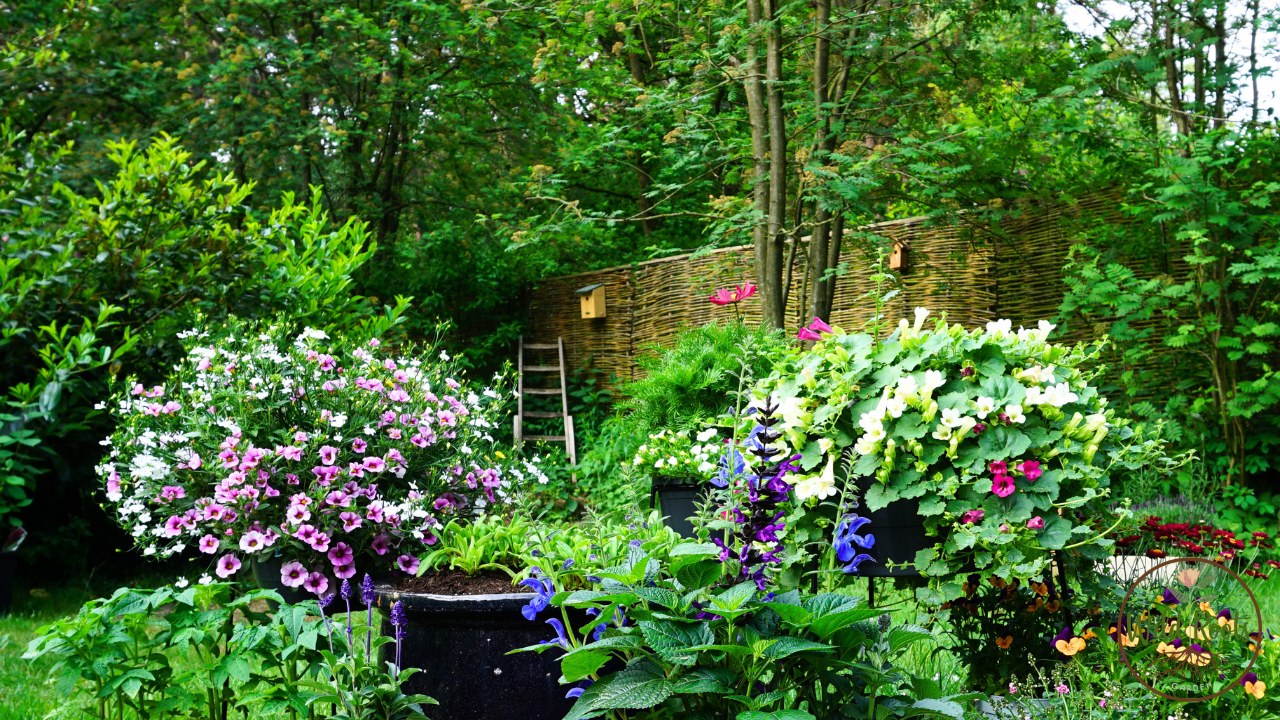
Pansies and violas are top choices for winter containers. Their bright colors stand out in the cold months. Ornamental kale and cabbage add texture with their unique leaves. Snapdragons bring height and colorful blooms to pots. Sweet alyssum creates a soft, fragrant ground cover. Cyclamen offers vivid pink, red, or white flowers that tolerate cold. Dusty miller adds a lovely silvery-gray contrast. These plants handle Texas winters well and brighten any container garden.
Winter Care For Containers
Water containers carefully to avoid overwatering in cooler weather. Check soil moisture regularly but keep it slightly dry between waterings. Place containers in spots with good sunlight, usually south-facing locations. Protect pots from frost by moving them to sheltered areas or wrapping them in insulating material. Remove dead leaves and flowers to keep plants healthy. Fertilize sparingly with a balanced fertilizer to maintain growth during winter. Following these steps helps container plants survive and flourish through Texas winters.
Adding Color And Structure
Adding color and structure to your Texas winter garden transforms dull spaces into lively scenes. The right plants bring brightness and form during colder months. Thoughtful combinations of flowers and evergreens create visual interest that lasts all season. Use foliage textures and colors for contrast to keep your garden fresh and inviting.
Combining Flowers And Evergreens
Mix bright winter flowers with sturdy evergreens for balanced appeal. Pansies and snapdragons add vibrant colors that catch the eye. Evergreens like holly and juniper provide year-round green backdrops. This blend ensures your garden stays colorful and structured through Texas winters. Flowers soften the look, while evergreens create clear shapes and lines.
Using Foliage For Contrast
Foliage adds depth and interest beyond blooms. Ornamental kale and cabbage bring bold purple and green leaves. Dusty miller’s silvery-gray leaves highlight surrounding plants. Combining different leaf textures and colors makes your garden dynamic. Contrast between soft and sharp leaves enhances the winter landscape’s appeal. This technique helps maintain a fresh look even when flowers fade.
Native Texas Winter Plants
Native Texas winter plants bring natural beauty and toughness to your garden. These plants are born to thrive in Texas’ chilly months. They need less water and care than non-natives. Choosing native plants helps maintain the local ecosystem. Birds, bees, and butterflies rely on them for food and shelter. Native plants create a healthy, sustainable garden that lasts through winter’s cold.
Benefits Of Native Species
Native plants use water efficiently and survive drought well. They adapt to local soil and weather easily. These plants resist many diseases and pests naturally. Their deep roots prevent soil erosion and improve soil health. Native species need less fertilizer and pesticides, saving money and effort. They support local wildlife by providing food and habitat. Using native plants helps keep Texas landscapes green and vibrant during winter.
Popular Native Choices
Texas sage is a popular native shrub with silver leaves and purple flowers. It blooms in winter and attracts pollinators. Coral honeysuckle adds bright red flowers and sweet fragrance. It grows well on fences or trellises. Blackfoot daisy offers white petals and yellow centers. It blooms from fall to spring with little care. Texas redbud shows pink flowers early in winter. It is a small tree that brightens any yard. These native plants bring color and life to Texas gardens all winter.
Common Mistakes To Avoid
Taking care of outdoor plants during the Texas winter season can be tricky. Many gardeners make simple mistakes that harm their plants or reduce their beauty. Avoiding these errors helps your garden thrive even when temperatures drop. Here are some common pitfalls to watch out for.
Plants To Avoid In Winter
Some plants do not survive Texas winter well. Tropical plants like hibiscus and gardenias often suffer from cold damage. Avoid planting tender species that need warm temperatures year-round. Choose hardy plants that can handle frost and occasional freezes. This choice saves time and prevents plant loss.
Overwatering Risks
Cold weather slows plant growth and water use. Overwatering can cause root rot and fungal diseases. Water only when the soil feels dry an inch below the surface. Use good drainage to prevent standing water. Proper watering keeps plants healthy through the winter months.
Ignoring Zone Differences
Texas has many climate zones, each with unique weather patterns. A plant that thrives in South Texas may not survive North Texas winters. Check your USDA hardiness zone before planting. Selecting plants suited to your local zone ensures better growth and survival. Zone awareness reduces frustration and plant failure.
Frequently Asked Questions
What Plants Grow Best In The Winter In Texas?
Pansies, Snapdragons, Violas, Sweet Alyssum, Ornamental Kale, Holly, Juniper, garlic, and leafy greens grow best in Texas winters. Plant in late fall for vibrant blooms and fresh produce.
What Are The Best Year-round Outdoor Plants In Texas?
Best year-round outdoor plants in Texas include Pansies, Snapdragons, Ornamental Kale, Holly, Juniper, garlic, and leafy greens. These tolerate Texas heat and mild winters well.
What Plant Stays Alive In Winter Outdoor?
Evergreens like Holly and Juniper, and cold-tolerant plants such as Pansies, Snapdragons, and Ornamental Kale survive winter outdoors. Leafy greens and garlic also thrive in colder months.
When To Plant Winter Flowers In Texas?
Plant winter flowers in Texas from late October to early December, when soil temperatures drop below 70°F. This timing ensures blooms last through mild winters. Choose cool-season annuals like pansies, snapdragons, and violas for vibrant, cold-tolerant color.
Conclusion
Choosing the right outdoor plants can brighten your Texas winter garden. These top 10 plants offer color, texture, and life during colder months. They handle cold well and need little care. Plant them early for best results. Enjoy a vibrant, healthy garden all winter long.
Nature’s beauty doesn’t have to fade when temperatures drop. Grow smart and watch your garden thrive through winter.