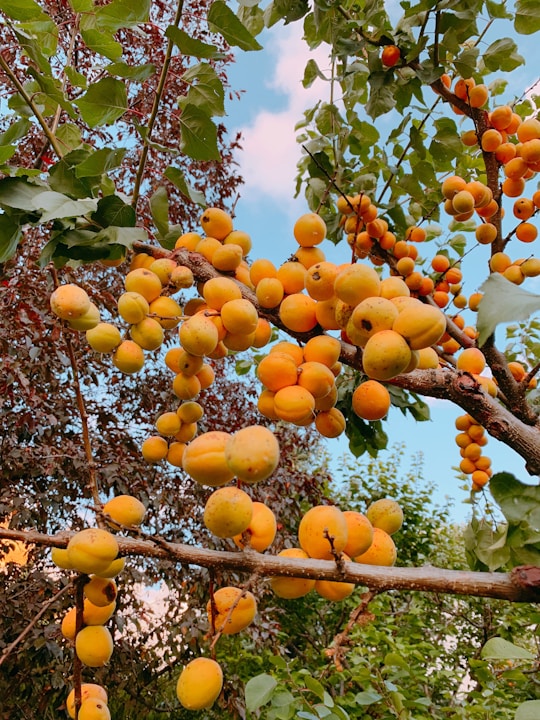
Are you curious about which fruit trees grow well in Northwest Florida? You are in the right place. This region has a warm climate with hot summers and mild winters. It also has sandy soil and some rain. These things affect what fruit trees can grow well here.
Choosing the right fruit trees is important. The right tree will give you more fruit and be easier to care for. Let’s look at the best fruit trees for Northwest Florida.
Climate and Soil in Northwest Florida
Northwest Florida is warm and humid. Summers can be very hot. Winters are usually mild but can get cool sometimes. The soil in this area is sandy and drains water quickly. This means some trees need extra water to grow well.
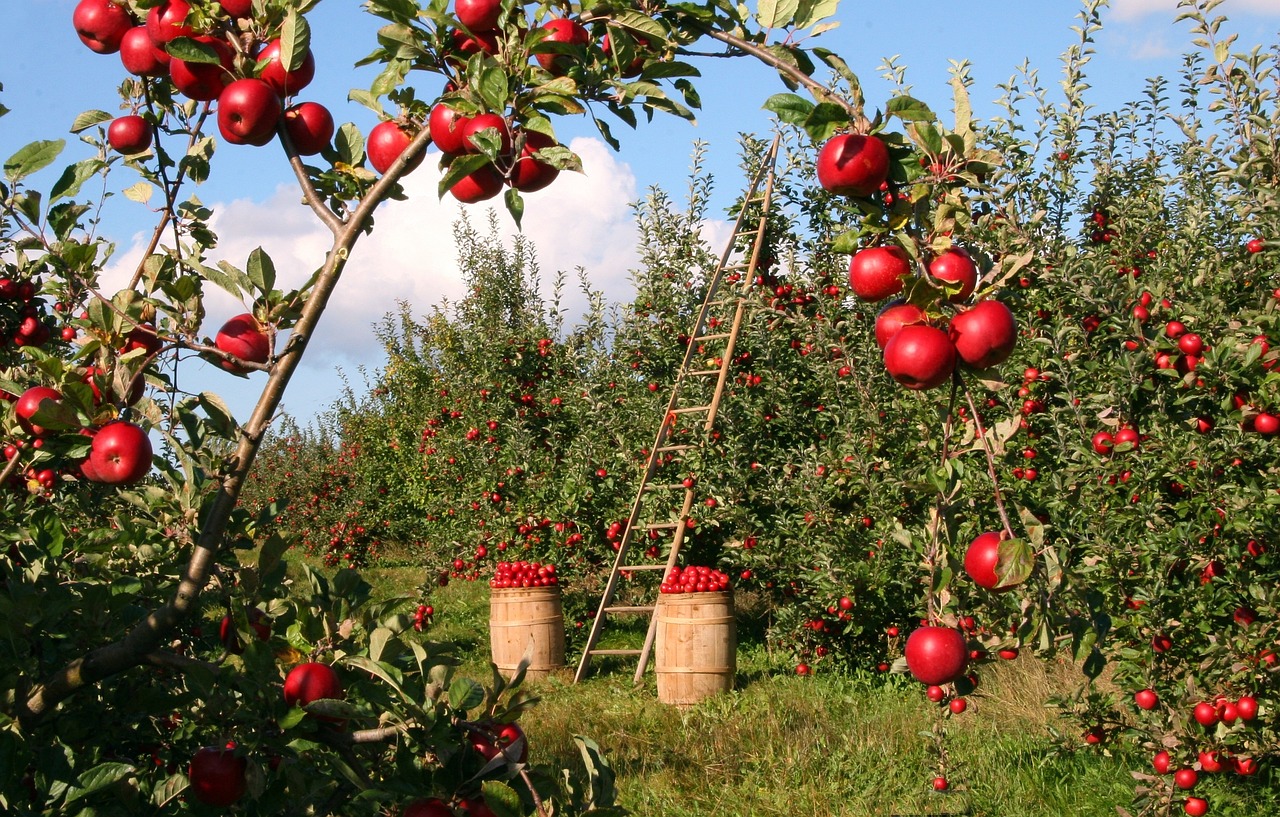
Because of this climate and soil, not all fruit trees will grow well here. Trees that like heat and can handle dry soil do best.
Best Fruit Trees for Northwest Florida
Here is a list of fruit trees that grow well in Northwest Florida. These trees can handle heat, some drought, and the soil type.
| Fruit Tree | Why It Grows Well | Fruit Uses |
|---|---|---|
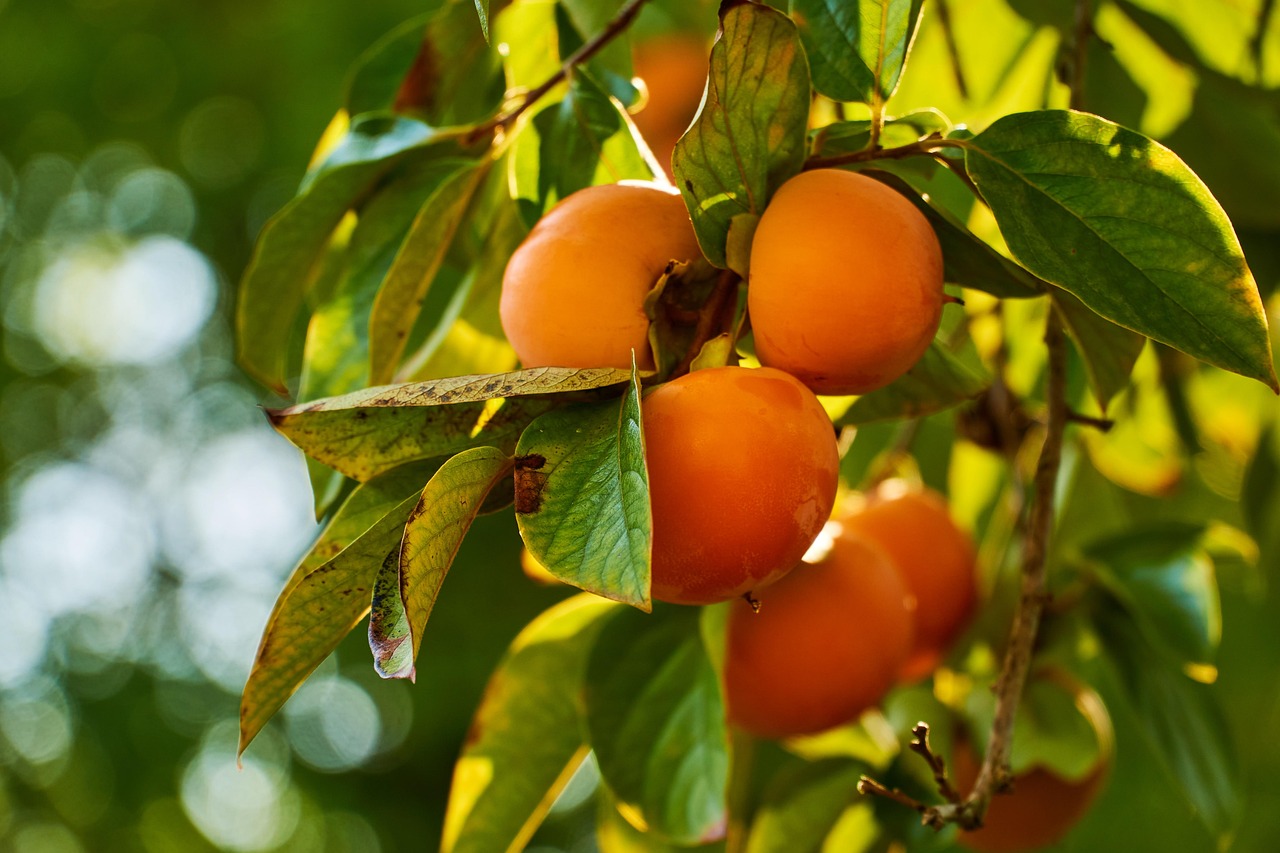
| Persimmon | Tolerates heat and dry soil. Beautiful and strong. | Eat fresh or cook in recipes. |
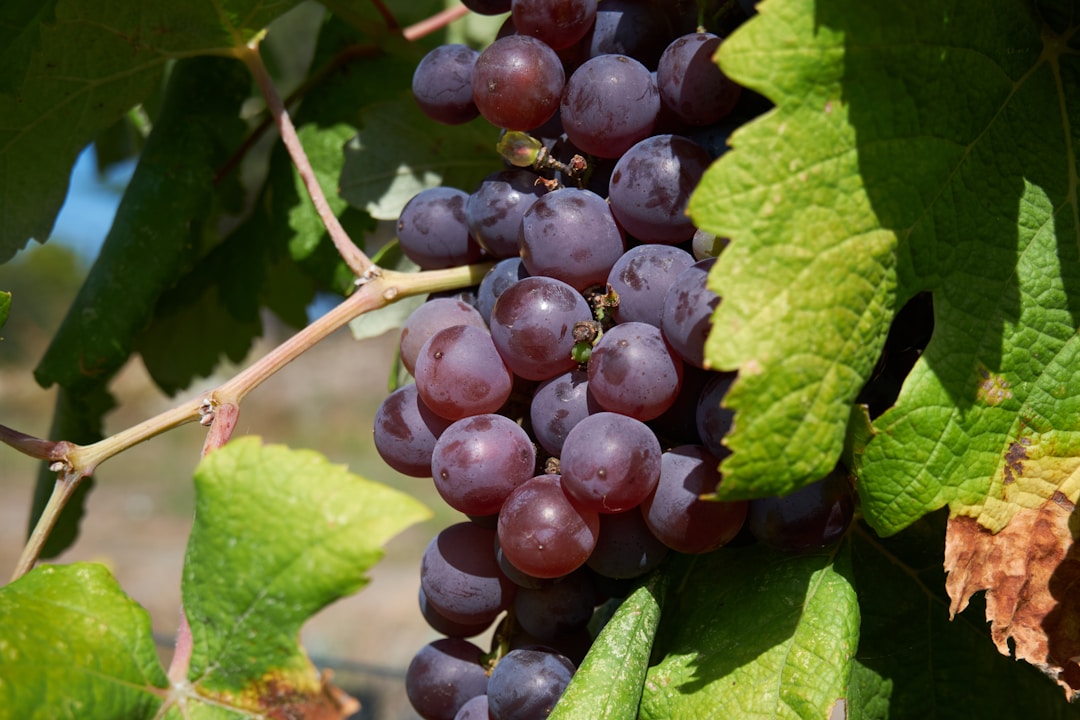
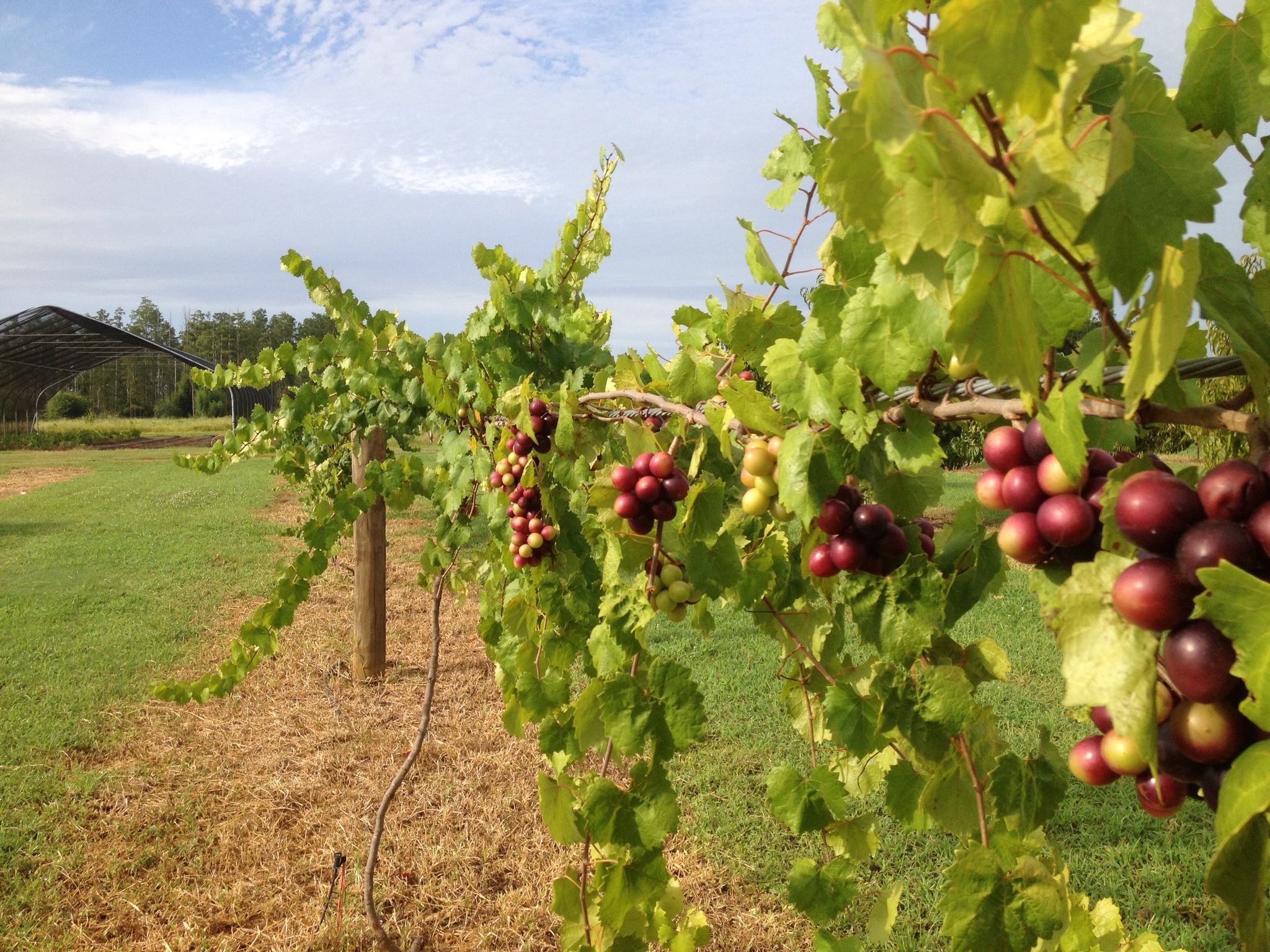
| Muscadine Grape | Likes warm weather and handles humidity. | Great for fresh eating, juice, or jelly. |
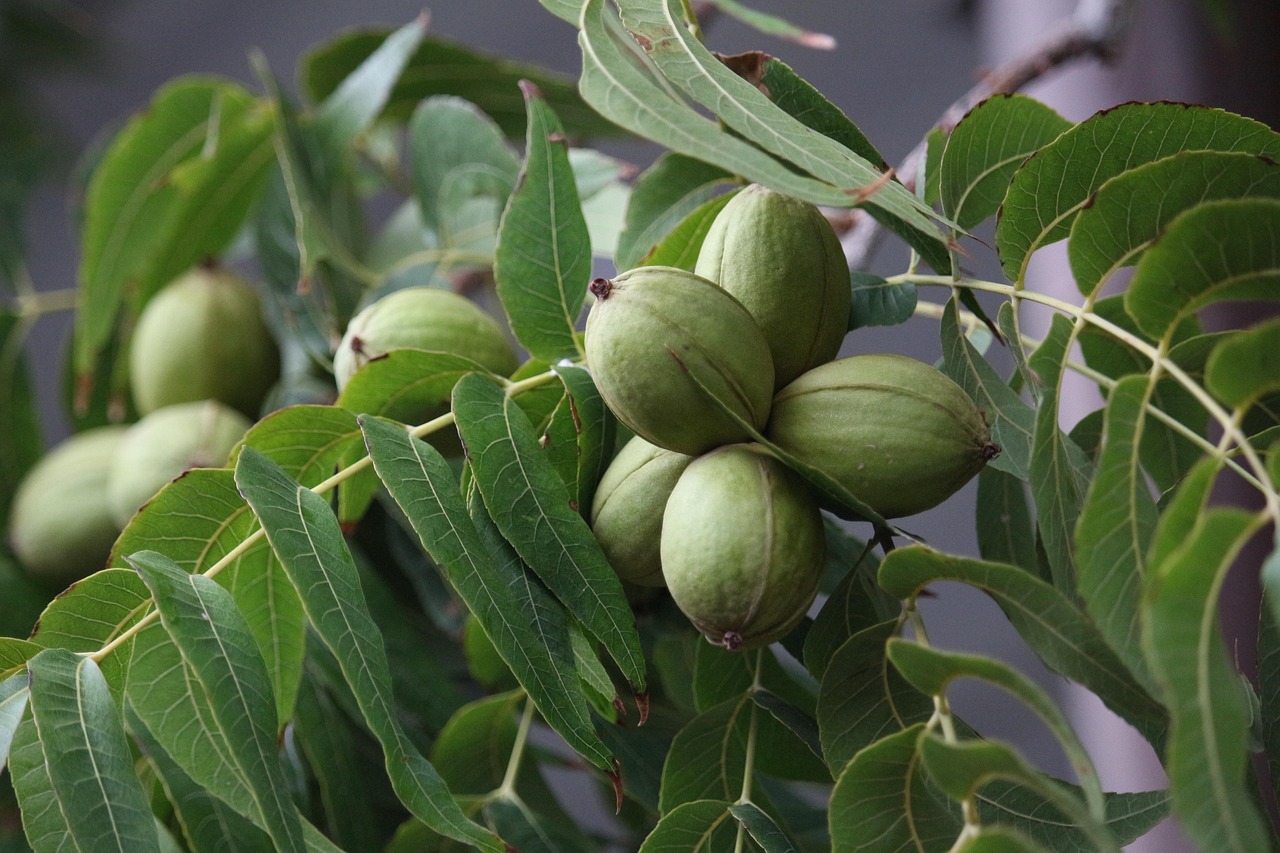
| Pecan | Strong tree, grows well in sandy soil. | Eat nuts or use in cooking. |
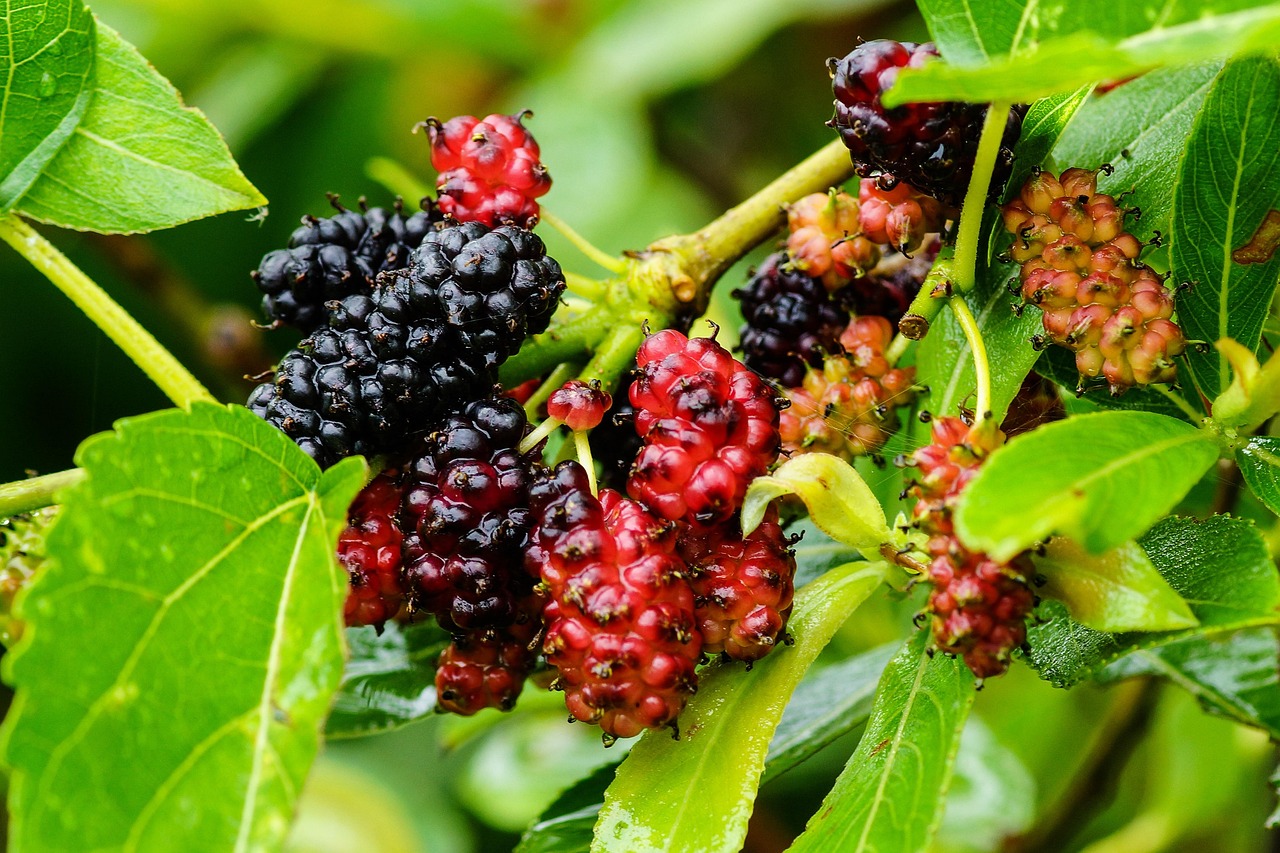
| Mulberry | Very hardy and drought-tolerant. | Eat fresh or make jams. |
| Pear | Likes warm weather, good with water. | Eat fresh or cook. |
| Blueberry | Prefers acidic soil, grows well with mulch. | Eat fresh or use in desserts. |
| Blackberry | Grows well in heat and sandy soil. | Eat fresh or make jams. |
| Fig | Very heat-tolerant and drought-resistant once grown. | Eat fresh or dry for later. |
More Details on Some Top Fruit Trees
Persimmon Trees
Persimmons are beautiful trees. They grow well in hot, dry places. The fruit is sweet when ripe. You can eat them fresh or use them in baking. Persimmons also add color to your yard.
Muscadine Grapes
Muscadine grapes are native to the Southeast. They love warm and humid weather. These grapes are bigger and thicker-skinned than common grapes. You can eat them fresh, or make juice and jelly. They also need a strong vine to climb on.
Pecan Trees
Pecans are nuts that grow on tall trees. These trees do well in sandy soil. Pecans need water but can handle some dry spells. The nuts are great for cooking and snacks. Growing pecans takes patience, but the rewards are good.
Mulberry Trees
Mulberries are very strong trees. They can grow in many soil types. Mulberries handle heat and drought well. The fruit looks like tiny black or red berries. You can eat them fresh or make jam. Birds love mulberries too!
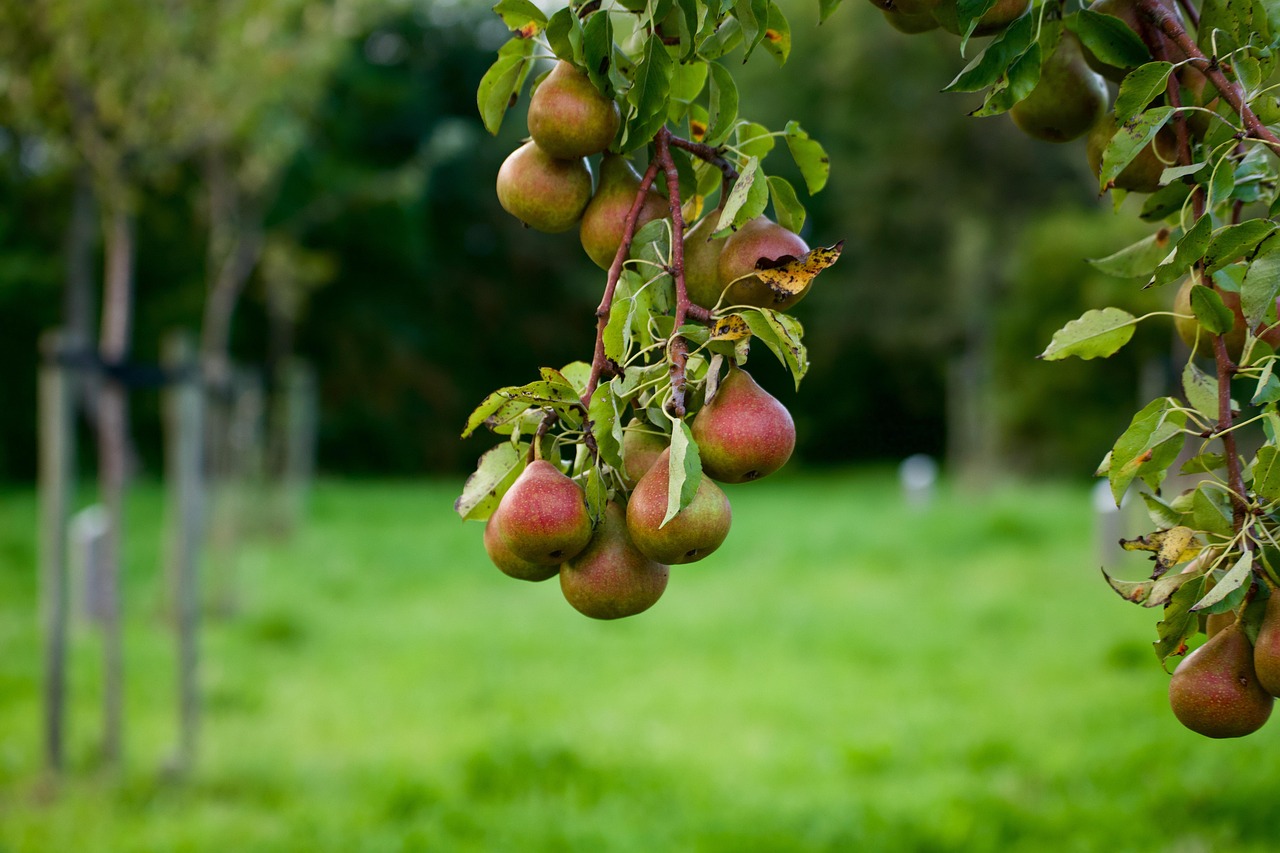
Pear Trees
Pears are tasty fruits that grow well in warm places. They need more water than some trees. Pear trees like some shade during the hottest part of the day. The fruit is good fresh or cooked.
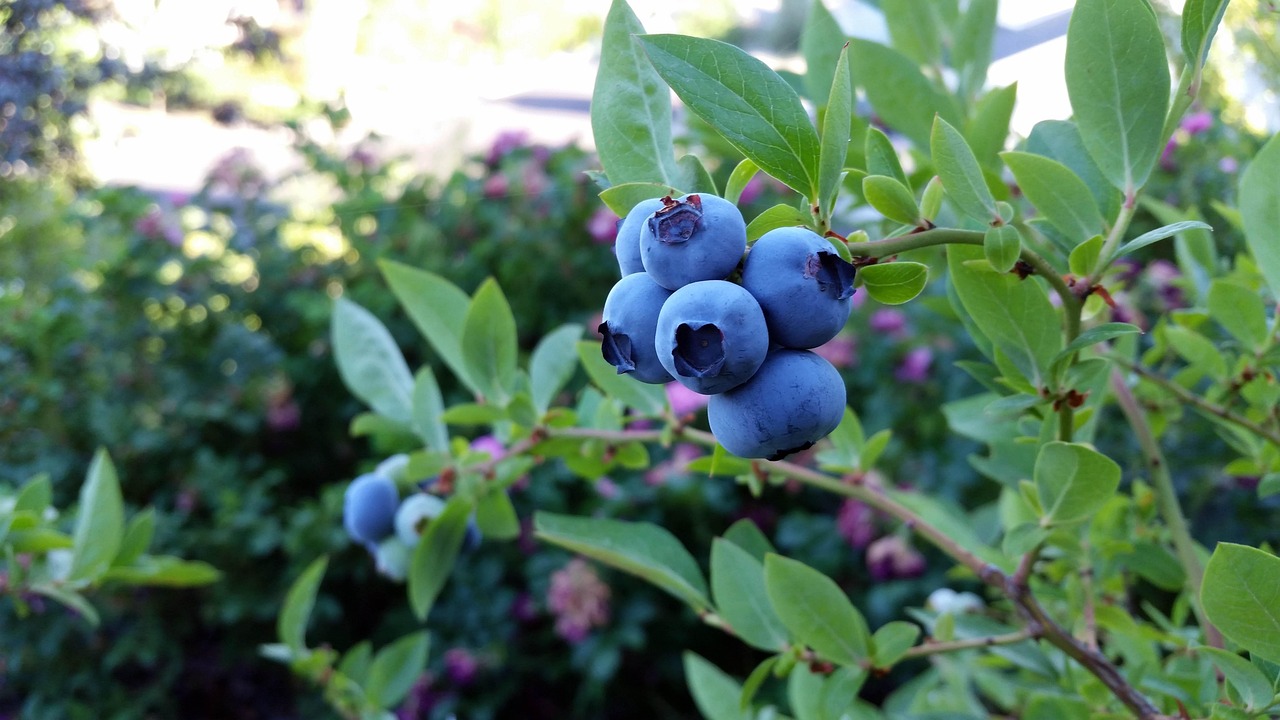
Blueberries
Blueberries need special soil. They like soil that is a little acidic. Adding mulch helps keep the soil right. Blueberries grow well in warm weather with some rain. The berries are sweet and good for snacks or desserts.
Blackberries
Blackberries grow on bushes that spread quickly. They like the heat and can grow in sandy soil. The berries are sweet and juicy. You can eat them fresh or make jams.
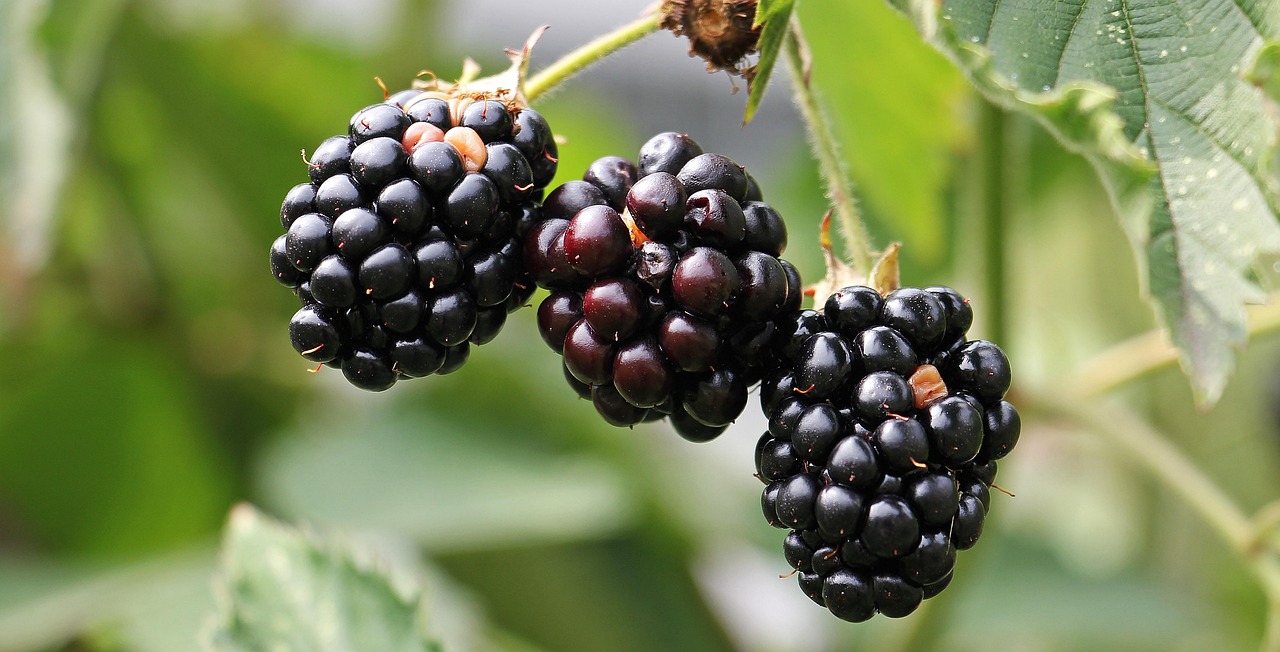
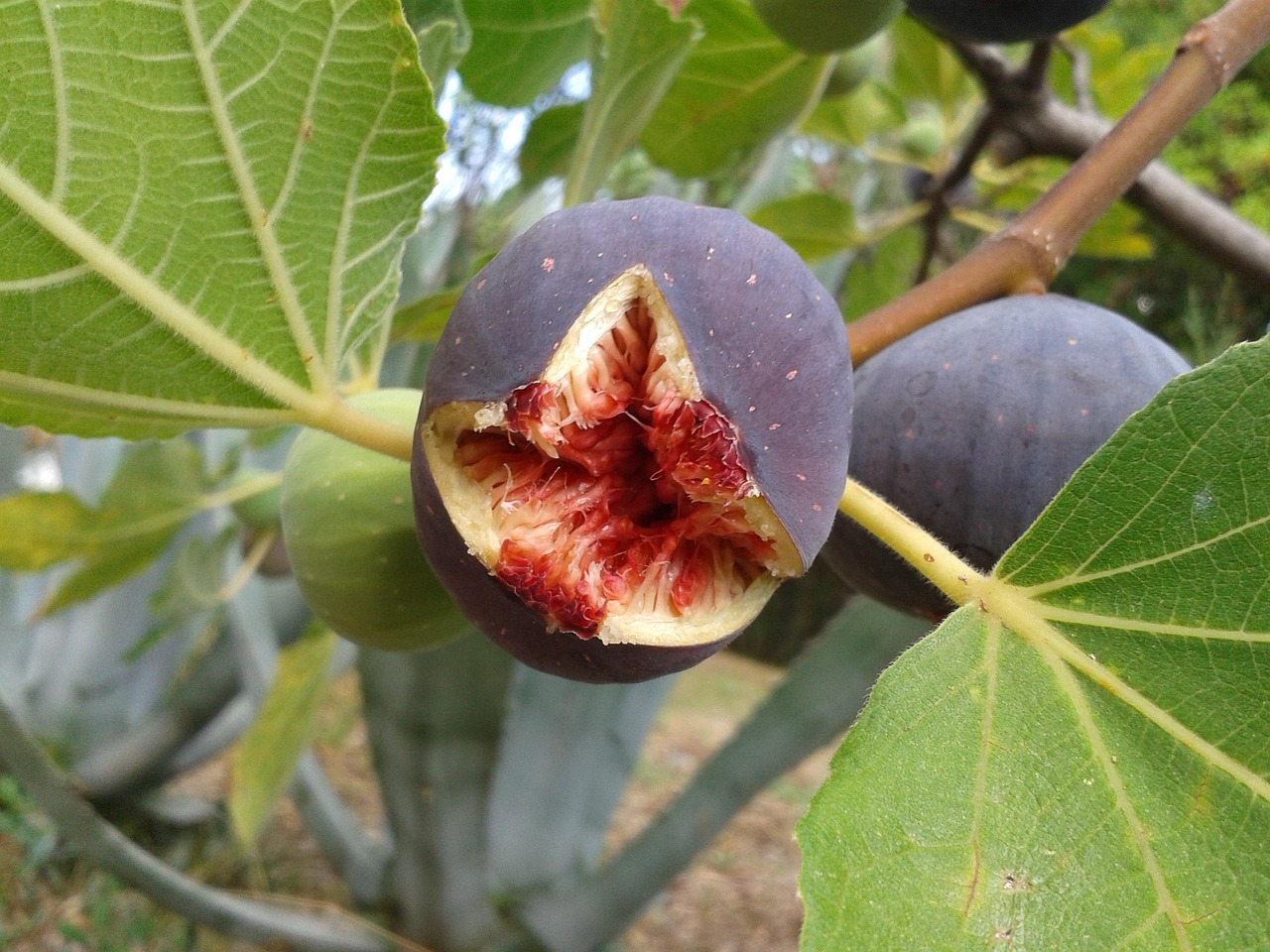
Fig Trees
Fig trees love hot weather. They do not need much water once grown. The fruit is sweet and soft. You can eat figs fresh or dry them for later. Fig trees also make nice shade.
Other Fruit Trees to Consider
- Citrus Trees: Lemon, lime, grapefruit, and kumquat trees grow well here. They love the heat and sun. They need regular water and good soil.
- Mango: Mango trees grow fast in summer heat. They need water for new leaves and fruits.
- Guava: A small tree that loves heat. Guava fruit is good fresh or for jams.
- Papaya: Likes hot and humid weather. Grows fast and produces fruit quickly.
- Stone Fruits: Peaches and plums can grow here. Choose low-chill varieties and water well.
- Avocado: Needs sun and warmth. Protect young trees from strong winds.
Credit: blogs.ifas.ufl.edu
Tips for Growing Fruit Trees in Northwest Florida
To help your fruit trees grow strong, follow these simple tips:
- Water Wisely: Use drip irrigation or watering cans. Water deeply but not too often.
- Use Mulch: Mulch keeps soil moist and cool. It also stops weeds.
- Give Afternoon Shade: Some trees like mango and persimmon need shade in hot afternoons.
- Plant in Good Soil: Add compost or organic matter to sandy soil.
- Protect from Wind: Use windbreaks or plant near buildings.
- Prune Regularly: Cut dead or weak branches to keep trees healthy.
Summary
Northwest Florida has a warm, sunny climate with sandy soil. This makes some fruit trees grow better than others. Persimmons, muscadine grapes, pecans, mulberries, pears, blueberries, blackberries, and figs all do well here. Citrus, mango, guava, papaya, stone fruits, and avocado are also good choices with care.
Remember to water your trees well and protect them from too much sun or wind. Mulching helps keep the soil healthy. With the right care, you can enjoy fresh fruit from your own garden.