If you’re gardening in Florida, choosing the right bean vine can make all the difference between a bountiful harvest and a struggling patch. You want a plant that thrives in Florida’s heat and humidity, grows well in your space, and produces plenty of tasty beans.
But with so many options, how do you pick the best bean vine to grow? You’ll discover the top bean vines suited for Florida’s unique climate, along with simple tips to help you grow them successfully. Whether you’re a seasoned gardener or just starting out, this guide will help you grow healthy, productive bean vines that you’ll love to harvest.
Keep reading to find your perfect match!
Florida Climate And Bean Vines
Florida’s warm climate offers unique opportunities and challenges for growing bean vines. Understanding the local environment helps gardeners choose the best bean varieties. The state’s heat, humidity, soil, and seasons all affect plant growth and yield. This section explores these factors to guide your bean vine selection and care.
Heat And Humidity Effects
Florida’s high temperatures can stress bean plants. Most beans prefer moderate heat, but some varieties tolerate Florida’s heat well. Humidity increases the risk of fungal diseases. Proper spacing and air circulation reduce disease problems. Watering early in the day helps leaves dry faster.
Soil Conditions In Florida
Florida soils vary but often contain sand, making drainage quick. Beans grow best in well-drained, fertile soil rich in organic matter. Adding compost improves soil quality and moisture retention. Test soil pH, aiming for slightly acidic to neutral levels (6.0-7.0). Avoid heavy clay soils that hold too much water.
Seasonal Growing Windows
Planting times depend on Florida’s mild winters and hot summers. Beans do best in spring and fall to avoid extreme summer heat. In South Florida, winter growing is possible with frost protection. Use local planting calendars to time sowing for best results. Stagger planting for continuous harvests.
Pole Beans For Florida Gardens
Pole beans thrive in Florida’s warm climate and long growing season. These climbing beans use vertical space, making them perfect for small gardens. They produce high yields and keep producing beans over time. Growing pole beans adds color and life to any Florida garden.
Popular Pole Bean Varieties
‘Kentucky Wonder’ is a classic choice with tender, flavorful pods. ‘Blue Lake’ grows well in Florida and offers crisp, stringless beans. ‘Scarlet Runner’ stands out with bright red flowers and tasty beans. ‘Purple Podded Pole’ adds color with its deep purple pods that turn green when cooked. These varieties suit Florida’s heat and humidity.
Benefits Of Pole Beans
Pole beans save garden space by growing vertically on trellises. They produce more beans per plant than bush types. Their deep roots improve soil structure and reduce erosion. Pole beans fix nitrogen in the soil, enriching it naturally. They also attract pollinators with their flowers, helping other plants.
Growing Tips For Pole Beans
Plant pole beans after the last frost when soil is warm. Use a sturdy trellis or poles for the vines to climb. Keep soil moist but avoid waterlogging to prevent root problems. Mulch around plants to keep roots cool and reduce weeds. Pick beans regularly to encourage continued production.
Bush Beans Suited To Florida
Bush beans are an excellent choice for Florida gardens. They grow well in the state’s warm climate. These beans do not need support like pole beans. They mature faster, giving quicker harvests. Bush beans suit small spaces and container gardening. Their compact size fits Florida’s often limited garden areas. With proper care, they yield abundant, tasty beans. This section highlights the best bush beans for Florida growers.
Top Bush Bean Varieties
‘Contender’ is a popular variety for Florida’s heat. It resists drought and disease well. ‘Blue Lake 274’ produces tender, flavorful beans. This variety is known for high yields. ‘Provider’ adapts to many soil types and climates. It matures early, often in 50 days. ‘Roma II’ offers long, flat beans with great taste. These varieties thrive in Florida’s hot, humid conditions.
Advantages Of Bush Beans
Bush beans grow quickly, often ready in about 50 days. They require less space than pole beans. No need for stakes or trellises saves effort. Their compact size fits well in small gardens. Harvesting is easy due to low plant height. They produce a concentrated crop all at once. This suits gardeners who want to preserve or freeze beans.
Care And Maintenance
Plant bush beans in well-draining soil with plenty of sunlight. Water regularly but avoid overwatering to prevent root rot. Mulch around plants to keep soil moist and cool. Fertilize lightly with balanced fertilizer for steady growth. Watch for pests like aphids and treat early. Harvest beans when pods are firm but not too mature. Proper care ensures healthy plants and a good harvest.
Specialty Bean Vines To Try
Specialty bean vines bring unique flavors and textures to Florida gardens. These vines thrive in warm climates and add diversity to your harvest. Each variety has distinct qualities that make it worth growing. Explore these options to enrich your garden and kitchen.
Hyacinth Bean Vine
The hyacinth bean vine offers striking purple flowers and pods. It grows quickly and tolerates Florida heat well. The beans are edible once cooked properly. This vine adds beauty and food value to your garden. It climbs fences and trellises with ease.
Winged Bean
Winged bean is a tropical plant suited for Florida’s warm weather. Its pods have four wing-like edges, making them unique. You can eat the pods, leaves, and even the flowers. This plant fixes nitrogen, improving soil health naturally. It produces a large yield in a small space.
Long Beans
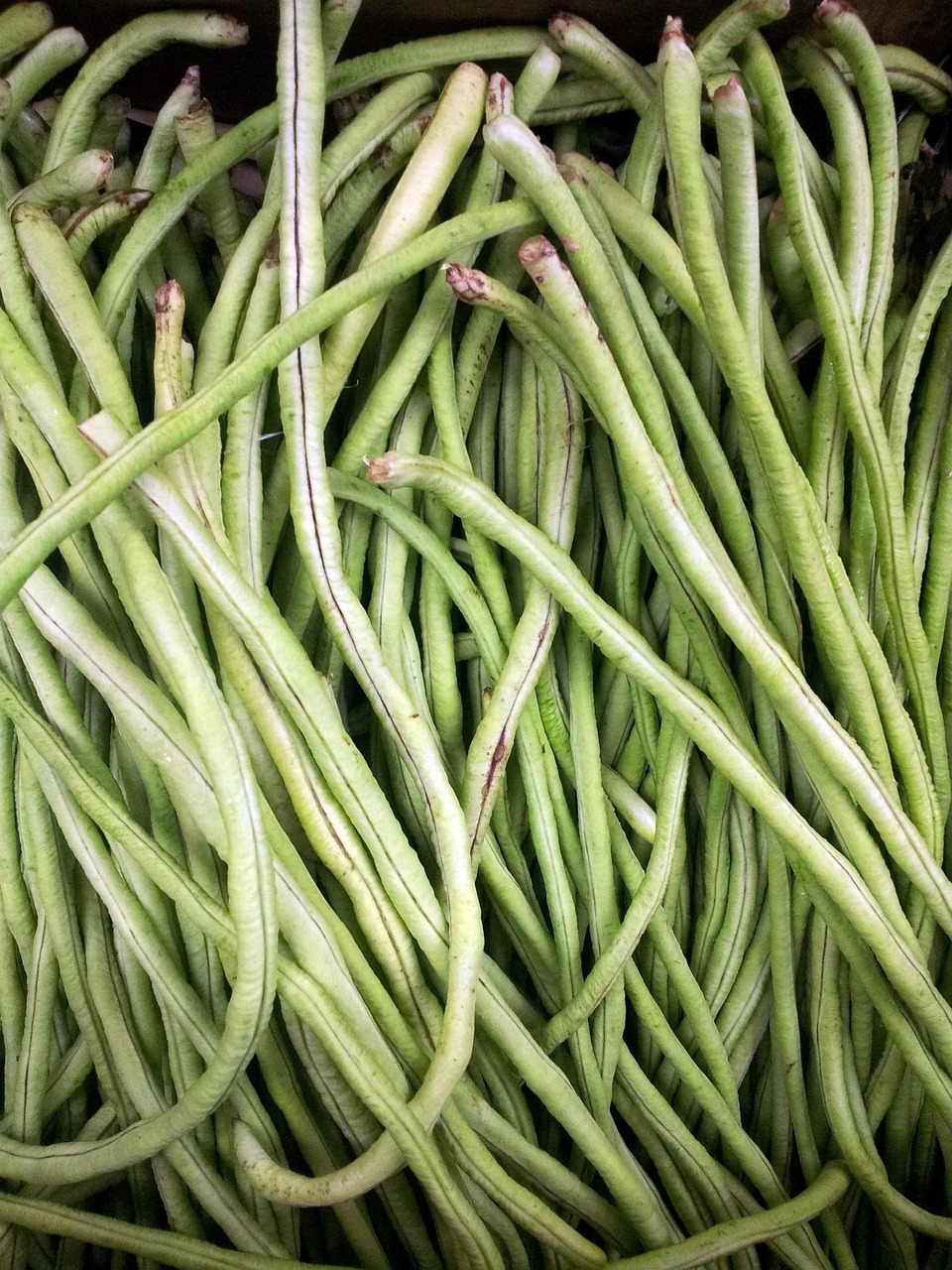
Long beans, also called yardlong beans, grow very long pods. They thrive in hot, humid climates like Florida. These beans taste similar to green beans but are crunchier. The vines grow vigorously and need support to climb. Long beans mature quickly, perfect for fresh eating or cooking.
Trellising And Support Options
Growing bean vines in Florida requires proper trellising and support to ensure healthy plants and abundant harvests. Bean vines climb naturally, so giving them a stable structure helps keep them off the ground. This reduces disease risk and makes harvesting easier. Choosing the right support method depends on your garden space and the type of beans you grow.
Choosing The Right Trellis
Select a trellis that suits your garden size and bean variety. Wooden or metal trellises provide strong support for pole beans. Mesh or netting works well for lighter vines. Ensure the structure is tall enough, usually 6 to 8 feet. Secure the trellis firmly in the soil to prevent it from falling over in wind or rain.
Training Bean Vines
Guide young bean vines to climb the trellis by gently wrapping them around the support. Check plants daily during early growth to adjust their direction. Avoid tying vines tightly to prevent damage. Training beans encourages vertical growth and improves air circulation. It also helps plants receive more sunlight for better pod development.
Space-saving Techniques
Vertical growing saves space in small Florida gardens. Use trellises near garden edges or fences to maximize area. Plant beans close together but allow enough room for airflow. Interplant with other vegetables to make the most of limited space. Consider using A-frame or teepee trellises for compact and efficient bean growing.
Organic Growing Practices
Growing bean vines organically in Florida benefits the soil, plants, and environment. Organic methods avoid chemicals and support natural growth. Healthy soil and balanced care produce strong, tasty beans. Follow simple steps to keep your garden green and thriving.
Soil Preparation
Start with rich, well-drained soil. Mix compost or aged manure to add nutrients. Avoid synthetic fertilizers that can harm soil life. Test soil pH to keep it near 6.0 to 6.5 for best bean growth. Turn soil gently to keep its structure intact. Healthy soil helps roots grow deep and strong.
Natural Pest Control
Use beneficial insects like ladybugs to control pests. Plant marigolds or basil nearby to repel bugs naturally. Handpick harmful insects when you see them. Avoid chemical sprays that kill good bugs too. Mulching helps keep pests away and protects roots. Healthy plants resist pests better than weak ones.
Watering And Fertilizing
Water beans deeply but less often to encourage strong roots. Early morning watering reduces disease risk. Use rainwater when possible to save resources. Feed plants with natural fertilizers like compost tea or fish emulsion. Avoid overwatering, which can cause root rot. Balanced care keeps plants healthy and productive.
Harvesting And Storage
Harvesting and storing beans correctly ensures a fresh and tasty yield. Proper care after picking keeps beans crisp and flavorful. Knowing the right time and method to harvest helps avoid tough or overripe beans. Storage techniques extend freshness and reduce waste. Let’s explore how to handle your bean harvest in Florida.
When To Harvest Beans
Pick beans when pods are firm and snap easily. Pods should be bright green without bulging seeds. Check vines daily during peak season for the best time. Early harvesting encourages more bean production. Avoid leaving beans on the vine too long. Overripe beans become tough and lose flavor.
Proper Picking Techniques
Use gentle hands to avoid damaging vines or pods. Snap or cut pods carefully at the stem base. Do not pull pods, as this can harm the plant. Harvest in the morning for the freshest beans. Regular picking promotes continuous bean growth. Handle beans softly to prevent bruising.
Storing Fresh Beans
Store beans in a cool, dry place immediately after picking. Use perforated plastic bags or containers to keep moisture balanced. Refrigerate beans to maintain crispness for up to a week. Avoid washing beans before storage to prevent mold. Wash them only before cooking. For longer storage, consider freezing or drying beans.
Conclusion
Choosing the best bean vine for Florida depends on your garden’s needs. Pole beans and bush beans both thrive in warm climates. They grow quickly and produce plenty of beans. Regular watering and full sun help these vines flourish. Growing beans adds fresh, healthy food to your meals.
Enjoy the ease of caring for these plants. Start planting soon to enjoy a bountiful harvest. Happy gardening and tasty beans await you!